

I will never forget the smell of burnt chocolate and sheer panic. It was a crisp Saturday evening, and I was running a high-end charity gala with 300 guests. The main courses had cleared beautifully, but then came the dessert order: 300 warm chocolate lava cakes, all scheduled to land on the tables at the exact same moment. I thought we were ready. I was wrong. Within five minutes, half the cakes had turned into cold, dense bricks, while the other half collapsed into molten puddles on the trays because my team had no synchronized timing. It was a complete disaster, and it taught me that high-volume dessert logistics require more than just a good recipe; they require military-grade precision. If you have ever stared at a chaotic kitchen line wondering how on earth you are going to pull off a sweet miracle, you are not alone. Today, I am going to share the exact battle-tested strategies to ensure your lava cakes flow perfectly, stay warm, and impress every single guest. If you want to dive deeper into coordinating massive menus, you might also want to read about the logistics of running a 3-course dinner for 800 people to see how scale changes the game. But first, let us talk about how we conquer the ultimate chocolate beast.
The Heat Is On: Why Warm Desserts Make or Break Your Event Reputation
Warm desserts are the ultimate test of any culinary crew. Unlike cold mousses or pre-plated cheesecakes that can sit in a walk-in cooler for hours, a chocolate lava cake has a incredibly short window of perfection. According to a food science study by the Institute of Food Technologists, the sensory perception of sweetness and texture is directly tied to serving temperature, meaning a lukewarm lava cake loses its luxurious mouthfeel entirely. If it is too cold, the center solidifies into fudge. If it is too hot for too long, the cake continues to bake on the tray, ruining the signature liquid center. When you are coordinating wedding catering tips from industry experts, you quickly learn that timing is everything. Have you ever tried serving a hot dessert to a massive crowd and watched it fail right before your eyes? Tell me your horror stories in the comments below!
Does serving 300 hot desserts at once actually require a massive staff?
You do not need an army of chefs, but you absolutely do need a flawless system. Early in my career, my biggest mistake was thinking I could solve the temperature problem by simply throwing more bodies at it. I hired extra hands without giving them distinct roles, which only led to people bumping into each other in a crowded kitchen. The real secret lies in zone-based preparation and choosing the right equipment, much like optimizing server efficiency to enhance event satisfaction. By dividing your kitchen into distinct heating, plating, garnishing, and running zones, you can serve hundreds of guests with a surprisingly lean, highly focused team. Let us break down how to set up those zones for success.
Divide and Conquer the Kitchen Prep Line
To pull off a high-stakes dessert service without the chocolate turning into a cold, dense hockey puck, you must operate like an assembly line in an automotive plant. The secret is breaking down the execution into ultra-specialized stations where no server or chef has to perform more than one repetitive motion.
The Secret of Zone-Based Plating
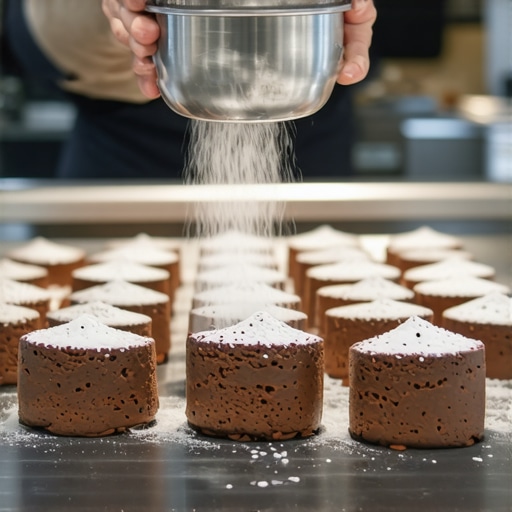
At my next major event after that gala disaster, a corporate retreat for 200 executives, I implemented the four-zone rule: Heating, Landing, Garnish, and Running. Zone one heats the cakes in a high-density convection oven. Zone two receives the hot plates where a dedicated team member flips the cakes from their molds. Zone three applies the dust of powdered sugar and the fresh berry garnish, and zone four—consisting of your front-of-house staff—grabs the finished plates. By limiting each station to a single task, we cleared all 200 desserts in under eight minutes. This type of strict organization is critical, much like why your server team needs a clear chain of command on site to avoid chaos when plates start flying.
The Pre-Plate Strategy That Saves Critical Minutes
Never let your staff plate the cold elements of a dish during the live hot service. Chocolate lava cakes require high heat, but their accompaniments—mint sprigs, raspberry coulis, and vanilla bean quenelles—should already be sitting on the plates long before the cakes leave the oven. During a high-end wedding, we pre-drizzled 350 plates with berry coulis and placed them in our holding racks thirty minutes before dinner ended. When the cakes finished heating, the plating team simply inverted the warm cakes onto the designated empty spot on the pre-decorated plates. This saved us nearly four minutes of prep time, which is the exact window between a perfectly molten center and a solidified cake. If you want to pull off complex dining timelines with minimal stress, mastering these quick-assembly techniques is just as vital as understanding how to staff a multi-course dinner with less than 10 minutes between plates.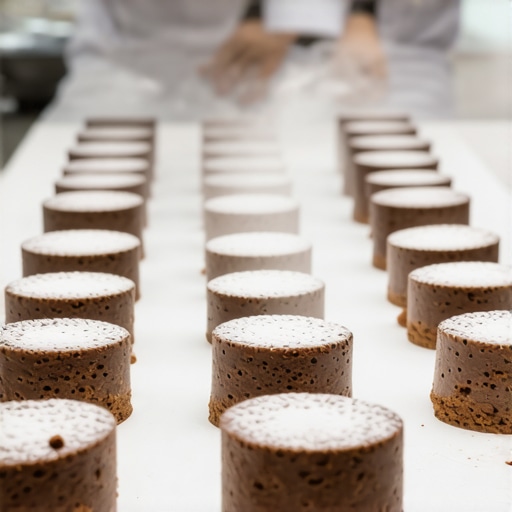
Control the Temperature or Lose the Crowd
Even with a perfect assembly line, temperature decay is your ultimate enemy. The physical journey from the kitchen doors to the guest table can destroy your hard work if your service crew is not properly synchronized.
The Double-Tray Running System
Never allow servers to carry hot lava cakes one by one. By the time they return for their second plate, the remaining desserts on the kitchen pass will have overcooked under the heat lamps. Instead, utilize a double-tray running system where servers work in pairs. One server carries a large tray of hot cakes, while the second server immediately distributes them to the table. This team-based approach mimics the high efficiency found in boost your corporate event with expert server techniques, ensuring that the critical liquid center remains perfectly warm and runny the moment the guest plunges their spoon into the cake. We applied this exact pairing technique during a gala last winter, and it cut our table-drop times in half, keeping the desserts at their optimal serving temperature.
The Critical Role of Heated Plate Racks
Placing a hot, molten cake onto a cold porcelain plate is a recipe for instant failure. Cold plates act as heat sinks, rapidly drawing warmth out of the base of the dessert and solidifying the liquid core before the plate even reaches the dining room. To combat this, always store your service plates in a heated cabinet or a mobile plate warming cart set to 140°F prior to plating. This simple operational step preserves the delicate structural heat of the cake throughout its transit. Ensuring your plates are warm is a professional standard that separates premium catering operations from amateur attempts, aligning directly with the principles of effective catering strategies for corporate event impressiveness.
The Illusion of More Bodies on the Floor
When organizing large-scale galas or luxury weddings, the instinctive reaction to a complex hot food service is to simply flood the floor with extra staff. Everyone tells you that more servers equal faster service, but in my experience, over-staffing without a hyper-specific tactical flow actually degrades the dining experience. A congested kitchen pass leads to bumped elbows, spilled sauces, and dropped trays. Instead of hiring more hands, the real masters of the craft focus on strict specialization and the physical dynamics of the kitchen-to-table path. For a truly flawless execution, you should focus on the hidden benefit of hiring a lead server for every ten guests to coordinate precise table-side service rather than cluttering the floor with uncoordinated runners.
Why do planners keep ignoring the ambient humidity trap?
An advanced detail that rookie caterers and event planners constantly overlook is the physical environment of the venue itself. You can perfect your assembly line, but if you are serving a delicate soufflé or a molten lava cake in a humid, non-climate-controlled tent, the sugar structure will collapse before it hits the table. A study by the Journal of Culinary Science & Technology highlights how ambient humidity rapidly degrades the structural integrity of baked goods, accelerating heat loss through moisture absorption. In my years running high-end events, I have watched beautiful plated desserts turn into soggy, lukewarm disappointments simply because the venue lacked proper air circulation. Before booking a location, make sure you understand how to audit the space, which is as critical as learning why most backyard tent layouts fail the Long Island humidity test to protect your culinary presentation.
The Crucial Difference Between Speed and Systemized Silence
Another common myth in high-volume catering is that a fast team is a noisy, high-energy team. The truth is quite the opposite. The most elite service teams operate in absolute silence, using hand signals and pre-assigned zone paths. When your servers are shouting orders across the pass, it creates a stressful environment that inevitably leads to mistakes, like placing a hot cake on an unheated plate. Training your team on silent operational cues is what elevates the entire atmosphere. Have you ever fallen into this trap of throwing chaotic noise and extra staff at a service bottleneck? Let me know in the comments how you handled it! To prevent these silent operational failures, you should also learn how to spot a server who has not been trained in french service before trusting them with your most prestigious clients.
While understanding the nuances of silence and floor dynamics will save your evening from chaotic noise, maintaining this level of operational excellence over the long haul requires the right technical tools. You cannot rely on willpower alone to keep 300 plates hot. Over the years, I have refined my equipment down to a few non-negotiable tools that guarantee success at every single luxury wedding or high-stakes corporate gala.
How do I maintain perfect dessert quality over multiple events?
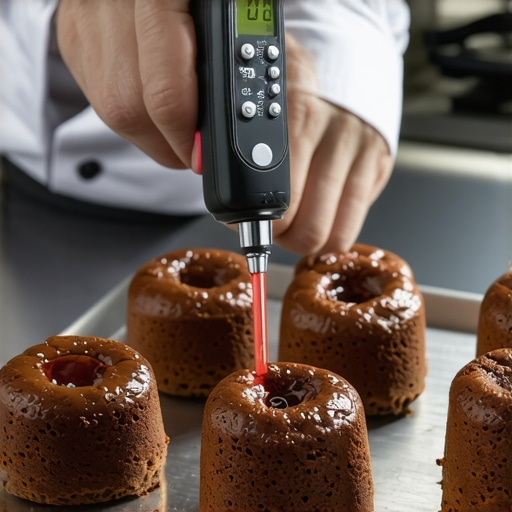
Consistency is built on precise calibration. I personally recommend investing in a high-quality, mobile commercial holding cabinet like the Alto-Shaam 1000-UP. Unlike cheap warming boxes that dry out baked goods, this unit utilizes Halo Heat technology, which blankets the food with gentle, radiant heat. I use this specific cabinet because it preserves the moisture barrier of chocolate cakes without needing a water pan, which can make the cake tops soggy. Additionally, our teams always carry handheld digital infrared thermometers to audit plate temperatures at the pass. According to the technical guidelines provided by FoodSafety.gov, holding hot foods consistently above 140°F is not just a culinary preference, but a strict food safety standard. Keeping these tools calibrated weekly is how we ensure that our luxury wedding catering ideas for a fairytale atmosphere translate perfectly onto the guest’s plate every time.
The Future of High-Volume Catering Logistics
Looking ahead, I predict that the catering industry is moving away from manual temperature tracking toward smart kitchen automation. We are already beginning to see the integration of IoT-enabled warming racks that sync directly with kitchen display systems, alerting the expeditor the exact second a plate drops below its optimal thermal zone. This level of precision is becoming essential as clients demand increasingly complex menus at scale. Whether you are executing a classic plated dinner or implementing wedding catering trends to impress guests in 2025, technology will continue to bridge the gap between high-volume efficiency and boutique quality.
If you want to elevate your service standards immediately, I challenge you to try just one advanced tip from this guide at your next event: pre-heat your dessert plates to 140°F before plating. You will be amazed at how much longer those chocolate centers stay perfectly molten. To make sure your service staff is fully equipped to handle these advanced logistics, you can also read about top server tips to elevate your event experience.
What High-Volume Caterers Will Never Tell You About Hot Service
In the culinary world, anyone can bake a single, perfect chocolate lava cake. The real challenge—the trial by fire that separates industry legends from weekend hobbyists—is replicating that exact gooey magic 300 times simultaneously. Over years of managing high-stress kitchens, I have realized a few unconventional truths about executing hot desserts under pressure:
- The Freezer Is Your Friend, Not Your Enemy: Many chefs insist on baking lava cakes from room temperature to save time. This is a massive mistake. Freezing the raw, portioned batter inside the molds before baking creates a natural thermal buffer. The exterior cooks into a stable cake shell while the frozen core melts at a slower, predictable rate, guaranteeing that signature runny center.
- Never TRUST the Oven Thermostat: Commercial convection ovens are notorious for hot spots. During a high-stakes event, a five-degree variance across shelves will turn half your desserts into dry muffins. Always manually rotate your sheet pans halfway through the bake cycle, no matter how advanced your kitchen claims to be.
- Skip the Elaborate Garnishes: When you are coordinating corporate event catering strategies for success, keep the final plating steps under five seconds. A single, perfectly placed raspberry and a quick dusting of powdered sugar beats an intricate sugar glass structure that melts under the heat lamps anyway.
The Ultimate Gear Setup for Flawless Hot Execution
To keep your hot dessert execution flawless and stress-free, you must equip your team with the right tools. Here is the exact gear list I pack into our mobile kitchen crates for every luxury gala and wedding reception:
- Alto-Shaam 1000-UP Heated Cabinet: This is my absolute go-to for maintaining plate temperatures at 140°F without drying out the food. Keeping your plates warm is just as essential as learning the secret to keeping mini sliders juicy on a buffet line.
- Fluke 62 Max+ Infrared Thermometer: We use this to instantly scan plate surfaces and oven zones before the cakes ever touch the porcelain.
- Silpat Non-Stick Baking Mats: Traditional parchment paper can trap steam underneath the cake molds, causing the bottom of your lava cakes to get soggy. Silpat mats distribute heat evenly across the entire pan surface.
Take Command of Your Next Dessert Rush
Executing a flawless, hot dessert service for a massive crowd is one of the most thrilling achievements in professional catering. It requires you to step away from the mindset of a simple cook and step into the role of a tactical logistics coordinator. By dividing your kitchen into specialized zones, pre-heating your plates, and relying on team-based service runs, you will transform a notoriously chaotic moment into a silent, beautiful dance. The next time you face a dining room packed with hundreds of eager guests, don’t shrink from the challenge—embrace the systemized precision of professional luxury wedding catering ideas for a fairytale atmosphere and watch your reputation soar. Have you ever struggled with keeping hot desserts at the perfect temperature during a large event? Let me know your experiences and tricks in the comments below!