

I will never forget the ‘Great Slider Tragedy’ of 2017. I was managing a high-stakes corporate launch, and I thought I had everything under control. The essential checklist for successful corporate event catering was tucked in my back pocket, and the kitchen was buzzing with energy. But when I walked out to the buffet line thirty minutes into service, I saw it: a tray of mini burgers that looked more like decorative coasters than food. I watched a potential client pick one up, squeeze it, and put it right back down with a grimace. My heart sank. I had focused so much on the fancy toppings that I completely ignored the physics of the buffet line. We are here to make sure that never happens to you. Today, I am sharing the exact techniques I learned the hard way to ensure your sliders stay as juicy as the moment they left the pan.
Stop Serving Tiny Hockey Pucks at Your Events
We have all been there, standing in a long line at a wedding or a gala, eyeing those adorable mini sliders, only to be met with a dry, crumbly disappointment. It is a classic catering heartbreak. The problem is that sliders are small—they have a high surface-area-to-volume ratio—which means they lose heat and moisture faster than a full-sized patty. When you place them under a heat lamp or in a traditional chafing dish, you are essentially putting them in a mini-dehydrator. I used to think the answer was just to undercook them slightly and hope for the best. Big mistake. I once sent out a batch of ‘medium-rare’ sliders that turned into a soggy, grey mess because the steam trapped in the bun turned the meat into mush rather than keeping it succulent. It took years of trial and error, and quite a few effective catering strategies for corporate event impressiveness, to realize that the secret isn’t just in the cooking—it is in the environment you create for them after they leave the heat. If you have already mastered the secret to keeping fish from drying out in a warming drawer, you are already halfway to becoming a buffet hero.
Can a Tiny Burger Really Survive an Hour of Heat?
You might be skeptical. After all, beef is fickle. According to culinary research from Serious Eats, ground beef loses moisture rapidly once it passes the 155°F threshold, and carry-over cooking on a buffet line can push it there faster than you think. It feels like a losing battle, right? But I promise you, there is a way to keep that ‘just-off-the-grill’ feel even after forty-five minutes. We are going to talk about the ‘butter-steam’ method and why you must brief your server team on specific rotation tactics. Have you ever had a buffet meal ruined by a dish that clearly sat out too long? I would love to hear your horror stories—I promise mine are worse. If you are currently planning the ultimate wedding reception meal, you need a strategy that accounts for the slow pace of a buffet. You cannot treat a slider like a steak; it needs more protection. Let’s get into the nitty-gritty of how to build a slider that stays perfect. [image_placeholder]
Build a Better Foundation with the Right Fat Content
The road to a dry slider starts long before the grill is even lit. Most people reach for lean ground beef because they think it is ‘cleaner’ for a professional setting, but in the catering world, lean is the enemy of longevity. You need an 80/20 fat ratio at minimum. That fat acts as internal insulation. When I was refining the ultimate guide to corporate event catering logistics, I realized that the shrinkage caused by lean meat creates a dense, tight texture that becomes a rock as it cools. By using a higher fat content, you ensure that even as the patty sits, the rendering fat keeps the muscle fibers lubricated. Also, stop overworking the meat. I once watched a junior chef handle slider patties like they were play-dough, squeezing out every ounce of potential moisture before they even hit the pan. Treat them gently—barely formed, just enough to hold their shape.
Master the High-Heat Sear to Lock in Juices
You are not looking to ‘cook’ the slider on the grill; you are looking to create a crust. A hard, fast sear on a high-heat flat top creates the Maillard reaction that seals the exterior. I remember a tech launch in 2019 where the stakes were sky-high. Instead of a slow cook, we blasted the patties for 90 seconds per side. By the time they reached the middle of the buffet line, the carry-over heat finished them to a perfect medium, rather than a grey, overdone mess. This is why effective catering strategies for corporate event impressiveness always prioritize the initial sear over total cook time.
Trap the Moisture with the Butter-Steam Technique
This is the ‘pro’ move that separates the amateurs from the veterans. Once those patties are seared, they should not go onto a dry tray. I use a shallow hotel pan filled with a half-inch of ‘bath’—usually a mixture of melted butter, a hint of beef stock, and sautéed onions. We place the seared patties directly into this warm liquid. It is essentially a holding tank that prevents any moisture from escaping. 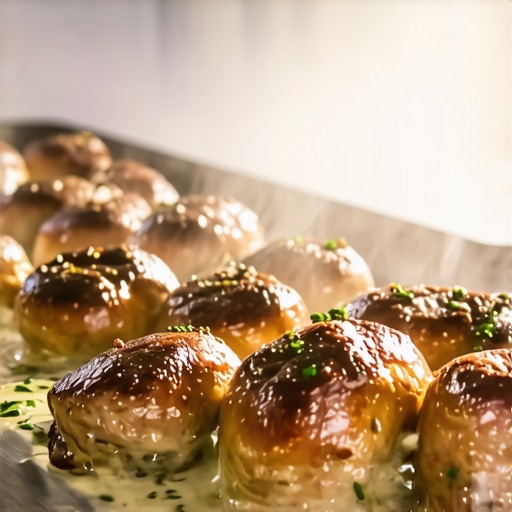 If you are wondering how to serve a hot meal in a venue without a kitchen, this liquid-bath method is your best friend because it holds heat far longer than air. When you finally assemble the slider, the bottom bun absorbs a tiny bit of that savory juice, making the whole bite cohesive rather than a disjointed pile of bread and meat.
Train Your Staff to Rotate Trays with Surgical Precision
Even the most perfectly prepared slider will eventually succumb to the heat lamp if left too long. This is where optimizing server efficiency to enhance event satisfaction becomes a tactical necessity. Your team needs to be trained on the ‘small-batch’ replenishment strategy. Never put out 100 sliders at once if the guest flow only supports 20 every ten minutes. I tell my best corporate event servers for 2025 to monitor the ‘shine’ on the buns. As soon as the buns start to look matte or dull, that tray is pulled, and a fresh, glistening batch from the butter-bath is brought out. It requires more legwork, but the feedback from guests—who actually get a hot, juicy burger—is worth every extra step.
Monitoring the ‘shine’ on a slider bun is only half the battle. If your staff is not structured correctly, even the juiciest patty won’t save the guest experience from falling flat. Many organizers believe that the solution to a complex event is simply to increase the head count, but this is a common myth that often backfires. In my years on the floor, I have found that a massive, uncoordinated team creates more ‘visual noise’ and confusion than a smaller, elite unit. This is precisely why your server team needs a designated captain for every 50 guests. Without a clear chain of command, you end up with three servers trying to clear the same table while another section goes completely ignored for twenty minutes.
Stop Throwing More Bodies at the Problem
Everyone says that more is better, but in my experience, over-staffing without a tactical plan leads to the ‘hover effect.’ This is when guests feel crowded by staff who are over-eager but under-informed. I have seen planners fall into the hidden risks of hiring student servers for high-end events just to pad the numbers, only to find that these untrained hands do not understand the flow of a room. According to research published in the Journal of Foodservice Business Research, guest satisfaction in high-volume catering is driven more by the ‘perceived attentiveness’ and efficiency of the staff rather than the sheer number of people in uniform. Efficiency comes from training, not just attendance. Have you ever been to a gala where you felt like you were being stalked by servers, yet you still could not get a water refill? Let me know in the comments if you have experienced that awkward balance.
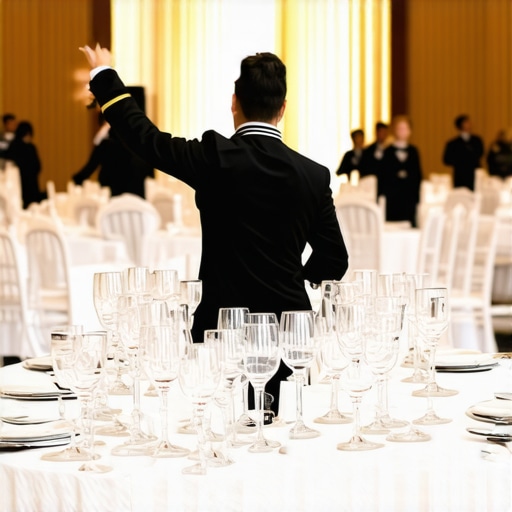
Why Does Your 500-Person Plated Dinner Always Feel Like a High School Cafeteria?
The transition from a cocktail hour to a seated dinner is where most ‘premium’ experiences fall apart. The ‘Oops’ factor here is usually the timing of the clearance. I have seen junior teams start clearing plates the second a keynote speaker walks to the podium. This is a fatal error. Knowing how to handle plate clearing during a seated executive presentation is the hallmark of a true professional. The sound of clinking silverware and ceramic during a poignant speech immediately cheapens the atmosphere. Furthermore, you must how to prevent plate-stacking at high-end charity auctions; nothing kills the luxury vibe faster than a server piling dirty dishes right in front of a VIP donor. It is a subtle nuance, but it is the difference between a high-end gala and a roadside diner.
The One Mistake That Curdles a Luxury Experience
Finally, we have to talk about the ‘Temperature Trap.’ You can use all the butter-baths in the world for your sliders, but if you serve them on a cold plate, the fat congeals instantly, turning your gourmet creation into a waxy disappointment. This is why cold plates are the enemy of a perfect filet mignon or any high-fat handheld. If the physical environment of the plate does not match the temperature of the food, the guest’s sensory experience is sabotaged before the first bite. This lack of attention to detail is often the reason your wedding guests are leaving before the dancing starts. When people feel the food was an afterthought or poorly handled, their energy drops. Have you ever fallen into this trap of focusing on the menu but forgetting the plates? I would love to hear your thoughts on how you manage heat at your larger venues.
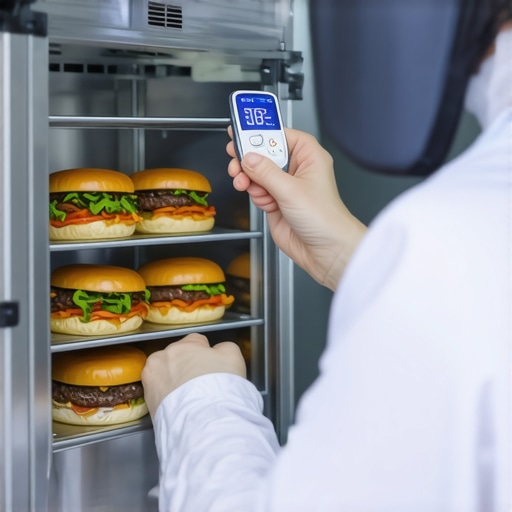
When the adrenaline of the initial service rush wears off, the real work begins. I have seen countless events start with a bang and end with a whimper because the team didn’t have a plan for the ‘middle-muddle.’ Keeping a high-energy atmosphere through the fifth hour of a gala requires more than just coffee; it requires the right infrastructure. While mastering corporate event planning secrets to seamless success involves many moving parts, the physical tools you use to bridge the gap between the kitchen and the guest are your most reliable allies. I never step onto a floor without my Thermapen ONE; it is not just for the chefs. If I see a tray of sliders sitting on a side station, I want an instant read. If that meat hits 135°F, it is dead to me. Precision is the difference between a guest feeling cared for and a guest feeling like a number in a queue.
The Gear That Keeps My Blood Pressure Low During a 500-Person Rush
I am often asked what the ‘magic bullet’ is for keeping food perfect in high-volume settings. If you want the truth, it is the CVap (Controlled Vapor Technology) holding cabinet. Developed by Winston Foodservice, these units allow you to control the food’s moisture and temperature independently. Unlike a standard warming cabinet that just blasts dry heat, a CVap creates a precise vapor environment that matches the evaporation rate of the food itself. This is why my sliders never turn into hockey pucks. If you are planning the ultimate wedding reception meal, you need to ask your caterer specifically about their holding equipment. If they are just using sterno and a prayer, your dinner is at risk. We also rely heavily on digital floor-plan software like AllSeated to visualize traffic flow in real-time. This helps us identify ‘bottlenecks’ before they happen, ensuring top server tips to elevate your event experience are actually actionable rather than just theoretical advice.
How do I keep the momentum from flagging after four hours?
The secret to long-term event success is the ‘Secondary Briefing.’ About halfway through the night, usually right after the main course is cleared, I pull my leads aside for a three-minute huddle. We recalibrate. We identify which tables are drinking faster, who looks bored, and who needs an extra touch of ‘wow.’ This is where expert server techniques truly shine. We shift the energy from ‘delivery mode’ to ‘experience mode.’ It is about maintaining that corporate event catering strategy for success even when the staff is tired. You have to treat the last guest of the night with the same reverence as the first. If your team sees you checking the details—straightening a fork, wiping a stray drop of wine—they will maintain that same level of rigor.
Thermal Sensors and the Future of Food Service
Looking ahead, I predict a massive shift toward IoT-integrated buffet lines. We are already seeing prototypes of ‘Smart Chafing Dishes’ that send alerts to a server’s watch the moment a temperature dips or a lid is left open too long. This technology will eventually eliminate the ‘human error’ that leads to dry sliders or cold soup. While we wait for that future, we must rely on optimizing server efficiency through old-school discipline and modern thermal monitoring. I strongly encourage you to try the ‘Butter-Steam’ method I mentioned earlier for your next small gathering; see for yourself how a little moisture control changes the game. It is the single most effective way to impress guests at a corporate event without needing a million-dollar budget. Don’t just serve food—protect it.
Three Hard Truths the Buffet Line Taught Me
After a decade in the trenches, I have realized that the smallest details often carry the heaviest weight. First, steam is a binary element; it either preserves your hard work or destroys it, and the ‘butter-steam’ method is the only way to stay on the winning side of that battle. Second, never underestimate the power of a server who can explain the flavor profile of a slider while maintaining genuine eye contact. These server skills that make every event stand out are what guests truly remember long after the food is gone. Finally, remember that the most expensive steak in the world will taste like cardboard if it hits a cold plate. Success is found in the thermal environment you create, not just the ingredients you buy.
The High-Stakes Toolkit I Trust Every Time
If you want to move beyond ‘good enough’ and into the realm of legendary service, you need the right allies in your kit. I personally swear by the Thermapen ONE because a two-second delay in reading an internal temperature can be the difference between a juicy bite and a dry disappointment. For floor management, I rely on AllSeated to ensure our layouts don’t create bottlenecks that leave guests waiting for their food. For the gold standard in moisture control, the Winston CVap holding cabinet is a non-negotiable asset for high-volume success. I also suggest studying wedding catering tips from industry experts to see how these principles of precision apply to the most demanding luxury celebrations.
Your Turn to Redefine the Guest Experience
Now that you have the blueprint for the perfect slider and the tactical knowledge to lead a team, it is time to put these theories into practice at your next function. Don’t be afraid to demand more from your equipment and your staff. By focusing on the intersection of moisture control, temperature maintenance, and specialized corporate event catering strategies for success, you are ensuring that your next event is remembered for its incredible quality rather than its culinary misses. Your guests deserve a bite that stays as vibrant as the conversation around it. Have you ever had a buffet dish that looked incredible but turned out to be surprisingly dry? Let me know your experiences in the comments below!