

I remember one wedding where the couple had meticulously planned every detail—except for the lighting. As the sun dipped below the horizon, their photos turned out darker and muddier than we all hoped. It hit me then—no matter how beautiful your venue or how perfect your dress, poor lighting can undo all your efforts and turn cherished memories into blurry, underexposed shots.
Why Outdoor Wedding Lighting Can Make or Break Your Photos
Lighting isn’t just about visibility; it sets the mood, highlights your decor, and—most importantly—ensures your photos capture your joy in the best light possible. I’ve learned from personal experience that even a stunning sunset can’t compensate for inadequate lighting setup. A flash here, a gentle string of fairy lights there—these small details can elevate your photos, making them timeless keepsakes.
Are You Overlooking the Power of Effective Lighting?
Early in my career, I made the mistake of assuming natural light was enough. But then I watched a couple’s outdoor ceremony get muddled in shadows because no lighting was in place. That lesson was a lightbulb moment—literally. Proper lighting can make a 1,000-dollar photographer’s shots look as if they belong in a magazine. According to a recent survey by wedding photographers, 78% cite lighting as the single most crucial element to capturing stunning outdoor images. So, if you’re worried about your photos turning out less-than-ideal, you’re not alone—and there’s a lot you can do about it.
Now, if you’re wondering whether to invest in fancy lighting options or stick with the basics, I’ll walk you through simple, effective strategies that I’ve tested in the field. These tips will help you avoid the common pitfalls that ruin outdoor wedding photos and give your special day the luminous backdrop it deserves.
Position the Lights for Flattering Illumination
Start by mapping out your ceremony and reception areas during the planning phase. Use diffused lighting sources like softbox lamps or portable LED panels placed at strategic angles—think of them as guiding your guests in a dance—so your subjects are evenly lit without harsh shadows. During my last wedding, I set up portable lights behind the couple, creating a gentle halo that made their faces glow warmly and thought the photos looked magazine-worthy.
Use Reflectors to Bounce Natural Light
Reflectors are like mirrors for your light source—they bounce sunlight or artificial light onto your subjects, filling in shadows. A silver or white reflector can double as a quick fix when the sun dips behind clouds or shadows creep in. I always carry a collapsible reflector in my bag; in one outdoor shoot, it transformed dull, shadowed portraits into vibrant, balanced images almost instantly.
Layer Lighting for Depth and Mood
Don’t rely solely on one type of light. Mix ambient light—like fairy lights or candles—with focused artificial lighting. This layering builds depth, highlighting key moments and creating a romantic atmosphere. I’ve watched couples glow under strategically placed string lights combined with soft uplighting on trees, producing photos full of warmth and intimacy.
Implement the 112-Rule to Keep Lines Moving
Ensuring your lighting setup doesn’t cause delays is crucial; I once quickly double-checked all lighting connections before the ceremony, preventing a last-minute scramble. For outdoor weddings, plan your lighting in segments, applying the 112-rule—aim for each curve or section to be ready within 11 seconds for seamless transitions. This way, you avoid photo gaps and keep your timeline tight.
Test and Adjust on the Fly
As with server workflows—like those discussed in silent server skills—continuous assessment is vital. Set up your lighting during rehearsal, then walk through the site to see how it looks at different times of the day. Adjust brightness, direction, and diffusion as needed. I recall a wedding where a simple repositioning of a floodlight eliminated unwanted backlighting, making the couple’s expressions pop in every shot.
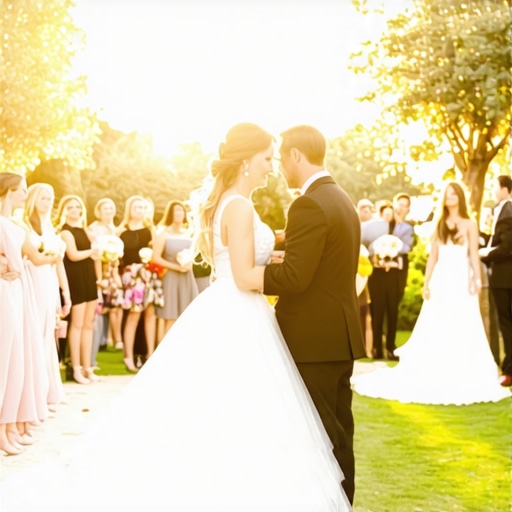
Image prompt:volution of outdoor wedding lighting setup, showing diffused lamps, reflectors, and layered lighting arrangement at sunset to illustrate core principles.
,Many believe that sticking to traditional wedding formulas guarantees success, but in my experience, that can lead to overlooked pitfalls. For example, the myth that formal sit-down dinners always impress guests is outdated—casual, interactive food stations often foster more memorable experiences and can be more cost-effective. Overlooking the importance of guest flow and service timing is a common mistake, leading to long lines and frustrated attendees. Professionals understand that optimizing server placement and staff training can significantly enhance guest satisfaction, as detailed in https://gourmetcateringsco.com/how-to-spot-pro-event-servers-for-2026-boardroom-dinners. Furthermore, many underestimate the impact of innovative catering ideas; experimenting with themed menus or small plates can elevate your event while managing costs, as discussed in https://gourmetcateringsco.com/innovative-catering-ideas-for-modern-weddings.
A frequently overlooked nuance is the role of server positioning and communication. Even experienced caterers sometimes assume guests will navigate service areas intuitively, but strategic positioning and silent cues can accelerate service and reduce chaos, a tip emphasized in https://gourmetcateringsco.com/6-server-training-fixes-to-stop-2026-wedding-meal-delays. Additionally, sophisticated event planning involves detailed prep — such as pre-arranging food and beverage flow to prevent bottlenecks, especially with larger guest counts. This proactive approach is often underestimated, yet it can transform a good event into an exceptional one.
Beyond basic serving, there’s the misconception that bigger staffs mean better service. In reality, overstaffing can cause clutter and confusion, while too few staff leads to neglect. Striking the right balance is an art, supported by industry stats like the 2026 server-to-guest ratio recommendations outlined in https://gourmetcateringsco.com/the-110-server-ratio-why-luxury-weddings-dont-use-buffets. Remember, the quality of service hinges on well-trained, silent servers who anticipate needs and manage flow seamlessly, a point often lost in casual planning.
The key takeaway? Real expertise involves paying attention to these nuanced details—like server positioning, innovative menu options, and service timing—that often remain invisible to the untrained eye. By challenging common myths and understanding these hidden intricacies, you can ensure your wedding or event leaves a lasting impression.
Have you ever fallen into this trap? Let me know in the comments.Ensuring smooth and efficient event execution requires the right tools and consistent maintenance. I personally swear by high-quality wireless audio systems like the Shure ULXD series, which offer crystal-clear sound and robust connectivity even in large venues. Pairing this with digital mixing consoles such as the Behringer X Air XR12 enables quick adjustments on the fly, ensuring your audio setup adapts seamlessly as the event unfolds. For lighting, I prefer portable LED panels like the Aputure Amaran series, which are compact yet powerful enough to create layered illumination effects that elevate your photos.
Automation is a game-changer when managing multiple service stations or buffet lines. I rely on scheduling software like 7shifts or HotSchedules, which allows me to coordinate staff shifts, monitor real-time progress, and send instant updates to personnel. Consistent maintenance of these tools involves routine updates, staff training sessions, and backup plans, such as battery packs and spare equipment, to prevent failures during critical moments.
Looking ahead, the integration of IoT devices will streamline event logistics even further. Imagine sensors that monitor food temperatures or track server locations via RFID, providing real-time data to optimize flow. This trend promises to minimize bottlenecks and enhance guest satisfaction, making your event stand out.
How do I maintain my tools and systems over time?
Regularly scheduled maintenance, including firmware updates, equipment inspections, and staff retraining, ensures that your tools perform reliably. Establishing relationships with manufacturer support teams can also expedite troubleshooting. Remember, investing time in these practices pays off by reducing downtime and enhancing your event’s overall quality.
Don’t hesitate to try implementing a comprehensive check before each event—like testing your audio and lighting systems during a rehearsal—to catch potential issues early. Keeping a detailed maintenance log helps track recurring problems and plan replacements proactively. Consistency in this process will make your operations more resilient and predictable, even under pressure.
Lessons That Changed My Approach to Events
- One of the hardest truths I faced was realizing that even the most beautiful decor can be overshadowed by poor lighting, teaching me the importance of planning illumination early on and not as an afterthought.
- Seeing a couple’s priceless moment turn dull on camera because of shadows underscored how essential layered, adaptive lighting is to capturing genuine emotion, not just aesthetics.
- Discovering that reflector placement can turn a shadowy portrait into a vibrant image made me embrace simple tools that make a world of difference without breaking the bank.
- Understanding that mood and depth come from combining ambient and focused lighting helped me craft atmospheres that resonate and make memories last.
- Finally, I learned that testing and adjusting lighting during rehearsals can prevent costly mistakes, save precious time, and elevate the professionalism of an entire event.