

I remember sitting at a high-stakes corporate gala, watching a CEO struggle to manage a delicate poached pear with a heavy steak knife because the dessert fork was missing. It was painful to watch. The grace of the evening vanished in a single clunk of silver against china. I’ve seen it time and again—the wrong tool turns a sophisticated bite into a clumsy chore. Whether you are planning the ultimate wedding reception meal or hosting an executive lunch, the cutlery on the table speaks louder than the centerpiece. I’m here to show you why that “minor” detail is actually the anchor of the entire dining experience.
The Real Reason Your Silverware Choice Dictates the Vibe
Early in my career, I made the amateur mistake of thinking a fork was just a fork. I once set a 300-person wedding with standard dinner forks for a delicate shrimp cocktail course. It was a disaster. Guests were splashing cocktail sauce on their formal wear, and the elegance I’d promised evaporated instantly. You can have the best food in the world, but if the mechanics of eating it are off, the guest experience suffers. This is why top server tips always emphasize the setup. When a guest has to pause and wonder, “Which one do I use?”, you’ve already lost the flow of the meal. Proper placement and selection ensure your guests stay focused on the conversation and the flavors, not the logistics of their plate.
Does the weight of a fork actually change the flavor?
It sounds like elitist nonsense, doesn’t it? But it’s actually backed by science. According to researchers at the University of Oxford, the weight, size, and even the color of your cutlery can significantly influence how people perceive the taste and quality of their food. A light, flimsy fork makes a premium steak feel cheap, while a balanced, appropriate utensil elevates the entire sensory profile. This isn’t just about “rules”—it’s about psychology. Have you ever felt that sudden flash of annoyance when a server clears your salad fork but doesn’t replace it for the next course? Tell me about your most awkward dining fail in the comments. We’re going to dive into how to spot a server who has not been trained properly and ensure your next event doesn’t fall into these common traps.
Audit Your Inventory with a Hands-on Test
Last October, I was managing a black-tie gala where the rental house delivered flimsy, lightweight forks for a prime rib course. It felt like trying to perform surgery with a plastic spork. I had thirty minutes to pull a miracle—we actually sent a runner to a sister venue to swap the entire set because the guest perception was worth more than the delivery fee. That day taught me that you never trust the packing slip; you feel the weight yourself. This is a non-negotiable step in your essential checklist for successful corporate event catering. If the fork bends under slight pressure, it won’t survive a steak, and your reputation won’t survive the review. 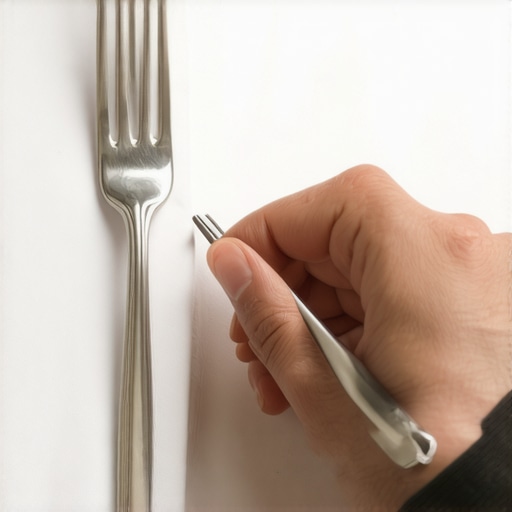
Match the Tool to the Tension of the Dish
Think of your cutlery as the supporting cast in a play. If you are serving a delicate sea bass, a heavy, serrated knife is overkill and frankly intimidating. Conversely, consider the problem with serving steak at a 500-person business lunch without high-grade steak knives; guests will spend more energy sawing at their food than networking. The goal is to minimize resistance. Every utensil should feel like an extension of the hand, designed specifically for the texture of the course it accompanies.
Why Your Servers Must Be Human Calipers
Precision in placement is not just for the photos. When a server places a spoon a quarter-inch too far to the right, they break the guest’s natural reach. I always tell my teams that they need to be human calipers. You must how to train temporary server staff on high-end table manners so they understand that a thumb-width from the table’s edge is the golden rule. This consistency creates a sense of order that settles the mind. If you are dealing with the hidden risks of hiring student servers for high-end events, this is the first technical skill you should drill into them.
Master the Art of the Invisible Swap
The most critical phase of the cutlery lifecycle happens between courses. You cannot expect a guest to reuse a sauce-covered fish fork for their main entree. This is where how to handle plate clearing during a seated executive presentation becomes an art form. The server should remove the used silver and replace it with fresh, polished pieces so quietly the guest doesn’t even pause their sentence. Remember, why cold plates are the enemy of a perfect filet mignon—the same logic applies to your silver. Cold cutlery against a hot meal is a jarring sensory mismatch. Always ensure your backup sets are kept at room temperature, never pulled straight from a cold storage bin in the back of a drafty catering tent.Most planners operate under the ‘more is better’ fallacy when it comes to staffing. They think that flooding a room with bodies guarantees high-end service, but in my twenty years of experience, I’ve seen that over-staffing is the fastest way to create a cluttered, chaotic atmosphere. When you have too many servers, they start to ‘clump’ in corners or cross paths unnecessarily, creating a visual white noise that distracts from the guest of honor. Instead of raw numbers, I focus on the hidden benefit of hiring a lead server for every ten guests. This ensures a clear hierarchy where information flows upward and mistakes are caught before they reach the table. Without this structure, you’re just paying for extra feet to trip over each other.
Can the density of servers at a table create unconscious stress for your guests?
It might sound counter-intuitive, but a study published in the Cornell Hospitality Quarterly suggests that ‘service intrusion’—the frequency with which a server interrupts the guest’s personal space—can negatively impact the perceived quality of a meal. When servers are poorly trained, they hover. They refill water glasses that are still 90% full. They break the ‘service bubble.’ To avoid this, you must prioritize server skills that make every event stand out, specifically the ability to read body language. A guest who is leaning forward and gesturing is in the middle of a point; a guest who leans back is inviting a plate clear. 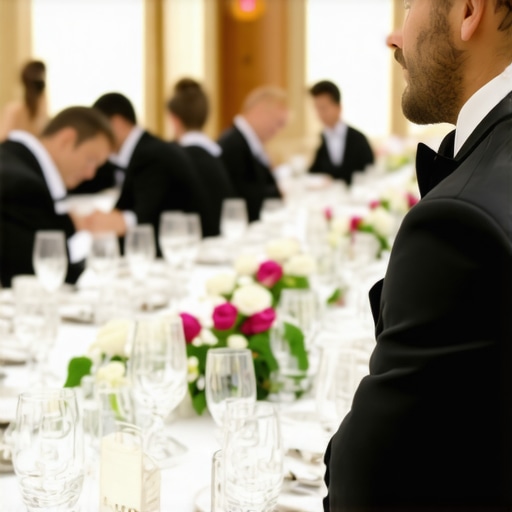
The Silent Clearing Trap That Kills Keynote Speeches
There is a specific ‘oops’ factor that happens at almost every high-level corporate dinner: the clatter of porcelain during the most important part of the night. I’ve seen million-dollar deals lose their momentum because a server decided to clear the soup bowls exactly when the CEO reached the climax of their speech. This is a hallmark of a team that doesn’t understand how to handle plate clearing during a seated executive presentation. The rule is simple: if the mic is on, the silver stays still. This level of restraint requires a specific type of discipline that you won’t find with unvetted labor. It’s why I often warn against the hidden risks of hiring student servers for high-end events; they lack the situational awareness to realize that a silent room is not an invitation to work, but an order to freeze.
Why Your Bar Placement is Secretly Sabotaging the Room
Another nuance people miss is the ‘gravity’ of the bar. Most planners tuck the bar near the entrance to welcome guests, but this creates a bottleneck that kills the flow of the entire evening. In my playbook, I always follow the logic of placing the bar as far from the entrance as possible. This forces guests to move through the space, see the decor, and engage with other attendees. It’s a subtle move that transforms a stagnant cocktail hour into a dynamic networking session. Have you ever fallen into the trap of over-staffing or poor bar placement? Let me know in the comments. If you are feeling overwhelmed by these logistics, the best first step is to contact us to audit your floor plan before the invitations even go out. Success isn’t about how much you spend; it’s about how well you orchestrate the invisible details.I’ve spent countless late nights in the back-of-house watching servers try to hand-polish 400 wine glasses with linen napkins. It’s a recipe for lint, fingerprints, and broken stems. If you want to scale to high-end galas, you need to move beyond the ‘buff and pray’ method. I personally swear by the commercial steam polisher—specifically units that use heated microfiber brushes. They don’t just clean; they sanitize and provide a diamond-like finish that you simply cannot replicate by hand. When you are optimizing server efficiency to enhance event satisfaction, eliminating the ‘polishing station’ bottleneck is the first thing you should do.
Stop Scrubbing and Start Steaming for a Streak-Free Finish
Beyond the speed, there is a technical reason I use reverse-osmosis water systems for my dishwashing lines. According to the Water Quality Association (WQA), water with a hardness level exceeding 7 grains per gallon will leave mineral deposits that chemically bond to stainless steel. This is why your forks look ‘cloudy’ even after a wash. I’ve seen planners blame the soap, but the culprit is almost always the water. If you are implementing effective catering strategies for corporate event impressiveness, you have to control the chemistry of the kitchen. A guest at a 1,000-person gala might not notice a perfect fork, but they will absolutely notice a spotted one. Speaking of large crowds, mastering the best way to manage a coat check for 1000 winter guests is usually where the wheels fall off, but the silverware is the slow-burn failure that ruins the photos.
How can I keep thousands of pieces of silver from tarnishing between busy seasons?
The secret isn’t in the cleaning; it’s in the storage. I use air-tight, vacuum-sealed bins with anti-tarnish strips for my high-end sterling sets. If you leave them in standard crates, the humidity from the kitchen will oxidize the metal within weeks. When you are training your leads on how to brief your server team on complex dietary restrictions in minutes, include a five-minute demo on proper storage. It saves you thousands in professional refinishing costs later. 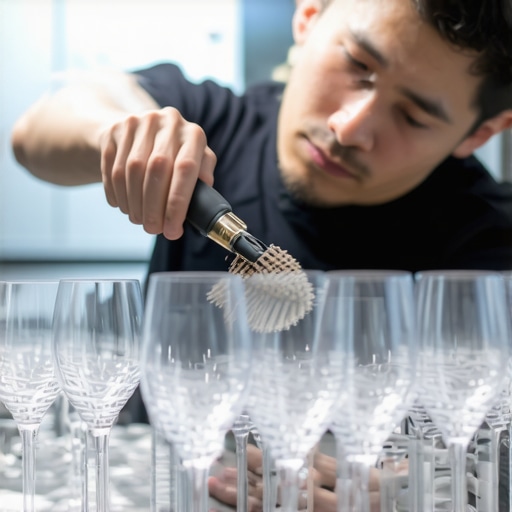
The 2026 Shift Toward Sustainable Heavy Bioplastics
Looking ahead, the industry is moving toward ‘heavy-gauge’ bioplastics. We are finally seeing materials made from agave or mycelium that have the weight and ‘clink’ of real silver but are fully compostable. For the eco-conscious corporate retreat, this is going to be the gold standard. It solves the logistics of loss and the ethical concerns of single-use items without sacrificing that luxury feel. My challenge to you: Go check your venue’s water hardness report today. It is the single most important ‘invisible’ detail that will save your reputation and your silverware investment.
What I Learned the Hard Way About Silverware and Social Grace
After two decades in the trenches, I’ve realized that the silver isn’t just about eating; it’s about respect. If you provide a guest with a dull knife for a premium steak, you are subtly telling them that the quality doesn’t matter. I always look for the hidden benefit of hiring a lead server for every ten guests because they are the ones who catch the dull blades or spotted spoons before they ever reach the table. Another hard truth: your inventory will walk away. Guests pocket spoons as souvenirs, and busy dishwashers accidentally dump forks into the trash. I now budget for a 10% replacement rate annually so I am never caught short during a peak season. Finally, the ‘resonance test’ is real; a fork that feels light in the hand makes the most expensive salmon feel like a cafeteria meal. Balance is everything.
The Tools That Keep My Events Running Without a Hitch
If you want to elevate your setup, start with a professional steam polisher. I’ve seen teams spend hours on manual labor that a machine does better in seconds. Secondly, invest in high-grade microfiber; I never let my staff use standard linen for prep because the lint ruins the presentation. For those looking to sharpen their team’s skills, I recommend focusing on ways to boost your corporate event with expert server techniques to ensure every movement is deliberate and silent. Lastly, always keep a ‘correction kit’ on-site: a bottle of distilled water, white vinegar, and a fresh cloth for those last-minute spots that appear during transport. #IMAGE_PLACEHOLDER_E#
Transform Every Bite into a Lasting Memory
Ultimately, the goal is to create an environment where the mechanics of dining disappear into the background. When you apply these wedding catering tips from industry experts, you aren’t just serving food; you are orchestrating an experience. The weight of the fork, the temperature of the plate, and the silence of the service are the invisible pillars that allow the conversation and the occasion to shine. Success is found in the details that your guests don’t notice—because they are too busy enjoying the moment. Have you ever been at an event where the cutlery or service actually ruined your meal? Let me know your stories in the comments below!