

I was standing in a gorgeous, rustic barn in the middle of a summer heatwave, watching the lead singer of a phenomenal 10-piece soul band hit the high note of their most popular set. Then, pop. The lights died. The amplifiers hissed and went silent. The catering ovens, running full tilt to serve 200 people, had combined with the band’s massive sound system to trip the main breaker. It was a gut-wrenching silence that felt like it lasted for hours. I felt terrible for the couple, but honestly, it was my own fault for not checking the load beforehand. We spend so much time on the perfect wedding servers and the floral arrangements, but we rarely talk about the invisible fuel that keeps the party alive: electricity. Today, I am going to make sure you never have to stand in a dark room explaining why the party stopped. We are going to dive into the nitty-gritty of electrical audits so your big band sounds like a dream, not a disaster. [image_placeholder_1]
Avoid the Nightmare of a Silent Dance Floor
When I first started out, I assumed a “plug and play” approach was enough for any venue. I was wrong. A 10-piece band isn’t just ten people with instruments; it’s a small power plant’s worth of amplifiers, monitors, mixing boards, and lighting rigs. If you don’t master the logistics of your event planning, you’re basically gambling with your reception. Most older venues were never designed to handle the simultaneous draw of a professional audio rig and high-end catering equipment. If your wedding video audio sounds like static, it might not be the microphone—it could be “dirty power” from an overloaded circuit.
Is a 10-piece band actually worth the power struggle?
You might be wondering if it’s easier to just hire a DJ and call it a day. But let’s be real: nothing beats the energy of a live horn section. The “struggle” isn’t the band; it’s the lack of preparation. I once made the mistake of assuming a “renovated” ballroom had modern wiring. It didn’t. We blew three fuses before the salad course was even served. It’s an embarrassing lesson I don’t want you to learn firsthand. According to the National Fire Protection Association (NFPA), electrical malfunctions are among the top causes of fires in commercial properties, often due to overtaxed systems. Taking five minutes to talk to the venue manager about “dedicated circuits” can save your entire night. Have you ever been to an event where the power just gave up? It’s a vibe-killer like no other.
Get the Most from Your Venue Wiring
It’s not just about the band’s gear. You have to think about the corporate event catering logistics or the wedding kitchen setup. When the band turns on their stage lights and the caterers start the coffee percolators, the draw spikes. This is exactly why your venue needs a backup generator for outdoor events or at least a very clear map of the breaker box. I always tell my friends: the band is the heart of the party, but the electricity is the blood. If the flow stops, everything else does too. We’re going to walk through exactly how to talk to your venue and your band leader to ensure the only thing “blowing up” is the dance floor.
Walk the Venue with a Multi-Meter Mentality
To prevent a total blackout, you need to treat the venue’s electrical panel like a map of a minefield. When I do a walkthrough now, I don’t just ask where the band plugs in; I ask which breaker controls which wall. I once managed a massive gala where we realized—too late—that the primary bar’s glass chillers were on the same circuit as the band’s subwoofers. Every time the compressor kicked on, the bass would dip. It was subtle, but it ruined the groove. You must ensure the corporate event catering logistics include a separate power source for warming ovens and coffee stations.
Why Your Kitchen and Stage Cannot Share a Fuse
Most people don’t realize that a commercial coffee urn draws as much power as a small guitar amp. If you’re trying to figure out the best way to serve coffee to 200 people in five minutes, you’re likely using high-draw equipment that will trip a shared breaker in seconds. I remember a wedding in an old Victorian mansion where the kitchen staff started the ‘late-night’ coffee service right as the band hit their finale. Total darkness. The solution is simple: dedicated 20-amp circuits for the stage, and separate lines for the catering team. If the venue can’t guarantee this, that is exactly why your venue needs a backup generator for outdoor events or historic properties.
Grab the Technical Rider Months in Advance
Don’t wait until the week of the wedding to ask the band what they need. A 10-piece soul band usually requires at least three to four dedicated 20-amp circuits. This should be part of your essential checklist for successful corporate event catering and production. When I’m mastering corporate event planning secrets to seamless success, I send the band’s technical rider to the venue’s electrician immediately. I once had a client who saved thousands because we caught a power deficiency early and rented a small, quiet whisper-generator instead of trying to rewire a whole wing of a local museum.
The Logistics of Heavy Power Loads
When dealing with the logistics of running a 3-course dinner for 800 people, every watt counts. We often use ‘distro boxes’ which take a single large power feed and break it down into smaller, safe outlets for the band. It’s like having a high-capacity highway that branches off into small local roads. If you don’t have a distro, you’re relying on the building’s internal wiring, which is often decades old and brittle. I’ve seen wires literally smoke behind a velvet curtain because a lighting tech tried to daisy-chain too many LED panels. Always assume the venue’s outlets are weaker than they look and plan for dedicated lines.
If electricity is the lifeblood of your reception, then your staff and floor plan act as the nervous system. Most planners will tell you that the secret to a flawless night is simply hiring more people. I’m going to challenge that right now: more bodies often lead to more chaos. I’ve seen dozens of events where the couple followed the standard advice on how to choose the perfect servers for your wedding, yet dinner service still felt like a slow-motion train wreck. The problem isn’t the number of hands; it’s the lack of a structured system for them to move through.
Stop Piling on Staff and Start Refining the System
In my experience, a lean, highly-trained team with optimized server efficiency will out-perform a massive, uncoordinated group every single time. When you over-staff a tight space, you create ‘human logjams’ in the kitchen and at the bar. A study from the Cornell School of Hotel Administration highlights that ‘perceived service quality’ is actually tied more to the seamlessness and invisibility of the staff than the speed of the food arrival. If your guests notice the servers constantly bumping into the band’s equipment or each other, the ‘luxury’ vibe is dead. This is exactly why your server team needs a clear chain of command on-site. Without a ‘captain’ directing the traffic, you’re just paying for people to stand around and look busy.
The Service Corridor Trap You Might Be Ignoring
The ‘oops’ factor usually happens in the shadows—specifically at the loading dock. Most people focus on the beautiful ballroom, but the venue loading dock is the most important part of your tour. If the band’s gear cases are blocking the caterer’s entrance, your hot food will sit in the hallway cooling down while the roadies play Tetris with their speakers. I once saw a 3-course dinner for a gala delayed by forty minutes because the band and the catering team were fighting over a single service elevator. It’s a logistics nightmare that can be avoided by staggering load-in times and designating clear ‘zones’ for different vendors.
Can your layout handle the friction of a 10-piece band and a 3-course meal?
When you have a massive band, the footprint of the stage often eats into the ‘swing space’ that servers need. This is where the ultimate guide to corporate event catering logistics becomes your bible. You need to ensure the logic of placing the bar away from the entrance and the stage is respected. If you put the bar next to the band, the crowd will bottle up, and your servers won’t be able to get the trays of food through the swarm. It’s about creating a ‘flow state’ for the night where electricity, people, and equipment move in harmony. Have you ever fallen into the trap of over-staffing a small venue or forgetting to check the service path? Let me know in the comments. We’re all learning from each other’s near-disasters!
To keep things running smoothly as you scale from small dinners to massive galas, you need more than just a clipboard. I rely heavily on ‘digital twins’ of my venues using platforms like Allseated. It allows me to simulate the physical footprint of a 10-piece band alongside the tables. But the real game-changer is a physical tool: a circuit load tester. I never walk into a venue without my Sperry Instruments Circuit Analyzer. It tells me instantly if a socket is grounded or if the voltage drops too low when the catering team plugs in. This is part of the effective catering strategies for corporate event impressiveness that separates the pros from the amateurs.
How do you maintain these logistical standards over time?
Consistency comes from an evolving ‘Technical Bible.’ Every time a breaker trips or a server gets stuck in a bottleneck, I update the master document. This is optimizing server efficiency to enhance event satisfaction at a macro level. For larger shows, you have to realize why your corporate gala needs a stage manager instead of a wedding planner. A stage manager lives for the technical rider and the power grid. According to the National Electrical Code (NEC) Article 525, which covers portable power for events, proper grounding and GFCI protection are non-negotiable for safety. If you aren’t auditing your venue’s infrastructure, you’re failing your client. 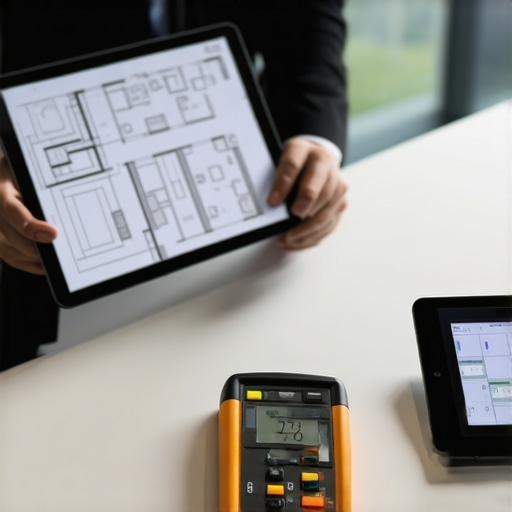
Prepare for the Future of Smart Venues
I predict that in the next five years, we will see ‘Smart Breakers’ become the industry standard. Imagine getting a push notification on your phone that the coffee station is drawing 18 amps on a 20-amp circuit before the fuse blows. Until then, you need to be proactive. Before your next big gig, learning how to vet a venue for corporate wifi stability and speed should be your second priority, right after checking the amperage. My advanced tip for you: buy a simple voltage meter and test the outlets yourself during the walkthrough. It takes thirty seconds and guarantees your band’s expensive sound system won’t get fried by a power surge. It’s one of those top server tips to elevate your event experience—not just for the people carrying plates, but for the ‘server’ of power that keeps the whole room alive. Check your technical riders today and cross-reference them with your venue’s circuit map. Your future self will thank you when the lights stay on.
Why You Should Never Trust a ‘Renovated’ Ballroom Floor Plan
After years in the field, I’ve realized that a venue’s aesthetic appeal often masks its technical limitations. One of my biggest lightbulb moments was discovering that ‘modern’ light fixtures don’t necessarily mean modern wiring. I now live by the 80% rule: never draw more than 80% of a circuit’s capacity, because when that horn section hits a crescendo and the stage lights flare, you need that headroom. Another hard lesson? The ‘Coffee Pot Killer.’ Never allow a catering team to plug a percolator into the same wall as the soundboard. It’s the fastest way to trigger a thermal trip and kill the vibe. Finally, I’ve learned that the loading dock isn’t just for trucks; it’s the lungs of the event. If that space isn’t managed, your entire schedule suffocates. I always look for best corporate event servers for 2025 who understand these technical boundaries as much as they understand hospitality.
Tools to Ensure Your Power Never Peaks
To avoid being the person standing in the dark, I rely on a few non-negotiables. First, the Sperry Instruments Circuit Analyzer is my best friend; it identifies faulty grounds before the band even unloads a case. Second, I use Allseated to create digital twins of the floor plan, ensuring that high-traffic service routes don’t cross paths with heavy power cables. For those looking for innovative catering ideas for modern weddings, remember that the most ‘innovative’ thing you can do is ensure the kitchen has its own dedicated power feed. I also keep a copy of NEC Article 525 in my bag—it’s the gold standard for temporary power safety and helps me speak the same language as venue electricians when things get technical.
Stepping into the Spotlight with Confidence
Planning an event with a 10-piece band and a full-service dinner is like conducting an orchestra where half the instruments are invisible. But when you master these logistics, you aren’t just a planner; you’re a conductor of energy. By applying wedding catering tips from industry experts and auditing your power grid, you create a safety net that allows the magic to happen. When the lights stay on and the music is crisp, your guests won’t notice the electrical audit you did weeks ago—and that’s the ultimate sign of success. Your focus on boost your corporate event with expert server techniques and technical readiness will turn a potential disaster into a legendary night. Have you ever had a breaker trip right in the middle of a toast or a big song? Let me know how you handled the silence in the comments below!