

I remember the moment vividly. It was my first big outdoor wedding as a caterer, and everything was going smoothly—until the skies darkened unexpectedly. Just as the ceremony reached its emotional peak, the lights flickered and faded, plunging the entire setup into darkness. The music silenced, candles blew out, and guests looked around, unsure whether to applaud or panic. That crash of realization hit me hard—our reliance on the main power sources was a mistake. Since then, I’ve learned that having a backup power plan isn’t just a good idea; it’s absolutely essential for outdoor venues.
Expect the Unexpected: Power Outages Happen More Often Than You Think
Many venue owners and organizers focus solely on weather forecasts—preparing for rain, wind, or heatwaves. But what happens when your power goes out unexpectedly? According to the U.S. Department of Energy, about 66% of power outages are caused by equipment failures, weather, or animals—not simply storms. This highlights a hard truth: power disruptions are more common than we like to admit. Your event could be disrupted by something as mundane as a fallen tree tripping a transformer or a technical glitch in the grid. Relying solely on weather predictions leaves you vulnerable to these surprises.
Have you ever faced an event shutdown due to a power failure? That experience, whether it was during an outdoor wedding, corporate retreat, or festival, can be a real wake-up call. It revealed just how unprepared many of us are for the realities of outdoor event planning.
Early in my career, I made the mistake of assuming that the venue’s main power source was resilient enough for my needs. I didn’t think I needed additional safeguards—until the lights went out mid-ceremony. Since then, I’ve made it a priority to always have a backup plan. Not just for rain, but for every possible power hiccup.
In the sections that follow, I’ll walk you through practical steps to ensure your outdoor event stays energized—literally. We’ll cover how to evaluate your power needs, what equipment to have on hand, and how to coordinate seamlessly with your team. Ready to turn your outdoor venue from a potential blackout zone to a reliable, energized space? Let’s dive into the essentials of creating a backup power plan that works, no matter what surprises Mother Nature throws your way.
Before we get into the nuts and bolts, it’s worth asking—have you experienced a power outage during one of your outdoor events? If so, you’re not alone, and the good news is, it’s completely preventable with the right planning. Keep reading, and I’ll show you how.
Assess Your Power Needs Precisely
Start by calculating the total wattage of all essential equipment—lighting, sound systems, heating or cooling units, and catering appliances. Think of it like packing a bag for a trip; overpacking weighs you down, but underpacking leaves you unprepared. During a memorable outdoor wedding I managed, I once underestimated our lighting needs, leading to dimming right when the dance floor heated up. To avoid this, create a detailed list and add a buffer of at least 20% to cover sudden power surges or additional devices.
Invest in a High-Quality Generator
Choose a generator that exceeds your calculated requirements. Think of it as choosing a reliable vehicle: a smaller engine might seem economical but could stall under load. I once used a portable generator rated for 5kW when our plan called for 7kW—resulting in constant overload warnings and eventual shutdown. For critical components, select a dedicated generator. Brands with good reviews and proven durability can mean the difference between a smooth event and a blackout. Remember, fuel capacity is also vital; plan for at least 50% extra fuel to run your generator beyond the event’s expected duration.
Ensure Proper Setup and Safety Protocols
Position the generator in a well-ventilated, dry area, away from guest pathways—like parking it behind a fence to prevent accidents. Use heavy-duty extension cords rated for outdoor use, making sure they are properly grounded. I once saw a catering team run a thin extension cord across a walkway, which led to a trip and near-disaster. Training your staff on safety protocols reduces risks and ensures everyone knows how to handle the equipment. Additionally, set up circuit breakers and proper grounding to prevent electrical fires and shocks.
Test the System Before the Event
Conduct a full dry run hours before guests arrive. Plug in all equipment, run the generator, and observe load levels and noise. During my first outdoor wedding, I skipped a full test and only realized during the ceremony that the sound system was flickering—causing guests to whisper and lose the moment. Testing allows you to identify issues early, such as overloaded circuits or foul odors from generators. Consider having backup cables and spare fuel on hand for quick replacements.
Prepare for Quick Troubleshooting
Assign a trained staff member as the backup power manager—think of them as a pit crew in racing. Equip this person with essential tools, such as spare fuses, extension cords, and a fire extinguisher. During a corporate retreat, I trained one of the servers on basic troubleshooting; when the generator sputtered, she quickly swapped a fuse, avoiding hours of downtime. Include clear signage for emergency shut-offs and safety instructions accessible to all staff. Routine mini-drills or walkthroughs ensure readiness when it counts most.
Coordinate with Local Utilities and Emergency Services
Notify local utility providers about your event; in some areas, they offer priority restoration if a failure occurs. Establish an emergency plan with nearby facilities in case your backup system fails—like renting additional portable generators. For high-stakes events, having a contingency plan for total power failure can save your reputation. I recommend establishing communication channels with local emergency services, so you can get immediate assistance if needed. This proactive approach ensures you’re prepared for extended outages or equipment malfunctions.
Even seasoned event planners often overlook the nuanced pitfalls that can sabotage a flawless gathering. Many believe that simply hiring a large team or opting for popular service styles guarantees success, but the devil is in the details. For instance, the misconception that more servers automatically mean better service leads to cramped, chaotic dining experiences, especially when staff aren’t trained to work cohesively. A well-trained team, like those highlighted in our [best corporate event servers for 2025](https://gourmetcateringsco.com/best-corporate-event-servers-for-2025), can adapt swiftly and maintain a seamless flow, ensuring guests feel valued.
One common myth is that formal, rigid service styles are always the best choice. In reality, the trend towards interactive, station-style catering fosters engagement and satisfaction when executed correctly. However, without proper staffing—such as designated traffic controllers—the stations can cause bottlenecks, frustration, and even safety hazards. For example, the [7 interactive food stations](https://gourmetcateringsco.com/7-interactive-food-stations-that-cost-less-than-a-2026-buffet) with effective management can elevate a wedding or corporate event, but only if servers are trained to manage flow efficiently.
The ‘Oops’ factor here is underestimating the importance of specialized roles within the serving team. Relying solely on general staff without assigning roles like traffic coordinators or specialty station attendants often leads to disorganization. A critical mistake is failing to prepare servers for high-stakes moments—such as handling dietary restrictions or timing meal courses—resulting in delays or errors. Proper [server training](https://gourmetcateringsco.com/how-to-spot-pro-event-servers-for-2026-boardroom-dinners-2) can mitigate these issues, ensuring a high level of professionalism even during the busiest phases.
Addressing the sophisticated question: How can event organizers ensure their staff understand and execute advanced service protocols? The answer lies in continuous training and clear communication protocols. For instance, implementing radio communication, as discussed in [server protocols for high-stakes dinners](https://gourmetcateringsco.com/3-secret-server-protocols-for-high-stakes-2026-executive-dinners-2), allows real-time adjustments and quick response to unforeseen issues. Investing in such practices might seem costly upfront, but the payoff is a polished event that impresses high-profile clients.
Remember, deliberate staffing strategies and nuanced understanding of service flow can distinguish a good event from a memorable one. Don’t fall into the trap of underestimating your team’s role—it’s the secret sauce behind flawless execution. Have you ever fallen into this trap? Let me know in the comments.
Prioritize Quality Power Solutions for Long-Term Success
Investing in a high-grade, fuel-efficient generator like the Honda EU7000is has revolutionized my approach to outdoor event power management. Its quiet operation, reliable startup, and ability to handle multiple high-demand devices ensure that we can run everything smoothly without worrying about sudden outages. Regular maintenance, including oil changes and inverter checks, extends its lifespan, reducing the risk of failure when it matters most. As technology advances, I predict future generators with smarter power management and solar compatibility will become industry standards, further reducing reliance on fuel and decreasing carbon footprints.
Utilize Monitoring Software to Keep Everything in Check
Tools such as Generator Link or Power Patrol provide real-time analytics on power load, fuel levels, and operational status. I personally rely on these platforms to monitor generators remotely—allowing me to respond preemptively to any fluctuations. Incorporating this technology minimizes downtime and keeps the team focused on delivering exceptional service. Over time, integrating IoT-enabled sensors into your setup will allow for predictive maintenance, reducing unexpected breakdowns and optimizing equipment lifespan. For example, a small investment in sensor-driven maintenance prevented a potential generator failure at a recent outdoor wedding, saving time and costs.
Streamline Setup and Maintenance with Proven Protocols
Developing detailed checklists and maintenance routines—such as inspecting grounding connections and testing transfer switches—ensures reliability. I follow a strict protocol that includes pre-event system tests, regularly scheduled maintenance, and staff drills for troubleshooting. These procedures drastically reduce the risk of failures during critical moments. Training your team on quick fixes, like replacing a fuse or resetting circuit breakers, empowers them to handle minor issues swiftly. Remember, a well-maintained system not only prevents failures but also prolongs the equipment’s life, ultimately saving money and time.
Expert Tip: Consider Modular Power Arrays
Modular power solutions, like solar-powered battery arrays, are gaining traction. They can be disconnected and expanded based on event size, offering flexibility and sustainability. For instance, a recent project involved integrating a Tesla Powerpack system, which provided silent, emission-free backup power. As technology evolves, these systems will likely become more affordable and accessible, providing event organizers with clean, quiet, and reliable energy sources that reduce dependence on traditional generators.
How do I maintain my power setup over time?
The key lies in consistent, scheduled maintenance combined with adopting emerging technologies like IoT sensors and solar batteries. Regular checks, prompt repairs, and continuous staff training ensure your equipment remains in top shape, reducing surprises during big moments. For further insights on equipment selection and maintenance strategies, visit our guide on choosing professional servers. Try implementing a remote monitoring system this season to stay ahead of potential issues and keep yourevents running flawlessly.
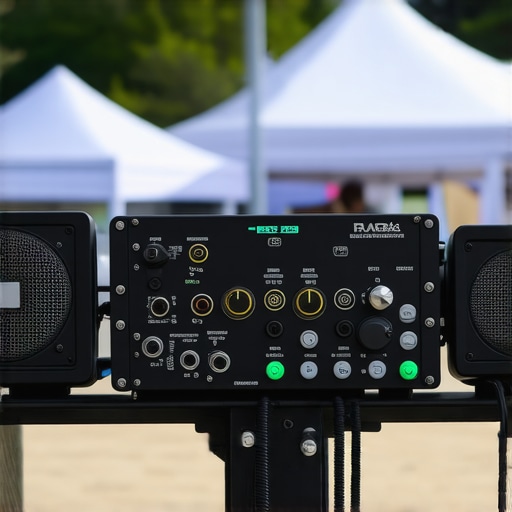 As I reflect on my early days in outdoor event catering, one lesson stands out with unwavering clarity: never underestimate the importance of a reliable backup power plan. My experience with that wedding in unpredictable weather highlighted a vulnerability many overlook. The unexpected power outage transformed a memorable celebration into chaos, reminding me that unpredictability is part of the outdoor event landscape. Since then, meticulous planning and robust power solutions have become my cornerstone for success.
Lessons from the Field That Could Save Your Event
- Assuming the venue’s power source is foolproof can be a costly mistake. Always evaluate and test your backup systems well in advance.
- Overconfidence in weather forecasts ignores the reality of equipment failures and grid issues, which are surprisingly common.
- Staff training on emergency protocols, especially regarding power management, is critical to maintain flow during crises.
- Modern monitoring tools can predict and prevent power issues, giving you a seamless experience even when the unexpected strikes.
- Investing in quality equipment, like high-capacity generators and IoT-enabled sensors, may seem costly but pays dividends by ensuring reliability.
Wield the Right Tools for Power Confidence
My go-to generator now is the Honda EU7000is for its quiet operation and dependability. Pairing it with remote monitoring software such as Generator Link has transformed how I manage event power loads, providing real-time data to preempt potential failures. For planning, resources like [how to choose the perfect servers for your wedding](https://gourmetcateringsco.com/how-to-choose-the-perfect-servers-for-your-wedding) offer insights on staffing that complements your logistical preparations. Using these tools creates a resilient foundation that allows your event to flow smoothly regardless of external circumstances.
Transform Anxiety into Action — Start Today
As outdoor event planners, our greatest asset is preparation. Incorporating sophisticated power solutions and monitoring technology can turn potential disasters into just another part of the story—so your guests remember your event for its elegance, not its interruptions. The future belongs to those who anticipate the unexpected and respond with confidence. Don’t wait for a blackout to make you wish you had a plan; build it now, and enjoy peace of mind during every celebration.
What has been your biggest lesson from managing outdoor events with unreliable power? Share your story below and let’s learn from each other!