

I’ll never forget the sound of three dozen champagne flutes meeting a concrete floor during the quietest moment of a $50,000 wedding toast. It wasn’t a guest who tripped; it was my lead server, a total pro, who collided with a guest’s chair because there was only one way into the room. I stood there with my heart in my throat, realizing that no amount of training could fix a bad floor plan.
Give Your Staff the Space to Stay Invisible
When I was starting out in this industry, I was obsessed with the aesthetic. I’d look at a venue’s crown molding and the view from the balcony, but I completely ignored the ‘plumbing’ of the event: the service flow. That mistake cost me dearly at a high-end corporate gala where the smell of dirty dishes wafted right over the VIP tables because the busing station was forced into the main hall. To truly master corporate event catering logistics, you have to realize that your staff shouldn’t be part of the decor. They need to be ghosts. If your servers are dodging bridesmaids or fighting for space with a photographer, you’re looking at a recipe for a collision. Now, I never sign a contract without doing venue walkthroughs that focus specifically on how the food gets from point A to point B without being seen. I once worked a wedding in a restored barn—beautiful, sure—but it had exactly one door for the kitchen. When it was time for the main course, the line of professional servers looked like a subway car at rush hour. We were literally sweating through our shirts just trying to get the salmon out while it was still hot. It’s those moments where you realize that a venue isn’t just a pretty face; it’s a machine that needs to work.
Do I really need to pay more for a venue with extra doors?
It’s a valid concern, especially when budgets are tight, but think about optimizing server efficiency. If a server has to walk an extra 50 feet around a crowd just to drop off a tray, you aren’t just losing time—you’re losing the heat on the food and the patience of your guests. According to the Events Industry Council, logistical flow is a primary driver of overall attendee satisfaction, yet it remains one of the most frequently skipped items on a site-selection checklist. [IMAGE_PLACEHOLDER] Having multiple entrances allows for a ‘one-way street’ system: clean food comes in one door, and dirty dishes go out another. It’s the only way to keep the energy of a room high and the distractions low. If you’re planning a high-stakes meeting, you might want to look into corporate event catering strategies for success that prioritize these ‘behind the scenes’ elements. I’ve learned that a second entrance isn’t a luxury; it’s an insurance policy against embarrassment. Tell me, have you ever felt like you were sitting in the middle of a kitchen during a formal dinner? It’s not a great feeling, is it? Let’s talk about how to identify the right flow before you book your next space.
Map the Highway from Kitchen to Guest
Thinking of your venue as a map of highways and back alleys is the fastest way to spot trouble before it happens. In a perfect world, your clean food and dirty dishes never travel the same path. It’s like a well-designed city; if the garbage trucks are blocking the main thoroughfare during rush hour, everything grinds to a halt. When you are looking at a space, physically walk the route from the oven to the furthest table in the room. If that route takes you through a narrow hallway where guests will be queuing for the bar, you have a bottleneck that will destroy your service timing. This is why the 5-step process for vetting a new event venue checklist always includes a timed walk-through of the service route. I learned this the hard way during a gala in a downtown high-rise where the kitchen was three floors below the ballroom. One service elevator went down, and suddenly my team was trapped in a vertical traffic jam. That night taught me that why your lead server should never be the one managing the kitchen is a rule written in the sweat of exhausted staff; you need one person dedicated solely to unblocking the ‘highway’ while another manages the ‘destination.’
Your Staging Area is the Heart of the Operation
Even the most beautiful ballroom needs a ‘messy’ room hidden nearby. If you don’t have a staging area, your servers will end up stacking dirty crates behind a decorative screen in the corner of the room, and trust me, guests will notice. You need a dedicated zone for clearing plates, polishing glass, and organizing the next course. Without it, the server skills that make every event stand out—like poise and speed—evaporate because the team is too busy tripping over clutter. 
Why You Need a Dedicated Space for the Chaos
I once worked a summer wedding where the venue promised a ‘prep area’ that turned out to be a sun-drenched patio. By the time we were ready for the salad course, the greens had wilted into something unrecognizable. It’s a mistake I never made again. Now, I insist on knowing why your wedding venue needs a temperature-controlled prep space before we even discuss the menu. A proper staging area acts as a buffer zone, allowing your team to reset and regroup. It’s the difference between a server appearing calm and collected or looking like they just ran a marathon.
Calculating the Perfect Staffing Ratio for Your Crowd
You can have the best food in the world, but if there aren’t enough hands to deliver it, the experience fails. For high-end events, the standard one-to-twenty ratio often falls short. If you want true invisibility and seamless flow, you have to look at how to choose the right staffing ratio for a VIP event. A common trick I use to get ahead of the clock is pre-pouring. It sounds simple, but why pre-pouring water is the secret to a fast service start boils down to basic physics: you are removing three minutes of work from every table before the guests even sit down. This buys your team the breathing room they need to handle the more complex parts of the service without rushing.Most planners think that offering a massive variety of dishes is the key to a happy crowd. In reality, I’ve found that choice is often the enemy of a smooth evening. According to a study by the Journal of Personality and Social Psychology, choice overload significantly decreases satisfaction and increases regret. When guests take too long at a buffet or deliberate over three different entrée options, it creates massive lines that kill the event’s momentum. When you’re looking at effective catering strategies for corporate event impressiveness, remember that a focused, high-quality menu beats a scattered one every time. One of the biggest mistakes I see is ignoring the logistics of the last mile. You might have a world-class kitchen, but if you didn’t audit your server to guest ratio for VIP dinners, that food is going to be cold by the time it reaches the guest. 
The Hidden Trap in Your Venue’s Preferred Vendor List
This is a hard truth most people won’t tell you: many preferred lists are based on who pays the venue a commission, not who provides the best service. You have to navigate the hidden cost of only using preferred vendors at popular venues by asking for recent references that aren’t provided by the venue. Another common myth is that the Lead Server can also manage a section of tables. That is a recipe for disaster. I always insist that the lead stays off the floor in terms of serving so they can spot the how to avoid the mid-event lull in guest energy and pivot the staff before the room feels dead. They need to be looking for the server skills that make every event stand out, like anticipating a guest’s need for water before they even look up.
Does your catering contract actually protect you from a service meltdown?
Double-check the small print before you sign anything. I’ve seen planners lose thousands because they didn’t realize why your catering contract should explicitly mention leftover policies. If you don’t ask, that expensive extra food usually goes straight into the trash instead of being managed properly. Furthermore, apply top server tips to elevate your event experience by ensuring your contract covers setup and breakdown times in detail. Have you ever fallen into the trap of hiring a preferred vendor who turned out to be a nightmare? Let me know in the comments.Beyond the floor plan and the staffing numbers, the real test of a pro is how you maintain that energy when the night is four hours deep. If you’re still relying on a wrinkled piece of paper taped to the kitchen wall, you’re one spilled coffee away from a total communication blackout. I’ve transitioned my entire team to shared digital documents because why your server lead needs a copy of the event script isn’t just about timing—it’s about staying in sync when the schedule inevitably shifts. When the CEO decides to move up their speech by twenty minutes, you don’t want a server clinking silverware in the background. This is where why you should always do a sound check before the ceo speaks becomes a logistical necessity, ensuring the service pauses exactly when the mic turns on.
How do I keep my team sharp during a long event?
It’s all about the ‘mid-point reset.’ About halfway through a gala, I gather my leads for a quick huddle—think of it as a pit stop. We use boost your corporate event with expert server techniques to identify which tables are ‘high-needs’ and who is lagging. This is also when we revisit how to organize a staff meeting before a 500-person dinner tactics but in a condensed, tactical format. I’ve found that even 60 seconds of face-to-face realignment prevents the fatigue that leads to dropped trays and cold coffee. According to Priya Parker, author of The Art of Gathering, the way you manage the transitions determines if guests feel cared for or simply processed. If you fail to manage the ‘pivot’ from dinner to speeches, you lose the room’s attention entirely. 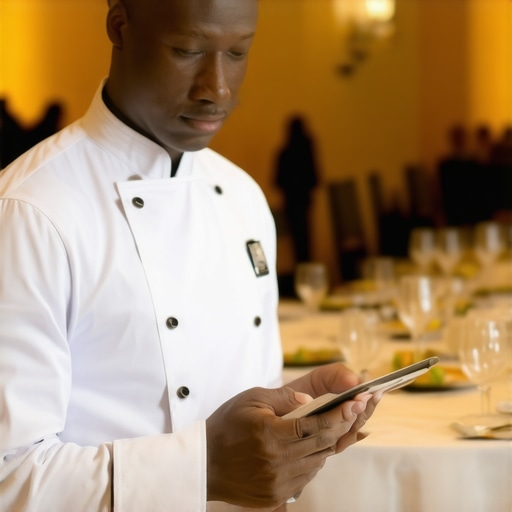 Looking toward the future, I see the industry moving toward ultra-niche tech. I predict we will soon see real-time heat-mapping apps that alert a lead server via a vibrating watch when a guest has been sitting with an empty glass for more than 120 seconds. Until then, you have to rely on mastering corporate event planning secrets to seamless success by being physically present and observant. You have to learn how to spot a bad lead server in the first 10 minutes of an event so you can step in before the guest experience dips. Even the most sophisticated optimizing server efficiency plan won’t work if the energy at the top is flat. My best advice? Try this tonight: Before your next event, do a literal ‘blind’ walk-through where you close your eyes and listen for the noise level of the kitchen from the guest tables—it will change how you place your partitions forever. You might even find that the logic of serving dessert before the final speech is the only way to keep everyone in their seats without them checking their watches.
The Hard Lessons I Learned While Hiding the Chaos
After a decade in the weeds, I’ve realized that the most expensive linens in the world won’t save a dinner if the service flow is broken. One thing I always tell my trainees is that why high quality napkins matter for guest perception isn’t just about the fabric—it’s about the subtle signal of excellence it sends to your VIPs. I’ve also learned to be a bit of a detective; you can learn more by doing a quick scan of the waste bins than by reading any feedback form. Seriously, why you should audit your venues trash cans after a gala is the ultimate truth-teller about whether your portions were too large or if the main course missed the mark.
Tools That Saved My Sanity in the Ballroom
I never walk into a high-stakes venue without my digital ‘survival kit.’ This includes an essential checklist for successful corporate event catering that stays synced across my team’s devices. I also swear by real-time coordination; understanding why your server lead needs a copy of the event script has prevented countless mid-toast interruptions. If you are in the early stages of planning, I highly recommend using the 5 step process for vetting a new event venue checklist to catch structural bottlenecks before they ruin your night.
Build a Legacy of Perfect Service
At the end of the evening, your success isn’t measured by how many plates were served, but by how many guests felt truly cared for. By mastering corporate event catering strategies for success, you transition from being a simple food provider to a master of the room’s energy. It takes patience and a sharp eye for the ‘invisible’ details, but the result is a reputation for excellence that lasts. Have you ever encountered a venue that looked beautiful but turned out to be a total logistical nightmare for your staff? Let’s swap stories in the comments below.