

I stood there, cringing, as the groom’s father nearly clotheslined himself with a fifteen-foot XLR cable just as he was getting to the emotional heart of his toast. He wanted to move closer to the couple, to look them in the eye, but the black rubber cord snapped taut, jerking his hand back and sending a jarring ‘thump’ through the venue’s speakers. It was a visceral, painful moment that broke the magic of the evening instantly. I’ve seen it happen at corporate galas too—a CEO trying to pace the stage to build energy, only to be yanked back like a dog on a leash. That was my ‘lightbulb moment.’ I realized that we put so much effort into the menu and the decor, yet we often overlook the one tool that literally gives the event its voice. Today, I’m going to show you why cutting the cord is the single best move you can make for your event’s flow, safety, and emotional impact.
Give Your Speakers the Floor Without the Trip Hazards
When you are trying to trim 20 minutes off wedding speeches without being rude, the last thing you need is a physical obstacle slowing things down. In my early days of event planning, I made the amateur mistake of thinking a ‘reliable’ corded mic was safer. I once bought a cheap, used setup that ended up picking up local police radio chatter right in the middle of a silent prayer. It was mortifying. But modern wireless technology has changed the game. It allows a maid of honor to walk over to the head table, or a keynote speaker to engage with the front row of a corporate audience. This mobility isn’t just a luxury; it’s a tool for engagement. According to research from the Audio Engineering Society, speech intelligibility and audience retention can drop significantly when a speaker is physically restricted or forced to turn their head away from a fixed microphone position to look at their notes or the audience. Have you ever felt trapped behind a podium because the microphone wouldn’t budge?
Won’t the Signal Cut Out Mid-Toast?
This is the biggest fear I hear from my neighbors and clients alike. They worry about interference or batteries dying at the climax of a speech. I get it. However, if you do a sound check before the CEO speaks and use high-quality digital systems, those fears are relics of the past. The freedom to move means the speaker can find the best ‘sweet spot’ in the room, especially when dealing with venues with bad acoustics where standing in one corner might cause feedback. By going wireless, you aren’t just buying a gadget; you’re buying the ability to keep the energy high and the focus exactly where it belongs: on the words being said, not the wires on the floor.
Map Out Your Signal Strength Before the First Chair is Set
The most common mistake I see is assuming a wireless mic works everywhere just because it worked in your living room. You need to treat your venue like a minefield of signal interference. This is exactly why your event venue selection impacts your AV budget more than almost any other factor. If you are in a basement with thick concrete walls or a high-rise surrounded by radio towers, you are going to need more robust gear. I always insist that why venue walkthroughs should happen at the same time as your event. If your gala is at 7:00 PM on a Friday, walking the room at 10:00 AM on a Tuesday won’t tell you anything about the local cellular traffic or the interference from the nightclub next door that only powers up at sunset. Once, at a tech-heavy product launch in an old warehouse, I found that the brick walls were a signal nightmare. I had to tape the receiver to a rafter twelve feet up just to get a clean feed, a move that saved the keynote but nearly cost me my dignity on a ladder.
Tuck Away the Remaining Wires
Even when the microphone is cord-free, you still have to deal with the octopus of power cables behind the DJ booth or at the base of the speakers. Nothing kills a luxury aesthetic faster than a tangle of black rubber snaking across a white marble floor. I remember a gala where we had the perfect lighting setup, but a server tripped over a loose power lead, nearly taking out the main dessert display. Now, I obsess over how to hide unsightly power cables at a corporate gala by using gaffers tape that matches the floor and routing everything along the baseboards. Think of it like a professional kitchen: if a chef cannot move freely without looking at their feet, the food won’t get to the table on time. Properly managed cables are the silent heroes of event safety.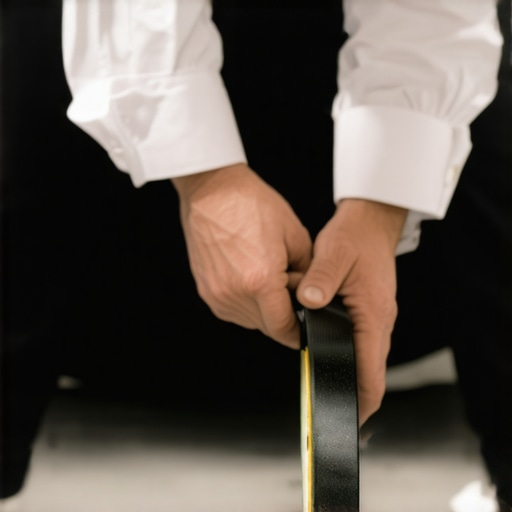
Coordinate Your Tech with Your Service Team
Wireless freedom is great for the speaker, but it can be a nightmare for the servers if they aren’t in the loop. You need to ensure your service staff knows the flight path of the person with the mic. When optimizing server efficiency to enhance event satisfaction, I give my lead server a heads-up on exactly where the speaker intends to wander. I once had a CEO decide to deliver his entire speech from the middle of the buffet line. Because we hadn’t practiced that, the servers were literally trapped behind the heat lamps, unable to clear plates or refresh drinks without interrupting his big moment. It looked like a choreographed disaster because the ‘voice’ of the event was physically blocking the ‘hands’ of the event.
Vet Your AV Partners Like You Vet Your Caterer
Don’t just take the venue’s in-house person without checking their credentials. You need to how to vet a DJ for a multi-generational wedding crowd or an AV tech with the same scrutiny you would use for a head chef. Ask them about their frequency coordination plan. If they look at you blankly, find someone else. You want the person who treats a wireless signal like a fragile piece of glassware—something that needs protection, clear sightlines, and a backup plan. In my experience, having a secondary wired mic hidden inside a podium is the ultimate insurance policy. It is about creating a environment where mastering corporate event planning secrets to seamless success becomes a matter of technical discipline rather than just luck.The most dangerous assumption you can make is that a standard setup will survive a non-standard crowd. I’ve seen planners spend months on innovative catering ideas for modern weddings only to have the entire atmosphere ruined because the audio-visual team didn’t account for human absorption. It is a term we use in the industry to describe how a room full of guests—who are, biologically speaking, mostly water—acts as a giant sponge for wireless signals.
How Can a Packed Room Kill Your Speaker’s Momentum?
When you do your initial walkthrough, the room is empty and the signal is crisp. However, as the Audio Engineering Society points out in their technical guidelines for live sound, the presence of a crowd significantly changes the radio frequency environment. You might have a perfect line of sight at 10 AM, but by 8 PM, three hundred bodies are standing between the microphone and the receiver. This is the oops factor that separates the amateurs from the pros. If you aren’t elevating your receivers above the height of the tallest guest, you are inviting a signal drop at the most critical moment. 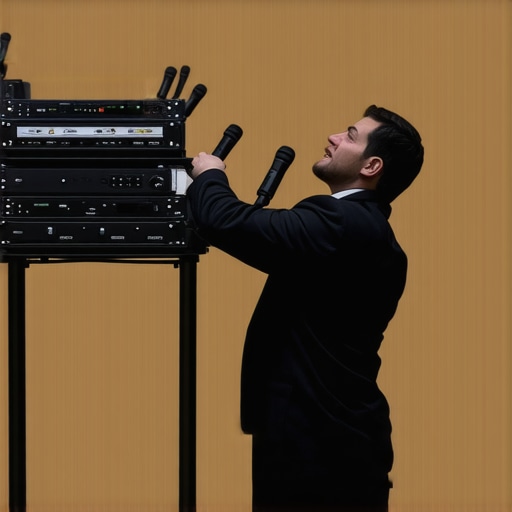 Another nuance I often see ignored is the hidden cost of only using preferred vendors at popular venues. Many venues have exclusive contracts with AV companies that haven’t updated their frequency-hopping hardware in years. Don’t be afraid to push back and bring in outside expertise if needed. For effective catering strategies for corporate event impressiveness, the technical execution must be as sharp as the kitchen service. I always tell my clients that you can spot 3 signs your event server is a pro within seconds of meeting them by how they interact with the technical landscape of the room. A true pro respects the cables and knows the signal paths. Furthermore, why your server lead needs a copy of the event script cannot be overstated. If your lead server doesn’t know when the keynote is going to go rogue and walk into the audience, you are going to have a literal collision between a tray of champagne and a high-profile guest. This is not just about how to staff a 200 person reception with only 12 professionals; it is about tactical coordination between the ears and the hands of the event. Have you ever fallen into this trap where the tech and service teams worked in total silos? Let me know in the comments below.To keep the momentum going from your technical setup to your service execution, you need a toolkit that doesn’t just work today, but survives the grind of a hundred galas. I’ve moved away from the ‘buy it once and forget it’ mentality because audio gear is more like a high-performance engine than a piece of furniture. If you want to achieve mastering corporate event planning secrets to seamless success, you have to treat your frequency management like your inventory. I personally swear by the Shure Wireless Workbench software. It’s a free tool, but most planners never touch it. I use it to coordinate every single wireless device in the room—mics, IEMs, even some lighting controllers—to ensure they aren’t stepping on each other’s toes. This level of detail is what separates a smooth evening from one plagued by static.
How do I keep my audio gear reliable for years?
Maintenance isn’t just about changing batteries; it’s about protecting the hardware from the environment of a busy venue. I always carry a can of DeoxIT Gold in my kit. It’s a specialized contact cleaner that I use on battery terminals and XLR pins every three months. Over time, sweat from speakers and humidity from the kitchen can cause microscopic oxidation that leads to those mysterious ‘crackles’ no one can explain. If you are applying wedding catering tips from industry experts, you know that cleanliness extends beyond the plates. I also keep a dedicated log of battery cycle counts. Modern lithium-ion packs for mics are incredible, but they have a lifespan. I retire any pack that hits 300 cycles to ensure we never have a mid-toast blackout. This proactive approach is essential when optimizing server efficiency to enhance event satisfaction, as it prevents technical delays from throwing off the kitchen’s timing. 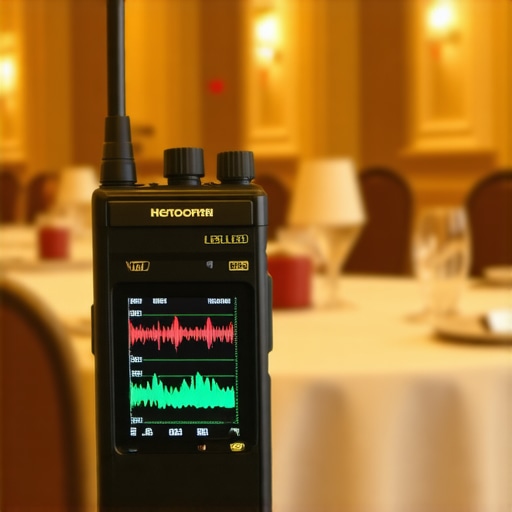 Looking ahead, I see the industry moving toward AI-driven frequency hopping and 5G-integrated audio systems that bypass the crowded UHF bands entirely. The future is ‘set it and forget it,’ but we aren’t quite there yet. For now, you need to be the master of your domain. According to the Audio Engineering Society’s Report on Wireless Microphone Best Practices (AES-R12), the most common failure point in high-density RF environments is not the transmitter, but the lack of ‘intermodulation distortion’ planning. Basically, if you just pick random channels, the mics will fight each other. This is why effective catering strategies for corporate event impressiveness must include a synchronized timeline between the AV booth and the floor manager. When you boost your corporate event with expert server techniques, ensure your lead knows that a technical glitch is a signal to slow down the next course. My advanced tip for you: next time you have a walkthrough, download a free RF analyzer app on your phone. Even a basic scan will show you which parts of the room are ‘radio-active’ so you can position your receivers for a clear line of sight. Don’t leave your event’s voice to chance.
Hard Truths from the Back of the Ballroom
After a decade in the trenches, I’ve realized that the safest choice is often the one that hasn’t been tested in a crowd of five hundred. One big lightbulb moment for me was accepting that audio quality isn’t just about the microphone—it’s about the density of the air between the speaker and the receiver. I’ve learned that keeping a redundant wired mic hidden in the podium is not a sign of lack of confidence, but the mark of a seasoned professional. Also, never trust a preferred vendor list blindly; verify their gear yourself to ensure your corporate event catering logistics include top-tier, modern hardware that can handle high-interference environments.
The Gear I Pack for Every High-Stakes Gala
If you want to move beyond guessing, start with Shure Wireless Workbench. It transforms your laptop into a command center for frequency coordination, ensuring your microphones aren’t fighting for space on the radio spectrum. I also never leave for a venue without a physical RF Explorer handheld scanner; it sees the invisible interference that standard phone apps might miss. For a deep dive into the technical science of sound, I always return to the Audio Engineering Society’s technical papers. These tools ensure your boost your corporate event with expert server techniques isn’t undermined by a sudden technical silence. #IMAGE_PLACE_HOLDER_E#
Take Control of Your Event Voice
Your event deserves to be heard without the clatter of a falling cable or the hiss of signal static. When you master these technical nuances, you aren’t just a planner; you’re a conductor managing a complex symphony of sound and service. By focusing on server skills that make every event stand out alongside your audio strategy, you create a seamless experience where the guests only notice the magic, never the mechanics. Have you ever had a technical glitch that actually taught you a valuable lesson for your next big gala? Let me know in the comments below.