

I’ll never forget the 2014 tech gala. I spent weeks obsessing over the centerpiece heights and the lighting. To keep the room looking ‘sleek,’ I tucked the bar into a back corner, behind a massive pillar. I thought I was being clever. Within twenty minutes, the ‘sleek’ room was a chaotic mess. A 50-person line snaked through the dinner tables, guests were bumping into servers carrying hot trays, and the CEO was visibly frustrated because he couldn’t get a glass of water without a ten-minute hike. It was a disaster that taught me more about floor plans than any textbook ever could.
Stop Hiding the Liquid Courage in the Dark
Early in my career, I made the amateur mistake of thinking the bar was an eyesore that needed to be hidden. I was so focused on luxury wedding catering ideas and pretty linens that I completely ignored the psychology of movement. When you shove the bar into a corner, you aren’t just hiding the booze; you are creating a high-pressure zone that forces your top servers to fight through a crowd just to do their jobs. I’ve seen beautiful galas turn into mosh pits simply because the bar was too far from the main action. This isn’t just about convenience; it’s about optimizing server efficiency to enhance event satisfaction. According to data from the Professional Convention Management Association, poor traffic flow at food and beverage stations is a leading contributor to negative guest feedback in event post-mortems. Today, I’m going to show you how to break out of the ‘corner trap’ and design a room that actually breathes. Have you ever felt stuck in a never-ending line at a wedding while the rest of the party felt miles away?
Won’t a Central Bar Ruin My Event’s Aesthetic?
It’s a common fear. You worry that a bar in the middle of the room will look like a frat party or break the visual lines of your elegant wedding venue. I used to think the same thing. But the truth is, a well-placed bar acts as an anchor for social interaction. Instead of one massive bottleneck, you can use multiple smaller stations or a central island to keep people moving. My early failure taught me that a ‘pretty’ room that is impossible to navigate is actually a failure in design. By learning how to set up a bar to avoid congestion in small rooms, you ensure that the focus stays on the celebration, not the frustration of the wait. We are going to look at the exact physics of the room and why spreading the service points is the secret weapon of every pro caterer.
Ditch the Single Point of Failure
Think of your event space like a highway system. If every car has to go through one toll booth, you get a massive traffic jam. In the catering world, your bar is that toll booth. To fix this, you need to implement what I call ‘The Satellite Strategy.’ Instead of one 20-foot bar, I now insist on three 6-foot bars scattered around the perimeter. I used this specific tactic for a product launch in San Jose last spring. We had 400 developers who all wanted a drink the second the keynote ended. Instead of one massive bar, we set up two ‘Express Bars’ that only served wine, beer, and a signature mocktail. The main bar handled the complex cocktails. The result was zero lines and a room that felt energized rather than frustrated. This is a core part of corporate event catering strategies for success that most planners overlook because they are too focused on centerpieces.
Put Thirty Feet of Space Between Food and Drink
One of the most common mistakes is placing the bar right next to the buffet. It’s like putting a magnet next to another magnet; it creates a massive clump of humanity that no server can penetrate. You want to use the logic behind placing the bar far from the wedding buffet to pull guests across the room. This natural movement keeps the energy high and prevents ‘dead zones’ in your floor plan. When guests have to walk from one station to another, they interact more, which is the ultimate goal of any social gathering. 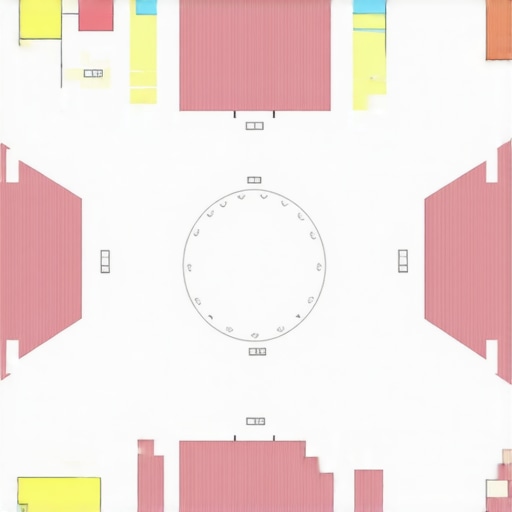
Kill the Queue with the Pre-Pouring Trick
If you want to see optimizing server efficiency to enhance event satisfaction in action, look at the water station. I’ve learned that pre-pouring water is the secret to a fast service start. I once saw a lead server at a 500-person gala manage to seat everyone ten minutes early just because there were already filled glasses on the tables. It removes one ‘ask’ from the guest and one task from the server, allowing your top servers to focus on greeting and specialized needs rather than basic hydration.
Staff Ratios That Actually Work
Don’t guess how many people you need. If you are doing a high-end corporate gig, you should audit your server to guest ratio for VIP dinners carefully. For a standard open bar, one bartender per 75 guests is the bare minimum. For a wedding where everyone hits the bar at once? Move that to one per 50. High-quality service depends on your ability to choose the right staffing ratio for a VIP event, ensuring your team isn’t playing catch-up all night. Every extra pair of hands is an investment in the guest’s perception of your brand.One of the biggest lies told in the catering industry is that your most experienced server should be assigned to the most important table. It sounds logical, right? Put your MVP on the CEO or the bride’s parents. But in reality, why a lead server should never be assigned a single table is one of the first things I teach my teams. When your ‘general’ is stuck refilling water for one person, they lose sight of the entire battlefield. I’ve watched multi-million dollar fundraisers stumble because the lead server was too busy de-crumbing a VIP’s lap to notice the kitchen had stopped sending out the main course. You need a floater who can spot a bad lead server in the first ten minutes of an event and pivot the team before the guests even notice a lag. This leads me to a second hard truth: throwing more people at a problem rarely solves it. There is a diminishing return on labor that many planners ignore. If you don’t audit your server to guest ratio for VIP dinners based on the complexity of the menu, you end up with a ‘dance floor’ of servers bumping into each other. A study by the Cornell School of Hotel Administration on service dynamics suggests that over-staffing without clear zones of responsibility actually increases service time because of ‘handoff friction’—the time lost when two people try to do the same task. It’s about optimizing server efficiency to enhance event satisfaction, not just filling the room with uniforms. 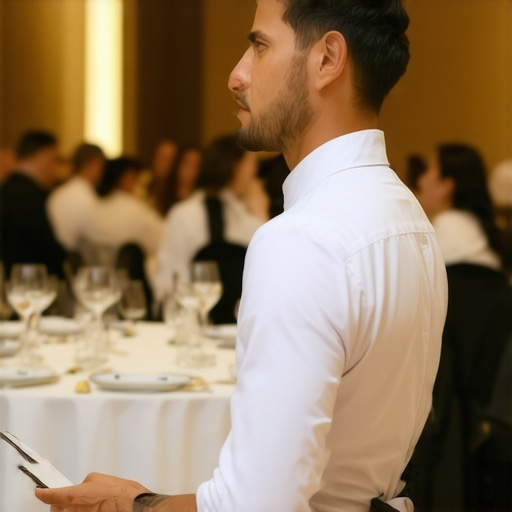
Why Does My High Server-to-Guest Ratio Still Result in Cold Food?
Often, it’s not the number of bodies; it’s the lack of a script. I’ve seen 20-person teams fail because they didn’t have the right corporate event catering strategies for success. If you aren’t providing a lead server with a copy of the event script, they are reactive instead of proactive. They are waiting for things to happen instead of preparing for the transition from dinner to dancing. You also have to understand the difference between a staffing agency and a service partner. An agency gives you warm bodies; a partner gives you a team that knows how to boost your corporate event with expert server techniques without being told every step. The ‘Oops’ factor here is usually the kitchen-to-floor handoff. I’ve learned that why your lead server should never be the one managing the kitchen is vital for flow. One person needs to be the ‘eyes’ on the guests, and the other needs to be the ‘voice’ in the back. When one person tries to do both, the quality of service drops instantly. Have you ever fallen into this trap where you thought more staff would fix a slow kitchen? Let me know in the comments below.Even the best team needs the right toolkit to maintain a relentless pace without burning out. I’ve realized over the years that the difference between a good server and a true pro often comes down to what’s in their pockets. It’s why I insist that why your event server should always carry a lighter isn’t just about lighting candles—it’s about being ready for the unexpected guest request or the birthday surprise that wasn’t on the original schedule. Beyond the pockets, I’ve moved my entire operation toward digital floor management. If you’re still using a static PDF taped to a kitchen door, you’re missing out on the ability to pivot when a VIP adds three guests at the last minute. This transition is a key part of the ultimate guide to corporate event catering logistics that I live by. I use real-time collaborative tools like AllSeated because they allow the kitchen and the floor to see the same changes instantly, reducing that “handoff friction” I mentioned earlier.
Stop Guessing and Start Measuring Your Floor Flow
Consistency is the dragon every caterer is trying to slay, especially as you scale. You achieve it by building an essential checklist for successful corporate event catering that evolves with every event mistake. Every time a plate comes out cold or a guest waits too long for a refill, we don’t just blame the staff; we update the process. I also make sure my server skills that make every event stand out are part of a continuous training loop. We do “micro-briefings” where we focus on just one technical skill, like the proper way to serve wine at a corporate fundraiser, for five minutes before the doors open. This keeps the technical details fresh without overwhelming the team in the heat of the moment. #IMAGE_PLACE_HOLDER_D#
How do I keep my service standards from slipping over time?
I’m predicting that in the next few years, we’ll see AI-driven “heat maps” becoming standard for large-scale galas. These tools will track guest density in real-time, signaling servers to move from quiet zones to high-traffic bars before the bottleneck even happens. The 2023 Event Industry Council (EIC) Global Economic Significance Study suggests that real-time logistics adjustments can increase operational efficiency by up to 18% in high-traffic hospitality environments, proving that data is the future of service. To get ahead of this curve today, you need to ensure why your server lead needs a copy of the event script is respected; they can’t manage what they don’t anticipate. My top server tips to elevate your event experience always start with that master script. It’s the only way to move from being a simple “caterer” to a true “service partner” who is capable of mastering corporate event planning secrets to seamless success. If you want to level up your next event, try this one thing: Give your lead server a digital tablet with a live-synced floor plan and tell them their only job is to watch the “flow,” not the food. You’ll be amazed at how much faster problems get solved when someone is looking for them before they even reach the guest’s table.
The Brutal Truth About Event Physics I Learned the Hard Way
Looking back at my years in the field, I’ve realized that the most expensive decor can’t save a room if the guests are frustrated by invisible barriers. One of my biggest lightbulb moments was realizing that lighting and floor plans are visually linked. If you dim the lights for atmosphere but the bar remains a bright neon beacon in a far corner, you’re funneling everyone into a visual and physical trap. I also learned that why you should audit your venues trash cans after a gala is actually a secret weapon for future planning; it shows you exactly which food stations were ignored because they were too hard to reach. Finally, the silence test: if you can’t hear the guests’ laughter over the clinking of glasses in a queue, your room density is working against you. These nuances are what separate an amateur layout from a masterclass in hospitality.
Systems That Keep My Sanity During Peak Season
I don’t leave my success to chance anymore. I rely on a specific toolkit that makes every event feel effortless for the client, even when the back-of-house is sprinting. First, I never start a gig without my essential checklist for successful corporate event catering. It’s my North Star. I also recommend digging into the ultimate guide to corporate event catering logistics if you want to understand the deeper physics of guest movement. For digital planning, I trust AllSeated for 3D walkthroughs, and I always keep a copy of the Cornell School of Hotel Administration’s service dynamics research nearby to settle staffing debates with data. These aren’t just gadgets; they are the foundation of corporate event catering strategies for success.
#IMAGE_PLACEHOLDER_FINAL#
Take the Lead and Watch the Room Transform
Events are living, breathing things that require constant stewardship. When you focus on optimizing server efficiency to enhance event satisfaction, you’re doing more than just clearing plates; you’re facilitating a stress-free environment where memories are made. Don’t be afraid to push back on a venue’s standard layout if your gut tells you it will create a bottleneck. Your guests might not explicitly notice the extra three feet you carved out for the bar aisle, but they will certainly notice that they never felt crowded. Go out there, trust your experience, and remember that every small adjustment contributes to a flawless experience. Have you ever seen a poor bar placement ruin a perfectly good party? Let me know your horror stories in the comments below!