

I’ll never forget the ‘Shrimp Tail Shiver.’ It was a black-tie gala, the kind where everyone looks like they stepped out of a magazine, and I was holding a cold, damp shrimp tail after a server whisked by with a tray of appetizers. I looked for a trash can. None. I looked for a waiter. Gone. I eventually tucked that tail into a decorative fern when I thought no one was looking. I still feel guilty about it. That moment was a massive realization for me: we spend thousands on unforgettable wedding catering ideas for a magical celebration, but we often forget the most basic human need—a place to put the garbage. Today, I’m going to show you why a designated discard station isn’t just an ‘extra’ or an afterthought; it is the secret to a graceful event. Have you ever found yourself clutching a used toothpick for dear life at a wedding, praying for a stray napkin? It’s a social nightmare we can easily avoid.
Stop Forcing Your Guests to Hide Trash in the Plants
When I first started out in the catering world, I made a massive mistake. I was so obsessed with the ‘perfect bite’ that I completely ignored the ‘after-bite.’ I once hosted a corporate mixer where I served beautiful chicken satay with a spicy peanut sauce. Three days later, the office manager called me because they found a dozen wooden skewers tucked behind the books on the conference room shelves. It was mortifying. I realized then that optimizing server efficiency to enhance event satisfaction means thinking through the entire lifecycle of an appetizer, from the tray to the trash. If you don’t provide a visible, stylish spot for those toothpicks, olive pits, and shrimp tails, your guests will find their own—and you won’t like their choices. Whether you are looking at wedding catering trends to impress guests in 2025 or a simple office lunch, the ‘discard dilemma’ is real and messy.
Is a discard station just a fancy way of saying ‘trash can’?
Skeptics often tell me that putting a ‘discard bowl’ on a tray or a table ruins the aesthetic. They think it looks cluttered. But you know what looks worse? A guest holding a used napkin with a look of pure panic because their hands are full. Professional server skills that make every event stand out include the art of the ‘invisible swap’—clearing the trash the moment the guest takes a new treat. According to a study by the Cornell University School of Hotel Administration, the presence of visible, convenient disposal options in a buffet or cocktail setting significantly reduces guest anxiety and increases the time they spend socializing. When you consider why small bites are better for high-stakes networking, you have to realize that those high stakes require two free hands for shaking and gesturing. No one can seal a deal while palming a greasy rib bone. By integrating a discard station, you aren’t just managing waste; you are managing the flow and comfort of your entire room.
Map Out Your Venue Like a Strategic Battleground
To master the flow of your event, you have to think like a guest who has just finished a bite of satay and is now desperately searching for a place to put their skewer. Successful corporate event catering logistics are built on the ‘Three-Step Rule.’ A guest should never have to take more than three steps from where they ate to find a place to discard. If they have to walk across the room, the skewer goes in the planter. I always begin by identifying the natural ‘choke points’—usually near the bar or at the entrance of a transition space. When you set up a bar to avoid congestion, you must include a discrete discard zone right at the end of the line. This prevents the ‘hovering’ guest—the person who stands at the bar finishing their drink just so they can leave the glass on the counter.
Identify High-Traffic Drop Zones Before the Party Starts
Look at your floor plan through the lens of gravity. Where will trash naturally land? High-top tables are the most dangerous areas because they invite people to linger. Every third high-top table should have a dedicated, stylish vessel for small trash. This is where innovative catering ideas for modern weddings can actually be functional. Instead of a plastic bin, use a polished silver champagne bucket filled with a bit of sand (for toothpicks) or a heavy glass bowl. I once managed a 500-person gala where I forgot to place a vessel near the stage. During the CEO’s speech, twenty people ended up lining their empty champagne flutes along the edge of the stage like a glass picket fence. It was a visual disaster that could have been solved with a single table and a tray at the back of the room. 
Turn Your Trash Bins Into Design Statements
The biggest mistake is trying to hide the trash so well that guests can’t find it. I call this the ‘Invisibility Paradox.’ If it’s too hidden, it doesn’t exist. My trick is to integrate the discard station into the decor. If you are using a rustic theme, a small galvanized bucket with a sprig of rosemary tucked inside looks like a choice, not a chore. This is why high quality napkins matter for guest perception; if they are discarding a luxury linen-feel napkin into a beautiful stoneware bowl, the experience feels elevated even in its disposal. I remember a wedding where we used hollowed-out vintage suitcases to collect used items. It fit the travel theme perfectly, and not a single guest had to awkwardly ‘pocket’ their olive pit.
Master the Art of the Invisible Swap
Even with the best stations, you need the human element. The ‘Invisible Swap’ is a technique where a server approaches a guest with a fresh tray of appetizers while simultaneously palming a small, napkin-lined tray for waste. It requires expert server techniques to pull this off without making the guest feel like they are being rushed. The server should approach from the right, offer the new treat, and simply tilt their small waste tray toward the guest’s used skewer. It’s silent, efficient, and keeps the guest’s hands free for networking or dancing. This level of service is what separates a standard caterer from a luxury partner. You aren’t just feeding people; you are maintaining the pristine environment they expect. This requires a specific server-to-guest ratio that allows for constant ‘scouting’ missions throughout the floor.
Stop Hiding Your Bar in the Back Corner
Many planners believe the bar is an eyesore that should be tucked into a dark corner to keep the focus on the floral arrangements. In my experience, this is the quickest way to kill the energy of a room. When you fall for the common mistake of placing the bar in a back corner, you create a massive bottleneck that ripples through the entire floor. Guests shouldn’t have to go on a quest to find a drink. Instead, the bar should be a focal point that aids the flow. If you are working with a tight space, you need to know how to set up a bar to avoid congestion by creating multiple points of service. I once saw a gorgeous gala devolve into a chaotic huddle because 200 people were trying to reach a single bar tucked behind a structural pillar. It didn’t matter that the food was five-star; the guests left remembering the twenty-minute wait for a gin and tonic. 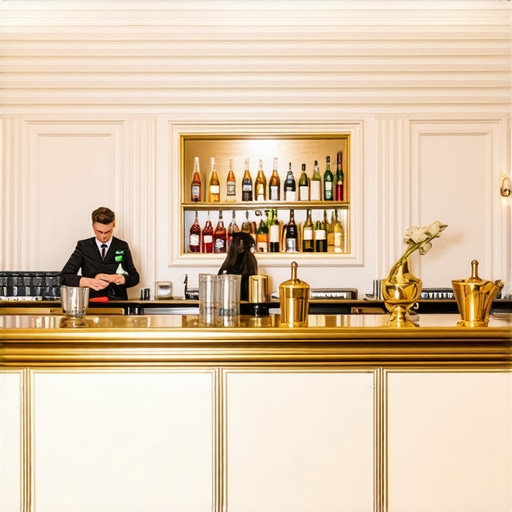
Why Does Your Lead Server Need to Be ‘Unemployed’ During Dinner?
This is the most controversial advice I give, but it is the hallmark of elite service: your best person should be doing the ‘least’ amount of physical labor. Most clients think they are being efficient by assigning their most experienced staffer to the most important table. However, why a lead server should never be assigned a single table is a matter of strategic oversight. If your lead is busy pouring water for the CEO, they can’t see that Table 12 is missing their vegetarian entree or that a wine glass just shattered near the dance floor. This ‘Ghost Lead’ strategy ensures that someone is always scanning for the ‘oops’ factors before they become disasters. When you choose the right staffing ratio for a VIP event, you must budget for this non-working supervisor. A study published in the International Journal of Hospitality Management indicates that spatial configuration and active oversight directly impact the perceived value of service; when guests feel the staff is ‘reactive’ rather than ‘proactive,’ their overall satisfaction scores drop by nearly 40 percent.
The Trap of the VIP Table Assignment
The biggest ‘oops’ factor I see in high-end events is the ‘VIP Vacuum.’ This happens when the best servers are pulled away to cater exclusively to the head table, leaving the rest of the room to fend for themselves. This creates a visible disparity in service that guests notice immediately. To maintain an elite atmosphere, you should utilize effective catering strategies for corporate event impressiveness that treat the entire room as a single organism. This requires you to audit your server to guest ratio for VIP dinners to ensure that ‘average’ tables receive the same silent, efficient service as the dignitaries. Have you ever fallen into the trap of prioritizing one table so much that the rest of the party felt ignored? Let me know in the comments. By focusing on mastering corporate event planning secrets to seamless success, you transition from a simple party host to a conductor of a high-performance hospitality machine. Don’t just hire bodies; hire a strategy. This is how you ensure that the only thing your guests are talking about the next day is the food and the conversation, not the logistical hiccups.
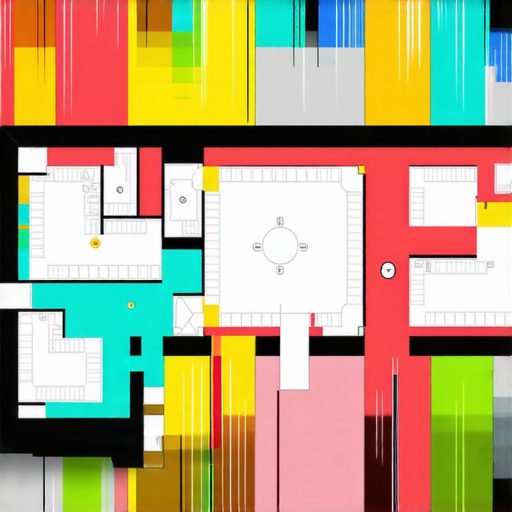
Keeping a high-stakes event running is like trying to keep a jet engine tuned while it is in mid-air. You cannot just rely on memory; you need an Event Bible that breathes. I personally moved away from printed checklists years ago because they are static and, frankly, they end up covered in vinaigrette by 9 PM. Now, I use live-syncing documents where every change—from a last-minute gluten allergy at Table 4 to a delayed keynote—is updated in real-time. This is why your server lead needs a copy of the event script that is not just a piece of paper, but a digital heartbeat. When you are mastering corporate event planning secrets to seamless success, you realize that the gap between a good event and a legendary one is about 120 seconds of communication lag. To eliminate this, I rely heavily on digital floor-mapping tools. These allow me to visualize the room before a single chair is placed, ensuring my essential checklist for successful corporate event catering is physically achievable in the space provided.
Put the Pen Down and Sync Your Staff Digitally
I use software that allows me to drop pins on a digital map for things like discard stations and bar bottlenecks. This tool is my eyes and ears. If I see a congestion point on the screen, I can redirect a server via a quick notification before the guest even notices the crowd. This is the ultimate level of effective catering strategies for corporate event impressiveness. By using tools like Social Tables or even a highly customized Slack channel, I ensure that my lead server is never hunting for me to ask a question. The answer is always in their hand. Bill Hansen, a legend in the luxury catering industry and author of Off-Premise Catering Management, notes that the key to scaling excellence is not just better food, but repeatable systems of oversight that treat every event like a military operation. I live by this. Without a central digital ‘brain,’ you are just guessing, and in high-end catering, guessing is the fastest way to lose a client.
How can I keep these standards high for every single event?
Maintenance of these standards requires a post-event autopsy. We do not just pack up and go home. Every event ends with a 10-minute huddle where we identify the ‘near misses.’ Did a trash station fill up too fast? Did a server struggle with the ‘Invisible Swap’? We record these in our digital log to ensure they never happen again. This long-term data collection is how you scale from doing one wedding a month to three corporate galas a week without losing your mind or your reputation. It is about optimizing server efficiency to enhance event satisfaction by treating every mistake as a data point for future success.
The Day Your Kitchen Starts Predicting the Future
Looking ahead, I predict we are moving toward ‘Predictive Hospitality.’ Within the next few years, I expect to see AI-driven heat maps in venues that alert staff to trash buildup or low water carafes before a human eye ever spots them. We are already seeing the beginning of this with smart-scale technology for kegs and bottles. For now, the most advanced thing you can do is to stop being reactive. Take my advice: for your next event, implement a 15-minute ‘Live Script Audit’ with your lead server two hours before doors open. Walk the floor with the digital script in hand and visualize the guest journey. This simple act of digital-physical alignment will put you lightyears ahead of the competition. If you want to see how we handle these high-pressure logistics first-hand, feel free to contact us and let us help you plan your next seamless experience.
The Most Humbling Lessons from a Decade of Buffet Disasters
If there is one thing I have learned after years of managing high-stakes galas, it is that your ego is your biggest enemy. I used to think that a beautiful floral arrangement could distract from a lack of trash bins; I was wrong. Guests remember how you made them feel, and they feel stressed when they are carrying garbage. This is where top server tips to elevate your event experience become vital; the staff must be trained to see the ‘invisible’ needs of the guest before the guest even realizes they have them. My biggest lightbulb moment happened when I stopped looking at a floor plan as a map of tables and started looking at it as a map of human impulses. People move toward light, they hover near exits, and they dump trash in the first dark corner they see. By acknowledging these instincts rather than fighting them, you create a truly seamless atmosphere.
The Specialized Gear I Never Walk Into a Venue Without
I don’t rely on luck anymore; I rely on a specific toolkit that ensures I am never caught off guard. First, I always have a digital floor-mapping app that allows me to adjust the flow in real-time if a certain area gets too crowded. Second, I swear by a shared digital communications channel where my team can alert me the second a discard station hits 75% capacity. This is a core part of why every event needs a designated clean-up crew that operates independently of the food service. Finally, I highly recommend Bill Hansen’s Off-Premise Catering Management as the gold standard for understanding the physics of moving people through a meal without a single bottleneck. These tools transform a stressful night into a choreographed performance.
#IMAGE_PLACEHOLDER_E#
Build a Legacy of Perfect Hospitality
At the end of the night, when the last candle is blown out and the linens are bundled away, your success isn’t measured by the menu alone. It is measured by the silence—the lack of complaints, the lack of confusion, and the lack of discarded toothpicks in the planters. By mastering corporate event planning secrets to seamless success, you are giving your guests the greatest gift possible: the ability to be fully present in the moment. When the logistics are handled with this level of intentionality, the event stops being just a party and starts being an experience. Go forth and plan with confidence, knowing that the smallest details are often the ones that carry the most weight. What is the weirdest place you have ever found an appetizer skewer or a used napkin after an event? Let me know in the comments below!