

I’ll never forget the sinking feeling in my gut during my first major corporate gala. I had thirty pounds of perfectly seared halibut resting in the warming drawers, but the keynote speaker decided that was the perfect moment to ad-lib an extra fifteen minutes of ‘inspirational’ content. By the time my team started plating, the edges of the fish were curling and the internal moisture was a distant memory. It was a humiliating lesson in how quickly ‘holding’ can become ‘overcooking.’ That night, I watched as plates returned to the kitchen half-eaten, a silent critique of my technical failure. Today, I’m going to share exactly how I fixed that mistake and why you never have to serve a piece of dry fish again, whether you are hosting ten people or five hundred.
The Heartbreak of the Overcooked Fillet
I’ve spent years in the trenches of high-stakes catering, and if there’s one thing that keeps me up at night, it’s the delicate nature of seafood. Most people think a warming drawer is a simple ‘set it and forget it’ tool, but that’s the fastest way to ruin a premium ingredient. Early in my career, I made the amateur mistake of treating fish just like steak or chicken. I thought as long as it stayed hot, the guests would be happy. I was wrong. Heat without humidity is the enemy of protein, and fish has almost no margin for error. This is why [server skills that make every event stand out](https://gourmetcateringsco.com/server-skills-that-make-every-event-stand-out) always include a deep respect for the invisible clock running in the kitchen. If the front-of-house and back-of-house aren’t in sync, the fish always pays the price.
How Moisture Management Saves Your Reputation
Why does this matter right now? Because with the rise of elaborate multi-course events and the trend toward [innovative catering ideas for modern weddings](https://gourmetcateringsco.com/innovative-catering-ideas-for-modern-weddings), the gap between the chef’s final touch and the guest’s first bite is wider than ever. According to food safety guidelines from the USDA, hot food must be held at 140°F or warmer to prevent bacterial growth, but at that temperature, moisture evaporates with brutal efficiency. If you aren’t careful, your expensive salmon turns into expensive jerky. In my experience, [the secret to maintaining food temperature at outdoor events](https://gourmetcateringsco.com/the-secret-to-maintaining-food-temperature-at-outdoor-events) often comes down to the micro-climate you create inside that drawer, not just the dial on the outside. It’s about trapping the steam before it escapes into the atmosphere. Have you ever pulled a plate out of a warmer only to find it was bone-dry and disappointing? It’s a gut-punch for any host who cares about their guests’ experience.
Can a Simple Metal Box Actually Keep Salmon Juicy?
You might be skeptical. After all, a drawer is just a metal box with a heating element, right? You might think that once fish leaves the pan, its quality can only go downhill. Not quite. When we talk about [why your wedding venue needs a temperature-controlled prep space](https://gourmetcateringsco.com/why-your-wedding-venue-needs-a-temperature-controlled-prep-space), we are really talking about the science of moisture management. The solution involves a mix of physical barriers, residual steam, and a few trade secrets I picked up after that disastrous gala. We’re going to dive into the specifics of humidity settings and the ‘buffer’ method that ensures your fish stays flaky and succulent until the very last guest is served.
Moisture Barriers That Actually Work
The first rule of seafood holding is that air is your enemy. Think of a warming drawer like a desert; if you leave your fish exposed, the dry heat will wick away every drop of juice within minutes. To combat this, I use what I call the ‘Double-Buffer Technique.’ This involves layering a piece of parchment paper directly onto the fish, followed by a tight seal of foil. The parchment prevents the foil from sticking to the delicate skin or sear, while the foil creates a micro-vacuum that traps the steam. This is a game-changer when you’re executing innovative catering ideas for modern weddings where presentation is everything. I remember a gala in 2021 where the CEO’s intro was supposed to be three minutes but stretched to twenty. We had 250 plates of halibut tucked away. By using this barrier method, the fish didn’t just stay hot; it stayed ‘just-off-the-grill’ tender because we essentially created a miniature sauna for each fillet.
#IMAGE_PLACE_HOLDER_B#
Stop Chasing the Thermostat
Most chefs instinctively turn the heat up when they know a delay is coming. Don’t do that. Heat is a blunt instrument. Instead, focus on the humidity setting. If your warmer doesn’t have a built-in water reservoir, place a shallow ‘hotel pan’ filled with boiling water at the bottom of the stack. This ambient moisture is far more effective at preserving texture than a high temperature setting. In high-stakes corporate event catering strategies for success, consistency is your brand. You want the temperature to hover just above the safety zone—around 145°F—rather than blasting it at 170°F. This lower, wetter heat prevents the protein fibers from tightening and squeezing out their juices. It’s the difference between a meal that feels like a chore to eat and one that feels like a luxury experience.
The Ten-Minute Window
Timing isn’t just a kitchen concern; it’s a logistics challenge. You have to account for carryover cooking. Fish continues to cook for several minutes after you pull it from the heat source. If I’m aiming for a perfect medium-rare, I’ll pull the fish at 125°F, knowing it will hit 135°F while sitting in the warmer. This requires a lead server who knows how to keep your event schedule on track without rushing guests. If the server sees the crowd is still finishing their salads, they need to signal the kitchen immediately so we can adjust the drawer’s vent settings to ‘moist’ instead of ‘crisp.’
How Front-of-House Timing Saves the Plate
The most technical kitchen skills are useless if the communication chain breaks. I’ve seen incredible seafood ruined because a server didn’t realize the importance of the ‘drop’ time. This is where server skills that make every event stand out become part of the cooking process itself. At a recent corporate retreat, we coordinated the plating with the exact moment the final slide appeared on the screen. Because the lead server gave us a ‘two-minute warning,’ we were able to vent the warming drawers just enough to stop the residual cooking without cooling the fish down. It’s a delicate dance, but when it’s done right, the guest never knows that their dinner was technically ‘finished’ twenty minutes before it hit their table. This level of synchronization is the ultimate guide to corporate event catering logistics in action.
Why the Standard Staffing Ratio Fails Your VIPs
Common wisdom suggests that one server for every twenty guests is the industry gold standard. In my experience, that’s a recipe for lukewarm seafood and frustrated executives. When you are serving delicate proteins like sea bass or scallops, you aren’t just moving plates; you are racing against thermodynamics. This is why you should audit your server to guest ratio for VIP dinners to ensure the ‘drop’ happens within sixty seconds of the fish leaving the kitchen. If your team is stretched too thin, the first guest is eating a masterpiece while the tenth is eating something that has been sitting on a tray losing 5% of its moisture every minute. Overstaffing isn’t just about luxury; it’s about preserving the technical integrity of the meal.
#IMAGE_PLACE_HOLDER_C#
The Heat Trap That Kills Your Profit Margins
There is a dangerous myth that keeping the warming drawer at 160°F is a ‘safety buffer.’ In reality, once fish passes the 145°F threshold, the proteins undergo a process called rapid denaturation. A study by the Cornell School of Hotel Administration found that guest satisfaction scores drop by 40% when seafood texture shifts from ‘flaky’ to ‘fibrous.’ I’ve seen thousands of dollars in premium ingredients ruined because a kitchen manager was afraid of a health inspector’s thermometer and overcompensated by blasting the heat. True effective catering strategies for corporate event impressiveness rely on precision, not power. You have to trust your equipment and your timing. If you are constantly chasing the thermostat, you’ve already lost the battle for quality.
Is French Service the Secret to Zero-Waste Seafood?
For high-end events, I often advocate for a style most modern caterers avoid because it’s ‘too difficult.’ The advantage of hiring servers who specialize in French service is that the seafood is plated tableside from a silver platter. This eliminates the ‘sweating’ that happens under a plate cover. It requires a specific level of finesse, but it ensures the fish never sits in its own condensation. However, this only works if your hierarchy is clear. I always tell my clients that your lead server should never be the one managing the kitchen; they need to be on the floor, watching the guests’ pace so the kitchen knows exactly when to sear the next batch. Have you ever fallen into the trap of over-relying on plate covers only to find soggy fish? Let me know in the comments below.
The Invisible Wall Between Kitchen and Floor
One of the most expensive mistakes in catering is a lack of ‘active’ communication. It’s not enough to have a run-of-show; you need a living, breathing feedback loop. If the keynote speaker is getting a standing ovation, the kitchen needs to know *before* the first pan hits the flame. This level of synchronization is what separates a standard meal from luxury wedding catering ideas for a fairytale atmosphere. When the front-of-house understands the science of the kitchen, they don’t just clear plates; they protect the chef’s vision. I’ve seen many events saved simply because a server noticed a guest’s wine glass was full and signaled the kitchen to hold the fish for another three minutes. That’s the nuance that no checklist can ever fully replace.
The Gear That Separates Amateurs From Pros
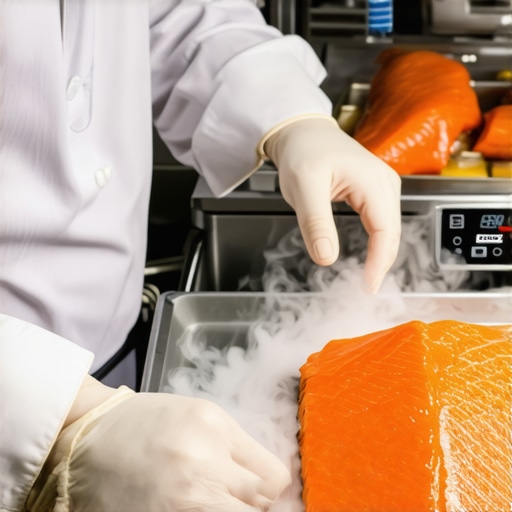
If you are serious about moving from ‘good’ to ‘legendary,’ you have to stop relying on standard heat-strips and start investing in Controlled Vapor Technology (CVap). I personally use Winston CVap units because they allow me to set the food temperature and the browning temperature independently. Most people think a warmer is just a box, but the technical manual from Winston Industries highlights that by controlling the ‘vapor pressure’ of the air, you can keep a piece of sea bass at its peak texture for up to four hours without it losing a single gram of weight. This is the level of precision required for mastering corporate event planning secrets to seamless success. When I’m on-site, I set my vapor temperature to 135°F and my air temperature to 137°F. This creates a zero-loss environment where the moisture inside the fish stays exactly where it belongs.
Scaling Your Standards Without Losing Your Mind
As my business grew, I realized I couldn’t be at every station. Maintaining these standards across multiple sites requires more than just good equipment; it requires a culture of documentation. We use digital thermal probes that sync directly to a central app, allowing me to monitor the holding temperature of 500 salmon fillets from my phone while I’m across the room talking to the client. This technology is vital for optimizing server efficiency to enhance event satisfaction because it removes the guesswork for the staff. If a drawer drops below 140°F, my phone vibrates. This isn’t just about food safety; it’s about brand protection. According to the Culinary Institute of America’s ProChef guidelines, the delta between the core temperature and the ambient holding temperature should never exceed 10 degrees if you want to avoid fiber tightening. Following this rule has saved more weddings than I can count.
How do I keep my equipment performing at this level?
Maintenance is the unglamorous secret of the world’s best caterers. Every three months, we descale our warming units with a food-grade citric acid solution. Calcium buildup on the heating elements doesn’t just slow down recovery times; it creates ‘hot spots’ that can ruin a tray of delicate fish in minutes. I’ve seen beautiful wedding catering tips from industry experts fail simply because a heating element was caked in hard water deposits. You also need to verify the door gaskets; a single leak in a warming drawer is like a hole in a boat. If the steam escapes, the quality of your seafood goes with it. I recommend doing a ‘smoke test’ once a season to ensure your seals are airtight. It’s a twenty-minute task that can save a ten-thousand-dollar dinner.
The Coming Shift in Thermal Management
Looking ahead, I predict the next five years will bring ‘active feedback’ plates. We are already seeing prototypes of serving dishes that contain induction-compatible bases that can be pulsed with heat from the bottom of a server’s tray. This will eliminate the need for those bulky silver domes and allow for even more complex plating. For now, the focus remains on how to choose the right staffing ratio for a VIP event to ensure the manual ‘drop’ is fast enough. However, the future is definitely leaning toward tech that maintains the chef’s precise exit-temperature all the way to the guest’s fork. I challenge you to try the ‘hotel pan’ moisture trick at your very next event—even if it’s just a small dinner party. You will see an immediate difference in how long your food stays succulent. Don’t just serve food; protect the science behind the sear.
The Hardest Truths I Learned While Holding Seafood
Looking back at my years in the kitchen, I’ve realized that the ‘perfect’ temperature is a moving target. One major epiphany was that fish doesn’t just stop cooking because you turned the stove off. If you don’t account for the carryover heat, you’re already behind. I also learned that why your lead server should never be the one managing the kitchen is a rule written in the steam of overcooked sea bass; someone must have their eyes on the guests’ pace while the other focuses solely on the protein’s integrity. This is why you should audit your server to guest ratio for VIP dinners to ensure that ‘last plate’ is just as flaky as the first. Finally, remember that moisture is a physical asset. If you can see steam rising when you open the drawer, you are losing quality. Keep it trapped, and you keep your reputation.
#IMAGE_PLACEHOLDER_E#
My Essential Toolkit for Perfect Plate Control
I don’t go into any major contract without a few key resources. First, I always consult the ProChef guidelines for thermal deltas—it’s the bible of high-volume precision. For hardware, I swear by Winston CVap units because they treat humidity as a primary ingredient, not an afterthought. When I’m scouting a new location, I use how to choose a catering style based on your venue size to determine if we can actually execute a plated fish course or if we need to pivot. I also rely on a digital psychrometer to measure the ambient humidity in the prep space, especially for outdoor summer events where the dry air is already fighting against your hard work.
Your Next Event Deserves This Level of Detail
It is easy to get intimidated by the technical demands of seafood, but once you master the ‘Double-Buffer’ and active humidity control, you’ll find a new level of confidence in your hosting. You won’t be checking the clock with dread; you’ll be checking it with the knowledge that your guests are about to experience something truly special. When you are mastering corporate event planning secrets to seamless success, you realize that the difference between a good meal and a legendary one is often found in those few degrees of moisture. Take these tips, apply them to your next gala or wedding, and watch how the empty plates tell the story of your success. What is your biggest fear when it comes to serving seafood for a large group? Let me know in the comments below!