

I stood there, sweat prickling my neck, watching a fifty-thousand-dollar event die a slow death. The ballroom was stunning, the lighting was perfect, but nobody was talking. Everyone was anchored to their assigned seats like they were glued there. I had made the classic rookie mistake of prioritizing symmetry over social dynamics, filling the room with massive rounds that acted like islands in an ocean of silence. It took that one painful, silent evening to realize that if you want people to talk, you have to make it physically impossible for them to hide. We are going to flip the script on your next event. Today, I am sharing exactly how to engineer a floor plan that forces interaction without making it feel forced. We will tackle the flow of the room, where to hide the bar to actually help movement, and why why round tables kill the energy at corporate networking mixers.
Forget the Formal Seating Charts
If you want a high-energy vibe, you need to stop thinking about where people will sit and start thinking about where they will stand. My biggest early mistake was thinking ‘comfort’ meant ‘chairs.’ In reality, comfort at a networking event means feeling like you can enter and exit a conversation without making a scene. When you cluster heavy furniture, you create barriers. I now swear by a mix of high-top bistro tables and lean-to ledges. By following the ultimate guide to corporate event catering logistics, you can ensure that your food stations are positioned to pull people through the room rather than letting them congregate in one corner. Have you ever walked into a room and felt like you were back in a high school cafeteria? Drop a comment and tell me about your worst networking layout nightmare!
Will guests actually stand for two hours?
It is the biggest fear every planner has, but the data says otherwise. According to the Journal of Environmental Psychology, the physical arrangement of a space can increase the frequency of unplanned interactions by up to thirty percent when traditional seating is removed. You are not being ‘mean’ by limiting chairs; you are being a facilitator. To make this work, you need a rock-solid essential checklist for successful corporate event catering to ensure the service matches the faster pace of a standing room. When people are mobile, they are approachable. That is the secret sauce. You also need to consider your personnel; corporate event catering strategies for success often hinge on how well your team can navigate a standing crowd. Setting up the room is only half the battle; the other half is ensuring the service doesn’t create its own traffic jams. [image_placeholder]
Stop Hiding the Bar in the Corner
The bar is the campfire of any modern event. If you tuck it into a far corner, you are effectively creating a dead-end street. I once planned a tech mixer in a long, narrow gallery and tucked the bar at the very back to ‘save floor space.’ It was a disaster. I created a human logjam so thick that the guest of honor couldn’t even reach the podium. Now, I treat the bar as a pivot point. By avoiding the common mistake of placing the bar in a back corner, you force guests to navigate through the heart of the room to refresh their drinks. This increases ‘accidental’ collisions—the very essence of networking. Think of your bar like a lighthouse; it should pull people out of the shadows and into the active zones, but remember that why your ballroom floor plan needs a three-foot safety buffer around these high-traffic areas to keep things from getting claustrophobic.
Turn Your Buffet into a Trail of Breadcrumbs
Instead of one massive, intimidating table that looks like a fortress, break the food service into micro-stations. Put the savory bites on one side, a grazing board in the middle, and the craft cocktails on the far end. This mimics the ‘grocery store’ layout strategy where the essentials are spread out to ensure you see everything on the shelves. When people are forced to move, they are forced to talk. You can further boost your corporate event with expert server techniques by having roaming staff fill the physical gaps between these stations. This prevents ‘station huddling’ where guests park themselves in front of the shrimp cocktail for forty minutes and never meet a soul.
Deploy Servers as Social Lubricants
Your staff are more than just plate-carriers; they are the oil in the social machine. A server who just stands by a wall is a barrier. A server who moves with purpose is a guide. I tell my teams that their secondary job is to look for the ‘islands’—those guests standing alone looking at their phones. When you know how to spot a professional server in an interview, you look for people who naturally engage. A pro will offer a napkin and a quick, ‘Have you tried the wagyu?’ to break the ice for a guest who looks lost. This is one of the top server tips to elevate your event experience because it provides an easy exit or entry point for a conversation. 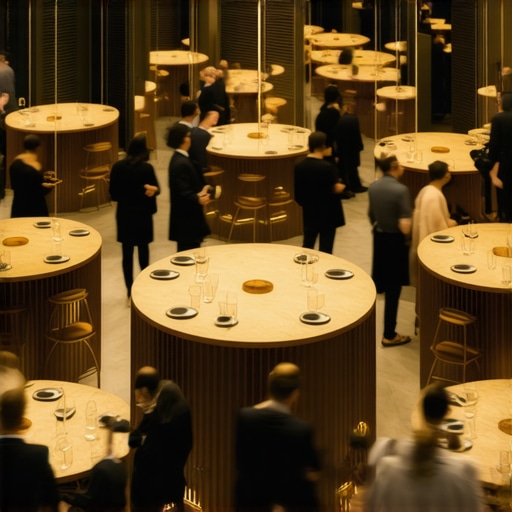
Keep the Momentum High with Pre-Service Prep
Efficiency is the silent partner of a good floor plan. If your servers are bogged down by basic tasks, they can’t focus on the guests. For instance, why pre-pouring water is the secret to a fast service start cannot be overstated; it clears the ‘maintenance’ work early so the team can focus on circulating. This keeps the energy focused on the guests rather than the logistics.
Kill the Shadows to Keep the Conversation Alive
Humans are like moths. If a corner is dark, we instinctively avoid it. If a corner is too bright, we feel exposed and awkward. You must how to use lighting to guide guests through a venue by creating ‘warm pools’ of light over your high-top bistro tables. This signals to the brain that a specific spot is a safe, social zone. It is an old trick from high-end retail, and it works flawlessly in a ballroom. If you want a specific group to stay mobile, keep the overheads dim but use sharp pin-lights on the interactive food stations. It creates a natural, invisible path that guests will follow without ever feeling like they are being herded like cattle.
Stop Believing the ‘More Staff is Better’ Myth
Let us peel back the curtain on a common industry lie: the idea that a higher staff-to-guest ratio automatically guarantees a better experience. In my twenty years of planning, I have seen 1:10 ratios that felt like a chaotic mess and 1:20 ratios that felt like a symphony. The problem is often friction. When you have too many bodies on the floor, they start to bump into each other, creating visual noise that distracts from the event’s purpose. To truly master effective catering strategies for corporate event impressiveness, you must prioritize coordination and spatial awareness over raw headcount. Overstaffing is a trap that leads to ‘clustering’—where servers stand together talking because they have no active tasks. This instantly kills the luxury vibe you are trying to build.
How do you distinguish a pro from a novice in thirty seconds?
It isn’t about how they carry a tray; it’s about their eyes. A novice looks at the floor, their own feet, or the kitchen door; a pro constantly scans the guests’ faces for needs before they are even voiced. If you want to know how to spot a fake luxury server team before they ruin your gala, look at their perimeter movement. Real pros never walk the same path twice and they never travel empty-handed. This level of intuition is what separates a standard rental crew from the wedding catering tips from industry experts that truly elevate an evening. 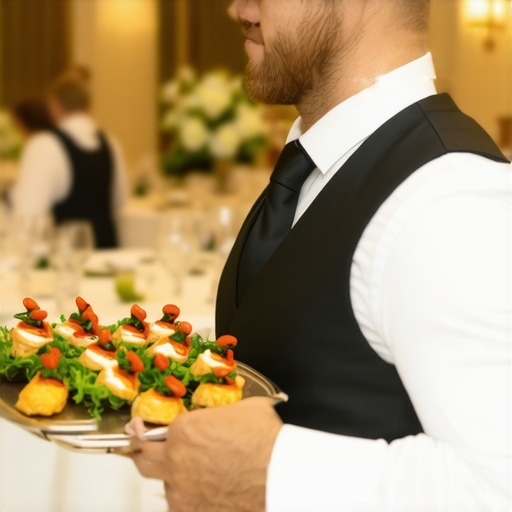
The Lethal Mistake of Early Plate Stacking
One of the biggest ‘oops’ moments I see at high-end events is the ‘vulture’ effect—servers clearing plates before a guest is actually finished or, worse, stacking them in front of guests to save a trip. You must understand how to prevent plate stacking at high-end charity auctions to maintain an atmosphere of elegance. Stacking is for diners, not galas. Research from the Cornell School of Hotel Administration highlights that hospitality quality is driven by the responsiveness and ‘unobtrusiveness’ of the staff. When servers stack dirty china in the dining room, they are essentially telling your guests that the cleanup is more important than the conversation.
Why the ‘Captain’ is Your Most Important Hire
Most planners fail because they treat twenty servers like twenty individuals instead of one cohesive organism. This is why your server team needs a designated captain for every 50 guests. Without a captain, there is no one to spot the guest who has been waiting ten minutes for a water refill or the table that hasn’t seen the appetizer tray. A captain ensures the how to choose the right staffing ratio for a vip event actually works in practice, not just on paper. I once saw a lead server notice a guest’s subtle grimace at a cold steak; because why a lead server should never be assigned a single table, they were free to swoop in and fix the issue before the guest even had to ask. It saved the entire night. Have you ever fallen into this trap of over-staffing or poor leadership at an event? Let me know in the comments!If you are still managing your event flow with a printed spreadsheet and a prayer, you are leaving your reputation to chance. I spent years thinking a well-thumbed binder was a sign of a ‘hands-on’ planner, but that is a lie we tell ourselves to avoid learning new tech. True scaling requires a digital backbone. I moved my entire operation to cloud-based Banquet Event Orders (BEOs) because they allow for real-time updates that everyone from the sous-chef to the head of house can see instantly. This is the only way to achieve mastering corporate event planning secrets to seamless success. When a guest with a sudden allergy arrives, you don’t want a server running back to a piece of paper taped to a fridge; you want it pushed to their device immediately.
How do I maintain high standards across fifty events a year?
It comes down to the ‘Rule of Three’ in equipment. Every piece of tech I use must have three backups. For communication, I exclusively use the Motorola CLP series radios with surveillance-style earpieces. Why? Because the standard ‘brick’ radios make your staff look like security guards at a construction site. Discreet comms are essential for optimizing server efficiency to enhance event satisfaction without breaking the guest’s immersion. A quick whisper in an earpiece can solve a wine shortage before the table even notices the bottle is empty.
Stop Relying on Your Memory for Floor Flow
The technical side of wedding catering trends to impress guests in 2025 is shifting toward heat-mapping. I have started experimenting with basic overhead sensors that show where guests congregate in real-time. It sounds like sci-fi, but it is just the next step in server skills that make every event stand out. If the map shows a ‘hot’ cluster in a hallway, I can redirect a server with a tray of appetizers to draw that crowd back into the main ballroom. Imagine a dashboard where you can see your entire floor plan glowing with guest density markers. 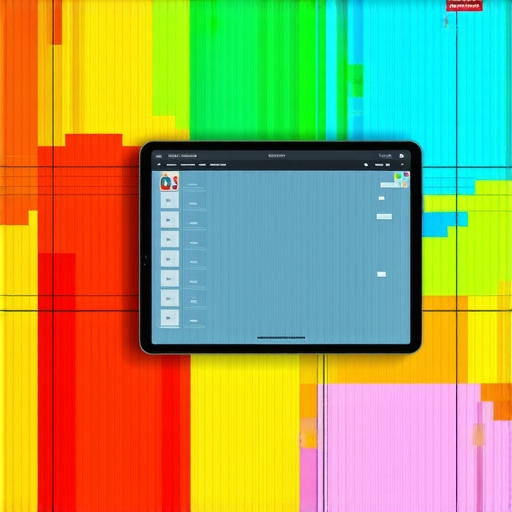
The Shift Toward Real-Time Flow Analytics
A study by the Cornell School of Hotel Administration on ‘The Impact of Service Speed on Guest Satisfaction’ found that even a 60-second delay in initial contact significantly drops the perceived value of a luxury meal. This is why you need to how to choose the perfect servers for your wedding—you need people who understand the rhythm of a room. If you want to move from ‘good’ to ‘legendary,’ start by auditing your communication gear this week. Throw away the bulky walkie-talkies and invest in a system that lets your team talk without being seen. If you are ready to see how a professional team handles these high-stakes logistics in person, feel free to contact us to discuss your next big date.
The Day I Finally Realized Symmetry Is the Enemy of Conversation
Looking back at my early career, I was obsessed with perfectly aligned chairs and centered centerpieces. I thought order equaled professionalism. But the hardest truth I’ve learned is that an ‘orderly’ room is often a stagnant one. True mastering corporate event planning secrets to seamless success involves embracing a bit of intentional chaos. I’ve found that by disrupting the path guests expect to take, you force their brains to switch from ‘autopilot’ to ‘engage.’ It’s about creating friction in the right places and flow in the others. One of the most effective top server tips to elevate your event experience I can give you is to stop viewing your staff as furniture and start viewing them as social catalysts. If you see an ‘island’—a guest standing alone—send a server with a purpose to bridge that gap.
The Gear and Systems I Never Leave the Office Without
If you want to scale your events without losing your mind, you need more than just a clipboard. I personally rely on the Motorola CLP series radios; they are discreet and keep the team connected without the ‘security guard’ aesthetic. Beyond hardware, moving to cloud-based Banquet Event Orders changed my life. Real-time updates mean that when a VIP’s dietary needs change at the last second, everyone knows instantly. This level of optimizing server efficiency to enhance event satisfaction is what separates the novices from the pros. I also highly recommend looking into basic heat-mapping tech for larger rooms. Seeing where people actually gather, rather than where you hoped they would, allows you to pivot mid-event and save the energy before it dips.
Your Path to Crafting Unforgettable Moments
Engineering a high-energy event isn’t about spending the most money; it’s about understanding human psychology and movement. Whether you are searching for wedding catering tips from industry experts or planning a 500-person tech summit, the principles of flow remain the same. Don’t be afraid to pull the chairs, hide the bar in a pivot point, and use your lighting to whisper where guests should go. You have the tools now to transform a cold ballroom into a vibrant hub of connection. If you’re feeling overwhelmed by the logistics of your upcoming date, don’t hesitate to contact us to walk through the strategy together. Your next event doesn’t have to be a ‘slow death’—it can be a symphony of interaction. Have you ever tried removing seating entirely at a networking mixer, and how did your guests react? Let me know in the comments below!