

I remember standing in a windowless basement studio three years ago, surrounded by thousands of dollars worth of softboxes and reflectors, yet my product shots looked like they’d been taken in a hospital hallway. I was frustrated, sweaty, and honestly, a little embarrassed. Then, on a whim, I moved my entire setup to a corporate lobby that featured massive, floor-to-ceiling glass. The transformation was instant. The light didn’t just hit the product; it embraced it. That afternoon was my lightbulb moment: no amount of artificial gear can truly replicate the soft, wrap-around glow of massive panes of glass. Today, I’m going to show you why those big windows are more than just a view—they are your most powerful (and free) lighting tool for high-end results.
The Day I Finally Realized Glass Is Your Best Friend
When I first started out, I made the classic rookie mistake of thinking more gear equaled better quality. I spent way too much time trying to light a dark mahogany bar for evening photos using harsh strobes, only to end up with ugly hot spots and flat textures. I even considered the true cost of hiring a student photographer just to see if they had some secret I didn’t. The truth is, floor-to-ceiling windows provide a massive light source that softens shadows naturally, making textures pop without looking clinical. It’s the same reason why you should always test your event lighting during the day and night; the sun is a dynamic partner, not a static bulb. According to the Eneref Institute, natural daylighting can significantly improve visual clarity and color rendering compared to standard artificial sources, which is exactly what you need when the goal is to make a product look touchable and real. Have you ever spent hours fighting with a ring light only to realize the sun was doing a better job for free?
Isn’t natural light too unpredictable for a pro shoot?
The biggest fear I hear from fellow creators is the lack of control. ‘What if a cloud moves?’ or ‘What if the sun shifts?’ is the common refrain. I used to think the same way until I realized that floor-to-ceiling windows offer a level of depth and ‘fall-off’ that is incredibly hard to mimic in a small room. This massive scale of light allows you to move the product just a few inches to completely change the mood, from high-contrast drama to soft, airy lifestyle vibes. It’s about learning to dance with the environment rather than trying to beat it into submission with a remote trigger.
Set your stage at a forty-five degree angle
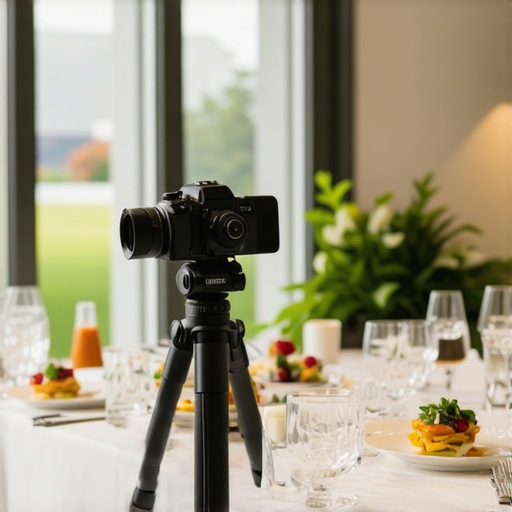
The first thing you need to do is stop placing your subject directly in front of the window like it is an interrogation. If you want that high-end look seen in an essential checklist for successful corporate event catering, you need directionality. Position your product or person at a 45-degree angle to the glass. This creates a soft transition from highlight to shadow, giving the object three-dimensional roundness. Think of it like the way top server tips to elevate your event experience often emphasize the importance of positioning; where a server stands determines the flow of the room, and in photography, where you stand relative to the glass determines the flow of the light.
Turn harsh glare into a soft embrace
Sometimes the sun is too aggressive, especially during midday shoots in glass-heavy venues. Instead of closing the blinds and killing your light source, use a white sheer curtain. This acts as a massive diffuser. I remember a gala where the venue had spectacular glass walls, but the midday sun was making the silver platters look like blinding mirrors. By using a simple white fabric, we transformed the hard light into a soft glow that mimicked expensive studio gear without the hidden cost of using cheap floor lighting for your reception. It is the same logic as learning how to manage a catering team during a sudden rain storm; you do not cancel the event, you just adapt the environment to keep things looking professional and polished.
Master the distance to control the mood
One of the most powerful knobs you can turn with window light is your physical distance from the glass. This is the physics of light in action: the closer you are to the window, the faster the light falls off into shadow. If you want a moody, dramatic shot of a signature cocktail, pull the table within two feet of the glass. The side facing the window will be bright, and the other side will fall into deep, rich shadows. If you want an airy look for elegant wedding venues and catering inspiration for 2025, move the subject six to eight feet back. The light becomes more even and less directional, wrapping around the subject like a warm blanket rather than a spotlight.
What happens when the clouds roll in?
Do not panic if the weather turns gray. An overcast day is actually a photographer’s secret weapon because the entire sky becomes one giant, consistent softbox. I once had a high-stakes shoot for a corporate luncheon when a sudden storm hit. We shifted our strategy, opened all the drapes wide, and the resulting shots had a clean, clinical perfection that the client actually preferred over the high-contrast sunny look. It proved that mastering corporate event planning secrets to seamless success is not about having perfect conditions, but about knowing how to leverage the environment you are given. Much like server skills that make every event stand out, it is all about the finesse in the execution, regardless of the chaos happening outside the glass.
While the lighting sets the physical mood, the human element is what keeps the professional illusion from shattering. Everyone thinks that a high-end event is defined by the luxury of the menu, but I have seen two-hundred-dollar-a-plate dinners ruined because the staff did not know how to handle plate clearing during a seated executive presentation. In my experience, the food only accounts for a portion of the guest’s satisfaction; the rest is the silent choreography of the service. A common myth is that more servers automatically mean better service. In reality, over-staffing without optimizing server efficiency to enhance event satisfaction just creates a crowded room where people trip over each other. It is about precision, not headcount.
Why exceptional service beats a Michelin-star menu every time
The biggest trap for event planners is the ‘invisible’ lack of leadership on the floor. I have walked into galas where a dozen servers were standing around simply because they did not know who was in charge. This is why your server team needs a clear chain of command on site at all times. Without a captain, the timing of the meal falls apart, and your guests end up with cold food regardless of how beautiful the windows are. It is a subtle disaster that starts in the kitchen and ends with a disgruntled review from your most important client.
How can you tell if a team is truly professional before the first course is served?
You can usually spot the difference during the pre-event briefing. If the lead is just handing out table assignments without discussing how to brief your server team on complex dietary restrictions in minutes, you are likely in trouble. According to a study by the Cornell School of Hotel Administration, the ‘perceived competence’ of service staff is the single greatest predictor of customer loyalty in high-end hospitality. This isn’t just about smiling; it is about the technical depth of server skills that make every event stand out, such as knowing which side to serve from without interrupting the flow of conversation. It is a dance that requires rehearsal.
The invisible chain of command that saves a failing dinner
One of the biggest mistakes I see at luxury weddings is the ‘student server’ trap. It looks like a great way to save money on the budget, but the hidden risks of hiring student servers for high-end events are immense. They lack the muscle memory to handle a sudden crisis, like a spilled wine glass on a white silk dress or a guest with an unannounced allergy. Professionalism is about more than just wearing a tuxedo; it is about anticipating a guest’s needs before they even realize they have them.
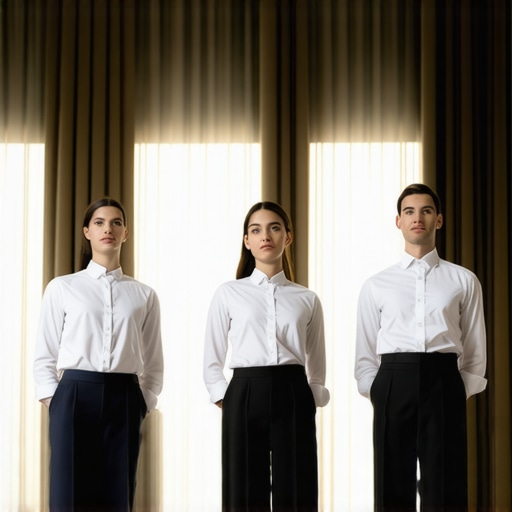
If you want to ensure a seamless experience that matches the beautiful lighting we discussed earlier, you need to know how to spot a fake luxury server team before they ruin your gala. Look at their shoes, their posture, and how they handle their equipment during setup. Do they move with purpose, or are they wandering? Have you ever fallen into the trap of hiring based on price alone and regretted it when the service started to slide? Let me know in the comments below—I would love to hear your horror stories and your wins. Let’s dig deeper into how we can elevate these standards together.
Why digital BEOs beat your clipboard every time
I’ve learned the hard way that a paper event order is basically a fossil the moment it’s printed. In my own workflow, I’ve switched entirely to cloud-based systems where every update—from a last-minute allergy to a shift in the toast schedule—is pushed instantly to the staff’s devices. When you are looking at the ultimate guide to corporate event catering logistics, the real secret is the speed of information. If the lead server doesn’t know that Table 4 just requested a gluten-free meal, all that beautiful lighting won’t save the experience. I’ve found that even the best corporate event servers for 2025 struggle if they are working with outdated instructions. Using tools like specialized catering software ensures that the ‘invisible choreography’ stays synchronized, no matter how many changes the client throws at you.
How do I keep service sharp at every single event?
Maintenance isn’t just about cleaning the gear; it’s about the mental upkeep of the team and optimizing server efficiency to enhance event satisfaction across the board. I’m a huge advocate for the ’15-minute huddle’ where we don’t just talk about the menu, but we identify potential friction points in the room’s layout. This is why your server team needs a designated captain for every 50 guests; you need eyes on the floor that aren’t tied to a specific station. According to research from the Cornell Center for Hospitality Research, the pacing of service—the specific rhythm of when plates disappear and reappear—is the primary driver of perceived luxury. If that rhythm breaks, the illusion of high-end service vanishes instantly. I keep my team sharp by running ‘stress tests’ during setup, simulating a guest emergency or a spilled drink to ensure the muscle memory is there. This is how you spot a professional server in an interview; you see how they react to the hypothetical chaos, not just how they carry a tray.

The tech that keeps the kitchen from falling behind
It’s not just about the front of house; the equipment in the back determines the quality on the plate. I never do a high-volume event without checking the specs on the warming cabinets personally. There is a science to the secret to keeping fish from drying out in a warming drawer that involves precision humidity control, not just raw heat. If your gear is outdated, your food will eventually taste like it was prepared in a school cafeteria. Looking ahead, I predict that ‘smart catering’ will become the industry standard by 2026, with AI-driven sensors monitoring plate temperatures and even guest consumption rates to minimize waste. We are already seeing this in elite corporate retreats where why your event needs a dedicated staff member for dietary requests is handled via an app that tracks every individual guest’s profile in real-time. To stay ahead, you need to be an early adopter of these efficiencies. My challenge to you is simple: next time you host an event, swap just one paper process for a digital one and watch how much faster your team reacts. For more insights into these evolving standards, check out the latest wedding-catering-tips-from-industry-experts to see how the pros are scaling their operations for the future.
Hard lessons I learned while the plates were getting cold
Looking back at years of high-pressure galas, I have realized that the most expensive mistakes are rarely technical; they are usually lapses in observation. I used to think a beautiful venue solved half my problems, but a stunning view through floor-to-ceiling glass means nothing if you haven’t mastered optimizing server efficiency to enhance event satisfaction. Here are the shifts that changed everything for me. First, nature is your biggest asset, not your enemy. Stop trying to overpower the sun with strobes and learn to use those massive windows as a free softbox to create an organic wrap on your subjects. Second, precision is the true definition of luxury. If a guest has to search for a server to get a refill, the illusion of a high-end experience is already broken. Finally, your tech is your nervous system. I once thought paper BEOs were classic, but they are actually a liability. Digital systems ensure that even the best corporate event servers for 2025 are never flying blind when a schedule shifts.
The toolkit I rely on for every major production
If you want to replicate these results, you need a mix of simple physical hacks and a deep understanding of the ultimate guide to corporate event catering logistics. I never walk into a ballroom without a high-quality white sheer fabric; it is the ultimate low-cost dimmer switch for harsh afternoon glare. I also rely heavily on hospitality research, such as the studies from Cornell, which prove that the pacing of a meal is actually more memorable to a guest than the seasoning of the food itself. These resources help me keep my focus on the elements that actually drive client satisfaction rather than just the surface-level aesthetics.
Start noticing the light and the flow today
The transition from a good event to a legendary one happens in the margins. It is found in the way you angle a table relative to the window and the silent way your team handles how to handle plate clearing during a seated executive presentation. Don’t be overwhelmed by the complexity of professional catering and photography. Start by simply watching how light moves through your space and how guests react to the rhythm of service. When you align your environment with your execution, the results speak for themselves. Have you ever had a lighting or service disaster that taught you a lesson you will never forget? Let me know in the comments below.