

I remember sitting at my best friend’s wedding, watching a nervous college kid fumble with a lens cap while the couple shared their first dance. The lighting was gorgeous, the mood was perfect, but the person capturing it looked like they were trying to solve a Rubik’s cube in the dark. I felt that pit in my stomach—the same one I felt years ago when I made a similar mistake by prioritizing ‘savings’ over ‘certainty’ at my first major event. We’ve all been there, trying to stretch a wedding budget until it’s paper-thin. You want the magazine-worthy shots, but the $5,000 professional quote feels like a gut punch. So, you look at local art students. It seems like a win-win, right? You get photos, they get a portfolio. But I’m here to tell you that the ‘deal’ you think you’re getting often comes with a hidden tax that has nothing to do with money. Today, I’m breaking down why ‘cheap’ can become the most expensive word in your wedding vocabulary and how to actually navigate the budget vs. quality dilemma without losing your mind—or your memories. Have you ever tried to cut a corner on a big event only to have it haunt you later? [IMAGE_PLACEHOLDER]
The High Price of a Low-Cost Invoice
Early in my career, I thought I was a genius for hiring a group of enthusiastic students to handle the floor for a high-end charity dinner. I figured, how hard can it be? The hidden risks of hiring student servers became painfully obvious the moment a tray of red wine met a white silk gown. That experience taught me a brutal lesson: you aren’t just paying for someone’s time; you’re paying for their ability to handle a crisis. Wedding photography is exactly the same. A student might have a great eye for a sunset, but do they know what to do when their only SD card corrupts or the church lighting turns everyone’s skin a sickly shade of neon orange? According to a survey by The Knot, nearly 20% of couples regret not spending more on their photographer, often realizing too late that those images are the only tangible things that last past the reception. When you hire someone who is still learning the ropes, you are essentially gambling with the only visual record of your life’s biggest milestone.
Is a student actually worth the anxiety?
I get the skepticism. You might be thinking, “My cousin’s friend is a photography major and her Instagram is fire.” But a curated feed is a world away from the chaos of a live event. Professionalism involves more than just a fancy camera; it’s about having the top-tier coordination skills to manage family drama and technical failures simultaneously. If you’re looking for a seamless event experience, you have to weigh the financial savings against the emotional cost of worry. If your photographer is stressed because they’ve never shot in a dark ballroom, you’re going to be stressed too. It’s the same reason I now insist on a designated captain for every 50 guests—structure prevents disasters. Understanding these risks is the first step toward making a choice you won’t regret when the thank-you cards go out.
Stop looking at portfolios and start asking about the what-if scenarios
A curated Instagram feed is the highlight reel, but your wedding is a live broadcast with no retakes. When you are vetting someone who hasn’t spent a decade in the trenches, you need to look past the beautiful sunset shots and interrogate their process. I always tell my friends that choosing a photographer is exactly like choosing your catering lead. You don’t just want someone who can deliver a plate; you want someone who knows how to spot a professional server in an interview versus someone who just looks good in a vest. Ask the student what happens if their camera shutter freezes during the kiss. If they don’t immediately point to a second, identical body strapped to their hip, you aren’t saving money—you’re buying a gamble. Demand to see a full gallery of a wedding shot in a windowless ballroom or a rainy afternoon. Anyone can take a good photo in perfect light, but it takes a pro to find the beauty in a technical nightmare.
Build a chain of command that works even under pressure
The biggest mistake I see at mid-sized weddings is a lack of hierarchy. People think two student photographers are better than one professional, but without a lead, you just have two people guessing. It is the same reason I refuse to run an event without a structure; I’ve seen firsthand that your server team needs a designated captain for every 50 guests to prevent total chaos during the main course. If you decide to go with a less experienced team to save on the bottom line, you must appoint a ‘captain’—even if it’s a trusted bridesmaid—who handles the shot list. I remember a wedding where the photography students were so overwhelmed by the crowd that they missed the bride’s grandmother entirely. I had to step in and literally physically move guests so they could get the shot. By optimizing server efficiency to enhance event satisfaction, we ensure the food is hot; you must do the same for your memories by ensuring someone is managing the flow of the photographers. 
Brief your team like a flight crew before the doors open
Communication is the only bridge between a ‘student-level’ mistake and a professional result. I once managed a high-stakes corporate dinner where the temporary staff didn’t know the difference between a salad fork and a dessert fork. I had ten minutes to turn it around. I didn’t panic; I used a condensed version of my guide on how to train temporary server staff on high-end table manners to get them up to speed. You should do the same with a budget photographer. Sit them down for twenty minutes a week before the wedding. Don’t just give them a list of names; give them a map of the room, the specific timing of the toasts, and a list of ‘must-haves’ that are non-negotiable. If you need to brief your server team on complex dietary restrictions in minutes to keep guests safe, you must brief your photographer on family dynamics to keep the peace. Clarity is the best insurance policy you can buy when your budget doesn’t allow for a top-tier celebrity photographer.
Beyond just the pre-event briefing, there is a science to the floor that most amateurs simply miss. For example, many planners will tell you to place the bar right at the entrance to greet people with a signature drink. In my experience, that is the fastest way to kill the energy of a room. It creates a human bottleneck that stops your guest flow dead in its tracks before the party even starts. Instead, I always apply the logic of placing the bar as far from the entrance as possible to pull the crowd into the event space and keep the atmosphere vibrant. If you tuck it too far away, however, you fall into the common mistake of placing the bar in a back corner where visibility is poor and lines become an unmanageable tangle. #IMAGE_PLACE_HOLDER_C#
Is your staffing ratio actually sabotaging your VIP experience?
Many couples think they are being efficient by hiring a flat number of servers based on head count, but service density is what actually determines the mood. A study by the Cornell School of Hotel Administration on hospitality management confirms that guest satisfaction scores drop significantly once service wait times exceed specific thresholds, regardless of the quality of the food or the beauty of the venue. If your team is spread too thin, even server skills that make every event stand out won’t save you from a cold main course. This is why you must learn how to choose the right staffing ratio for a VIP event based on the complexity of your menu and the layout of the room rather than just your RSVP list. I’ve seen 50-person dinners fail because the kitchen was too far from the tables, making it impossible for the staff to maintain plate temperature. Speaking of temperature, if you are hosting outdoors, you absolutely cannot overlook your utility infrastructure. You might have the best steak in the world, but why you need a backup plan for outdoor buffet lighting becomes a painful reality when your servers are literally tripping in the dark while trying to serve a plated meal. Another ‘expert’ trap is the lead server role. I always argue that why a lead server should never be assigned a single table is the golden rule of floor management; they need to be the eyes and ears of the entire room, navigating the big picture, not stuck pouring wine for one specific group. Have you ever fallen into this trap or seen a wedding flow go south because of a simple layout error? Let me know in the comments.I’ve realized that the difference between a frantic amateur and a composed professional often boils down to what is in their digital toolkit. It isn’t just about ‘talent’; it’s about redundancy and the tools that prevent human error from becoming an event disaster. For instance, I always look for photographers who understand that why your photographer should use a silent shutter during speeches isn’t just a preference—it’s about preserving the intimacy of a moment without the rhythmic clicking of a mechanical mirror. I remember a corporate gala where the keynote speaker stopped mid-sentence because the photographer was firing off bursts like a machine gun; it killed the tension instantly. If you are hiring for a high-stakes environment, look for mirrorless systems with high-speed sensor readout to avoid that weird ‘rolling shutter’ distortion on moving subjects. 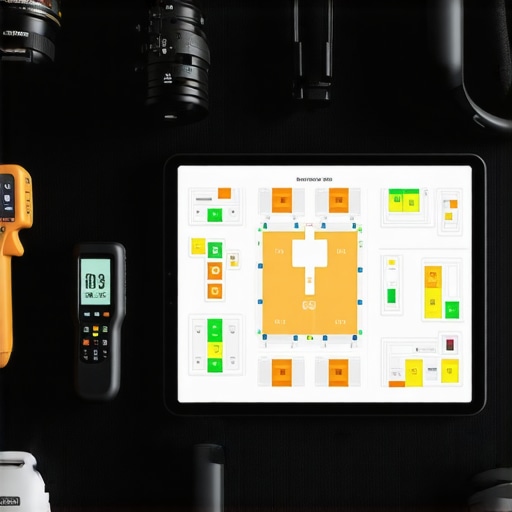
Ditch the paper and move to the cloud
The secret to long-term success isn’t finding one superstar; it’s building a system that makes every person a superstar. This is where server skills that make every event stand out transition from a one-time fluke to a company standard. I personally use digital floor-plan software like AllSeated or Planning Pod to visualize the ultimate guide to corporate event catering logistics before a single fork is polished. This allows me to see the bottlenecks I mentioned earlier before they happen. I predict that by 2026, we will see AI-driven ‘heat maps’ integrated into these tools to predict guest movement in real-time, allowing planners to experiment with innovative wedding themes that wow guests in 2025 and beyond. Even small wedding catering tips from industry experts emphasize that your tech must be as reliable as your recipes. According to the Professional Photographers of America (PPA) Technical Standards for Digital Image Integrity, data redundancy—specifically shooting to dual card slots—is the bare minimum for professional reliability. If your ‘pro’ doesn’t do this, they aren’t a pro.
How do I keep my event standards high month after month?
Maintaining this level of detail requires constant auditing and the right maintenance schedule. When I am planning the ultimate wedding reception meal, I am not just looking at the menu; I am checking the battery health of the digital thermometers and the firmware on the wireless headsets that keep my team connected across a vast ballroom. Small tool failures lead to big service gaps. If you want to learn how to keep your event schedule on track without rushing guests, you need a shared digital timeline that syncs across the vendor team’s phones in real-time. My challenge to you: before your next big event, ask your lead vendor to show you their ‘kit list’ for backups. If they don’t have a plan for a failed router or a dead battery, you need a different vendor.
The Brutal Lessons Only a Room Full of Guests Can Teach You
After years in the industry, I’ve realized that professional vendors provide a “quiet luxury” you can’t see on an invoice—they provide silence. A silent room is one where the guests are happy, the plates are cleared before they become an eyesore, and the transitions are so smooth they feel invisible. When you focus on server skills that make every event stand out, you aren’t just buying labor; you’re buying the absence of problems. I once saw a student photographer trip over a power cord, killing the DJ’s system right as the bride walked in. A pro would have taped that cord down or routed it along the perimeter before the first guest even arrived. It’s those tiny, proactive decisions that separate a high-end gala from a high-stress disaster.
Another lesson that took me a decade to master is the “Invisible Lead” concept. The best lead servers are never seen because they solve issues before they reach the host’s ears. If you learn how to choose the right staffing ratio for a VIP event, you create a buffer that allows for this level of stealth. A student-led team is often reactive, running around with panicked eyes; a veteran team is proactive, moving with a rhythm that keeps the energy in the room calm and elegant.
A Few Tools Every Host Should Have in Their Pocket
If you are still in the planning phase, don’t just rely on intuition. I personally swear by a few specific resources to keep everything organized. First, I recommend reading “The Art of Gathering” by Priya Parker; it fundamentally changes how you think about guest interaction and event purpose. Second, use our ultimate guide to corporate event catering logistics to map out the physical movement of your team and avoid service bottlenecks. Finally, never overlook an essential checklist for successful corporate event catering to ensure no detail—like the number of water glasses or the backup lighting—is forgotten. These aren’t just documents; they are your safety net when the adrenaline of the big day kicks in.
Your Event Is More Than Just a Date on the Calendar
[IMAGE_PLACEHOLDER]
At the end of the night, the cake will be eaten, the flowers will wilt, and the music will fade. What remains are the stories your guests tell and the images you’ll look at for decades. Choosing to elevate your wedding with professional servers and experienced photographers isn’t about being “fancy”—it’s about protecting the emotional investment you’ve made in this day. Whether you’re looking at innovative wedding themes that wow guests in 2025 or a classic corporate gala, the goal is always the same: a seamless experience that allows you to actually be present. You deserve to be the guest of honor at your own event, not the person trying to fix the Wi-Fi or manage the buffet line. Trust the pros, build your systems, and then let go and enjoy the magic you’ve created.
Have you ever regretted a budget hire, or did you find a “diamond in the rough” who saved the day? Let me know your experiences in the comments below!