

I will never forget the sound of thirty-six porcelain dinner plates meeting a ceramic tile floor at exactly 8:14 PM. It wasn’t just a crash; it was the precise moment the CEO of a Fortune 500 company reached the emotional climax of her keynote speech. The room, which had been pin-drop silent, was suddenly filled with the discordant ring of shattering glass and the muffled shouts of a startled prep crew. I stood in the back, my face burning, realizing that all my meticulous planning had a gaping, noisy hole in it. That night taught me a brutal lesson: your event is only as professional as its quietest room. In the world of high-stakes events, the kitchen is a beast that needs to be tamed, and today I’m going to show you exactly how to build an acoustic barrier that keeps the focus on the stage, not the scullery.
The Night the Dishroom Won and the Speaker Lost
If you have ever been in the middle of a delicate toast at a wedding or a high-pressure presentation and heard the unmistakable thwump-thwump of a swinging kitchen door, you know the dread I’m talking about. Early in my career, I made the amateur mistake of assuming the venue staff would just ‘know’ to be quiet. They didn’t. I had failed to realize how much the impact of ceiling height on event acoustic quality can amplify even the smallest clink of silverware. We spend thousands on AV and lighting, yet we often ignore the literal noise-making factory sitting twenty feet away from the podium.
Is total silence even achievable in a high-traffic venue?
Many planners I talk to are skeptical. They think that as long as the food is coming out hot, a little background noise is just part of the deal. I’m here to tell you that’s a myth that will cost you your reputation. According to data from various acoustic engineering studies, professional kitchens can easily reach 85 to 90 decibels—roughly the sound of a lawnmower—which can easily bleed through thin partitions. Have you ever had a beautiful moment ruined by the sound of a commercial dishwasher or a chef barking orders? I want to hear your most cringeworthy stories.
Silence the Kitchen Before the Microphones Turn On
The secret isn’t just closing a door; it’s a multi-layered strategy that starts long before the first guest arrives. For instance, I’ve found that heavy linens actually reduce noise significantly when used as baffles or draped over prep tables near service entrances. You also have to ensure that your server lead needs a copy of the event script so the team knows exactly when the ‘dark periods’ are. When the room goes quiet for a speaker, the kitchen must go into a ‘soft-service’ mode where no trash is dumped, no ice is scooped, and no racks are moved. It’s about creating a culture of respect for the stage that starts in the dish pit. We are going to dive into the tactical ways you can audit your venue and prep your staff to ensure the only thing your audience hears is the message they came for.
Give the Team the Playbook
To stop a kitchen from sounding like a construction site, every person in the back of house needs to know exactly when the microphones are live. I’ve found that the most common reason for noise isn’t laziness; it’s a lack of information. You must ensure your server lead needs a copy of the event script and that every plate-runner knows the ‘red zones.’ Before any major service, I make it a priority to how to organize a staff meeting before a 500-person dinner specifically to discuss the acoustic cues. During a corporate gala last year, we actually used a red light bulb above the kitchen door; when the light was on, the kitchen was in ‘silent mode.’ No trash was thrown, no ice was dumped, and all communication was done via hand signals. It felt like a submarine during a stealth mission, but the keynote speaker was never interrupted by a single clink.
Deploy Your Linens Like Acoustic Armor
If your kitchen entrance is a direct line to the guest tables, you need more than just a door. Think of fabric as your best friend for sound absorption. Heavy linens actually reduce noise by acting as a soft barrier that catches sound waves before they bounce into the ballroom. I once draped three layers of floor-length velvet over a temporary service entrance in a tented wedding. The difference was night and day—it muffled the prep noise so well that guests didn’t even realize the kitchen was ten feet away. You should also be optimizing server efficiency to enhance event satisfaction by placing rubber mats in high-traffic service corridors. These mats kill the sound of footfalls and cart wheels, which can be surprisingly loud on hard floors. 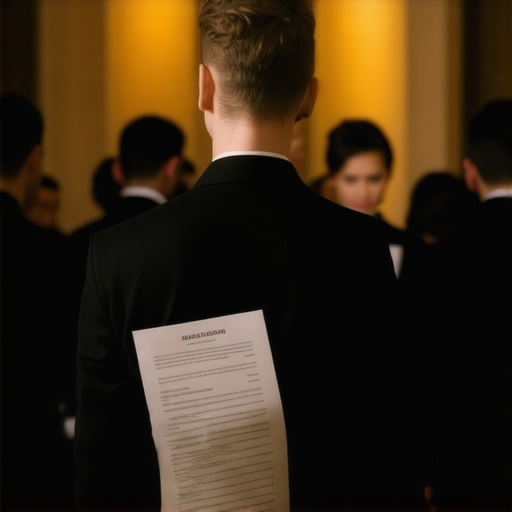
Schedule the Chaos Around the Silence
Silence is a logistical choice. You have to look at your timeline and identify the ‘noise-heavy’ tasks, like clearing hundreds of plates or dumping ice for a bar refill. These tasks should never overlap with speeches. If you’re how to reduce noise during the transition from dinner to dancing, you need a coordinated strike. I instruct my teams to ‘pre-cache’ trash in soft bins rather than dumping it into loud metal dumpsters until the room has cleared for the after-party.
Check the Architecture Before You Sign
Sometimes, the building itself is the enemy. You should always investigate why your venue needs more than one service entrance. If the only way into the kitchen is through the main doors behind the podium, you’re fighting a losing battle. In those cases, you have to be even more aggressive with your scheduling. I once had to hold the entire dessert course for twenty minutes because the venue’s dishwashing station was located directly behind a thin drywall partition where the bride’s father was giving a 15-minute toast. It was a stressful delay, but it was far better than having his emotional tribute drowned out by the roar of a commercial washer.
Let’s dig deeper into a nuance that most planners miss until they’ve been burned: the ‘Acoustic Short Circuit.’ Most people assume that if a kitchen door is closed, the problem is solved. In my experience, that’s a dangerous oversimplification. I’ve seen events where the door was shut tight, but the sound of a falling tray still pierced the room like a gunshot because of the air gap at the bottom of the frame. According to research published in Acoustics Today, even a gap representing only 1% of a partition’s surface area can transmit up to 50% of the original sound energy. This is why a simple ‘door’ isn’t enough; you need a pressurized seal or a staggered hallway entrance.
Can you really silence ceramic clinks without sacrificing speed?
This is the question that separates the amateurs from the veterans. The contrarian truth is that the more staff you have, the louder your event usually becomes. Everyone thinks ‘more hands’ makes for a smoother night, but why you should audit your server-to-guest ratio for VIP dinners is often about noise control rather than just speed. When you over-staff, you create a ‘bumping hazard’ in the narrow service corridors. Servers begin to apologize to each other, whisper-shout instructions, and inadvertently clank plates as they navigate the crowd. Knowing how to choose the right staffing ratio for a VIP event is about finding the ‘Quiet Equilibrium’—enough people to be efficient, but few enough to move like ghosts.
The Venue Manager Is Not Your Acoustic Guard
The biggest ‘oops’ factor I see with corporate planners is the assumption that the venue’s internal team will police their own noise levels. I hate to be the bearer of bad news, but why your venue manager should not be your day-of-coordinator becomes painfully clear during the speeches. The venue manager is focused on the building and the bottom line; they aren’t listening for the sound of a dishwasher cycle starting up right as your CEO begins the annual report. You—or your designated lead—must be the one to physically walk into the kitchen five minutes before any speech and ‘hold the floor.’ If you don’t, you’ll likely end up with how to spot a server who hasn’t been briefed on the menu or the ‘silent protocol,’ resulting in a symphony of clinking silverware during the most emotional moments of the night.
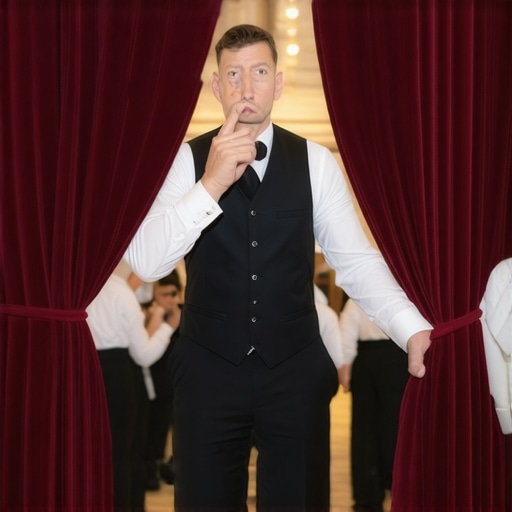
Stop Throwing Extra Bodies at the Problem
Another nuance involves the equipment itself. I’ve found that high-stakes events often fail because the planner didn’t check the ‘scullery schedule.’ Most commercial dishwashers operate on a timer; if the kitchen staff hits ‘start’ just as the lights dim for a video presentation, you are fighting a losing battle against a mechanical hum that no curtain can stop. This is where optimizing server efficiency to enhance event satisfaction meets technical stagecraft. You have to treat the kitchen like a second stage. Have you ever fallen into the trap of thinking a closed door was enough, only to have a industrial ice machine ruin a toast? Let me know in the comments. We need to start thinking of catering as a silent performance where the audience never sees the effort, and more importantly, never hears the preparation.
To maintain the level of surgical precision required for a high-stakes gala, I rely on a tech stack that most traditional caterers haven’t even considered. It’s not just about physical curtains; it’s about real-time data and discrete communication. I personally use the NIOSH Sound Level Meter app to calibrate my ‘quiet zones’ during the setup phase. According to the Acoustical Society of America, the ‘Lombard effect’—where people involuntarily raise their voices in noisy environments—can trigger a chain reaction of volume in a ballroom. If the kitchen starts a loud cycle, the guests talk louder, and suddenly your speaker is shouting to be heard. My goal is to break that cycle before it starts.
Ditch the Walkie Talkies for Discrete Digital Cues
One of the most effective catering strategies for corporate event impressiveness is the total ban on audible walkie-talkies in the service corridor. That ‘squelch’ sound of a radio is the ultimate mood-killer. Instead, I transitioned my leads to vibration-based haptic alerts via smartwatches. When the AV tech hits the cue for the keynote, a single pulse on my server lead’s wrist tells the entire team to ‘freeze’ all movement. This is where top server tips to elevate your event experience move from basic service to professional production. We also ensure that your videographer needs a soundboard patch for the toasts to minimize the need for high-volume PA systems that might bounce off the kitchen’s hard surfaces.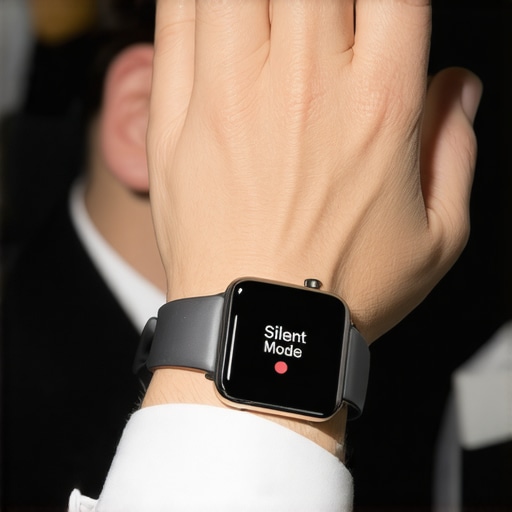
How do I maintain these acoustic standards for a twelve-hour gala?
Maintaining silence isn’t a one-time setup; it’s a marathon of discipline. I’ve found that the best way to keep the energy up without the noise is to implement ‘Silent Rotation.’ Every two hours, we rotate the dish-clearing crew out of the high-pressure zones. Fatigue leads to heavy hands, and heavy hands lead to dropped silverware. You must be optimizing server efficiency to enhance event satisfaction by providing a dedicated, sound-isolated break room. When the staff has a place to actually talk and decompress away from the ‘quiet zone,’ they are far more likely to respect the silence when they are back on the floor. I also recommend a weekly ‘gear audit’ where we check the rubber bumpers on every single tray jack and cart wheel. A missing five-cent rubber tip can turn a standard service tray into a clattering nightmare.
Smart Kitchens and the Death of the Clattering Plate
Looking ahead, I predict we are entering the era of ‘active noise cancellation’ for event spaces. We are already seeing directional ‘audio showers’ that focus sound only on the guest tables, and I expect the next generation of luxury venues to incorporate acoustic-absorbing metamaterials directly into their kitchen-to-ballroom transitions. Until then, the burden of silence falls on our shoulders and our tools. If you want to transform your reputation from a ‘food provider’ to an ‘event architect,’ start by auditing your noise floor. Try this tonight: Download a decibel meter app and walk your service corridor during peak prep. If it’s over 70dB, you have work to do. By implementing a strict ‘zero-clink’ policy during your next corporate event catering logistics meeting, you’ll find that the prestige of your brand rises as your noise floor drops.
The Unspoken Psychology of Sound Control
After a decade in the field, I’ve realized that the ‘closed door’ is often a psychological safety net that doesn’t actually exist. The hardest lesson I ever learned was that sound behaves like water; it finds the smallest crack and floods the room. If you aren’t checking the seals on your service doors, you aren’t controlling the acoustics. Another lightbulb moment for me was realizing that staff exhaustion is the primary driver of noise. When people are tired, they get clumsy. This is why I always insist that your event staff should have a dedicated break room to keep their focus sharp and their hands light. Finally, remember that silence isn’t just about the kitchen; it’s about the entire flow. You can spot a professional server in an interview by asking them one simple question: ‘How do you handle a dropped fork during a speech?’ Their answer will tell you everything you need to know about their acoustic awareness.
My Tested Setup for Noise-Free Operations
I don’t leave silence to chance. My ‘Acoustic Toolkit’ is built on three pillars that I trust implicitly. First, the NIOSH Sound Level Meter app is my non-negotiable tool for every site walkthrough; it provides the data I need to demand better baffling from venue managers. Second, I swear by Rose Brand Heavy Velvet for temporary partitions; it has a high Sound Absorption Coefficient that makes standard pipe-and-drape look like tissue paper. Third, I recommend reading The Soundscape by R. Murray Schafer. While it’s an academic text, it completely changed how I view the ‘soundmark’ of my events. For those executing high-level galas, I suggest exploring corporate event catering strategies for success that prioritize the ‘Silent Service’ model over traditional high-speed clearing.
#IMAGE_PLACEHOLDER_E#
Step Into Your New Role as an Event Architect
Success in this industry isn’t just about the flavor of the filet mignon or the vintage of the wine. It’s about the atmosphere you curate when the lights go down and the world waits for a speaker’s first word. By treating acoustics with the same reverence you treat your menu, you elevate your brand to a level of sophistication few can match. You are no longer just a caterer; you are an architect of experience. Embrace the silence, and your guests will remember every word of the message you helped deliver. Which part of the kitchen—the dish pit, the prep line, or the service door—has been the biggest acoustic challenge at your recent events? Let’s swap solutions in the comments below.