

I remember standing in the back of a drafty hotel ballroom, watching five hundred plates of steamed vegetables return to the kitchen almost completely untouched. It was February. The asparagus was woody, the peppers were flaccid, and the whole tray looked like a sad, beige afterthought. I had spent a small fortune flying those greens in from another hemisphere just to say I had them on the menu. That was the moment I realized that in high-volume catering, fighting against the calendar is a losing battle for your reputation and your bottom line. Early in my career, I made the classic rookie mistake of promising a client heirloom tomato salads for a massive corporate gala in the dead of winter. I thought my corporate event catering strategies for success were bulletproof, but those tomatoes arrived mealy and pale. It was a humiliating lesson in why most buffets waste 30 percent of the food produced; if it doesn’t taste like anything, it ends up in the bin. Today, we are going to solve the puzzle of how to balance massive scale with incredible flavor by embracing the harvest.
Your Guests Can Taste the Difference Between Fresh and Flown-In
When you are planning the ultimate wedding reception meal, the side dishes shouldn’t just be filler to prop up the protein. Seasonal vegetables are at their peak of flavor and nutrition because they haven’t been sitting in a shipping container for three weeks. According to research from the University of California, produce harvested at its natural peak often contains higher levels of vitamins and minerals than items forced out of season. Beyond the health perks, the crunch of a snap pea in May or the sweetness of a roasted butternut squash in October provides a sensory experience that frozen alternatives simply cannot mimic. If you have ever wondered why your summer menu needs more than just grilled chicken, the answer is usually found in the vibrant, local produce that actually makes the plate pop. Have you ever felt the embarrassment of serving a soggy vegetable medley to a client you were trying to impress?
Is going seasonal actually worth the extra logistics?
The short answer is yes, but it requires a mindset shift. Most caterers fear that sticking to seasonal produce limits their options, but it actually opens the door to better margins and more creative plating. When you buy what is in abundance, your food costs drop significantly. I have found that guests respond better to a perfectly roasted local carrot than a tasteless, expensive strawberry in January. It is about setting expectations early and educating your clients on why a fall harvest menu will always outperform a generic one. This approach isn’t just about being trendy; it is about serving food that people actually want to finish. In the next section, I will break down the specific vegetables that hold up best under heat lamps and the ones you should avoid at all costs.To make seasonal produce work at scale, you have to stop thinking like a boutique chef and start thinking like a supply chain manager. Success in the ultimate guide to corporate event catering logistics means identifying which local crops are entering peak abundance exactly two weeks before your event. This buffer allows for price stability and guaranteed volume. I once tried to garnish four hundred plates of sea bass with delicate micro-cilantro for a tech summit in July. By the time the kitchen finished plating and the server skills that make every event stand out were put to the test, those greens looked like wilted lawn clippings by table thirty. It was a disaster that taught me to prioritize resilience over fragility. The fix? I swapped the micro-greens for a robust, charred corn and poblano relish that held its crunch for an hour without losing its vibrant color.
Build Your Menu Around the Market Calendar
Choose Vegetables That Actually Survive the Buffet Line
Not every seasonal star is meant for the spotlight of a large-scale event. In the spring, peas and asparagus are magnificent, but they turn gray and mushy if left in a chafing dish for more than twenty minutes. Instead, focus on structural vegetables. For a winter gala, roasted root vegetables like heirloom carrots or parsnips are your best friends. They can be par-cooked, chilled, and then finished in high-heat ovens with a honey glaze right before service without losing their bite. This is a core part of any essential checklist for successful corporate event catering because it minimizes the risk of food being sent back to the kitchen. When the plate looks as good at the end of the line as it did at the start, you know you’ve chosen the right ingredients. 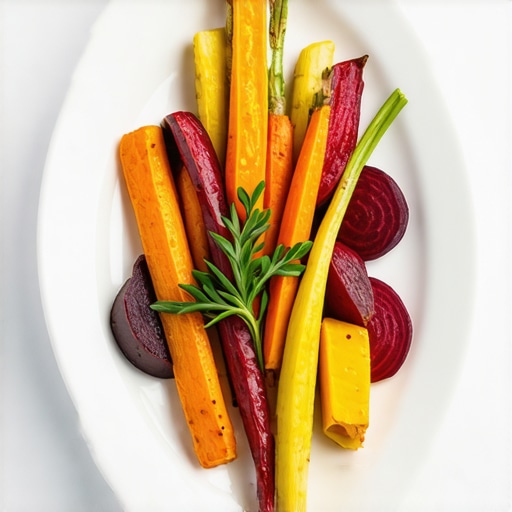
Why You Should Always Request a Tasting Early
The transition between seasons can be unpredictable. A late frost can ruin a strawberry crop or delay the arrival of stone fruits by weeks. This is why you should always request a tasting before finalizing your menu, but specifically, you must ask for a stress test tasting. Ask your caterer how they plan to keep those seasonal ramp pestos or heirloom tomato gazpachos fresh if the event runs thirty minutes behind schedule. If they cannot show you a plan for maintaining temperature and texture under pressure, the menu item is simply too risky for a high-volume crowd. Remember that guests will be snapping photos for their feeds, so you must also consider how to manage social media coverage for a private event by ensuring the food stays photogenic from the first plate to the last.
Train Your Team to Sell the Story on the Plate
Your servers are your front-line ambassadors, and their knowledge can transform a meal. If they are just plate carriers, you are missing an opportunity to elevate the guest experience. When optimizing server efficiency to enhance event satisfaction, include a five-minute briefing on the menu’s origin during the pre-shift meeting. Guests love hearing that their squash was harvested forty miles away just yesterday. I remember a wedding where the servers casually mentioned the wildflower honey in the vinaigrette came from the groom’s family farm; that small detail was the most talked-about part of the night. It turns a simple salad into a narrative and proves that you have put thought into every bite.Let’s dig deeper into the logistical skeleton that actually supports those seasonal flavors. Most people believe that the key to a flawless high-volume event is simply throwing more bodies at the problem. In my experience, overstaffing is the fastest way to create a bottleneck at the kitchen doors and inflate your overhead without actually improving the guest experience. The real secret isn’t just headcount; it’s about optimizing server efficiency to enhance event satisfaction through strategic positioning. I’ve seen events with a 1:10 server ratio fail because the staff were tripping over each other, while a lean, highly-trained team of 1:20 handled the same room with grace because they were trained in anticipatory service. Research from the Cornell School of Hotel Administration suggests that labor productivity in high-end hospitality hinges on cross-functional fluidity rather than static positions. If your team only knows how to do one task, the whole system collapses the moment a guest makes an off-menu request.
Throw Out the Idea That More People Equals Better Service
The most dangerous trap you can fall into is the ‘lead server anchor.’ Many planners think their most experienced person should handle the VIP table. This is a massive mistake. Why a lead server should never be assigned a single table comes down to situational awareness; if your best strategist is busy refilling a single water glass, they aren’t seeing the pile-up at the bar or the cooling plates in the pass. Your lead needs to be the ‘ghost’ on the floor, spotting the micro-errors before they become guest complaints. This is a hallmark of server skills that make every event stand out. When you are how to spot a professional server in an interview, don’t just look for plate-carrying ability; look for the person who naturally watches the whole room while they talk to you.
Does French service actually scale for a five-hundred-person gala?
It’s a common myth that high-touch service styles like table-side carving or silver service are reserved for intimate dinners. However, the advantage of hiring servers who specialize in French service is that they understand the choreography of movement. Even if you aren’t doing full table-side service, that training ensures they move with a level of precision that prevents the ‘clutter’ of a standard buffet-style staff. It’s about the elegance of the delivery. Have you ever been at an event where the staff seemed to outnumber the guests but you still couldn’t get a refill? Have you ever fallen into this trap? Let me know in the comments. We’ve found that by combining seasonal, resilient ingredients with a ‘zone-defense’ service model, you can maintain that boutique feel even when you are feeding a small army. Success isn’t just about what is on the plate; it’s about the invisible hands that put it there at exactly the right temperature.Maintaining that high-end feel while serving five hundred people isn’t just about the food; it is about the infrastructure you build behind the scenes. I have seen brilliant menus fail because the logistical skeleton wasn’t strong enough to support them. To stay ahead, I rely heavily on digital floor planning tools like AllSeated to run simulations of guest movement before a single chair is placed. This is a vital part of effective catering strategies for corporate event impressiveness because it allows me to identify bottlenecks at the bar or the buffet line before they happen in real life. When you can visualize the server paths, you can ensure that your team isn’t crossing wires during the critical dinner rush.
The Tool That Saved My Biggest Gala
Early in my career, I relied on paper charts and shouting across kitchens. Now, I don’t run an event without a discrete, high-fidelity communication system like VoCoVo for my lead staff. This allows the kitchen to signal the floor the moment the first course is ready without a single tray-carrier having to leave their station. This level of synchronization is exactly what defines the best corporate event servers for 2025. If your lead server can communicate with the back-of-house silently, the guest experience remains undisturbed and elegant. I once managed a tech launch where a last-minute VIP arrival required three extra plates in under two minutes; because of our earpiece system, the kitchen had those plates ready before the guest even sat down.
How do I maintain consistent service quality across multiple events?
The secret to long-term consistency is what I call ‘The Digital Playbook.’ We use cloud-based management systems to store every specific detail of a client’s preference—right down to the exact temperature they like their coffee. This level of detail is a core component of mastering corporate event planning secrets to seamless success. According to a study published in the Journal of Hospitality & Tourism Technology, firms that integrate real-time mobile communication and digital inventory tracking see a 15% increase in operational efficiency. We don’t just guess what worked; we audit the data from every event to refine our top server tips to elevate your event experience for the next one.
Where High-Volume Catering is Heading Next
Looking toward the future, I predict that AI-driven inventory management will become the standard. We are already seeing sensors that can track buffet depletion in real-time, sending alerts to the kitchen before a tray even looks half-empty. This will finally solve the problem of how to prevent the empty plate look at minimalist buffets without overproducing food. The ‘smart kitchen’ will be the ultimate ally for the sustainable caterer, allowing us to be more precise with our orders than ever before. To ensure this works for you, remember that why your catering contract needs a firm headcount deadline is more important than ever; the data is only as good as the numbers you put into it. I strongly encourage you to try one thing at your next event: implement a five-minute digital huddle with your leads using a shared tablet. You’ll be amazed at how much smoother the night goes when everyone is looking at the same real-time data.One thing most pros won’t admit is that a flawless event is actually a series of invisible saves. I used to think I needed a perfect kitchen, but what I really needed was a team that knew how to pivot when the power went out or the guest count suddenly spiked.
Hard-Won Secrets From a Decade on the Catering Frontlines
I’ve learned that how to spot a bad lead server in the first 10 minutes of an event is often as simple as watching their reaction to a missing tray. If they panic, the room feels it; if they solve it silently, the magic stays intact. Also, never underestimate the power of a hot plate—pre-warming your china can buy you an extra three minutes of grace during a complex service. I once saw a wedding nearly derailed because the proteins were plated on cold stone; that small detail changed the entire perception of the meal. Finally, remember that your staff needs to be as fueled as your guests; why your event staff should have a dedicated break room isn’t just about kindness, it is about keeping the energy high for the final push of the night. #IMAGE_PLACE_HOLDER_E#
The Secret Toolkit That Keeps My Team Sane
If you want to move from ‘good’ to ‘elite,’ you need tools that eliminate guesswork and sharpen your focus. I swear by the essential checklist for successful corporate event catering we’ve refined over hundreds of galas. For logistics, I don’t breathe without AllSeated for floor plans to prevent the most common mistakes in corporate event seating charts. I also recommend every event manager read Setting the Table by Danny Meyer; it completely shifted how I view hospitality as an emotional transaction rather than just a service. Finally, always carry a backup of your why your server lead needs a copy of the event script in a physical folder, because technology is great until the Wi-Fi drops.
Your Path to Catering Greatness Starts Today
Scaling your passion doesn’t mean you have to sacrifice the soul of your food or the elegance of your service. By focusing on corporate event catering strategies for success that prioritize both tight logistics and vibrant, local flavors, you can create moments that guests remember for years. You have the tools, the vision, and now the strategy to go bigger and better than ever before. Don’t be afraid to take that next massive contract; just make sure you have the structural vegetables and the zone-defense staff to back it up. What is the one thing you are most nervous about when handling a high-volume crowd? Let’s talk about it in the comments below!