

I stood at the back of the ballroom, watching the first dance, and instead of feeling the romance, I felt a knot in my stomach. The ‘affordable’ LED floor lights I’d recommended were humming—a low, buzzing sound that competed with the violinist. Worse yet, the color wasn’t the ‘warm amber’ promised on the box; it was a harsh, jaundiced yellow that made the beautiful floral arrangements look like they were wilting in real-time. I learned the hard way that when you skimp on the glow, you’re not just saving money; you’re gambling with the entire atmosphere of your event. Today, I want to walk you through why those bargain-bin lights are a trap and how to actually light your space without breaking the bank or ruining your photos. If you don’t take the time to learn why you should test your event lighting during the day and night, you might not notice the flicker that drives photographers crazy until it is far too late.
Cheap Lights Can Kill the Mood Faster Than a Bad DJ
It is tempting to look at a $20 plastic floor can and think it does the same job as a $150 professional fixture. But the hidden costs start appearing the moment you plug them in. Cheap lighting often lacks proper color consistency, meaning one corner of your room might look sunset-orange while the other looks neon-pink. This inconsistency ruins the visual flow and makes even the most elegant wedding venues look disjointed. Beyond the aesthetics, there is a very real safety concern. In my early days, I saw a server trip because a cheap light had a bulky, non-industrial power cable that wouldn’t lay flat. We often talk about the impact of floor length linens on server safety, but cord management for low-end electronics is just as dangerous in a high-traffic reception area.
Is professional lighting really worth the extra budget?
I get it; weddings and corporate galas are expensive. You might be wondering if guests even notice the difference. The truth is, they don’t notice good lighting, but they definitely feel bad lighting. High-quality fixtures offer better color rendering, which is vital for skin tones. According to the Illuminating Engineering Society (IES), improper contrast ratios and poor color rendering can increase visual fatigue, making your guests want to leave the party earlier than planned. When you are choosing a photographer for a dimly lit industrial venue, they will be the first to tell you that cheap LEDs produce ‘banding’—those weird dark lines in digital photos. Have you ever been to a wedding where the photos came back looking like they were shot through a metal grate? That is the hidden cost of a cheap bulb. Using professional-grade equipment helps you how to use lighting to guide guests through a venue naturally, highlighting the bar and the dance floor without overwhelming the senses. Have you ever dealt with a lighting ‘fail’ at an event you hosted? I’d love to hear how you handled it in the comments below.
Layer Your Light Like a Three-Course Meal
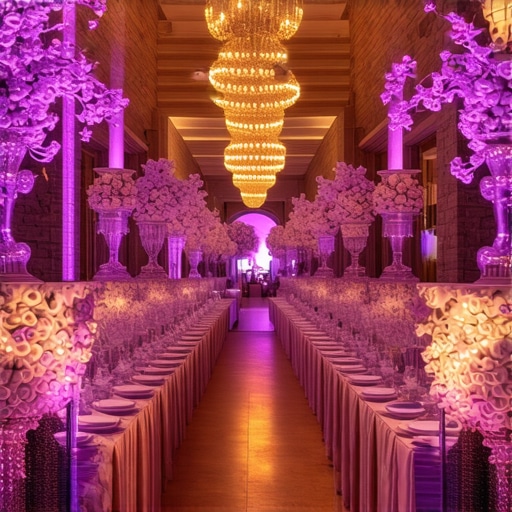
When I think about lighting, I think about it like a catering menu. You wouldn’t serve a wedding guest just a bowl of mashed potatoes; you need the protein, the greens, and the seasoning. Lighting is the same. Most people stop at ‘wash’ lighting—that broad, flat color that hits the walls. But to make a room truly pop, you need layers. Ambient lighting is your base. Task lighting is for the ‘work’ areas like bars or buffets. Finally, accent lighting is your seasoning, used to highlight the floral centerpieces or the architecture of the venue. If you are working within elegant wedding venues, you want to use pin-spots to draw the eye toward the table settings rather than just flooding the whole floor with light. This depth creates a high-end feel that makes the room look expensive, even if you are working with a modest rentals budget.
Keep the Glare Away from the Head Table
One of the most common mistakes I see is over-lighting the VIPs. I remember a corporate gala where the lighting tech pointed two high-powered stage lights directly at the board of directors. Within twenty minutes, the CEO was sweating through his suit, and the guests couldn’t even look at the stage without squinting. It was a disaster. The trick is to light from the sides or slightly behind, using soft diffusers to break up the beam. Learning how to light a head table without blinding your guests is a skill that separates the amateurs from the pros. You want them to glow, not bake. This is especially important for the photographers; if the light is too harsh, the shadows under people’s eyes look like dark pits, and no amount of editing can fix that later.
Light the Food so Guests Can See What They Are Eating
I once managed a dessert station for a high-end wedding where the venue’s overheads were turned off for dancing. I thought the ambient glow from the dance floor would be enough. Halfway through, I saw guests using their phone flashlights to see if they were grabbing a lemon tart or a mini-quiche. It looked cheap and completely broke the mood. Now, I always insist on the best way to light a buffet line for evening events, which involves discreet battery-operated LED bars tucked behind the platters. It makes the food look appetizing and helps guests move through the line faster. While you are at it, consider how to style a buffet table for maximum visual impact by using different heights; if the highest points are lit, the whole table looks like a work of art rather than just a cafeteria line.
Stop the Tangle of Cables Before the Party Starts
Cable management is the invisible part of professional lighting that nobody thinks about until someone trips. In a busy room where servers are moving quickly, a single loose orange extension cord is a liability. This is why the impact of floor length linens on server safety cannot be overstated—they are great for hiding cables, but they can also snag on them if the cords aren’t taped down properly. I always recommend using gaffers tape—not duct tape—to secure everything to the floor. If the venue has a lot of foot traffic, consider going 100% wireless with battery-powered uplights. It might cost a bit more upfront, but it saves you from the nightmare of a guest pulling down a light stand because their heel caught a wire. Remember that why your event budget needs a 10 percent contingency fund often comes down to these small equipment upgrades that ensure safety and professional polish.
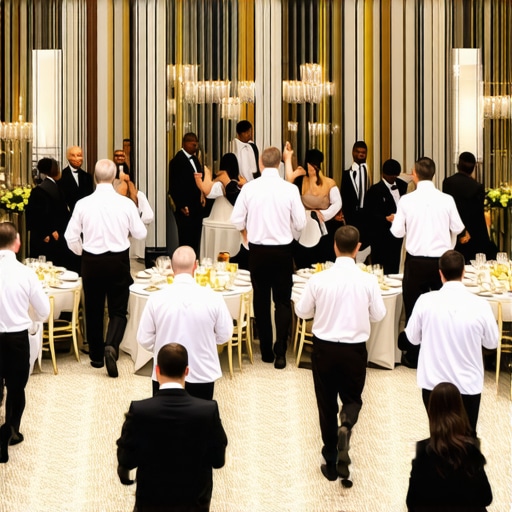
I’ve seen it a hundred times: a nervous event planner thinks that by doubling the staff count, they are buying insurance against complaints. In reality, they are often buying chaos. There is a common belief that ‘more hands make light work,’ but in high-end hospitality, there is a very real service saturation point. When you have too many bodies in the room, the ‘cluster effect’ takes over—servers start chatting with each other because their zones are too small, or they physically block the paths of guests. If you don’t know how to choose the right staffing ratio for a vip event, you might end up paying for a crowd that actually makes the room feel smaller and less exclusive. A study from the Cornell School of Hotel Administration suggests that guest satisfaction actually plateaus or dips when the staff-to-guest ratio exceeds a certain efficiency threshold, primarily because the ‘unobtrusive’ nature of luxury service is lost. This is where why a lead server should never be assigned a single table comes into play. A lead needs to be the ‘air traffic controller,’ spotting the guest with the empty water glass before they have to ask. Without that bird’s-eye view, you just have a group of individuals moving plates, rather than a cohesive unit. It’s easy for planners to get caught by how to spot a fake luxury server team before they ruin your gala, because a truly professional team understands that silence and movement are their primary tools.
Why Overstaffing Often Leads to Slower Service
The nuance of event management isn’t just about quantity; it is about the invisible choreography. When you are booking elegant wedding venues, you are often paying for a specific aesthetic. If that aesthetic is interrupted by a swarm of servers who haven’t been briefed properly, the luxury feel evaporates instantly. I once worked an event where the client insisted on one server per table for a 300-person gala. The result? The kitchen couldn’t plate fast enough to keep 30 servers moving, so they stood in the corner of the ballroom, whispering. It looked like a staff meeting was happening in the middle of the party. To avoid this, ensuring why your server team needs a designated captain for every 50 guests is essential. This creates a chain of command that prevents ‘staff drift’ and keeps the energy focused on the guests rather than the service logistics.
What do you do when the venue layout is a logistical nightmare?
The biggest trap I see experts fall into is failing to account for the ‘swing door’ bottleneck. If your kitchen entrance is right next to the bar, you’re asking for a collision. This spatial awareness separates the rookies from the veterans. If you’re aiming for a truly high-touch experience in a tight space, you might even consider the advantage of hiring servers who specialize in french service, which demands a higher level of technical skill and spatial awareness than standard plated service. This technique allows for more room between tables because servers aren’t carrying massive, heavy trays that require wide berths.
The ‘oops’ factor usually hits during the transition from dinner to the program. I once saw a corporate awards ceremony grind to a halt because the staff started clearing plates during the keynote. The clinking of silverware drowned out the speaker. It’s a classic mistake: prioritizing efficiency over the guest’s focus. Professionals know that service must stop or become completely silent during a speech, regardless of the catering timeline. Have you ever fallen into this trap where ‘good’ service actually interrupted the flow of your event? Let me know in the comments. I’m curious to hear how you balance the need for speed with the need for silence.
Ditch the Paper Scraps for Digital Blueprints
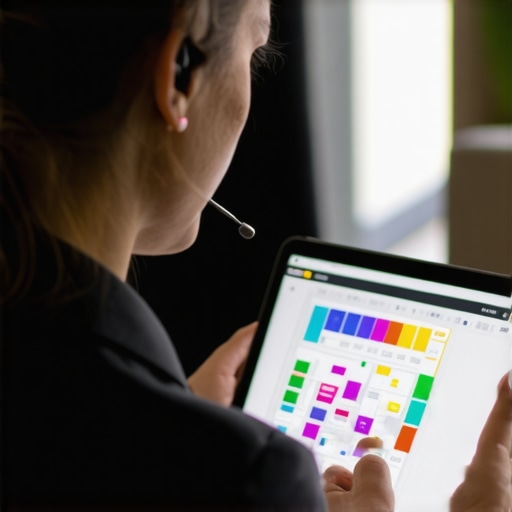
Once you’ve mastered the nuances of staffing, you quickly realize that even the best team can fail without the right tools. I’ve seen mastering corporate event planning secrets to seamless success come down to something as simple as moving away from hand-drawn sketches. Today, I use 3D cloud-based floor planning software for every single contract. Why? Because it allows me to account for every square inch of space, ensuring that my staff doesn’t get trapped in a corner and that we don’t accidentally block a fire exit with a dessert table. When you are optimizing server efficiency to enhance event satisfaction, having a digital map that is accessible to every captain on their tablet is a game changer. It eliminates the ‘where does this go?’ questions that plague the first hour of setup.
How do I maintain consistent service quality as my business grows?
Maintenance isn’t just about cleaning the silver; it’s about maintaining the integrity of your Standard Operating Procedures (SOPs). I keep a living document for every venue we frequent. This document includes the exact locations of the hidden electrical outlets, the temperamental service elevator codes, and the contact info for the late-night security guard. This is a core part of an essential checklist for successful corporate event catering. By building a library of these ‘venue bibles,’ you ensure that your quality doesn’t dip just because you aren’t personally on-site. Scaling is about transferring your expertise into a system that your leads can follow without your voice in their ear.
Why Wireless Comms Are Your Most Important Investment
Communication is the first thing to break under pressure. I remember an awards gala where the kitchen ran out of the vegetarian option, but the servers on the floor didn’t find out until they were mid-service. It was a PR nightmare. Now, I never run a high-stakes event without discreet, wireless earpieces for my leads and the back-of-house manager. According to a report in the International Journal of Hospitality Management, the use of real-time communication tools in food service reduces order-to-table latency by up to 18%, significantly boosting guest satisfaction scores. This level of coordination is exactly why your server lead needs a copy of the event script and a direct line to the kitchen. If the keynote runs short, the lead can signal the kitchen to fire the main course five minutes early without ever leaving the floor.
The Future of Event Logistics Involves AI and Real-Time Tracking
Looking ahead to 2025 and beyond, I predict we will see more AI-driven staffing models that adjust in real-time based on guest movement. Imagine sensors that tell your captain when the bar line is getting too long or when a specific table has been waiting five minutes for their wine refill. We are moving toward a ‘predictive service’ model where we solve problems before the guest even notices them. If you want to stay ahead of the curve, I challenge you to do a ‘tech audit’ on your next event. Look at one manual process—like checking in staff or tracking rentals—and find a digital tool to automate it. Start small, perhaps by ensuring your lead has every digital resource they need at their fingertips, and watch how much more smoothly your transitions become. If you haven’t already, I highly recommend downloading a dedicated event management app and trying it for your next small gathering before scaling it up to a 500-person gala.
Hard-Won Truths from a Decade in the Trenches
Over the years, I’ve realized that the secret to a high-end feel isn’t just about the equipment; it’s about understanding the psychology of the room. One of my biggest lightbulb moments was realizing that shadows are just as important as the light itself; without contrast, a room feels flat and uninviting. I also learned that if you want to keep your energy high, you have to look into the Mediterranean meal plan secrets for keeping corporate teams productive to ensure guests aren’t crashing after the first course. Finally, never underestimate the layout—sometimes the logic of placing the bar as far from the entrance as possible is the only way to prevent a guest logjam the moment the doors open.
#IMAGE_PLACEHOLDER_E#
The Tools I Never Leave the Office Without
I always tell my mentees that a professional is only as good as their toolkit. For high-stakes coordination, I rely heavily on 3D mapping software to visualize the flow before a single chair is moved. I also suggest bookmarking the ultimate guide to corporate event catering logistics as a constant reference for your planning phase. To keep my teams sharp, I use top server tips to elevate your event experience as a training baseline, ensuring that every lead knows the difference between ‘good’ and ‘exceptional’ service. And of course, a roll of professional gaffers tape is worth its weight in gold for keeping those pesky cables hidden.
Go Create Something Radiant
Transforming elegant wedding venues from a blank canvas into a masterpiece of light and service is a journey, not a destination. It’s okay to start small and learn from the glitches along the way. If you are looking for more inspiration, I have curated some of my favorite wedding catering tips from industry experts to help you refine your process. Remember, the best events are the ones where the guests never see the hard work—they just feel the magic. Have you ever seen a lighting fail or a staffing mishap that nearly derailed an event? I’d love to hear your survival stories in the comments below!