

Picture this: It is 8:15 AM at a high-stakes corporate breakfast. The keynote speaker is about to take the stage, and two hundred sleepy executives are shuffling toward the beverage station. I stood at the back of the room during my very first major solo gig, watching in absolute horror as the first ten guests pumped lukewarm, sad-looking liquid from giant airpots. By the time guest number thirty reached the front of the queue, the coffee was practically cold, the line had ground to a halt, and I was sweating through my blazer. It was an absolute disaster, and I learned a painful lesson that day: traditional brewing methods simply fail when scale enters the equation.
The Morning Rush is Cruel Without a Plan
Serving piping hot beverages to a massive crowd is one of the most underrated logistical nightmares in the food service industry. Whether you are managing a bustling wedding reception or trying to scale your coffee station for a morning trade show, temperature drop is your greatest enemy. If you try to brew pot by pot, your early guests get stale coffee while your late guests get nothing but empty carafes. Today, I am going to share the exact operational blueprint that saved my catering business, ensuring every single guest receives a steaming, rich cup of coffee at the exact same moment.
Are commercial cambros actually worth the hassle?
Many event coordinators and hosts wonder if investing in heavy-duty insulated beverage dispensers is truly necessary, or if they can get by with standard metal urns. Early in my career, I made the mistake of relying on polished silver urns because they looked beautiful on the tables. Unfortunately, those gorgeous metal containers have terrible thermal retention, losing up to ten degrees of heat every fifteen minutes. According to ASTM thermal performance standards, polyurethane-insulated commercial carriers can maintain holding temperatures above 180 degrees Fahrenheit for over four hours without any external heat source. Once I swallowed my pride and switched to pre-heated, insulated catering dispensers, the complaints about cold brew vanished overnight. Have you ever had to apologize to a room full of under-caffeinated guests after a beverage station failure? I would love to hear your horror stories in the comments below.
Getting the equipment right is only half the battle; success ultimately comes down to timing, water chemistry, and the physical flow of your service line. To keep things moving quickly and prevent massive bottlenecks, check out our guide on optimizing server efficiency to enhance event satisfaction so your staff can execute the setup seamlessly.
How to Build a High-Performance Hot Beverage Station
Executing a flawless morning beverage service is like conducting a silent orchestra. The secret lies in a staging process I call the thermal bank method. During a massive corporate retreat in downtown Chicago, my team was tasked with serving breakfast to four hundred attendees in under twenty minutes. We realized that simply brewing and dumping coffee into dispensers resulted in an immediate fifteen-degree temperature drop. To combat this, we filled our commercial insulated carriers with boiling water for ten minutes prior to brewing, essentially pre-heating the interior walls. By the time we emptied the water and locked in the fresh brew, the vessels acted as thermal fortresses, preserving the liquid at a perfect 185 degrees Fahrenheit throughout the entire rush.
Ditch the Glass Carafes for Double-Wall Insulation
If you are still using glass pots on burner plates, you are actively burning your coffee and risking guest safety. Burner plates apply direct, uneven heat that cooks the delicate oils in the coffee bean, turning a premium roast into a bitter, acidic mess within thirty minutes. Instead, make the switch to vacuum-insulated stainless steel airpots or polyurethane-insulated dispensers. These tools use a vacuum barrier to stop heat transfer without cooking the coffee. For larger formats, prioritizing these insulated systems is just as vital as understanding the logistics of serving 300 warm chocolate lava cakes simultaneously; it is all about thermal preservation over active heating.
Calculate the Magic Flow Ratio
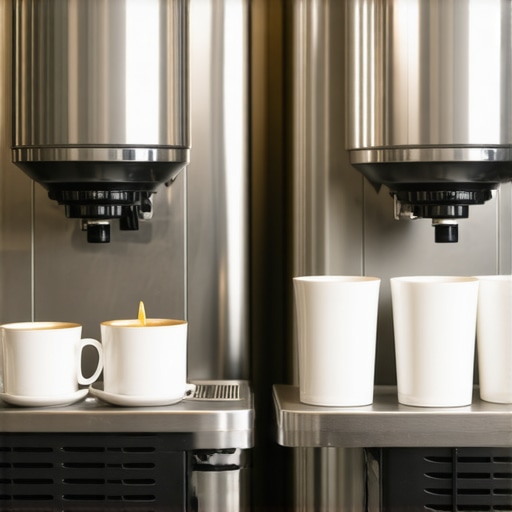
A single line of thirsty guests will quickly bottleneck if your physical setup is poorly designed. I use a simple mathematical formula to keep lines moving: one double-sided beverage station for every seventy-five guests. If you place the cups, sugar, stirrers, and milk carafes right next to the coffee dispenser, your station will grind to a halt. Guests spend an average of forty seconds customizing their cup but only five seconds pouring the coffee. To solve this, pull the dairy, sweeteners, and spoons away from the main dispensers. Place them on a separate table six feet further down the line. This physical separation acts as a natural pressure-release valve, pulling customized traffic away from the high-value pouring area.
Control the Water Chemistry Behind the Brew
You can purchase the most expensive single-origin beans on the market, but if your water chemistry is off, your coffee will taste flat or metallic. When scaling up, local tap water is your enemy because mineral content varies wildly by venue. Hard water prevents the proper extraction of coffee solubles, while over-filtered water leaves the brew tasting hollow. We resolve this by using portable, multi-stage water filtration systems connected directly to our commercial brewers. Ensuring your base ingredients are flawless is a foundational rule of high-end service, much like having a solid plan for your service staff. To keep your team sharp during stressful beverage rushes, it helps to understand why your server team needs a clear chain of command on site to handle rapid replenishments without breaking the flow.
When organizing a high-profile morning gathering, most planners fall back on the comforting thought that ‘coffee is coffee.’ We assume that as long as the beans are premium and the water is hot, our work is done. But after years of managing beverage setups under intense pressure, I have realized that this simplistic view is exactly what leads to catastrophic lines and disappointed guests. Everyone says to focus purely on the roast profile, but in my experience, the finest specialty roast will taste like battery acid if you ignore the subtle physical realities of high-capacity holding.
Why does my coffee taste burnt after sitting in a thermal container?
It is a common myth that once coffee is brewed into an insulated dispenser, the brewing process completely stops. In reality, a phenomenon known as thermal degradation continues to occur. According to a food science study published in the Journal of Agricultural and Food Chemistry, volatile flavor compounds and delicate chlorogenic acids begin to break down into bitter quinic acid even when stored without direct heat. This process accelerates rapidly when coffee is held at temperatures above 190 degrees Fahrenheit for more than ninety minutes. The secret to avoiding this bitter taste profile is not brewing hotter; it is lowering your target holding temperature to exactly 182 degrees and planning for a strict two-hour discard rotation.
The biggest trap you can fall into is what I call the static volume delusion. Many planners design their beverage stations based on average consumption metrics, entirely overlooking how peak arrival times concentrate demand. If you assume your guests will trickle in evenly over two hours, you will inevitably face a bottleneck that ruins the early flow of your program. To prevent these logistical disasters before they happen, you should implement corporate-event catering strategies for success that treat the coffee bar as a high-velocity transit zone rather than a static decorative buffet.
Another classic mistake is placing delicate foods in close proximity to the strong aroma of the beverage bar. While it might seem convenient to place your main pastry spread directly adjacent to the brewers, the heavy steam saturated with coffee oils will penetrate delicate baked goods, altering their intended flavor profiles. If you are serving premium options like pastries or working out the logistics of serving 300 warm chocolate lava cakes simultaneously, you must keep them physically and aromatically isolated from the heavy steam of the coffee station. Have you ever fallen into this trap and had your delicate desserts taste faintly of espresso? Let me know in the comments below.
To keep these high-velocity beverage stations operating at peak efficiency over a multi-day convention or a packed wedding season, you cannot rely on basic rinsing. The residue left behind by coffee oils is highly acidic and sticky; it clings to the porous interior walls of vacuum carafes and ruins subsequent batches. In my operations, I bypass standard dish soaps entirely. I mandate the use of Urnex Cafiza professional cleaning powder for every single thermal vessel after every event. This specific espresso equipment cleaner utilizes an activated oxygen system that organic compounds cannot resist, stripping away rancid coffee polymerized oils without degrading the delicate silicone seals on your commercial dispensers. Keeping your physical assets in pristine condition is just as crucial as ensuring your staff is trained in professional service standards, which you can learn more about in our guide on server skills that make every event stand out.
How do I maintain beverage equipment performance over time?
Long-term maintenance is won or lost in the boiler tanks of your commercial brewers. Mineral scale—primarily calcium carbonate and magnesium—acts as a thermal insulator on heating elements. According to the technical documentation published by Bunn-O-Matic Corporation, even a 1/16-inch layer of limescale buildup inside a commercial water tank can increase energy consumption by up to fifteen percent and cause water temperatures to fluctuate by as much as eight degrees during rapid-fire brewing cycles. To prevent this performance degradation, we perform a quarterly chemical descaling process using citric-acid-based solutions. We also log the water hardness of every venue we visit using digital TDS meters, ensuring our portable filtration cartridges are replaced long before they reach saturation. If you want to elevate your overall beverage game while maintaining flawless logistics, explore how to boost your corporate event with expert server techniques to keep every station running seamlessly.
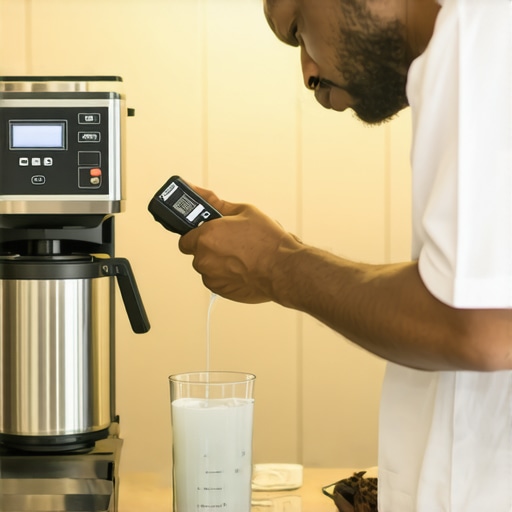
Looking toward the horizon, the future of high-capacity event beverage service is rapidly shifting toward smart, telemetry-enabled dispensing systems. Within the next three to five years, I predict we will see widespread adoption of IoT-connected thermal carriers that monitor temperature and liquid volume in real time, sending instant alerts to your back-of-house service team via a central dashboard before a station runs dry. This technological evolution will drastically reduce labor costs and eliminate the need for manual temperature checks. For now, I challenge you to try just one advanced tip from this guide: pre-heat your insulated dispensers with boiling water for ten minutes before your next event, and watch how much longer your brew remains pristine.
What Event Planners Never Ask About High-Volume Beverage Service
Through years of trial by fire in the catering industry, I have discovered that the success of a high-volume hot beverage station is not determined by the quality of the coffee bean, but by the physical laws of thermal dynamics and traffic management. First, never assume your guests will space out their coffee runs evenly; a sudden session break will send hundreds of people to your station in a three-minute window, which is why understanding the ultimate guide to corporate event catering logistics is vital to handling extreme peaks. Second, standard plastic or metal carafes are a recipe for cold, disappointing drinks; only heavy-duty, double-wall polyurethane-insulated units can survive a multi-hour corporate summit. Finally, the biggest bottleneck is always the customization table, meaning your sugar, dairy, and stirrers must live entirely separate from the actual brewers.
My Essential Toolkit for Perfect Event Beverage Flow
If you want to transition from chaotic, lukewarm coffee setups to a smooth and consistent system, these are the tools I trust to get the job done on-site:
- Urnex Cafiza Equipment Cleaner: The only powder that completely breaks down acidic coffee oils without damaging delicate commercial gaskets and seals.
- Bunn-O-Matic Commercial Brewers: Heavy-duty, high-recovery heating elements that can keep up with rapid-fire brewing cycles without dropping in temperature.
- Digital TDS Meters: Essential for checking the mineral hardness of municipal water sources before connecting your portable filtration systems.
- Camtainers by Cambro: Industry-standard insulated transport containers that offer unparalleled thermal retention for outdoor weddings and remote corporate retreats.
For those looking to expand their beverage program to include late-night receptions, mastering these logistics is just as important as knowing the trick to keeping champagne bubbles alive for a large toast when celebrating major milestones.
Take Control of Your Next Morning Rush
Now that you have the blueprint to beat thermal drop and eliminate long lines, it is time to put these strategies into play at your next gathering. Whether you are coordinating an intimate corporate retreat or a grand celebration, having professional staff to manage these high-volume transit zones is the ultimate key to success. If you are preparing for a major celebration, be sure to look into how to choose the perfect servers for your wedding to keep your hot beverage station operating at peak efficiency.
Have you ever experienced a massive bottleneck or served lukewarm coffee at a high-stakes event? Let me know your best recovery strategies in the comments below!