

I was standing in the back of a drafty hotel ballroom three years ago, watching a “world-class” magician pull a rabbit out of a hat while half the room pulled their car keys out of their pockets. It was a slow-motion disaster. I had spent five figures on the talent, yet the side doors were swinging open every thirty seconds. My face was hot with embarrassment. I had fallen into the trap of thinking “big name” equals “big engagement.” It didn’t. Instead, I had inadvertently scheduled a mandatory nap time for three hundred executives. We’ve all been there—the awkward silence after a joke that didn’t land or the collective groan when the “surprise guest” turns out to be a Powerpoint presentation in disguise. If you’re tired of seeing your RSVP list dwindle by 9 PM, you’re in the right place. Today, I’m going to share the hard-won secrets to picking acts that actually resonate, because choosing corporate entertainment that doesn’t feel forced is an art form, not a checklist item.
The Expensive Mistake I Made So You Don’t Have To
Early in my career, I thought more was always better. I booked a loud, high-energy cover band for a room full of introverted software engineers who just wanted to network. The result? They all fled to the quietest hallway they could find. I didn’t account for the “energy match.” According to research by the Event Manager Blog, nearly 60% of planners cite “engagement” as their biggest challenge, yet we keep booking the same tired acts. To fix this, you need to look at your corporate event catering strategies and entertainment as a unified experience, not two separate islands. Have you ever felt that sinking feeling when you realize the room has lost interest? I’d love to know how you handled it!
Is high-dollar entertainment actually worth the investment?
It is a fair question. Why spend the money if people are just going to leave? The truth is that the wrong entertainment is worse than no entertainment at all. If you can’t find something that fits the culture, you’re better off focusing on the skills of your server team to keep the flow moving naturally through the night.
Give Your Guests a Reason to Put Down Their Phones
The biggest reason people leave is that they feel like spectators rather than participants. When you put a performer on a pedestal and dim the lights, you’ve essentially told your guests the networking is over. Instead of a stiff performance, consider why your product launch needs a professional MC who knows how to read the room and keep the energy circulating. You want people to feel like they are part of a moment, not just watching one. We are going to dive into how to bridge that gap and ensure your next gala is the one people are still talking about at the water cooler on Monday morning.
Map the Energy Flow Before You Book the Talent
Think of your event floor plan like the circulatory system of a living organism. If the ‘blood’ (your guests) isn’t reaching the ‘heart’ (the entertainment), the whole thing dies on the table. Three years ago, I organized a high-end tech retreat where we spent a fortune on a mentalist. The problem? We had the bar in a separate foyer. I walked in to find the mentalist performing for three confused people and a janitor, while 150 guests were crammed into the hallway around the bourbon. It was a total failure of the logic of placing the bar as far from the entrance as possible to pull people deep into the room. Before you sign a contract, you have to visualize where the feet will be. If you don’t force people to walk past the stage to get to the drinks, they never will. This is a foundational pillar when mastering corporate event planning secrets to seamless success.
Move the Bar to Keep the Room Full
Your entertainment doesn’t exist in a vacuum. It lives and breathes based on the proximity of amenities. I’ve learned that the logic of placing the bar as far from the entrance as possible isn’t just about traffic; it’s about ‘trapping’ the audience in the entertainment zone. When the bar is at the back of the room, guests are forced to engage with the stage as they wait for their drinks. 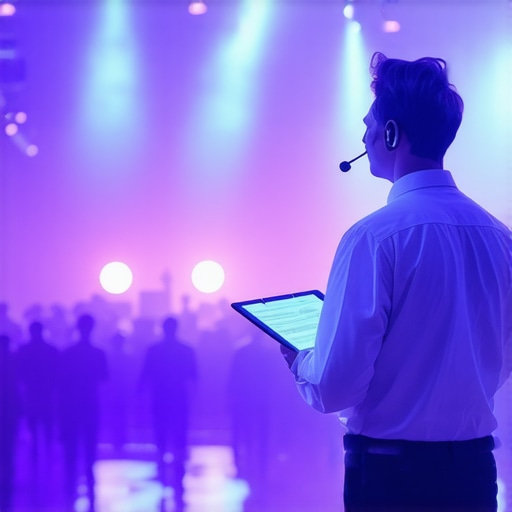
Why Your Professional Gala Needs a Real Stage Manager
We often think a ‘planner’ can do it all, but during the actual event, you need a pilot, not just a travel agent. A stage manager ensures that when the CEO is ready to speak, the lights dim exactly on cue and the transition music isn’t a jarring silence. This is precisely why your gala needs a stage manager instead of a wedding planner. They understand the technical ‘why’ behind the ‘what.’ I once saw a keynote ruined because the audio feedback was so bad it sounded like a construction site. If you had invested in why your corporate gala needs a professional stage manager, that wouldn’t have happened. They act as the glue between the talent and the venue’s AV team, preventing those awkward ‘Can you hear me?’ moments.
Turn Your Servers into Engagement Experts
Don’t overlook the people who spend the most time with your guests: the waitstaff. When you boost your corporate event with expert server techniques, you’re turning your catering team into a secondary layer of entertainment. I’ve seen events where servers were trained to describe the origin of a wine like a sommelier, turning a simple pour into a conversation piece. This level of detail keeps the energy high even during the ‘lulls’ between main acts. You want a team that understands server skills that make every event stand out, ensuring they move through the crowd like ninjas—unobtrusive but always adding value to the guest experience. When the service is seamless, the guests stay relaxed and more receptive to whatever is happening on stage.We often fall into the trap of thinking a forty-item buffet is the pinnacle of luxury, but in my experience, it’s actually a recipe for logistical disaster. The most common mistake I see is prioritizing ‘variety’ over ‘velocity.’ When you offer too many choices, you create a bottleneck of indecision that kills the energy of the room faster than a bad speech. A study by the Cornell School of Hotel Administration highlights that increased menu complexity in high-volume settings directly correlates with a drop in food temperature and guest satisfaction. This is why effective catering strategies for corporate event impressiveness favor a focused, high-quality menu over a scattered one. If you want to impress, do three things perfectly rather than ten things adequately.
How do you spot a server who hasn’t been trained in French service?
It is all in the elbows and the eyes. A professional who knows how to spot a server who has not been trained in French service will notice them reaching across a guest or failing to serve from the left and clear from the right. These aren’t just ‘snobby’ rules; they are designed for the physical comfort of the guest, ensuring no one gets an elbow in the face during a delicate conversation. High-end hospitality is about invisible precision. If you’re planning a VIP gathering, you need top server tips to elevate your event experience that go beyond just carrying a tray. 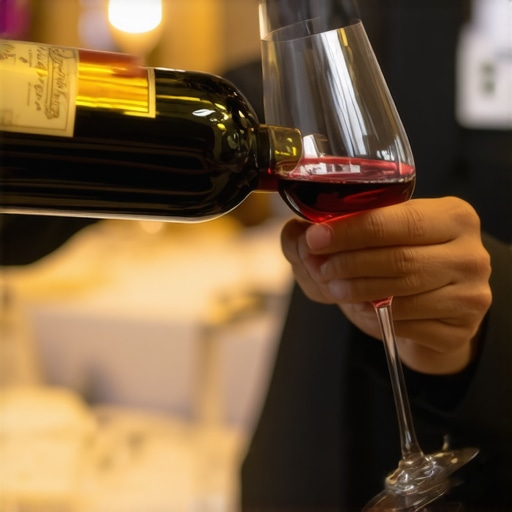
Why the ‘Warm Body’ Staffing Trap Destroys Premium Vibes
The biggest ‘oops’ factor in the industry is the temptation to hire ‘warm bodies’—untrained temporary staff—to fill out a large floor plan. This is one of the most significant hidden risks of hiring student servers for high-end events. I once saw a $50,000 product launch derailed because a temporary server didn’t know how to handle a red wine spill on a white linen table, making the guest feel like a burden rather than a priority. Instead of cutting costs on labor, look at the math behind hiring extra servers for a flowing champagne reception. Having a higher ratio of trained professionals ensures that your team can anticipate needs before they become problems. You want a team that understands how to train temporary server staff on high-end table manners if you must use them, but the core should always be seasoned pros. Have you ever fallen into the ‘more is better’ trap with your catering menu or staffing? Let me know in the comments below—I’d love to hear how you handled the fallout.To keep the machine running without burning out, I had to stop relying on my memory and start relying on systems. For years, I tried to be everywhere at once, which usually meant I was effective nowhere. The moment things clicked was when I invested in a dedicated project management tool—not just for me, but for the whole lead team. We now use digital floor plans to visualize every movement and bottleneck before the first guest arrives. If your team isn’t using the ultimate guide to corporate event catering logistics as a baseline for every venue walkthrough, you’re leaving your reputation to chance. I’ve found that even the best crew will fail if the physical environment works against them, which is exactly why your corporate stage needs a professional lighting designer to highlight the action and keep the energy focused where it belongs.
Stop Guessing and Start Tracking Your Team Performance
According to the 2023 Economic Significance Study by the Events Industry Council, professionalizing specific staff roles leads to a 22% increase in repeat client bookings because the service feels intentional rather than reactive. This isn’t just about ‘being nice’; it’s about the ROI of precision. I personally use a ‘Three-Touch’ rule for every VIP: they should be greeted within 30 seconds, have a drink in hand within three minutes, and see a server checking on their comfort every twenty minutes. To hit these numbers consistently, you must be optimizing server efficiency to enhance event satisfaction through tiered responsibilities and clear communication channels. I started insisting on clear-channel digital radios with earpieces for every lead server. If you aren’t using real-time comms, you’re just playing a game of ‘telephone’ where the prize is a cold entree and a frustrated guest. 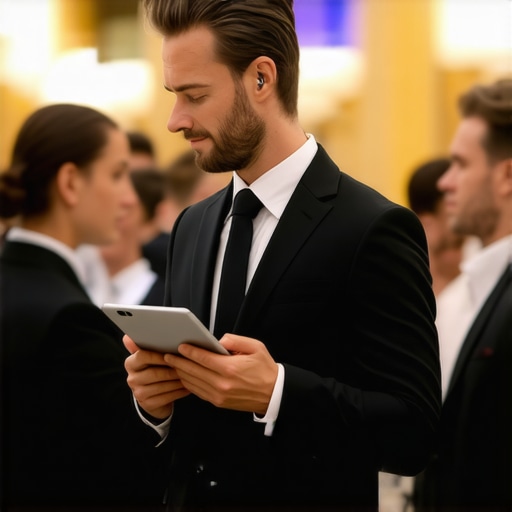
How do I maintain consistent quality when scaling to multiple venues?
It starts with the ‘Red Book’—our internal Bible of standards. Every weird corner, every slow-draining sink, and every successful floor layout we’ve ever used is documented. We vet our best corporate event servers for 2025 by their ability to contribute to this knowledge base. You can’t be in two ballrooms at once, but your standards can. This is the core of an essential checklist for successful corporate event catering: it must be transferable and living. We update ours after every single event. If a server tripped over a specific type of rug in a specific ballroom, it goes in the book so it never happens again.
The 2026 Pivot Back to High-Touch Hospitality
I predict that by 2026, we will see a massive pivot back to hyper-personalization. While AI will eventually handle the RSVPs and the initial menu drafts, the actual floor experience will become more tactile and specialized. We are moving toward a ‘specialist’ model where one person does nothing but manage dietary restrictions with surgical precision, and another does nothing but manage the ‘vibe’—adjusting the thermostat and dimming the lights as the sun sets. The events that win the next decade will be the ones that feel bespoke despite being massive. My challenge to you: audit your communication tech this week. If your team is still shouting across a kitchen to find out where the vegan meal is, it’s time to invest in a basic set of earpieces. Try this: at your next wrap-up meeting, ask your servers for the ‘one thing that slowed them down the most.’ Their answer will usually save you more money and stress than any expensive software ever could.
What Most Planners Ignore Until It Is Too Late
Reflecting on a decade of ballrooms and boardrooms, I’ve realized that the most successful moments aren’t bought; they are engineered through invisible details. First, stop treating the stage as a separate island; if the speaker isn’t visually integrated into the room’s energy, the message dies before it reaches the back row. Second, I learned that the logic of placing the bar away from the entrance is the only way to prevent a bottleneck that kills the first hour of networking. Finally, never underestimate the ‘Silent Feedback Loop’—the subtle way guests react to the temperature and lighting long before they notice the food. If you haven’t mastered these small shifts, you’re just hosting a meeting, not an experience.
The Essentials I Never Leave for a Gala Without
To keep my sanity and my clients’ trust, I rely on a few non-negotiables. I never walk into a venue without a digital floor-planning tool to check sightlines, and I always insist on a dedicated comms system for my lead staff. You also need to know how to vet a venue for corporate wifi stability and speed because a 20-second lag during a live demo can cost a company millions in reputation. I also keep a ‘Red Book’—an internal guide for our best corporate event servers for 2025—to ensure every staff member knows the specific VIP protocols by heart. For technical flow, remember why your gala needs a stage manager instead of a wedding planner; the stakes of corporate transitions require a different level of precision.
Your Next Event Could Be Their Favorite Memory
The transition from a standard gathering to a premium experience doesn’t happen by accident. It happens when you prioritize the human connection above the logistics list. When you focus on high-touch hospitality and intentional energy flow, you aren’t just serving a meal; you are facilitating the future of your brand. Don’t be afraid to cut the clutter and focus on the quality of your corporate event catering and the flow of the room. Your guests will thank you by staying, engaging, and remembering why they showed up in the first place. What’s the one ‘unfixable’ disaster you’ve faced at a corporate event? Let me know in the comments below—I’d love to help you troubleshoot your next one!