

The sun was dipping below the horizon at a stunning hillside estate, and for a moment, I thought we’d pulled off the perfect setup. The salmon was glazed, the salads were crisp, and the atmosphere was electric. Then, the lights flickered and died. Total darkness. I watched, horrified, as guests started pulling out their iPhones just to see if they were scooping up pasta or garnish. It was a chaotic mess that could have been avoided with one simple thing: a redundant power plan.
The Night the Lights Went Out on the Roast Beef
When you’re planning for elegant wedding venues and catering inspiration for 2025, you spend hours thinking about the menu and the linens. But I’ve learned the hard way that outdoor lighting is the most fragile part of the equation. Whether it’s a tripped breaker from a coffee urn or a sudden gust of wind that kills your “ambiance,” you need a secondary source. Today, I’m going to help you build a lighting safety net so your unforgettable wedding catering ideas for a magical celebration don’t end up in the dark. We will cover the specific tools, the battery-op heroes, and the layout tricks that save the night. Have you ever been at a party where the power suddenly cut out? It’s a sinking feeling, isn’t it?
Is all this extra equipment actually worth the hassle?
I get the skepticism. You’re already managing a million moving parts, and adding emergency lanterns to the list feels like overkill. But here is a reality check: a study by the Illuminating Engineering Society found that poor lighting at food service stations significantly increases the risk of trips and spills, not to mention it makes the food look unappetizing. I once thought how to style a buffet table for maximum visual impact was just about the height of the platters. I was wrong. If people can’t see the food, the style doesn’t matter. This is why I now tell every client that your event budget needs a 10 percent contingency fund for just-in-case logistics like backup LEDs. Trust me, being the prepared neighbor is much better than being the one apologizing in the dark.
Build a Power Map That Actually Works
Start by walking the venue with a dedicated focus on outlets. Think of your power grid like a plumbing system; if you try to push too much through one small pipe, it’s going to burst—or in our case, blow a fuse. For any large-scale gathering, you need to separate the “heavy hitters” from the atmosphere. I once managed a high-stakes corporate launch where the entire AV presentation crashed because the catering team plugged in two heat lamps on the same circuit as the main projector. It was a five-minute fix that felt like an hour of silence in the dark. This is why your the ultimate guide to corporate event catering logistics must begin with a clear understanding of your wattage limits.
Stop the Coffee Urn from Killing the Mood
In my early days, I saw a wedding reception grind to a halt because three industrial coffee urns were plugged into the same circuit as the DJ’s subwoofers. When the first guest hit the “brew” button, the music died and the lights went black. This is why an essential checklist for successful corporate event catering must include a circuit audit. Label your outlets with painter’s tape to designate what is for food and what is for the show. If the kitchen is using high-draw equipment, keep your ambient lighting on a completely different breaker.
The Secret of the Pocket Lighter
Technology fails, and even the best battery-op LEDs can run out of juice. This is a small detail, but why your event server should always carry a lighter becomes obvious the moment a candle goes out or a specialized food station needs a quick flame boost. It’s about being ready for the 1% chance of failure. These are the top server tips to elevate your event experience that differentiate a pro from an amateur. Being the person who can fix a lighting issue in two seconds flat builds massive trust with your clients.
Master the Art of the Invisible Cable
If you’re running backup power or extra lighting, you’re inevitably running wires. Trip hazards are the quickest way to turn a beautiful evening into a liability nightmare. I remember a gala where we spent three hours learning how to hide unsightly power cables at a corporate gala only to realize we’d taped them over a high-traffic kitchen exit. We had to redo the whole thing twenty minutes before doors opened. Always use gaffer tape, never duct tape, and run lines along the baseboards or under the floor-length linens where they won’t be snagged by a passing guest.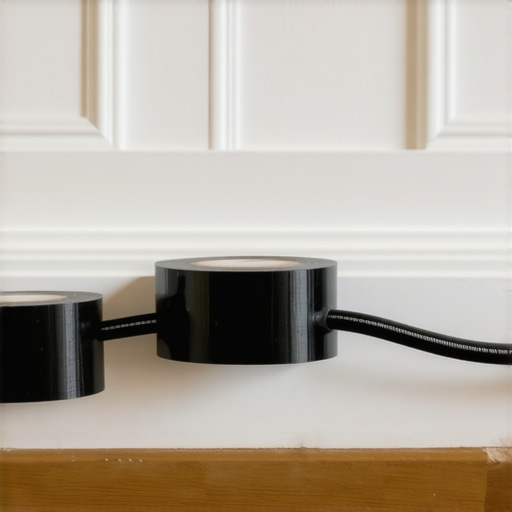
Guide Your Guests with Subconscious Visual Cues
Lighting isn’t just for seeing; it’s for moving. You can use brightness levels to pull people toward the bar or the buffet without saying a word. Learning how to use lighting to guide guests through a venue is essential for controlling the flow of a crowded room. Keep the paths slightly dimmer than the destinations. This creates a natural gravity that prevents clustering in the wrong spots. If the bar is the brightest spot in the room, that is where everyone will stay. Use your backup LEDs to illuminate the “hero” areas like the cake table or the podium, ensuring they remain the focal point even if the main house lights have to be dimmed for effect.
The Myth of the All-Inclusive Venue
Most planners assume that booking a high-end estate solves all logistical problems. We call this the all-inclusive trap. In reality, the hidden benefit of choosing an all-inclusive venue often comes with a major catch: outdated electrical systems. I have seen 100-year-old mansions with stunning ballrooms that simply cannot handle a modern LED wall and three industrial catering ovens simultaneously. Everyone tells you to trust the venue’s coordinator, but in my experience, you should verify the circuit loads personally. If you do not see the breaker map, you are flying blind.
Why do seasoned planners still struggle with power distribution?
It is not just about having enough outlets; it is about the phantom load. Modern catering involves high-draw induction burners and specialty espresso machines that pull far more amperage than traditional equipment. According to research from the International Association of Venue Managers (IAVM), infrastructure failures like power overloads account for nearly 20% of on-site technical delays in heritage venues. This is why your wedding budget needs a 10 percent expect the unexpected fund specifically for electrical distribution or emergency generators. 
The Danger of Blindly Trusting a Preferred Vendor List
We often think the preferred list is a guarantee of quality. Sometimes, it is just a list of people who have been there the longest. The hidden cost of only using preferred vendors at popular venues is that they can become complacent. They know the venue’s quirks, but they might lack the emergency kit mindset that an outside specialist brings. Another nuance people miss is the difference between a staffing agency and a service partner. An agency sends bodies; a partner sends experts who know how to spot a flickering circuit before the guests arrive. I once saw a lead server save a gala because they noticed the kitchen hot-box was on the same circuit as the DJ. That kind of foresight is what differentiates a successful event from a dark room.
How to spot true expertise in your service team?
Great service is felt, not seen. When you elevate your wedding with professional servers, you are paying for their ability to manage the flow without interrupting the conversation. Pro servers use non-verbal cues to indicate when a circuit is under stress or when the buffet needs a quick rotation. This level of optimizing server efficiency to enhance event satisfaction is what prevents the mid-event lull that kills guest energy. Have you ever fallen into this trap where you trusted the wrong expert only to have a glitch ruin the moment? Let me know in the comments.I’ve spent years refining the “kit” that stays in the back of my van because it isn’t just about backup bulbs anymore; it is about the infrastructure that supports a team when things get complicated. When you are looking at elegant wedding venues and catering inspiration for 2025, you have to think about the longevity of your equipment. I swear by high-capacity portable power stations like the Jackery Explorer series. Why? Because they are silent. Unlike gas generators, they can sit under a cake table and power a spotlight for six hours without a hum. This level of preparation is what separates top servers for a seamless wedding reception from those who are constantly running to the kitchen to ask for help.
How do I keep the same magic when I am not at every table?
The answer lies in standardized checklists and real-time communication. According to the Event Safety Alliance, standardized communication protocols reduce on-site incident rates by nearly 30 percent. I use a dedicated channel on Slack for every event, but I also provide my lead with a physical “battle box.” This contains everything from heavy-duty zip ties to an extra copy of the ultimate guide to corporate event catering logistics. Scaling means trusting your team to have the same “emergency eyes” you do. If you want to master corporate event planning secrets to seamless success, you have to invest in the tools that make their jobs easier, like high-speed digital thermometers and noise-canceling headsets for the floor leads. 
The Secret Weapon of Longevity
Maintenance isn’t just about the gear; it is about the health of the people performing the tasks. You need a system for optimizing server efficiency to enhance event satisfaction that does not burn out your staff before the main course is served. I have found that providing a “recharge station” with snacks and hydration specifically for the crew is the best tool for maintaining high performance through a 12-hour shift. This is often overlooked in corporate event catering strategies for success, but a tired server is a server who misses the signs of a flickering breaker. I recommend you try this: next time you have a major event, audit your equipment using the NFPA 70 (National Electrical Code) standards for temporary power. It sounds like overkill, but knowing exactly how many amps your coffee urns draw—usually between 12 to 15 amps for a standard 100-cup model—prevents 90 percent of the technical disasters I have mentioned.
Future-Proof Your Event Flow
Looking ahead, the next big shift is going to be AI-driven floor mapping and occupancy sensors. We are already seeing tools that can predict guest congestion based on the placement of the bar and buffet. This is a game-changer for your essential checklist for successful corporate event catering. Instead of guessing, we can use data to see that placing the coffee station next to the exit will cause a 20-minute bottleneck. If you want to truly stand out, take my most advanced tip: buy a professional laser distance measure. Stop eyeballing the distance between tables and start using precise measurements to ensure server skills that make every event stand out are supported by a clear, unobstructed path. Try it at your next walkthrough; it changes the way you see the room and ensures your layout is as functional as it is beautiful.
Lessons from the Night the Power Died
Redundancy is never a luxury; it is the professional baseline for any high-stakes gathering. I used to think a backup plan was just for bad luck, but I’ve realized it is the only way to guarantee a client’s peace of mind. The real hero in a room isn’t the one with the loudest voice, but the server who identifies a flickering circuit or a dimming bulb before the guests even notice. This level of proactive thinking is exactly why the best corporate event servers for 2025 are those who treat the technical floor plan as seriously as the menu. I have also learned that timing is everything during the planning phase. You must understand why venue walkthroughs should happen at the same time as your event, as electrical demand and lighting needs change drastically once the sun goes down and the kitchen hits peak capacity. Always plan for the atmosphere you will actually be working in, not just the empty room you see on a Tuesday morning.
The Gear Every Pro Needs
I never leave for a site without my “Event First Aid” kit, which focuses more on infrastructure than bandages. This includes silent, high-capacity portable power stations that can hide under a cake table, a professional laser distance measure to ensure layout precision, and rolls of high-grade matte gaffer tape. These tools are the backbone of corporate event catering strategies for success because they allow you to solve problems before they become visible to the host. I trust these specific items because they have saved my reputation in heritage venues where the wiring was decades behind the technology we were bringing in. Having your own power and measurement tools ensures you are never at the mercy of an unfamiliar building’s quirks.
Build the Future of Your Events
You now have the blueprint to move beyond simply surviving an event to truly mastering the environment. When you are scouting elegant wedding venues and catering inspiration for 2025, look past the aesthetics and investigate the bones of the operation. You have the knowledge to anticipate technical gaps and turn potential chaos into a seamless, magical experience that feels effortless to your guests. What is the one technical glitch you are most afraid of happening during a live event? Let me know in the comments below!