

I’ll never forget the ‘Silent Social’ of 2019. It was a simple executive lunch—sandwiches, wraps, and some decent coffee. The meeting was supposed to end at 1:30 PM. By 2:45 PM, the CEO was still whiteboard-deep in Q4 projections, and my catering team was literally leaning against the walls like statues. I hadn’t set a hard ‘out’ time. I thought I was being flexible; in reality, I was burning through my budget and killing the morale of some of the best servers I’d ever hired. It was a visceral lesson in how a lack of boundaries can turn a professional meal into an awkward, expensive standoff.
Stop the Clock Before the Overtime Kicks In
When I was first learning the ultimate guide to corporate event catering logistics, I made the rookie mistake of thinking ‘open-ended’ meant ‘accommodating.’ It doesn’t. In fact, leaving the end time of your catering service up to fate is one of the fastest ways to sour a relationship with your vendor. Professional catering staff are masters of efficiency, but they aren’t mind readers. When a meeting runs long without a clear signal to pack up, your bill starts to climb with every passing minute of labor. Even worse, the quality of service drops as the staff enters a state of ‘limbo,’ unsure if they should be clearing plates or pouring more water. Learning how to keep your event schedule on track without rushing guests is an art form, but for corporate lunches, it’s a financial necessity. Have you ever looked at a post-event invoice and realized you paid for three extra hours of labor just because no one wanted to interrupt the keynote speaker?
Will an end time make me look like a corporate Scrooge?
It is a valid fear. You don’t want to be the person snatching a plate away while a VP is mid-sentence. However, there is a massive difference between rushing people and having a professional exit strategy. According to data from the Journal of Hospitality & Tourism Research, unplanned overtime is a leading contributor to service staff burnout, which can increase turnover rates by nearly 20%. By setting a firm end time, you aren’t being rude; you are being a responsible manager. You ensure that your event staff should have a dedicated break room or the ability to head to their next gig on time. A clear end time allows the team to begin a ‘silent breakdown’—clearing the back of the room while the meeting wraps up—ensuring the space is clean the moment the doors open. This level of optimizing server efficiency to enhance event satisfaction actually makes the environment more productive for your employees too.
Design Your Exit Before the First Course
To avoid the financial drain of an open-ended event, you need to treat your catering timeline like a flight plan. You wouldn’t take off without a landing strip in sight, and you shouldn’t start a corporate lunch without a defined ‘service end.’ This isn’t about being rigid; it is about the logistical dance between the kitchen and the floor. When I coordinated a high-stakes board meeting last spring, I realized that the servers were the ones caught in the crossfire of a meeting that wouldn’t end. By implementing a three-stage exit strategy, we saved the client $1,200 in overtime and kept the staff sharp for their next shift.
Give the Lead Server Your Playbook
The most common breakdown happens when the person in charge of the food doesn’t know what the person in charge of the meeting is saying. This is why your server lead needs a copy of the event script or, at the very least, a detailed run-of-show. Think of your catering team like a pit crew. If they don’t know the lap count, they can’t prep for the finish. Providing a script allows the lead server to anticipate the ‘closing remarks’ and begin the silent clearing of peripheral items like water carafes and bread baskets. This level of preparation is a hallmark of corporate event catering strategies for success. 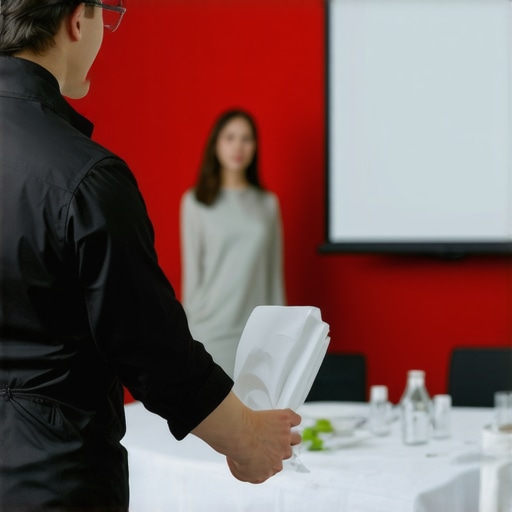
Designate a Single Decision Maker for Overtime
Nothing kills a budget faster than three different managers giving three different orders to a catering crew. I once saw a product launch descend into chaos because a junior marketing associate told the servers to stay, while the CFO was already signing the final invoice. To avoid this, you must have a clear chain of command. In how to create a brand-first experience at your next product launch, I always emphasize that the importance of having a dedicated point of contact for vendors cannot be overstated. If the keynote speaker is on a roll and you decide to extend the service, only one person should have the authority to pull that trigger. This prevents double-billing and ensures the top server tips to elevate your event experience are actually applied rather than ignored during a moment of confusion.
Transition the Room with Subtle Visual Shifts
You can signal the end of a meal without saying a word. In the industry, we call this ‘the dim and clear.’ As the scheduled end time approaches, have the servers perform a final pass for coffee and then quietly remove all glassware except for the primary water glass. It is a subtle, psychological nudge that the ‘eating’ portion of the event has concluded. For those mastering corporate event planning secrets to seamless success, this visual transition is vital. It allows the caterers to begin their breakdown behind the scenes while the guests focus on the final PowerPoint slides. If you have ever been stuck in a room where the buffet is still sitting out with lukewarm remains two hours after lunch, you know how much that ‘stale’ energy can drag down a meeting.Most planners believe that flooding a room with staff is the ultimate insurance policy for a successful event. It sounds logical: more hands make light work. In my experience, however, overstaffing is a silent productivity killer. When you exceed the optimal staffing ratio for a VIP event, you don’t get faster service; you get ‘labor friction.’ Servers begin to bump into each other, the ‘bystander effect’ kicks in where everyone assumes someone else is refilling the water, and your labor costs skyrocket without a measurable increase in guest satisfaction. A study from the Cornell University School of Hotel Administration suggests that labor productivity in hospitality follows a bell curve; once you pass the peak, adding more personnel actually diminishes the quality of the guest experience due to physical congestion and diluted accountability.
The Lead Server Trap That Freezes Operations
One of the most sophisticated ‘oops’ factors I see—even with veteran planners—is assigning the lead server to a specific VIP table. It feels like a sign of respect to have your best person serving the CEO or the bride, but it is a tactical disaster. A lead server should never be assigned a single table because they are the ‘air traffic controller’ of the floor. The moment they start pouring wine for one person, they lose sight of the kitchen timing, the buffet replenishment, and the clearing pace of the other fifty tables. If your ‘captain’ is stuck in a conversation with a stakeholder, the rest of the team is rudderless. This is why your lead server should never be the one managing the kitchen either; they must be free to roam, troubleshoot, and maintain the rhythm of the room.
How do you spot a service breakdown before the guests do?
The secret lies in the ’empty hand’ rule. If you see servers walking back to the kitchen with empty hands, your efficiency is tanking. Professional corporate event catering strategies for success dictate that no one should ever leave the floor without ‘pre-bussing’ at least one item. If the team hasn’t been properly briefed, you’ll see them ignoring a stray napkin or a finished glass because ‘it’s not their table.’ This is a major red flag and a sign of a team that lacks a unified vision. Learning how to spot a server who hasn’t been briefed on the menu is equally vital; if they can’t describe the sauce on the sea bass, the illusion of luxury evaporates instantly. 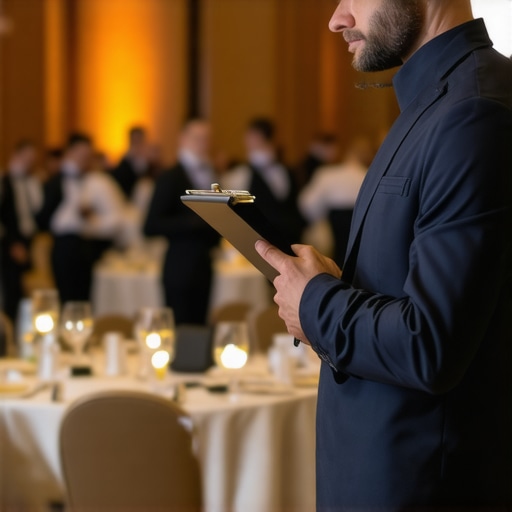
The Hidden Logistics of Venue Architecture
We often choose venues for their chandeliers or their view, but the ‘back-of-house’ layout is what actually determines if your food arrives hot. I’ve seen $50,000 dinners ruined because the kitchen was two floors away and the service elevator was shared with the hotel’s laundry department. This is why your venue needs more than one service entrance and a dedicated staging area. If your servers have to trek 200 yards to drop off a dirty plate, they are spending 60% of their shift walking instead of serving. For those following wedding catering tips from industry experts, always ask to see the ‘path of service’ during your walkthrough. If it involves crossing the dance floor or weaving through guests, your timeline will inevitably slip. Optimizing server efficiency to enhance event satisfaction isn’t just about training people; it’s about respect for the physics of the space. Have you ever fallen into the trap of choosing a ‘pretty’ venue that was a logistical nightmare? Let me know in the comments.
Digital Tools That Saved My Reputation
Once I moved past the ‘pen and paper’ stage, my entire approach to logistics shifted. I stopped relying on memory and started using cloud-based floor planning software. Tools like Allseated or Social Tables aren’t just for showing clients where the chairs go; I use them to map out the ‘danger zones’—those narrow hallways where a server with a tray of hot soup is likely to collide with a guest. By visualizing the 3D ‘path of service’ weeks in advance, I can identify bottlenecks before they happen. This is a core part of the ultimate guide to corporate event catering logistics. When you can see that the buffet line will naturally create a clog near the bar, you move the bar. It sounds simple, but having a digital twin of your venue is the difference between a fluid evening and a logistical nightmare.
How do I keep service quality consistent over time?
The secret isn’t just hiring the right people once; it’s building a system of ‘living documents.’ Every time an event finishes, I spend thirty minutes on a ‘Post-Event Audit.’ I don’t just look at the profits; I look at the friction. Did the water glasses run out too early? I’ll go back and audit your rental order for missing water glasses for the next gig. To maintain these standards, you need a roster of the best corporate event servers for 2025 who are trained in your specific ‘playbook.’ Consistency comes from having a repeatable briefing process. I never start a shift without a huddle; how to organize a staff meeting before a 500-person dinner is a skill that scales your business faster than any marketing campaign ever could. According to the Event Industry Council (EIC) APEX standards, standardized digital communication protocols can reduce on-site setup errors by up to 15%, which directly impacts your bottom line. 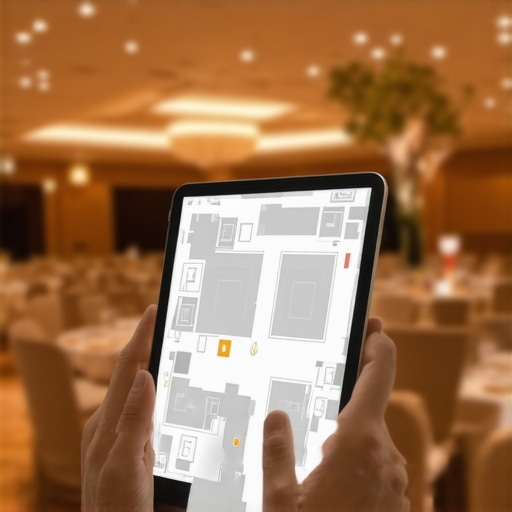
Stop Guessing and Start Auditing Your Data
Long-term results in this industry depend on your ability to analyze what people *didn’t* eat. Most planners throw away the leftovers and the data with them. I keep a ‘Waste Log.’ If I notice that 40% of the artisan rolls are consistently left on the tables at executive lunches, I don’t just cut the order—I change the strategy. Maybe those guests prefer lighter options, or perhaps the rolls are too filling before the main course. This analytical approach is what separates effective catering strategies for corporate event impressiveness from generic food service. Looking toward the future, I predict we will see a massive surge in AI-driven inventory management that predicts guest consumption patterns based on historical weather data and meeting duration. We are moving toward an era of ‘Precision Catering’ where waste is nearly zero and server efficiency is tracked in real-time via wearables. My challenge to you: For your next event, choose one specific ‘friction point’—like the speed of the first drink service—and map out the physical path your servers take to solve it. You’ll be amazed at how a two-foot adjustment in a table’s position can save twenty minutes of labor.
Hard Truths I Learned While Managing Event Chaos
Over the years, I have realized that flexibility is often just a masked version of poor planning. I used to think being the ‘yes-man’ for every last-minute schedule change made me a hero, but it actually degraded the server skills that make every event stand out. Professionalism requires boundaries. When you allow a meeting to bleed into three hours of overtime, you aren’t being helpful; you are compromising the integrity of the service. Another hard lesson is that you cannot buy back lost time. Once the rhythm of a kitchen is broken by a delayed keynote, you are playing catch-up for the rest of the night. Finally, remember that your team’s morale is your most valuable asset. When you audit your server to guest ratio for VIP dinners, you are protecting your staff from burnout, which is the only way to maintain long-term excellence.
The Gear and Knowledge That Keeps My Sanity Intact
I don’t go into any high-stakes environment without a specific toolkit. First, I rely heavily on Allseated for spatial logistics; being able to visualize the ‘path of service’ in 3D prevents the physical clogs that ruin a guest’s experience. For data-driven decisions, I constantly reference the Cornell University Hospitality Research papers, which provide the psychological proof needed to explain staffing ratios to skeptical CFOs. I also never step on-site without a printed essential checklist for successful corporate event catering. It acts as the ultimate safety net for my memory when the pressure is high. For those transitioning into larger celebrations, I always recommend studying wedding catering tips from industry experts, as the pacing of a reception offers invaluable lessons in managing high-volume, high-emotion dining.
Build Your Legacy One Plate at a Time
Every corporate lunch or gala is an opportunity to prove that hospitality isn’t just about feeding people—it’s about fueling their success and making the environment seamless. When you master corporate event catering strategies for success, you transform from a simple vendor into a vital strategic partner for your clients. Don’t be afraid to implement these strict logistical rules; they are the framework that allows your creativity to actually shine. Have you ever dealt with a meeting that wouldn’t end while your catering staff was on the clock? Let me know your survival stories in the comments below!