

I was standing in the middle of a stunning, high-ceilinged industrial loft for a client’s 50th anniversary. The décor was flawless. The professional staff were executing the service perfectly. But ten minutes into the cocktail hour, I realized I’d made a catastrophic mistake. The “clink” of a single glass sounded like a gunshot, and 200 guests trying to talk over each other created a literal wall of noise that made conversation impossible. I watched as people leaned in, straining their necks, and eventually, they just stopped trying to talk altogether. It was a sensory nightmare that taught me a brutal lesson: a beautiful room is useless if your guests can’t hear their own thoughts. Today, I’m going to share how to manage those chaotic soundwaves so your next event feels lively rather than deafening. Have you ever walked into a party and immediately felt like you needed to yell just to say hello?
The Secret Sound Battle Your Guests Are Losing
Early in my career, I assumed that high ceilings and open floor plans were the gold standard for luxury. I didn’t realize I was actually building an echo chamber. I forgot that sound is basically a physical object that bounces off hard surfaces like a ping-pong ball. At that anniversary party, I had failed to mask the echo in that industrial venue, and it nearly ruined the evening. According to architectural acoustics research from the University of Salford, noise levels in crowded social settings often exceed 80 decibels—the equivalent of standing next to a running garbage disposal—which actually triggers a physiological stress response. When guests are stressed, they leave early. To prevent this, we need to look at the room from a “softness” perspective. I now always tell my clients that top-tier server techniques aren’t just about how the food is delivered; they’re about how the staff moves through a space to minimize clatter. We will dive into how strategic layout and material choices can save your event’s atmosphere.
Is Professional Sound Proofing Really Worth the Hype?
You might think you need to spend thousands on permanent acoustic panels, but the reality is much more manageable. Most of the time, the fix is about “breaking up” the sound before it has a chance to hit a flat wall. If you are planning an outdoor ceremony or a large indoor gala, the physics change, but the goal remains the same: keep the energy in the conversation, not the air. Let’s look at the practical ways we can dampen the roar without sacrificing style.To turn a cavernous room into an intimate sanctuary, you have to treat sound like a flood that needs to be absorbed, not a ball that can be ignored. Think of your walls as giant sponges. If they are hard brick, polished concrete, or glass, the ‘water’—your guests’ voices—will just pool up and drown everyone. I’ve found that the most effective way to start is by literally draping the problem away. Using heavy, floor-to-ceiling velvet drapes doesn’t just look like a fairytale wedding atmosphere; it creates a massive acoustic trap that catches sound waves before they can ricochet. I once saw a corporate gala transform from a chaotic shouting match to a comfortable hum just by adding three-inch-thick velvet panels behind the main stage and covering the primary parallel walls. 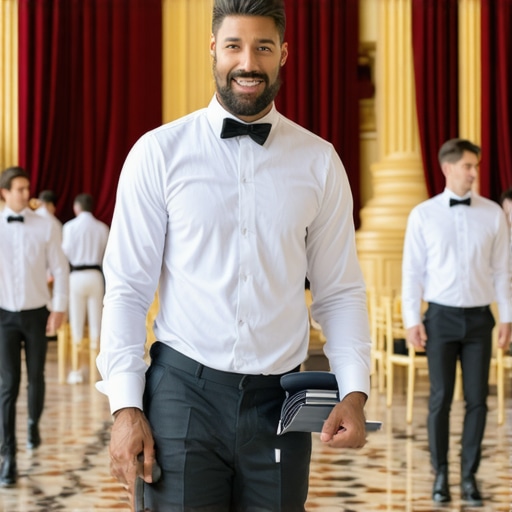
Why Hard Surfaces Are the Enemy of Good Conversation
When you are picking out your rental list, it’s incredibly easy to get seduced by the sleek, minimalist look of modern furniture. However, for the sake of your guests’ ears, you should avoid using glass tables in busy areas at all costs. Glass is essentially a sounding board for every fork drop, plate slide, and glass clink. I remember a high-stakes charity auction where the ‘prestige’ VIP section had beautiful glass-topped tables. Every time a donor set down a champagne flute, the sound resonated through the entire row, distracting the auctioneer and making the high-rollers visibly irritable. Switching to solid wood or linen-covered tables provides a soft landing spot that kills impact noise immediately.
Train Your Team to Clear Plates Like Ninjas
Even the most perfectly dampened room will fail if your catering staff sounds like a construction crew during the meal. I’ve learned the hard way that you must specifically handle plate clearing during a seated executive presentation with extreme delicacy. At a tech summit in 2022, we had a keynote speaker who spoke in very soft, measured tones. My team was so efficient at clearing that they didn’t realize the ‘clacking’ of porcelain being stacked in the back of the room was being picked up by the speaker’s sensitive lapel mic. It sounded like a hailstorm on a tin roof to the audience. Now, I insist on rubber mats for every bus tub and tray, and I teach my staff to never stack more than three plates at a time while in the dining room. This is the only way to ensure you know how to keep the kitchen noise from ruining your keynote speech.
Break Up the Air with Furniture Islands
A massive, empty center floor is a high-speed highway for noise. To disrupt the flow of these chaotic waves, you need to create physical obstacles. This is where the best way to layout a VIP lounge in a convention hall becomes a tactical advantage. By placing soft-seating clusters—think plush sofas, oversized ottomans, and thick area rugs—in the middle of a large space, you break up the ‘bounce’ paths of sound waves. It’s like putting large rocks in a rushing stream to slow down the current; the physical mass of the furniture absorbs the energy.
The Logic of Smart Bar Placement
We often want the bar to be the center of attention, but from an acoustic standpoint, the bar is the loudest engine in the room. I always apply the logic of placing the bar away from the entrance and the main seating area. If you put the ‘loud’ zone (the bar) right next to the ‘listening’ zone (the dinner tables), nobody wins. By moving the bar to a peripheral area with its own heavy draping or carpeted floor, you create a natural volume gradient. This allows social butterflies to enjoy their high-energy environment without ruining the experience for those who actually want to hear the person sitting across from them.Most planners believe that if you just keep adding more people to the floor, service will magically speed up. I call this the ‘Crowded Kitchen Fallacy.’ In my fifteen years of catering, I’ve seen 30 uncoordinated servers cause more damage than 15 elite pros. When the floor is too crowded, servers start bumping into each other, and that’s when the noise level—and the breakage rate—spikes. You need to focus on optimizing server efficiency to enhance event satisfaction rather than just hitting a head count. There’s a dangerous trap here: the ‘warm body’ recruitment strategy. When you’re desperate, it’s easy to think that a student in a white shirt is ‘good enough.’ But the hidden risks of hiring student servers for high-end events go beyond just slow service. They often lack the ‘event sense’ to know when to linger and when to disappear. I once saw a temporary staffer try to clear a plate while a CEO was mid-sentence during a high-stakes merger announcement. It wasn’t just awkward; it was a breach of protocol that made the host look amateur.
Can You Really Over-Staff Your Own Event?
The answer is a resounding yes. According to research from the Cornell School of Hotel Administration regarding hospitality service climates, the quality of communication within a team significantly outweighs the sheer number of staff members present. When a floor is over-saturated, ‘social loafing’ kicks in—a psychological phenomenon where individuals put in less effort because they assume someone else is handling the task. To avoid this, understanding why your server team needs a clear chain of command on site is the most critical piece of the puzzle. Every five servers need a captain who isn’t serving, but is instead acting as the ‘eyes’ of the room. When you are looking for talent, you have to know how to spot a professional server in an interview. It’s not just about their years of experience; it’s about their peripheral awareness. Do they notice the empty water glass three tables away? That’s what server skills that make every event stand out look like in practice. 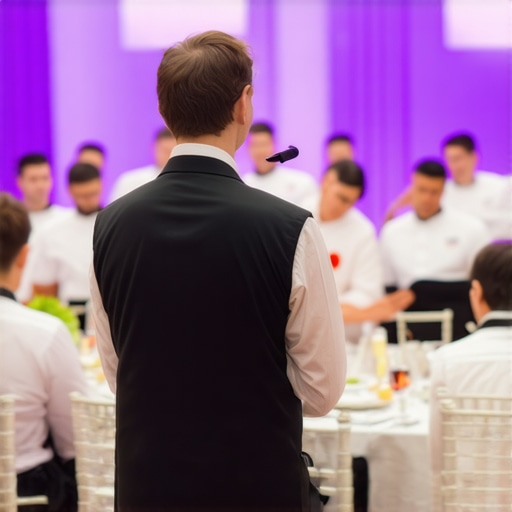 Another nuance people miss is the ‘staffing ratio’ trap. While a 1:10 ratio is standard when planning the ultimate wedding reception meal, a VIP gala requires a completely different math. You have to learn how to choose the right staffing ratio for a VIP event based on the complexity of the menu and the layout of the room, not just the guest count. Have you ever fallen into this trap of thinking more people equals better results? Let me know in the comments.
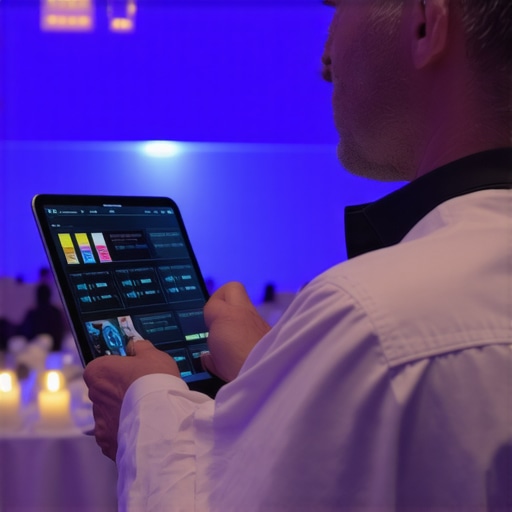
Managing the roar of a 500-person gala isn’t just about the initial setup; it’s about constant, vigilant maintenance. I personally never walk into a venue without my iPad loaded with specialized acoustic mapping software. I’ve found that the NIOSH Sound Level Meter app is an absolute lifesaver for real-time monitoring. According to the National Institute for Occupational Safety and Health (NIOSH), noise exposure shouldn’t just be measured for safety, but for comfort; once you hit that 80-decibel threshold, the ‘cocktail party effect’ kicks in, and people start shouting. When I see the levels spiking, I don’t just hope it gets better. I instruct my team to adjust the dampening drapes or slightly lower the background music to encourage a natural drop in guest volume. This level of detail is exactly how we ensure you know how to keep the kitchen noise from ruining your keynote speech.
Equip Your Team with Stealth Technology
Beyond sound meters, the tools we use behind the scenes make or break the ‘magic’ of the evening. I’ve transitioned my entire lead staff to bone-conduction headsets. Unlike traditional walkie-talkies that ‘crackle’ at the worst moments, these allow captains to communicate silently while still being able to hear the ambient room noise and guest requests. It’s a core part of effective catering strategies for corporate event impressiveness. We also use digital inventory checklists to prevent the small disasters that lead to loud mistakes. I always insist that my leads know how to audit your rental order for missing water glasses four hours before the first guest arrives. Missing glass creates a frantic staff, and a frantic staff is a loud staff.
How do I maintain consistent service quality as the night progresses?
The biggest challenge isn’t the first hour; it’s the fifth. As fatigue sets in, plates get heavier and movements get clunkier. To maintain the ‘ninja-like’ silence I demand, I implement a ‘mid-shift reset.’ This is a five-minute huddle where we swap out heavy bus tubs for fresh ones and check the rubber matting in the breakdown area. It’s these tiny maintenance steps that define mastering corporate event planning secrets to seamless success. If you are recording the speeches, you also need to double-check why your videographer needs a soundboard patch for the toasts. If they are just using a shotgun mic on the camera, they will pick up every single fork-clink in the room, no matter how much velvet you’ve hung on the walls.
The Rise of Invisible Sound Management
Looking ahead, I predict a massive shift toward ‘active’ acoustic furniture. We are already seeing the prototypes: chairs and tables built with internal resonators that specifically cancel out the frequency of human speech. Imagine a room where the louder it gets, the more the furniture works to ‘eat’ the sound. Until that becomes the standard, we have to rely on smart logistics and elite training. I highly recommend you try this: next time you are at your venue for a walkthrough, stand in the center of the room and clap your hands as hard as you can. If you hear a ‘zing’ or a sharp echo, you have a problem that no amount of fancy food can fix. Give that a try at your next site visit and see just how much work your room needs. If you need help troubleshooting a difficult space, you can always contact us for a professional consultation.
Hard Truths from a Decade of Silent Service
One of the biggest ‘lightbulb moments’ in my fifteen years of catering was realizing that guests don’t remember the floral centerpieces nearly as much as they remember how they felt. If they leave with a physical headache from shouting over a roar, even the most expensive decor is a failure. First, peripheral awareness is a professional superpower. I have observed that server skills that make every event stand out usually begin at the feet—wearing soft-soled, high-quality footwear to dampen the thud of footfalls on marble or concrete floors. Second, the ‘silent check-in’ is an art form that separates the amateurs from the elites. Instead of interrupting a deep business conversation with a loud verbal question, a truly pro server makes eye contact and waits for a subtle nod. Finally, why your server team needs a clear chain of command on site becomes glaringly obvious during the dinner transitions; without a captain to pace the movement, the clatter of clearing 200 plates simultaneously sounds like a rhythmic disaster.
The Gear That Keeps My Ears Sane
If you want to move beyond guessing whether a room is too loud, you need to treat acoustics like the science it is. I never run a high-stakes board meeting or gala without the Decibel X app on my phone to track noise trends in real-time. For truly silent coordination among the leads, I rely on bone-conduction headsets; they allow my captains to communicate without losing touch with the room’s ambient sound or guest requests. I also frequently recommend the book The Art of Gathering by Priya Parker to my clients, as it completely shifts the focus toward the emotional purpose of a space rather than just the aesthetic. Integrating these tools into your workflow is a pillar of effective catering strategies for corporate event impressiveness because it proves you are managing the total experience, not just the logistics. #IMAGE_PLACEHOLDER_E#
Crafting a Legacy of Quiet Luxury
True luxury is often defined by what is missing: absence of stress, lack of intrusive noise, and the total removal of friction. When you invest time into corporate event catering strategies for success, you aren’t just purchasing a meal; you are engineering an environment where genuine human connections can flourish. Don’t be afraid to demand acoustic softness from your venue and ‘ninja’ silence from your service vendors. Whether you are planning a fairytale wedding atmosphere or a high-pressure executive summit, your professional legacy will be the lasting comfort of your guests. Have you ever been at a beautiful gala but felt like you had to shout just to be heard across a standard dinner table? Let me know your worst ‘echo chamber’ stories in the comments below.