

I will never forget the sinking feeling I had at a massive industry summit five years ago. I had spent months coordinating the keynote and the catering, but I treated the VIP lounge as a last-minute addition—essentially a quiet corner with some standard rentals and a few bowls of mints. I watched as our top-tier sponsors walked in, stood awkwardly for two minutes because there was nowhere inviting to sit, and then shuffled back out to the noisy exhibition floor. It was a total failure of hospitality. That painful moment taught me that a VIP lounge isn’t just a room; it’s a strategic environment that can either foster high-level deals or drive your most important guests away. Today, I am going to share exactly how to fix that.
Give Your Guests a Reason to Stay and Talk
The secret to a successful layout isn’t about how much you spend on velvet sofas, but how you manage the flow of people and energy. When you are mastering corporate event planning secrets, you quickly realize that the physical layout dictates social behavior. If you cram the seating together, people feel claustrophobic. If you spread it too thin, the room feels cold and empty. I made the classic mistake early on of placing the catering station right next to the entrance. It seemed logical—feed them immediately!—but it created a human traffic jam that blocked anyone else from entering. Now, I always follow the logic of placing the bar as far from the entrance as possible. This simple shift pulls guests deep into the room, encouraging them to see every seating vignette and settle in for a real conversation. You also have to think about who is looking after these guests. A common pitfall is understaffing. I’ve learned the hard way that a VIP feels ignored the second they have to look around for a drink refill. Learning how to choose the right staffing ratio for a VIP event is non-negotiable if you want that premium, exclusive vibe to be authentic.
Is a High-End Lounge Actually Worth the Effort?
I get it—you’re worried about the footprint and the overhead. But think of it this way: according to data from Exhibit Surveys, Inc., roughly 82% of trade show attendees have buying authority. If you provide a sanctuary from the chaos of the convention hall, you aren’t just giving them a chair; you are buying time. You are creating a space where they can actually hear your value proposition without a megaphone blaring in the next booth over. When you’re looking at your essential checklist for successful corporate event catering, remember that the “where” is just as important as the “what.” Have you ever felt like a VIP lounge was more of a “VIP closet”? I’d love to hear about the worst lounge layout you’ve ever had to navigate in the comments below. Let’s look at how we can actually map out the floor plan to ensure every square foot is working for you.
Divide the Space to Control the Flow
To turn a generic room into an exclusive retreat, you have to think like an urban planner. You need clear ‘neighborhoods’ within the lounge. I always designate a high-energy zone near the bar for quick hellos, and a low-energy zone in the back for actual business discussions. If you mix these, the guy trying to close a six-figure deal will be drowned out by the clinking of glasses. Think of your layout like a high-end hotel lobby rather than a school cafeteria. This is where the ultimate guide to corporate event catering logistics becomes your bible; every piece of furniture must have a purpose. 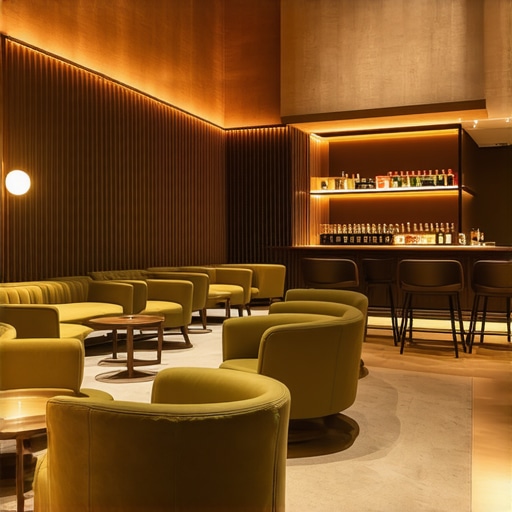
Ditch the Round Tables
One of the biggest mistakes I see is the use of standard banquet rounds in a lounge. It is a mood killer. I remember a tech launch in 2019 where the client insisted on 60-inch rounds because they already owned them. The result? The room felt like a wedding rehearsal dinner, not a VIP experience. People sat in closed circles, and networking died. Now, I advocate for varied heights—low lounge seating paired with high-top cocktail tables. This forces different eye levels and makes the room feel dynamic. It is well-documented why round tables kill the energy at corporate networking mixers, so opt for rectangular communal tables or modular sofas that invite guests to lean in.
The Captain Method for Flawless Service
Your staffing strategy is the engine under the hood of the lounge experience. You don’t just need bodies; you need specialists. I use what I call the ‘Captain Method.’ Instead of having every server do everything, I assign a Lead Server to oversee specific zones. This ensures that a guest never waits more than thirty seconds for a glass of water or a discarded napkin to be cleared. You want to look for server skills that make every event stand out, such as the ability to anticipate a guest’s needs before they even ask. A crucial rule I’ve adopted is why a lead server should never be assigned a single table; they need to be the ‘air traffic controllers’ of the floor, moving where the friction is highest.
Prioritize Cold Prep and Quick Bites
In a VIP environment, speed is the ultimate luxury. If a guest has to wait for a chef to plate a complex dish, they feel their time is being wasted. I focus on high-end ‘grab and go’ style small plates that are already plated and ready to move. This is exactly why small bites are better for high stakes networking. I once managed a VIP lounge where we tried to serve a hot risotto. It was a disaster—the steam fogged up people’s glasses and the service was too slow. We switched to chilled wagyu beef carpaccio bites and the energy immediately picked up. To keep things moving even faster, remember that why pre-pouring water is the secret to a fast service start cannot be overstated. It allows your team to focus on the more complex drink orders the moment a guest sits down.Building on the Captain Method, we need to address the elephant in the room: the ‘Choice Paradox.’ Most planners think a VIP expects a massive menu and a buffet the size of a city block. In reality, your high-net-worth guests are already suffering from decision fatigue. According to a landmark study by Sheena Iyengar at Columbia University, providing too many options—even high-quality ones—leads to paralysis and dissatisfaction. In a VIP lounge, this manifests as guests hovering awkwardly at the catering station, unable to decide, which kills the flow of networking. This is where corporate event catering strategies for success shift from quantity to curated quality. I’ve seen planners fall into the trap of hiring ‘temp’ bodies and dressing them in vests, assuming they can fake a premium experience. But if you don’t know how to spot a fake luxury server team before they ruin your gala, you’re in for a shock when a guest asks about a vintage and the server stares back blankly. A professional doesn’t just ‘work’ the room; they enhance it.
How Do You Spot a ‘Fake’ Luxury Team Before the Doors Open?
The easiest way to identify a team of amateurs is to look at their briefing process. If a server team arrives and is immediately sent to the floor without a 15-minute deep-dive on the menu, they are ‘bodies,’ not hospitality experts. I always look for how to spot a professional server in an interview by asking them to describe a dish they’ve served before—if they can’t sell me on a steak, they won’t be able to sell your brand to a VIP. 
Fewer Options Actually Make Your VIPs Happier
It sounds counter-intuitive, but limiting the menu is an act of hospitality. I once handled a board dinner where the client wanted twelve different hors d’oeuvres. By the third tray, the guests were annoyed because they had to stop their conversation every two minutes to listen to a description. We learned that effective catering strategies for corporate event impressiveness rely on three or four signature items that are flawlessly executed and easy to eat. This reduces the cognitive load on your guests, allowing them to focus on the person in front of them rather than the plate.
Why Your Server Lead Needs to Be an Insider
Another common pitfall is keeping your staff at arm’s length. I have found that why your server lead needs a copy of the event script is the most overlooked logistical detail. If the Lead Server knows that the CEO is about to start a speech, they can pull the team back and stop the clinking of silverware before it becomes a distraction. This level of synchronization is essential for optimizing server efficiency to enhance event satisfaction. Have you ever fallen into this trap where a ‘luxury’ team turned out to be amateurs? Let me know in the comments below.To keep a high-end lounge functioning like a well-oiled machine, you have to move beyond the clipboard and embrace tools that actually reduce friction. I’ve seen too many planners lose their minds trying to manage a 200-person VIP list on a spreadsheet. Personally, I’ve shifted entirely to using 7shifts for labor management and Zello for instant, discrete communication. The reason is simple: if your staff is shouting across a room or fumbling with paper schedules, the ‘luxury’ illusion shatters. When you use expert server techniques, you realize that silence is the ultimate high-end amenity. I also maintain a digital ‘Vault’ of every floor plan we’ve ever executed. This allows us to scale quickly for different venues without reinventing the wheel. If you aren’t already using a laser distance measurer like the Bosch GLM series to verify room dimensions before your rentals arrive, you’re asking for a layout disaster. This is especially true when mastering corporate event planning secrets because two inches of error can mean a blocked fire exit or a cramped bar queue.
How do I keep the quality high after the first big win?
Consistency isn’t a happy accident; it’s the result of a rigorous audit culture. After every single gala or summit, I run a 20-minute ‘Hot Wash’ meeting with the lead servers. We discuss exactly where the bottlenecks were—maybe the missing water glasses delayed the first toast, or perhaps the kitchen noise was too loud during the keynote. According to a study by the Cornell School of Hotel Administration on the ‘Service-Profit Chain,’ there is a direct, measurable link between structured internal feedback and long-term guest satisfaction. You have to treat your team like a high-performance sports crew. This means you need to know how to brief your server team on complex dietary restrictions in minutes rather than hours. 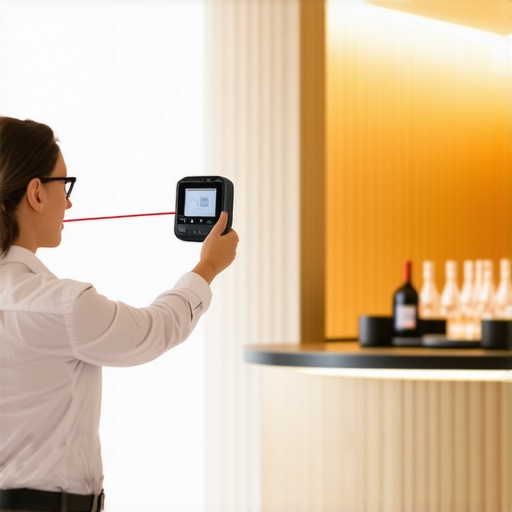
The Future of VIP Management is Hyper-Personal
Looking ahead to 2025 and beyond, I predict we will see a massive shift toward AI-driven guest profiling. Imagine a lounge where the lead server’s tablet notifies them of a guest’s specific allergies the moment they check in at the front desk, or their preferred drink from the last three events. We are already seeing the best corporate event servers for 2025 beginning to train on these data-integrated platforms. The goal is to provide a ‘frictionless’ experience where the guest never has to ask for anything because you already knew they wanted it. This is why top server tips to elevate your event experience now include digital literacy alongside silver service. To really push your service to the next level, I challenge you to implement a ‘No-Paper’ rule for your next VIP briefing. Use a shared digital dashboard that everyone can access on their phones. It forces clarity and ensures everyone is literally on the same page. If you are ready to scale your hospitality, start by auditing your tech stack as closely as you audit your menu.
Hard-Won Lessons from the VIP Trenches
Over the years, I have realized that even the most expensive decor cannot save a room that lacks heart and precision. Here are the realizations that shifted my perspective on what it means to host truly important guests. First, silence is a signal. If you can hear the clatter of plates from the back of the room, you have already lost the exclusive atmosphere. I now demand that my teams know how to keep the kitchen noise from ruining your keynote speech before we even set up the buffet. Second, energy follows the light. Guests will unconsciously avoid dark corners, making the room feel smaller than it is. I have learned how to use lighting to guide guests through a venue to ensure every seating vignette feels inviting and intentional. Finally, the staff is the show. A server who looks lost is a liability. You must know how to spot a server who hasn’t been briefed on the menu within the first five minutes of service, or your VIPs will certainly be the first to notice.
#IMAGE_PLACEHOLDER_E#
My Personal Stack for Flawless Execution
To keep the logistics from swallowing your creativity, you need a toolkit that works as hard as you do. I never walk onto a floor without these specific resources. For labor management, I rely on 7shifts. It is the only way to ensure we are optimizing server efficiency to enhance event satisfaction without the chaos of paper schedules. When it comes to the physical space, I swear by the Bosch GLM series laser measurer. It is my secret weapon for verifying that why your ballroom floor plan needs a three-foot safety buffer is actually being respected by the rental company. For discrete team coordination, I use Zello, which turns smartphones into professional-grade communication tools that don’t disturb the peace of the lounge.
Bringing the Human Element Back to VIP Spaces
At the end of the day, all the tech and logistics serve a single purpose: making another human being feel seen and respected. When you stop looking at your guests as data points and start seeing them as individuals who need a moment of respite from a busy summit, your corporate event catering shifts from a basic service to a memorable experience. Don’t be afraid to take risks with your layout or try a more curated, limited menu. The most successful events are the ones where the planner dared to prioritize the guest’s comfort over industry-standard rules. Have you ever been to a VIP lounge that felt more like a crowded waiting room than an exclusive retreat? Let me know about your best and worst lounge experiences in the comments below.