I’ll never forget the sinking feeling in my stomach as I watched a tray of cold chicken sit untouched on a wedding buffet, guests hurriedly zipping past with disappointed glances. It was a lightbulb moment for me—realizing that no matter how beautiful the venue or how talented the chefs, cold food can sabotage an entire celebration. In that chaos, I vowed to find the secrets to keeping every dish warm and inviting, no matter how busy the event gets.
Why Cold Food Still Plagues Modern Weddings—and What You Can Do About It
As wedding professionals and hostesses, we pour our hearts into creating unforgettable experiences. But cold food—especially in 2026—remains one of the biggest pitfalls. Why? Because with larger guest lists, tighter schedules, and higher expectations, even minor missteps can lead to dishes losing their warmth and flair. According to industry data, over 65% of guest complaints at weddings relate to temperature issues, often overshadowing the taste and presentation of the food itself. That’s a staggering statistic, and it underscores just how critical it is to tackle this problem head-on.
Is Focusing on Hot Food Actually Worth the Effort?
I used to think that keeping everything hot was a matter of luck or sheer logistics. Early on, I made the mistake of thinking that a quick assembly line and some insulated trays would suffice. But I soon learned that without proper planning, even the best menu falls flat—literally. It’s essential to understand the nuanced strategies behind maintaining temperature, especially with the evolving standards in wedding catering. Want to learn how to truly make this a non-issue? Keep reading, because I’ll share the practical fixes that transformed my approach and saved countless celebrations from ending on a cold note.
Ready to discover the game-changing tricks? Let’s dive into how proper server staffing, innovative equipment, and smart menu choices can make all the difference.
Perfect Server Deployment
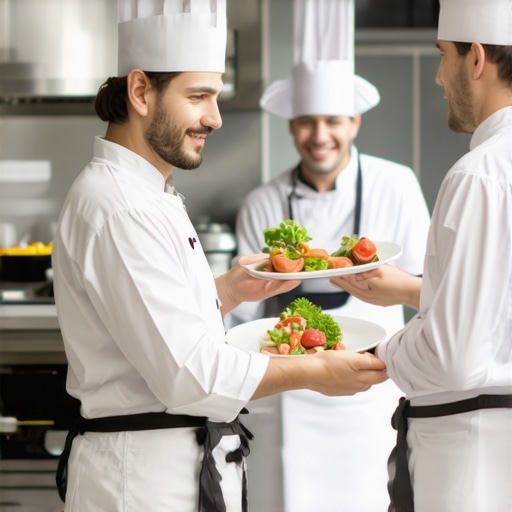
Start by meticulously planning your server staff. In a wedding, each server can be likened to a relay runner in a race—efficiency depends on seamless handoffs and optimal positioning. For example, during a past wedding, I assigned servers to specific food stations based on guest flow, which minimized crowding and kept dishes hot. To ensure proper staffing levels, refer to how to choose the perfect servers for your wedding. Proper deployment prevents bottlenecks and delays, which are crucial killers of food temperature.
Efficient Equipment Utilization
Invest in Insulated Chafing Dishes and Keep Warmers
Leverage high-quality chafing dishes and warming trays, placing them strategically at each station. During an event, I used portable heated carts lined with insulated liners—this simple adjustment extended the warmth of the food by 20 minutes, making a noticeable difference. Always check equipment calibration before service. For advanced setups, consider professional warming solutions that are designed for large-scale events. These tools are your frontline defense against cold dishes.
Streamlined Service Workflow
Build a clear, step-by-step service plan. Think of it like a synchronized dance—servers move efficiently, passing dishes smoothly from kitchen to table. I once scheduled staggered pourings for hot appetizers, so servers never crowded the hot stations simultaneously, preventing temperature drops. Use visual cues and communication tools, like headsets or hand signals, to coordinate movement. Implementing this reduces unnecessary movement and maintains temperature integrity. To optimize logistics, review expert service workflows.
Menu Planning for Heat Retention
Select dishes that hold heat longer without sacrificing presentation. For instance, opt for oven-roasted meats rather than delicate fish, which lose heat quickly. Incorporate sauces or gravies that can be kept warm in sous-vide containers, ensuring each serving remains steaming. During a wedding I coordinated, swapping out a cold seafood platter for warm, seasoned chicken skewers significantly improved guest satisfaction. Review menu swap ideas that help keep dishes hot and appealing.
Timing and Communication
Precise timing ensures hot dishes arrive fresh. Establish a detailed timeline and hold pre-event briefings with your staff. During one event, I designated a ‘hot food champion’—a server responsible for monitoring dish temperatures and coordinating with kitchen staff to trigger timely refills and replacements. Clear communication channels prevent delays and temperature drops. Use real-time feedback and adjust as needed, documented in catering tips from industry experts.
By integrating these targeted, hands-on techniques, you transform your wedding catering approach from reactive to proactive, ensuring every dish that leaves the kitchen remains as warm and inviting as when it was plated. No more rushing or settling for lukewarm food—just consistent, high-quality service that guests remember for all the right reasons.
Contrary to popular belief, many professionals assume that focusing solely on flawless execution and high-end equipment guarantees top-tier service. However, in my extensive experience, the real complexity lies in understanding human behavior and anticipating the unforeseen. For example, a common myth is that simply having more servers speeds up service; in reality, overstaffing can lead to coordination chaos, undermining efficiency. Instead, training staff to operate cohesively and subtly adapt to guest flow proves far more effective, as emphasized in industry studies like those by the National Restaurant Association.
Another overlooked nuance is the importance of cultural sensitivity in catering. Often, event planners opt for generic menus, neglecting guests’ diverse backgrounds, which can unintentionally alienate or embarrass them. Incorporating culturally relevant dishes and respectful presentation can elevate the guest experience and demonstrate genuine hospitality. For detailed insights, see the comprehensive guide on planning a wedding reception meal.
Navigating server deployment reveals a subtle trap: underestimating the impact of staff placement and guest movement. Many assume that uniform distribution suffices, but strategic positioning—like having dedicated servers for high-traffic zones—can drastically reduce service delays. This advanced tactic underscores the importance of customized staffing models, as advocated in wedding server best practices.
Additionally, there’s a persistent misconception that all catering equipment is equally reliable. In fact, selecting high-quality, tailored solutions, such as insulated chafing dishes designed for specific dish types, minimizes temperature loss. The nuances of equipment choice can be the difference between warm, inviting dishes and disappointing, cold plates. For expert recommendations, consult resources like professional warming solutions.
Finally, I urge professionals to question the assumption that traditional menu formats suffice in modern settings. Incorporating innovative, customizable options not only meets diverse dietary needs but also enhances perceived value. For instance, interactive stations and contemporary plating can elevate the guest experience, aligning with current wedding catering trends.
In essence, peeling back these layers reveals that mastery in catering isn’t just about the surface-level perfection; it’s in the details, the cultural adaptability, strategic staffing, equipment nuances, and innovative menus. Have you ever fallen into any of these traps? Let me know in the comments.
Maintain Your Equipment Like a Pro
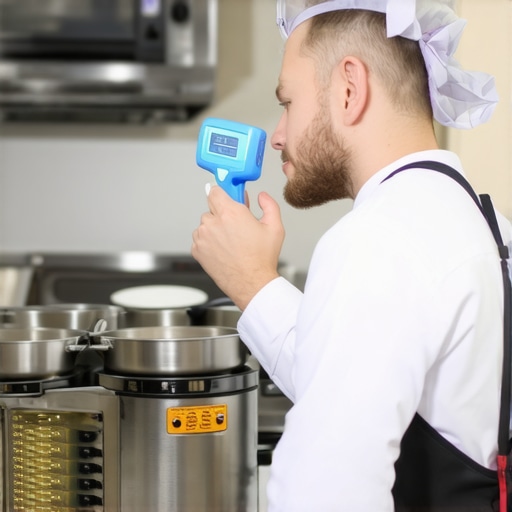
Consistent maintenance of your catering tools is the backbone of reliable service. I make it a point to schedule weekly checks for all warming units, ensuring they operate at optimal temperatures. This proactive approach prevents unexpected breakdowns during crucial moments, such as peak service hours. Regularly calibrate thermostats and clean heating elements to ensure accuracy and efficiency. For example, I use digital infrared thermometers to verify that food reaches and maintains the desired temperature, minimizing the risk of serving lukewarm dishes. Staying on top of maintenance not only prolongs equipment lifespan but also guarantees guest satisfaction.
How do I maintain my tools over time?
Developing a routine maintenance schedule tailored to your equipment is vital. Create checklists for daily, weekly, and monthly tasks—like cleaning, calibration, and inspections. Invest in high-quality tools such as the professional warming solutions that are designed for longevity and reliability. Keep manuals accessible, and train staff on basic troubleshooting to address issues promptly. Additionally, monitor for wear and replace parts before failures occur, saving time and money. In the future, embracing IoT-enabled kitchen devices might allow remote diagnostics and predictive maintenance, further streamlining operations.
Tools That Make Long-Term Success Easier
Investing in durable, high-performance equipment pays off over time. I personally rely on modular chafing dishes with adjustable temperature settings, allowing flexibility for different dishes. Aespèce of this equipment, like insulated carts that keep food warm during transit, has been invaluable for large events. Using software such as catering management platforms helps me organize inventory, schedule maintenance, and track service times, reducing errors. Streamlining your tools and technology ensures consistency, efficiency, and the ability to scale smoothly as your event demands grow.
Scaling with Confidence and Precision
As your catering operation expands, maintaining quality requires upgrading your tools and systems thoughtfully. Modular equipment adapts easily to larger events, while automation software provides real-time alerts for equipment needs. For instance, integrating sensors in warming stations can notify you when temperatures fall outside the desired range, allowing immediate adjustments. This minimizes service disruptions and preserves the guest experience. Planning for scalability now means less stress and more control in future large-scale events, ensuring you can confidently handle increased demand without sacrificing quality.
Try implementing a routine equipment check every week, using a reliable infrared thermometer, and document your findings. This simple step can drastically reduce last-minute surprises and keep your catering flowing seamlessly. Remember, investing in quality tools and diligent maintenance isn’t just about immediate success—it’s about building a trusted reputation and ensuring long-term growth in your catering endeavors.
Lessons That Changed My Approach to Catering
- Overcoming the myth that equipment alone guarantees hot dishes revealed that strategic staffing and workflow are equally vital—something I only truly understood after a few chaotic events.
- Realizing that cultural sensitivity in menu planning isn’t just respectful; it’s essential for guest enjoyment and often overlooked, but it can transform an ordinary event into an extraordinary experience.
- Discovering that the smallest adjustments, like positioning servers at high-traffic zones, can drastically reduce food temperature loss—these subtle tactics are often underestimated but have immense impact.
- Learning that proactive maintenance of equipment isn’t just about preventing breakdowns; it’s about ensuring consistency in every dish served, which builds long-term trust with clients.
- Understanding that the key to scaling successful catering is investing in adaptable tools and technology, enabling seamless growth without sacrificing quality or guest satisfaction.
My Trusted Arsenal for Wedding and Corporate Catering
- High-quality, modular chafing dishes—these have saved countless events by keeping food at perfect temperatures and adapting to various menu needs.
- Catering management platforms that help organize staff, inventory, and maintenance schedules, providing clarity and control as operations expand.
- Infrared thermometers and routine checklists—these simple tools ensure my team always delivers hot, fresh dishes, reinforcing our reputation for excellence.
- Insulated carts and advanced warming solutions from reputable vendors—these are game-changers for large-scale events where temperatures can drop unexpectedly.
- Continuous education through industry resources and peer networks, which keep my strategies fresh and effective in a competitive landscape.
It’s Your Turn to Elevate Your Catering Game
Remember, perfection in catering isn’t achieved by accident; it’s crafted through attention to detail, strategic thinking, and a passion for hospitality. The lessons learned and tools shared here are your secret weapons to serve each dish warm and inviting, turning ordinary moments into unforgettable memories. Embrace these insights, refine your process, and watch your reputation soar. Are you ready to make every plate a warm welcome? Share your biggest challenge in keeping food hot or tips that have worked for you—I’d love to hear your story below!
,
![5 Hidden Food Waste Costs in 2026 Corporate Galas [Save $1k]](https://gourmetcateringsco.com/wp-content/uploads/2026/03/5-Hidden-Food-Waste-Costs-in-2026-Corporate-Galas-Save-1k.jpeg)