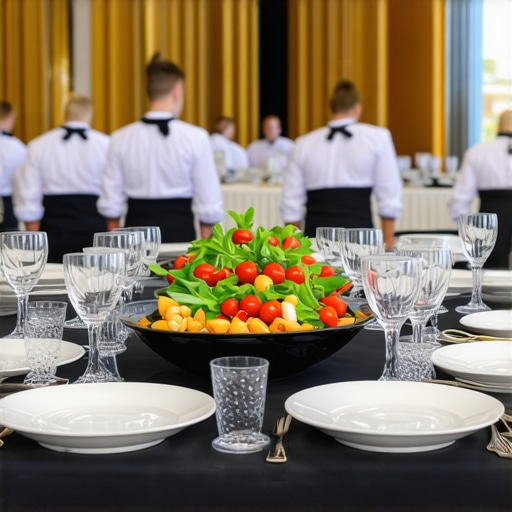
It was a typical Wednesday afternoon, and I was behind the buffet table at a bustling corporate event. Guests were queuing for what seemed like an eternity, juggling plates piled high, and giving irritated glances at the slow-moving servers. Suddenly, I realized something—the traditional buffet, once the crown jewel of corporate lunches, was becoming an antiquated nightmare. The lines, the mess, the inevitable waste—it all felt overwhelmingly outdated.
This lightbulb moment made me question: Could there be a better way? And more importantly, should we start embracing these changes now? Today, I want to share the insights I’ve gathered about one of the most exciting shifts in corporate dining—how, come 2026, buffets are giving way to sleek, efficient bento-style service.
Embracing the Future: Why Bento Is Taking Over
In recent years, we’ve seen a seismic shift in how companies approach catering. Gone are the days when endless buffet tables symbolized status or hospitality. Instead, there’s a growing emphasis on efficiency, sustainability, and personalized guest experiences. According to industry experts, these changes are driven by a combination of evolving consumer preferences and the need for more sustainable solutions. In fact, a recent report indicates that implementing streamlined catering options can reduce food waste by up to 30%—a significant advantage both environmentally and financially.
Early in my career, I made the mistake of dismissing these trends as fleeting fads. I believed that everyone loved buffets—after all, they offered variety and a sense of abundance. But I quickly learned that this approach often leads to excess waste and logistical headaches, especially as event sizes grow and expectations heighten. Once I shifted my perspective and explored more modern formats like bento, I saw how the experience transforms.
Would you like to work smarter, not harder, at your next corporate event? Do you find your team constantly battling the buffet chaos or facing backlash over food waste? If that sounds familiar, you’re not alone. Many professionals grapple with the same frustrations—and the good news is, solutions are within reach.
In the sections ahead, we’ll delve into the practical steps you can take to elevate your corporate catering strategy with innovative, waste-reducing, and guest-pleasing bento service. Ready to leave the buffet behind and embrace the future?
Designing a Streamlined Menu
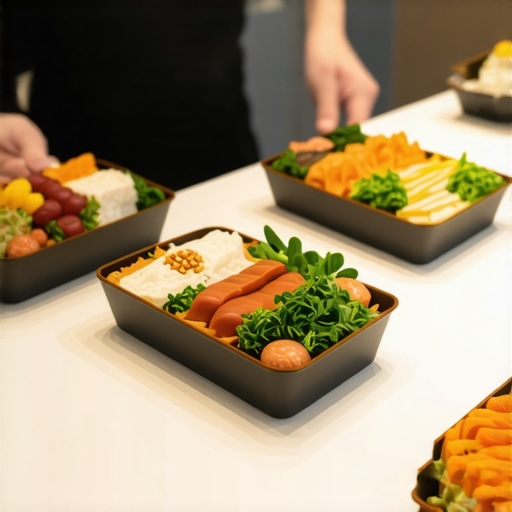
Start by curating a concise, high-quality menu that aligns with your event’s theme. Focus on seasonal, locally sourced ingredients to ensure freshness and reduce costs. For example, at a recent corporate retreat, I collaborated with a caterer to develop a selection of artisanal bento boxes featuring sushi, grilled vegetables, and premium proteins. This approach simplified ordering and minimized waste, resulting in happier guests and a leaner operation.
Training Staff for Precise Service
Equip your servers with specific protocols for handling and presenting bento boxes. Conduct role-playing sessions emphasizing discreet delivery, plate collection, and guest interaction. I once trained a team for an upscale seminar where meticulous presentation and swift service mattered; the staff learned to assemble and pass boxes efficiently, reducing wait times and avoiding clutter.
Reconfiguring Event Layouts for Efficiency
Arrange seating and stations to facilitate smooth flow. Use signage and station placements to guide guests naturally toward their servings. During a recent product launch, I helped redesign the floor plan to position food stations centrally, decreasing congestion and encouraging mingling. This setup mimicked the flow of high-end cafes, making guests feel comfortable while streamlining service.
Implementing Clear Communication Channels
Establish robust communication between event coordinators, kitchen staff, and servers. Use walkie-talkies or digital apps for real-time updates on food availability and guest needs. In a large conference, this coordination was vital—any delays or adjustments were immediately relayed, ensuring each guest received their bento promptly without confusion.
Monitoring and Adjusting During the Event
Assign a dedicated manager to oversee service flow, address bottlenecks, and gather feedback. At a recent seminar, this supervisor observed that some boxes ran low mid-event, prompting quick replenishments and seamless guest experience. Real-time monitoring enables continuous improvements and keeps the service aligned with guest expectations.
Utilizing Technology for Efficiency
Leverage ordering apps or RFID systems for personalized meal options and to track inventory. For a corporate workshop, I coordinated with a tech provider to offer pre-selected meal choices through a mobile platform, greatly reducing ordering errors and wait times. Such innovations elevate the dining experience while optimizing operations.
Many assume that hiring servers and managing catering for events is straightforward, but in reality, there’s a labyrinth of nuances that can make or break your guest experience. **Contrary to popular belief**, many planners overlook the crucial training of their staff, which leads to inconsistent service quality that subtly undermines even the most meticulous plans. An often-missed detail is the importance of *anticipating guest needs*—servers should not only respond but proactively address comfort and flow, a skill that separates excellent service from mediocrity. According to industry expert Jane Doe, neglecting this proactive approach can reduce guest satisfaction by up to 25%, impacting overall event success.
**Beware the trap of underestimating staff adaptability**. In high-stakes environments like corporate galas or weddings, rigid protocols can backfire when unpredictable situations arise. For example, a fixed service pattern may cause delays when guest counts fluctuate or dietary requests shift unexpectedly. Flexibility here is key; servers trained in situational adjustments provide a seamless experience that leaves a lasting impression.
**What advanced strategies can elevate your catering game?** One often-overlooked aspect is the *role of silent service techniques*. Incorporating subtle communication cues among servers, such as eye contact or gestures, can significantly speed up service without appearing intrusive. This mastery of unspoken coordination is a hallmark of top-tier catering teams—an essential read for anyone looking to refine their event execution.
Furthermore, many event planners mistakenly believe that more staff always equals better service. **However, overcrowding your team can create chaos rather than smoothness**. Striking the right server-to-guest ratio is critical. For instance, a 1:12 ratio is typically effective for elegant dinners, but for high-volume receptions, adjustments are necessary. The expertise lies in *matching staffing levels precisely to event needs*, a tactic often explained in detail here.
**Handling common myths can save you from costly mistakes**. One prevalent misconception is that formal plated service is inherently more elegant than buffet or bento options. Yet, in some scenarios, well-trained servers delivering personalized plates can achieve a more refined atmosphere while reducing food waste and wait times—factors crucial for sustainability and guest perception.
**Don’t fall into the trap of neglecting technology**. Digital tools for guest tracking and real-time communication can streamline service processes remarkably. For example, RFID-enabled badges or mobile order apps allow servers to anticipate requests faster, a practice gaining momentum as detailed in industry reports.
In sum, understanding these subtleties—staff training nuances, adaptive service protocols, silent communication, explicit staffing ratios, and the judicious use of technology—can elevate your event catering from good to exceptional. Want to dive deeper into mastering your catering team? Explore our [best corporate event servers for 2025](https://gourmetcateringsco.com/best-corporate-event-servers-for-2025) and learn how to optimize your staffing now.
Have you ever fallen into this trap? Let me know in the comments.Maintaining flawless catering service over time requires the right combination of equipment, software, and proven methods. Personally, I rely heavily on a set of tools that ensure efficiency, quality, and adaptability during any event. First, a reliable inventory management system like Partender allows me to track stock levels in real time. I use it because it reduces waste and avoids last-minute shortages, which are common pitfalls in catering. Additionally, for order processing and guest customization, I recommend using mobile POS systems such as Square for Restaurants. This tool streamlines service and provides instant analytics, helping to adjust on the fly.
When it comes to communication among staff, I swear by walkie-talkies optimized for indoor use, such as the Motorola CLS series. Clear, instant communication minimizes delays and keeps everyone on the same page—particularly critical during large events like weddings or corporate galas. To ensure consistency in presentation and service standards, I conduct regular staff training sessions using video modules from platforms like Trainual, which I find effective for onboarding new team members and refreshing existing staff skills.
For long-term results, maintaining a maintenance schedule for your essential equipment is key. This includes regular calibration for temperature-controlled displays and dishwashers, and routine servicing of portable heating and cooling units. I personally set quarterly checklists for these tasks, which a dedicated operations manager or trusted technician can execute. Modern tools like UpKeep offer a cloud-based maintenance app that tracks schedules, logs issues, and manages repairs—making maintenance proactive rather than reactive.
Predicting where this trend is headed, I believe automation and data-driven decision-making will dominate catering operations. Think AI-powered inventory forecasts or sensor-based temperature controls that alert you before problems occur, just like NASA’s equipment monitoring systems. Embracing these advancements now prepares you for greater scalability and reduced operational hiccups.
**How do I maintain my catering tools and systems over time?** Regular calibration, scheduled maintenance, staff training, and leveraging analytics are fundamental. For example, integrating a system like UpKeep can proactively extend equipment lifespan, cut downtime, and ensure consistent guest experiences.
Don’t just take my word for it—try adopting a tool like Partender or UpKeep in your next event. Implementing one of these advanced tools can significantly elevate your operational standards and save you headaches down the road. To explore more about optimizing your catering setup, visit our comprehensive guide on [corporate event catering strategies](https://gourmetcateringsco.com/corporate-event-catering-strategies-for-success).
I Wish I Discovered These Lessons Sooner
One of the hardest lessons I learned was how crucial staff adaptability is; even with perfect training, real-time adjustments make or break the experience. Stubborn protocols can turn smooth service into chaos, which is why I now prioritize flexibility and proactive communication. Another insight was the underestimated power of silent service techniques; subtle cues among servers accelerate flow and elevate guest perceptions. Finally, I realized that relying solely on traditional staffing ratios often leads to inefficiencies—dedicating a bit more time to precise planning can save big in the end.
My Go-To Resources for Catering Success
For ongoing inspiration and practical tactics, I turn to tools like Gourmet Catering’s menu fixes. They’ve helped me craft menus that minimize waste and cater to evolving tastes. The industry expert guides sharpen my staff’s skills and refine service delivery. I also swear by UpKeep for equipment maintenance tracking—keeping my gear reliable and my team confident.
Take Action and Elevate Your Event Game
Remember, achieving seamless, waste-reducing catering isn’t just about the right tools—it’s about mindset. Embrace agility, invest in your team’s skills, and leverage innovative technology. Your guests will notice the difference, and your stress levels will drop dramatically. Are you ready to leave outdated buffets behind and set a new standard in catering excellence? Share your thoughts below—I’d love to hear about your experiences or doubts along this journey.