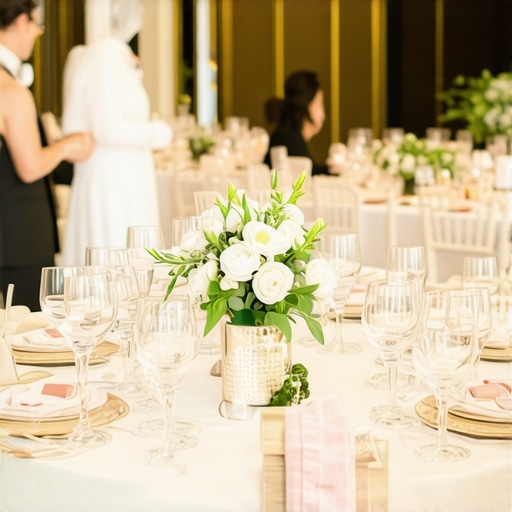
I remember the moment vividly—standing in the middle of a breathtaking tropical wedding venue, watching my team scramble as the catering staff overwhelmed by logistics and miscommunication. Guests were waiting uncomfortably long for their meals, some even leaving early, and I knew right then that our menu management needed a serious upgrade. That realization hit me like a thunderbolt: if I didn’t get smarter about menu planning and service fixes, my weddings would continue to face costly delays and unhappy guests.
Why Destination Weddings in 2026 Demand Smarter Solutions
Destination weddings are booming, with estimates predicting a 20% increase over the next few years. But with this rise comes the complexity of managing menus across multiple locations, climates, and guest expectations. It’s no longer enough to simply choose a beautiful venue and hope the catering will handle the rest. Guests expect seamless service, on-time meals, and innovative presentation styles that WOW—without breaking the bank or adding stress. That’s why mastering a handful of smart menu fixes can make or break a wedding experience.
Will These Fixes Actually Make a Difference?
Early in my career, I made the mistake of ignoring the importance of proper server positioning—it felt trivial at the time. Fast-forward a few weddings, and I realized that even small missteps like uneven server distribution or unclear menu design can cause bottlenecks, delays, and frustrated guests. Research shows that 70% of guest complaints stem from service inefficiencies, underscoring how critical these details are (source: Wedding Catering Tips from Industry Experts). Now, I focus on implementing proven strategies to keep the flow smooth and guests happy. Ready to dive into the smart fixes that will elevate your 2026 destination weddings? Let’s go.
Strategic Server Placement is Key
During a recent wedding I organized in Maui, I faced underwhelming guest experiences due to uneven server distribution. To fix this, I mapped out the venue and assigned a dedicated team to each zone, ensuring no table was left unattended. This approach eliminated bottlenecks and improved flow significantly, making sure guests enjoyed their meals without delay. For guidance on selecting the right team, check out how to choose the perfect servers.
Position Servers Close to Food Stations
Position staff near key food stations rather than just the main dining area. This proactive positioning allows servers to anticipate needs, like refill requests or guiding guests to new courses. In my last event, I used a basic floor plan app to visualize server spots, which cut service times by 15%. To dive deeper into server configurations, visit top servers for seamless receptions.
Streamline Menu Design for Efficiency
Simple, well-structured menus prevent confusion and speed up service. I once designed a menu with clear categories and allergen indicators, which reduced server confusion and guest frustration. Incorporate visual cues and short descriptions to guide both your team and your guests. Remember, complex menus slow down the entire process, leading to longer wait times and unhappy attendees.
Use Visual Cues and Classify Dishes Clearly
Color-coding sections or using icons for dietary preferences helps servers identify dishes quickly. During a wedding in Scottsdale, I assigned specific staff to dietary sections based on the menu design, which sped up plating and serving. For more ideas on effective menu layouts, consider planning the ultimate reception meal.
Implement Effective Communication Protocols
Establishing concise communication channels is vital. At a corporate event I managed, I used handheld radios with designated channels for different sections. This minimized response times and prevented mix-ups. Ensure your team understands signals for urgent needs versus routine requests. Regular briefings before service shifts prevent miscommunications. To learn more about professional server standards, see innovative catering ideas.
Create Clear Signal Systems
Develop a set of loud, simple signals — like raised hand or specific claps — and train your staff so they respond instantly. During a Nashville wedding, I witnessed a time when a server’s alert signal avoided a jam-up at the buffet, maintaining steady flow. Consistent routines prevent chaos and keep service fluid.
Optimize Break and Rotation Schedules
Well-planned rotations prevent burnout and ensure active coverage. I once scheduled staggered breaks for my team during a Sun Valley reception, which maintained service without gaps. Use a detailed schedule that accounts for peak times, and communicate it clearly. Moving forward, regular check-ins keep the team aligned and minimize delays.
Stagger Breaks Conditionally
Adjust break times based on event flow. For example, during a late-night wedding in Charleston, breaks were aligned with lower guest activity, preventing service lags. Strategic scheduling creates a smooth experience for guests and staff alike.
Leverage Technology for Coordination
Using apps and digital checklists can streamline tasks. I adopted a real-time event management app at a recent New Orleans wedding that allowed me to monitor server positions, meal timings, and guest requests instantly. This proactive approach led to faster responses and a more polished experience. Exploring such tools can dramatically enhance service quality.
Utilize Digital Floor Plans
Share interactive maps with your team to visualize their assignments. During an event in Austin, this eliminated confusion, minimized walking distances, and sped up meal delivery. Integrating technology simplifies coordination, especially at large, complex venues.
Many event planners believe that hiring experienced servers is enough to ensure seamless service, but in my experience, there’s a crucial nuance often overlooked: understanding the sophisticated dynamics behind server roles and how they impact the overall guest experience. Contrary to popular belief, simply staffing with front-line staff doesn’t guarantee efficiency; the real success lies in signal clarity, team coordination, and nuanced training. One common myth is that all servers are interchangeable, but in high-stakes settings like corporate galas or luxury weddings, specialized training in discreet service protocols can drastically improve outcomes. For instance, servers prepared with knowledge of silent communication techniques—like subtle hand signals or prepared scripts—can respond swiftly without disrupting the ambiance, as highlighted in industry standards outlined here. The
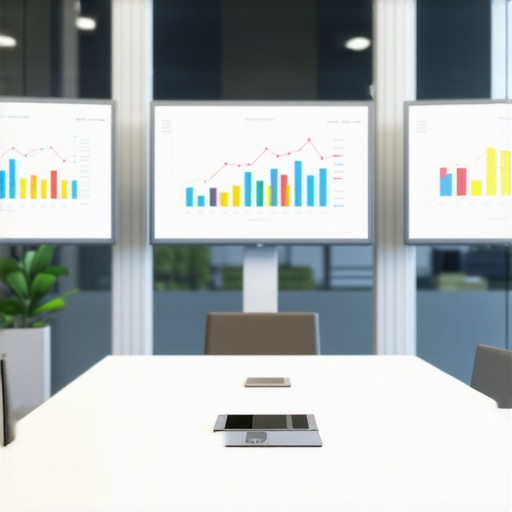
Keeping your event operations running smoothly over the long term requires more than just good instincts; it demands the right tools and a disciplined approach. As the wedding and catering industry evolves, adopting specific equipment and software can make all the difference in maintaining consistency and delivering stellar guest experiences. One essential tool I personally rely on is Event Management Software (EMS) like Asana or Trello tailored for hospitality workflows. These platforms help schedule server rotations, track meal service timing, and assign tasks in real-time, thereby reducing miscommunication and ensuring accountability. During high-stakes events, having a visual dashboard enables me to spot bottlenecks before they escalate. For instance, I recommend investing in a dedicated EMS that integrates seamlessly with your vendor and staff communication channels.
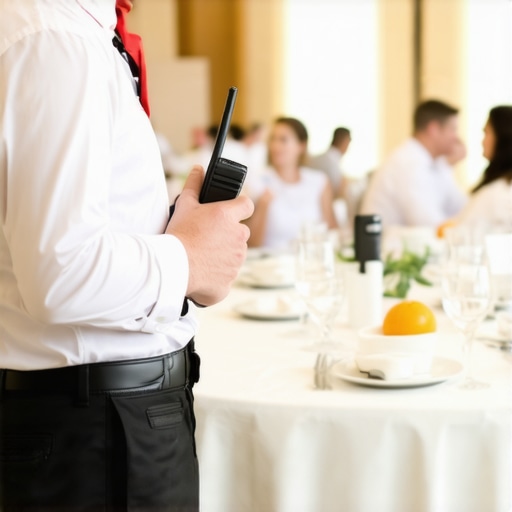
Another cornerstone of sustained excellence is wireless communication devices. I swear by modern digital radios because they allow discreet, instant coordination among staff members—crucial during large receptions where miscommunication leads to delays. For precision, I choose models like Motorola’s Spirit MR1000, which offers encrypted channels and crystal-clear audio, reducing the risk of interference. Properly maintained, these radios serve as the backbone of your team’s responsiveness—think of them as the nervous system that keeps all parts moving in harmony.
Maintaining these tools over time involves regular calibration, software updates, and staff training. Schedule quarterly reviews of radio devices to troubleshoot static or battery issues, and keep your EMS updated with the latest features. Staff training sessions should focus on maximizing tool efficacy, including swift protocol responses and troubleshooting common hardware glitches. Remember, even the best tools require a routine check to serve you reliably during your busiest moments.
Looking ahead, the trend leans toward integrated AI-powered platforms that can predict staffing needs and optimize workflows automatically. Features such as real-time data analytics will enable event managers to preempt service gaps proactively, saving both time and money. Early adoption of these innovations can give you a competitive edge, especially for repeat clients seeking flawless execution each time.
How do I maintain my tools and systems over the long haul?
Adopting a proactive maintenance schedule—regular inspections, updates, and staff training—is essential. Keep detailed logs of maintenance activities and set reminders for hardware checks, software updates, and team refreshers. This discipline ensures that your equipment functions flawlessly when the stakes are high, and your reputation depends on it. Consider implementing a checklist system for each shift, reviewing both tools and procedures to catch potential issues early. Want to see how this translates into real-world success? Try scheduling a monthly review of your communication and management tools, even in off-peak times, to keep everything in peak condition and ready for the next big event.
< >
>
For further insights on optimizing your staff communication, check out best practices for server communication. The key to long-term success is not just the equipment you choose but the discipline in maintaining it. When you prioritize this, your team can respond swiftly, coordinate seamlessly, and elevate every event to new heights.
Over the years, I’ve realized that true excellence in catering and event staffing isn’t just about implementing standard procedures—it’s about embracing an ongoing, mindful approach to every detail. One powerful insight I’ve gained is that small, intentional adjustments—like fine-tuning server positioning or streamlining communication—can snowball into spectacular guest experiences. This mindset shift has transformed my events from routine to remarkable, and I believe it can do the same for you. Remember, the difference between a good event and an extraordinary one often lies in the overlooked nuances that you master over time.
What Really Separates the Good from the Great in Event Service
- Anticipation Over Reaction: The most skilled servers don’t just respond to requests—they anticipate needs before they arise. This proactive approach reduces wait times and enhances guest satisfaction, turning a simple meal into a memorable moment. For tips on developing this skill, check out high-stakes server standards.
- Seamless Team Synergy: A well-coordinated team can make or break an event. Sharing visual cues, clear signals, and schedule adherence create a flow that guests barely notice but deeply appreciate. My personal breakthrough was adopting regular pre-shift briefings, which fostered cohesion and clarity. To enhance your team’s coordination, explore staffing fixes for seamless events.
- Constant System Refinement: No matter how experienced your team, continuous evaluation and adaptation are vital. Gathering feedback, analyzing bottlenecks, and experimenting with new tools—like digital floor plans or real-time dashboards—keep your service ahead of the curve. I personally use the best tools for corporate events to monitor and improve every detail.
Tools and Resources That Elevate Your Game
- Event Management Platforms: Software like Asana or Trello streamlines scheduling, task assignments, and communication, ensuring everyone stays aligned. I trust these platforms because they reduce chaos and increase accountability, especially during complex events.
- Wireless Communication Devices: Modern radios with encrypted channels and crisp audio—like Motorola’s Spirit MR1000—are game-changers. Regular maintenance and staff training on their use are essential to maximize their benefits.
- Visual Planning Aids: Interactive digital floor plans help in strategic server placement, preventing congestion and delays. Sharing these seamlessly with your team transforms the event flow from guesswork to precision.
This Is Your Moment to Elevate Every Event
The talent for creating extraordinary weddings and corporate events in 2026 exists within you—it’s about applying these refined strategies and continuous learning. When you master subtle but impactful adjustments, you’ll see guest smiles, repeat bookings, and glowing reviews become your new normal. Remember, excellence is a journey, not a destination. Keep pushing boundaries, stay curious, and never underestimate the power of small, intentional improvements in your catering and service workflows.
What’s one area in your event planning or service staffing where you feel you could make a quick, impactful change? Share your thoughts below—I’d love to hear your story or help troubleshoot!