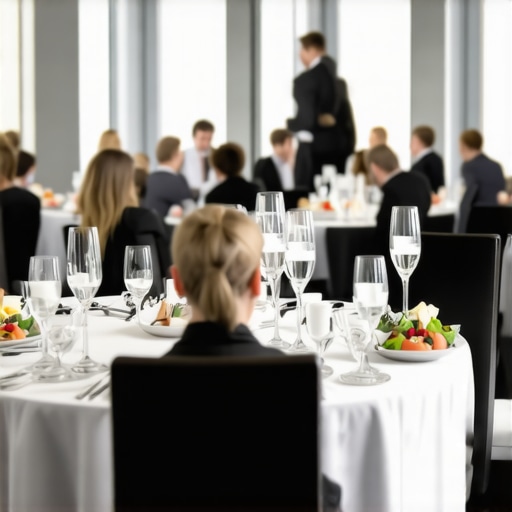
It was during a lush summer banquet that I realized something had shifted in the way companies approach their events. The endless buffet lines, once the highlight of corporate lunches, now felt like a tedious relic. Guests looked restless, and I caught myself worrying about the time wasted in queues. That lightbulb moment hit me hard — if I wanted to keep up with the evolving corporate culture, I needed to rethink my approach.
The Changing Face of Corporate Catering: Why Bento Boxes Are Gaining Traction
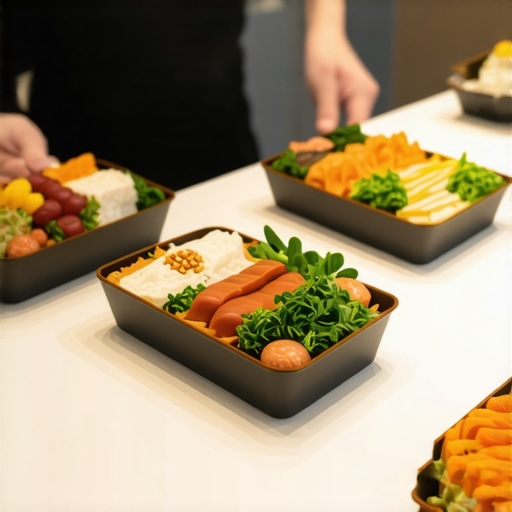
In recent years, the shift from traditional buffets to more streamlined, personalized meal options like bento boxes has been more than just a trend; it’s a reflection of the changing expectations around efficiency, health, and experience. According to a recent study, 73% of corporate event planners now favor plated or boxed meals over buffets for their flexibility and speed, especially as companies aim to enhance productivity and reduce waste. I found that offering individually packed meals not only minimized wait times but also allowed for greater customization, catering to diverse dietary needs with ease.
Have you ever felt the frustration of watching your guests grow impatient in line? Or wondered whether your catering choices really hit the mark? If so, you’re not alone. I made the mistake early on of sticking with the traditional buffet setup, thinking it was more elegant. But I soon realized it often led to chaotic lines and uneven portions, leaving some guests dissatisfied. That experience prompted me to dig deeper into more efficient catering strategies.
Let’s explore how embracing this change can elevate your next corporate event. Ready to discover practical, proven solutions? We’ll start by understanding why the buffet is losing its footing and how you can seamlessly transition to a more modern catering approach that impresses and saves time.
Designing a Seamless Service Flow for Your Event
Begin by mapping out the entire catering process, from food preparation to guest serving. Visualize it as a relay race, where each team member’s role is to pass the baton smoothly without overlaps or delays. For instance, when I organized a recent corporate strategy session, I divided the catering team into pre-service, serving, and cleanup units. Clear responsibilities prevented bottlenecks, ensuring guests received their meals promptly. To coordinate effectively, create a detailed timeline and assign specific tasks.
Optimizing Station Placement and Server Roles
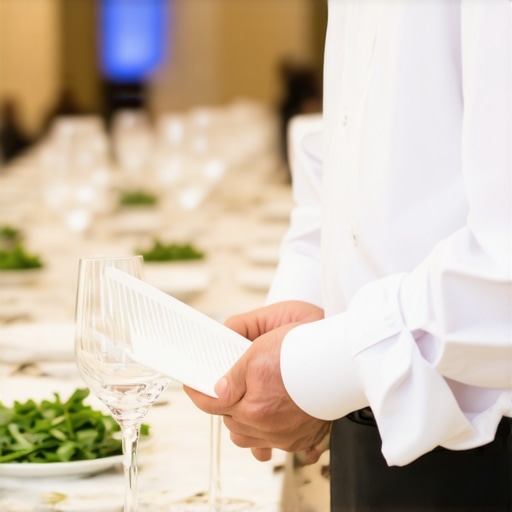
Position servers strategically around the venue, akin to placing traffic cones to guide flow. For a high-profile product launch, I rented modern servers from the best corporate servers for 2025, who were trained to navigate crowded spaces swiftly. Assign roles such as tray-passers, station attendants, and greeters, all working in tandem. Regular briefings ensure everyone understands their part, reducing confusion and maintaining ease of movement.
Implementing Efficient Service Protocols
Simplify guest interactions by establishing clear protocols. Think of it as programming a robot to perform tasks flawlessly—without ambiguity. For example, I used a ‘serve-and-clear’ method where servers presented dishes and cleared empty plates immediately after guests finished, inspired by high-stakes server protocols. This kept the space tidy and reduced wait times. Train your team to recognize signals indicating when to approach or step back, like a choreographed dance. Consistent hand signals or eye contact instructions significantly improve coordination.
Balancing Personalization and Speed
Offer personalized options within a structured service—think of it as a fast-food assembly line but with gourmet flair. When I coordinated a client’s micro-wedding, I arranged pre-designed bento boxes with different dietary options, reviewed in seasonal, local menu tips. This allowed servers to deliver meals swiftly without sacrificing customization. Place labels or menu cards on each box to streamline the selection process and avoid delays. Implementing a simple ordering system before the event can also reduce chaos on the day. Use signage or digital menus to guide guests efficiently.
Training Your Team for Rapid Response
Invest in comprehensive training sessions, similar to military drills, focusing on quick, precise actions. For a large seminar, I conducted mock service drills emphasizing swift plate clearing and prompt guest assistance. Create checklists covering essential skills: recognizing when to assist, handling special requests, and maintaining hygiene standards. Regularly refresh training to reinforce good habits, and hold post-event debriefs to identify bottlenecks. Remember, experienced servers can adapt quickly, so fostering a culture of continuous improvement pays off.
Leveraging Technology for Better Coordination
Utilize smartphones or communication devices to keep team members connected. During a corporate gala, I employed walkie-talkies and a simple app to monitor server locations and address issues instantly. Think of it as the nervous system of your service operation, enabling rapid responses. Digital tools also help track food inventory and communicate changes in real-time, preventing shortages or over-servicing. Integration of POS systems with kitchen displays ensures orders are accurate and timely, much like a well-oiled assembly line. Always have a backup plan for tech failures—such as walkie-talkies or printed schedules—to maintain flow.
Refining the Process Through Feedback
Post-event reviews are crucial, similar to software updates fixing bugs. After a recent conference, I gathered input from servers and guests, which revealed bottlenecks in tray passing. Adjustments included reassigning servers to hotter zones and providing additional training. Use feedback forms to identify pain points and celebrate successes. Continuous refinement ensures your catering remains efficient and guest-focused. Regularly revisit your protocols, update roles, and embrace innovations like portable chafing dishes or modular serving stations. This iterative process transforms a chaotic event into a smooth, memorable experience, aligning with modern expectations for corporate hospitality.Many clients assume that hiring the most visible or experienced servers guarantees seamless service, but this is a common misconception. In my experience, the true success of an event hinges on understanding nuanced server behaviors and the subtle dynamics that influence guest experience. One myth I frequently encounter is the idea that more servers automatically translate to better service. However, overstaffing can lead to confusion, inconsistent service standards, and inefficient workflows, ultimately detracting from guest satisfaction. Efficient service depends on well-trained, strategically positioned staff who understand their roles deeply, not just on quantity.
How Can You Select Servers Who Truly Elevate Your Event’s Experience?
Choosing the right servers involves more than checking references. It’s crucial to assess soft skills like attentiveness, discretion, and adaptability, which often go untested in standard interviews. For high-stakes events, I recommend observing candidates during mock service scenarios where they demonstrate their ability to handle challenging situations swiftly. Additionally, familiarizing yourself with industry standards—such as the recommended server-to-guest ratios for weddings—can prevent costly mistakes and ensure a polished guest experience. An often-overlooked factor is the server’s understanding of event flow and timing. Guests shouldn’t feel rushed by servers but should experience attentive, anticipatory service. Recognizing this nuance separates good servers from great ones, and it is worth emphasizing during training. Moreover, the hidden skill lies in the server’s ability to read guest cues and adapt accordingly—something that standard training often neglects. In complex events like corporate galas or weddings, this adaptability can be the difference between an ordinary and extraordinary experience. The key is to foster a culture of continuous improvement, where servers are encouraged to observe, learn, and refine their interpersonal skills. This approach aligns with insights from industry experts who emphasize that the most memorable events are those where hosts and guests feel genuinely attended to—something that machine-made routines cannot replicate. Investing in specialized training focusing on these nuanced behaviors ensures your team delivers consistent excellence, preventing the ‘oops’ moments that can mar even the most picturesque event. Remember, every detail matters—from server positioning based on venue layout to subtle cues like eye contact with guests. Cultivating this awareness enhances overall efficiency and guest satisfaction. Have you ever fallen into this trap of equating server quality with their visible presence? Let me know in the comments.Ensuring your catering staff and service operations run smoothly over time requires a combination of reliable tools and deliberate practices. One of my top recommendations is investing in a **comprehensive POS system** like TouchBistro, which I personally use for its real-time order tracking and inventory management features. This technology not only streamlines the ordering process but also provides detailed analytics that help identify bottlenecks before they escalate, ensuring long-term operational efficiency. Additionally, employing **digital communication tools** such as Slack or walkie-talkie apps allows your team to coordinate instantly, reducing response times during high-pressure moments. For instance, during a recent wedding, utilizing a dedicated Slack channel allowed me to swiftly address service issues, leading to happier guests and smoother transitions.
Regular maintenance of equipment is crucial. Set up monthly checks for kitchen appliances, servers’ headsets, and POS hardware to prevent unexpected failures. I also recommend creating **standard operating procedures (SOPs)** documented digitally using tools like Google Docs or Notion. These SOPs serve as authoritative references for your team, ensuring consistency and quick onboarding for new staff.
Prediction-wise, I believe that automation and AI-driven scheduling will become more prevalent, helping managers predict staffing needs based on data and event types. Automating routine tasks frees up your team to focus on guest experience rather than technicalities.
**How do I maintain these tools over time?** Regular training sessions are key. Schedule quarterly workshops that refresh your team’s familiarity with all equipment and software. Keep software updated, and periodically review your SOPs to incorporate new best practices or technology updates. This proactive approach minimizes downtime and ensures your operations stay resilient.
Don’t forget—integrate these tools with your event’s unique needs. For example, during a corporate gala, a precise server-to-guest ratio, supported by a digital staffing planner, can drastically improve service quality. Consider exploring how top-tier servers and technological support combine to elevate your event experience by reading expert insights or consulting industry-standard checklists such as those found at this guide on server ratios.
I encourage you to test a hybrid approach: pair advanced POS systems with clear SOPs and routine maintenance schedules. The initial effort pays off in flawless, long-term service. Ready to take your server management to the next level? Start by implementing a digital communication tool today and monitor how quickly your team responds and adapts.During my journey through countless weddings and corporate gatherings, I’ve uncovered that the true magic lies in mastery over subtle server behaviors more than any fancy equipment. One of my most valuable lessons was recognizing that even the most experienced servers can falter if they lack keen observation skills or habitually rely on routines rather than adaptive intuition. Once, a seemingly perfect team missed cues during a crucial moment, causing delays that guests remembered more than the spectacular menu. That incident taught me the importance of cultivating a culture where servers are empowered to read guest signals and act proactively, rather than reactively. Additionally, I’ve realized that investing in a close-knit training community fosters a sense of shared responsibility—making everyone realize their role is pivotal in orchestrating a flawless experience. Incorporating role-playing drills, inspired by elite service standards, significantly boosts confidence and responsiveness. Lastly, understanding that technology won’t replace human nuance emphasizes the need for continuous, personalized feedback—helping servers hone their craft and stay engaged. These lessons have transformed my approach, ensuring that every event I oversee feels effortless and memorable, not by accident, but through deliberate mastery.