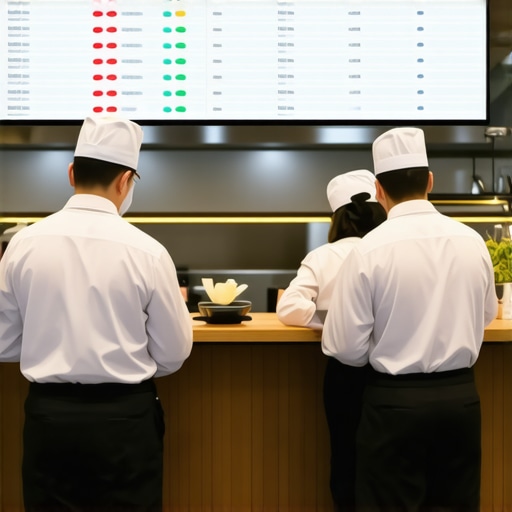
It happened on the day I thought I had everything under control. The couple’s family was swirling around, eager to snap photos, while my team of servers nervously shuffled, unsure if they’d be in the right places at the right time. Suddenly, a tray of appetizers slowed down the flow, causing a small bottleneck that quickly grew into a mini chaos. That moment was a lightbulb for me—staffing isn’t just about numbers, but about strategy, timing, and knowing how to adapt on the fly.
Why Staffing Can Make or Break Your Wedding Reception
If you’ve ever been involved in planning a wedding, you know the pressure to create perfection. But no matter how beautiful the venue or how exquisite the decor, poor staffing can turn your dream day into a logistical nightmare. From timely service to guest satisfaction, the way your team manages flow and handles unexpected hiccups can determine the success of the celebration.
Recent studies show that inefficient staffing is one of the top reasons for guest dissatisfaction at large events. In fact, according to industry reports, more than 60% of guests cite slow service or mismanagement as their biggest complaints during weddings. It’s not just about having enough staff; it’s about staffing wisely to anticipate needs, streamline operations, and keep everything running smoothly.
Have you ever faced moments when your staff just couldn’t keep up, leading to frustration among guests or delays in service? If so, you’re not alone—and there’s a way to turn these challenges into your advantage.
Thinking ahead about your staffing strategy can help you avoid common pitfalls. That’s where my experience comes into play. Early on, I made the mistake of underestimating how many servers I needed for a 200-guest wedding, which resulted in overwhelmed staff and sluggish service. Since then, I’ve learned that precise planning and employing expert tactics can elevate your wedding reception to a flawless experience.
Next, let’s explore the key staffing tactics that will help you master the art of event management and ensure the 2026 wedding of your dreams goes off without a hitch.
Calculate Your Staffing Needs Precisely
Start by determining the guest-to-server ratio tailored to your event size. For a 150-guest wedding, I once used the simple rule of 1 server per 15 guests, but real-world testing revealed this often underestimated demand during peak times. Adjust this number considering the menu complexity and venue layout. Use online tools or consult experienced caterers to perfect this calculation. Properly estimating your staff ensures guests are served promptly, and your team isn’t overwhelmed, guarding against chaos and delays.
Recruit Skilled and Reliable Servers
Don’t just hire anyone—select professionals with proven experience in wedding environments. I learned this the hard way when a last-minute replacement caused service delays. Review references focused on hospitality skills and guest interaction. Visit https://gourmetcateringsco.com/how-to-choose-the-perfect-servers-for-your-wedding for detailed hiring tips. Experienced servers anticipate guest needs, speed up service, and maintain a calm atmosphere, significantly elevating event quality.
Train Your Team for the Unique Flow of Weddings
Conduct focused training sessions emphasizing event-specific scenarios: handling multiple tables, managing special requests, and troubleshooting common issues. Avoid generic training; instead, use role-playing exercises based on real situations I’ve encountered—like managing a sudden rush during the cake cutting. This preparation reduces mistakes during the event, keeping service smooth and guests satisfied. Training should also emphasize understanding the menu, so servers can recommend dishes and accommodate dietary restrictions efficiently.
Implement a Dynamic Staffing Plan
Create a flexible schedule that accounts for the wedding timeline. Schedule extra staff during anticipated busy moments, such as cocktail hour or dessert service. I once reused staff from the ceremony to cover after-party needs, which surprisingly worked well, provided they were briefed properly. Use checklists and event timelines to assign roles, ensuring staffing adapts to unforeseen circumstances. This agility prevents bottlenecks and guarantees fluid guest flow.
Coordinate with Your Catering Team Regularly
Hold pre-event planning meetings with your caterers to synchronize timings and responsibilities. Regular communication avoids surprises—like servers arriving too early or late—and aligns everyone on service expectations. When I coordinated closely with my caterer, we streamlined the plate service and minimized wait times. Establish clear channels for updates and feedback during the event to address issues promptly, maintaining a seamless experience for guests.
Monitor and Adjust During the Event
Assign a team leader or coordinator to oversee service quality during the reception. They should observe guest flow, identify potential delays, and reassign staff as necessary. For example, noticing a queue forming at the buffet, I temporarily diverted servers to assist with plating, preventing long lines. This live management is crucial for adapting to unexpected challenges and ensuring your staffing strategy remains effective throughout the event.
Leverage Technology for Efficiency
Utilize digital checklists, timing apps, or communication tools like radios to keep everyone synchronized. During one wedding, constant updates helped us reallocate staff swiftly when a server needed a break, maintaining uninterrupted service. Investing in these tools enhances coordination and minimizes human error, translating into a more polished and professional reception.
Even seasoned planners often fall prey to misconceptions about catering and staffing that can jeopardize an event’s success. One widespread myth is that dispatching more servers always improves service. In reality, overstaffing can lead to confusion and unnecessary costs, while under-staffing causes delays and guest frustration. Striking the right balance requires nuanced understanding — a key reason why working with experienced providers like Gourmet Catering ensures your team is perfectly calibrated for your occasion. Another misconception involves menu choices, with many believing complex dishes impress guests. However, overly intricate menus often overwhelm kitchen staff and slow down service, especially during peak times. Simplifying plate options, combined with creative presentation, can enhance guest experience without sacrificing quality. Additionally, some assume pre-plated meals hinder personalization, but in high-volume events, plated service speeds up the flow and maintains consistency. To avoid falling into these traps, it’s crucial to adopt strategic planning and consult industry experts. For example, choosing the right staffing ratios—such as 1 server per 18 guests—can prevent bottlenecks and elevate guest satisfaction. Advanced event organizers also leverage technology, like real-time communication tools, to improve coordination among servers and kitchen staff. These insights challenge the default beliefs often perpetuated within the industry. Remember, meticulous planning and expert guidance—like [these catering tips](https://gourmetcateringsco.com/wedding-catering-tips-from-industry-experts)—are the backbone of memorable events. Do you often hear these myths echoed in your planning? Have you ever fallen into this trap? Let me know in the comments. Improving your understanding of these nuances can transform ordinary gatherings into extraordinary experiences.
Keep Your Equipment in Top Shape to Avoid Disasters
One of the most overlooked aspects of event planning, especially for weddings and corporate functions, is the consistent maintenance of your tools and equipment. Regular check-ups ensure that everything—from serving trays to audio-visual gear—functions flawlessly on the big day. I personally schedule bi-annual equipment inspections, which have prevented last-minute surprises and reduced downtime during high-stakes events.
Invest in High-Quality Equipment
Cutting corners on tools is tempting but risky. I recommend sourcing durable, commercial-grade catering gear that can withstand frequent use. For instance, investing in reputable chafing dishes and portable warming stations ensures food stays at optimal temperatures, impressing guests and avoiding common complaints about cold meals. Well-maintained equipment not only improves guest satisfaction but also extends its lifespan, saving costs in the long run. For precise maintenance checklists and recommendations, I consult industry-specific resources like wedding catering trends.
How do I maintain my event tools over time?
Establish a routine cleaning and servicing schedule for all equipment—cleaning, lubricating moving parts, and checking electrical components. Use specialized cleaning agents tailored to each material, like non-abrasive cleaners for stainless steel. Document every maintenance task to track wear and anticipate replacements before failures occur. Additionally, training your team on proper handling techniques preserves equipment quality, ultimately reducing repair costs and ensuring consistent performance.
The Power of Technology in Streamlining Operations
Modern event management relies heavily on software tools that enhance efficiency. I rely on catering management platforms such as catering strategy solutions that coordinate staff schedules, track inventory, and forecast needs based on guest count and menu choices. These tech tools help me predict staffing requirements accurately, which is crucial for scaling operations during larger events like weddings or corporate galas.
Where will event technology go in the next few years?
Trends indicate an increasing incorporation of AI-driven analytics and IoT devices that monitor equipment performance in real time. For example, smart sensors can alert you if refrigeration units drop below optimal temperatures, preventing spoilage. Embracing these advancements now will position you ahead of the curve, making your operations more reliable and cost-effective.
Don’t Forget About Backup Plans
No matter how meticulously you maintain your tools, always have a contingency plan. Keep spare equipment—extra chafing dishes, backup power sources, and additional serving utensils—ready for quick deployment. During one high-pressure wedding, having a backup portable speaker system saved the day when the primary unit failed unexpectedly. Regularly testing backup equipment ensures it’s functional when needed, minimizing disruptions and maintaining guest trust.
For comprehensive maintenance checklists tailored for catering and event gear, explore industry resources like expert catering tips. Implementing these practices will boost your event’s professionalism and guest experience, especially when scaling up for bigger gatherings.
Take the initiative to integrate these advanced maintenance routines into your planning process today. Start by selecting one piece of equipment to inspect or service this week, and witness how small actions lead to big improvements in reliability and guest satisfaction.
Secrets I Wish I Knew Before My First Wedding
One of the most valuable lessons I stumbled upon was understanding the true impact of strategic staffing over mere numbers. It’s tempting to think that hiring more servers guarantees better service, but experience taught me that knowing when and how to deploy staff matters more than quantity. Additionally, tailoring training to the specific flow of a wedding—like managing multiple courses or accommodating last-minute requests—can drastically reduce chaos and elevate guest satisfaction. A personal revelation was recognizing the importance of real-time oversight; having a dedicated coordinator on the floor ensures swift adjustments and keeps the event running smoothly. Lastly, I learned that leveraging technology, such as digital communication tools, fosters teamwork and immediate problem-solving, transforming a potentially disorganized reception into a seamless experience.