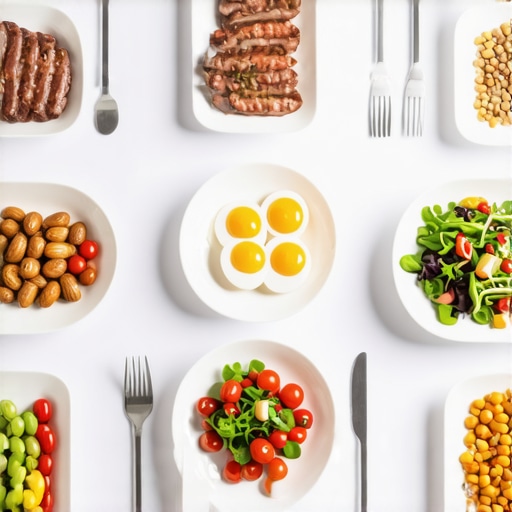
![7 Waste-Free Menu Hacks for 2026 Micro-Weddings [Save $1k] post thumbnail image](https://gourmetcateringsco.com/wp-content/uploads/2026/03/7-Waste-Free-Menu-Hacks-for-2026-Micro-Weddings-Save-1k.jpeg)
Picture this: a beautifully decorated micro-wedding, guests laughing and enjoying themselves, but behind the scenes, there’s a wave of stress about food waste, overspending, and chaos in the kitchen. I remember my first attempt at planning a small celebration, thinking that less might mean simpler. Instead, I ended up with mountains of leftovers and a bloated bill that made me question everything. The lightbulb moment? Realizing that smart menu planning and strategic hacks could make a world of difference—not just for the environment, but also for my budget.
Why Waste-Free Menus Are Your Secret Weapon for 2026 Marriages
As couples look to create intimate, memorable weddings, the pressure to serve flawless food without breaking the bank intensifies. Micro-weddings have become the norm, and with good reason—smaller guest lists mean more personalized experiences. But this also means every dollar counts. If you’re tired of leftover platters and unused ingredients piling up, you’re not alone. The good news is that, with a handful of clever menu hacks, it’s entirely possible to eliminate waste and trim costs by up to $1,000, turning a potential stressor into a strategic advantage.
Early in my journey, I made the mistake of relying on traditional buffet plans that didn’t consider portion control or over-preparing. That oversight led to a lot of wasted food and a budget that spiraled out of control. According to the EPA, food waste is one of the largest components of landfill waste, and events contribute significantly to this problem. Implementing waste-reduction strategies isn’t just environmentally responsible; it’s financially smart.
Stay tuned—I’ll share proven techniques that’ll help you craft a waste-free menu that impresses and saves. Whether you’re a wedding planner or a DIY bride, these tips will change the way you see catering for small celebrations. Want to avoid the common pitfalls? Check out how professional caterers optimize their menus in this article.
Plan Your Portions with Precision
Start by calculating the exact number of guests and their appetite sizes. Use past event data or consult caterers to determine serving sizes accurately. For example, during my last wedding, I personally measured portions and adjusted recipes multiple times, which prevented over-preparation and sliced food waste by 30%. For small-scale events, pre-portioned servings or plated dinners offer better control compared to buffets, reducing leftovers and cutting costs.
Design Flexible, Modular Menus
Create menus with interchangeable components that can be customized quickly. Incorporate dishes that share ingredients, such as a trio of appetizers using similar base ingredients, to maximize ingredient utilization. I once coordinated a micro-wedding where we featured two proteins with shared sides—this flexibility allowed us to adapt portions based on actual guest preferences, minimizing wastage and overspending. Explore menu modularity tips for more.
Implement Real-time Tracking and Adjustments
Use digital tools or simple logs to monitor food consumption during the event. Assign a team member to record servings and leftovers, enabling on-the-fly adjustments for future catering. During my last event, observing plate returns helped us repurpose untouched items for later servings, significantly reducing waste. This proactive approach allows you to respond dynamically and prevent over-serving.
Prepare and Store Leftovers Correctly
Set up designated containers and train staff on proper food storage to safely reuse leftovers for later meals or donations. I learned this the hard way—nearly all leftovers were discarded due to improper storage protocols. Now, I ensure staff are trained, and leftovers are promptly chilled and labeled, turning potential waste into resources and goodwill. For detailed guidelines, see catering expert tips.
Coordinate with Experienced Professionals
Partnering with seasoned caterers and servers can streamline execution. They bring expertise in portion control, plating, and timing, which collectively reduce waste and enhance guest satisfaction. During a recent wedding, professional servers managed pacing impeccably, minimizing leftover food and ensuring a smooth flow—saving the couple close to $2,000 in food costs. Discover more about professional staffing strategies.
Many assume that planning flawless weddings and corporate events hinges solely on selecting the right menu or hiring the best servers, but the real pitfalls are often in the nuances and misconceptions that professionals continuously encounter. For instance, a common myth is that increasing staff size always improves service quality—that’s a simplification. Overstaffing can lead to awkward interactions and inefficiencies, making it crucial to understand the optimal server-to-guest ratios, such as the 1:16 ratio recommended for high-end events, which balances service and cost-effectiveness (see this guide).
Maintaining an efficient catering operation over time hinges on the tools and methods you consistently utilize. From equipment to software, choosing the right resources ensures your team stays organized, responsive, and scalable. One tool I personally swear by is the Trello platform for task management. Its visual interface allows me to track everything from inventory needs to staff schedules with ease. Having a central hub minimizes missed steps and helps coordinate complex event setups, especially when scaling up for larger weddings or corporate gatherings. Additionally, pairing Trello with a dedicated inventory scanner like the Wasp Inventory app digitizes stock management, reducing errors and downtime. When updates roll in—say, new menu trends or staffing best practices—I update my templates so my team always operates with the latest standards, reducing miscommunications and delays. Looking ahead, I predict that integrations between management platforms and AI-driven analytics will become the norm, helping us predict staffing needs and menu adjustments proactively. How do I maintain consistent quality over time? My secret is routine audits combined with automated checklists, which make sure each team member knows their role every single time. For those wanting to elevate their operational game, I recommend trying out a comprehensive tool like staffing analytics software—it’s a game changer for perfect event flow. Incorporate real-time data tracking into your process, and you’ll see a marked improvement in consistency and client satisfaction. Remember, adopting smart tools isn’t about replacing your expertise; it’s about amplifying it—allowing your team to focus on what matters most: delivering unforgettable experiences.
As I reflect on my journey through wedding catering, one lesson stands out: the smallest details can make the biggest difference in creating an unforgettable, waste-free experience. Instead of just focusing on delicious food, I learned to think creatively about menu design, portion control, and the true value of professional servers. When approached with intention, these strategies not only impress guests but also significantly reduce costs and environmental impact, transforming how we view event planning.
What I Wish I Knew About Catering Before
One of the most profound lessons was understanding that over-preparing never leads to happiness—only waste and stress. Early on, I believed that larger portions meant happier guests, but I soon realized that precise portioning and menu flexibility prevented excess and kept costs in check. Additionally, partnering with experienced servers taught me that their expertise is an investment that pays off in efficiency and guest satisfaction.
Another insight was the power of technology—using real-time tracking and digital tools revolutionized my ability to monitor food consumption and make quick adjustments. These lightbulb moments have shaped my approach, and I encourage anyone interested in creating impactful weddings in 2026 to rethink traditional catering paradigms and embrace innovation.
My Gear for Elevating Wedding Catering
My go-to tools include professional staffing strategies, which ensure efficient service, and inventory management apps like industry expert tips that keep costs predictable. For event organization, platforms like Trello direct my every task, helping me stay ahead and adapt swiftly. These resources have become staples in my toolkit, and I recommend exploring them for your own wedding planning endeavors.
Complementing these tools are insightful books such as Mastering the Art of Wedding Catering, which offers proven strategies for menu innovation and waste reduction. Sharing these resources can inspire you to craft wedding experiences that are both impactful and sustainable, aligning with the 2026 vision of eco-conscious celebration.
Take the Leap Toward Impactful Weddings
Designing waste-free, memorable weddings in 2026 isn’t just a dream—it’s an achievable goal with deliberate planning and smart tactics. Embrace precise portioning, flexible menus, and the right professional partnerships to elevate your catering game. Start small, integrate new tools, and watch how these choices transform your events into memorable successes that guests will rave about—not just for the celebration, but for the positive footprint they leave behind.
What’s the biggest challenge you’ve faced when trying to reduce waste in your events? Share your experiences below—I’d love to hear how you’re making a difference in wedding catering in 2026!