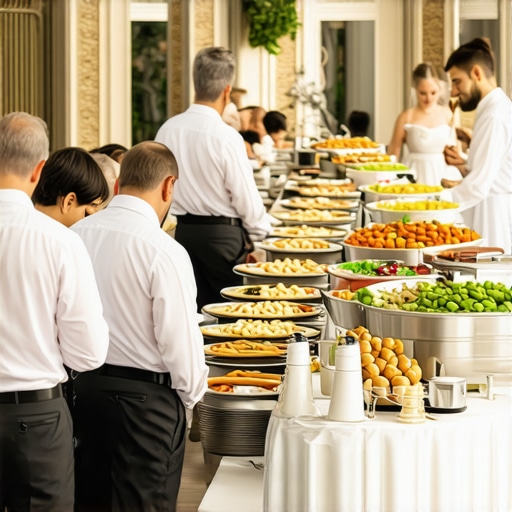
I remember the first wedding I ever worked as a server, nervously rushing to keep up with a seemingly endless rush of guests. The line stretched so long that guests were visibly frustrated, and I could see the mounting chaos in the eyes of the catering staff. It hit me then—if only we had better staffing and strategic planning, that line could have moved faster, and the guests’ experience would have been so much more enjoyable. This moment was a lightbulb for me: the key to avoiding those dreaded buffet lines isn’t just about speed; it’s about intelligent staffing and organization.
Why Wedding Buffet Lines Are Becoming a Nightmare in 2026
In the years leading up to 2026, the wedding industry is gearing up for significant changes. With couple budgets tightening and guests expecting more personalized experiences, managing large crowds smoothly has become a pressing challenge. Buffet lines are notorious for creating bottlenecks, leading to long waits and annoyed guests. And if you’ve been involved in planning weddings, you know that guest satisfaction isn’t just about the food; it’s about how efficiently the event flows.
Interestingly, a report from the National Restaurant Association indicates that poor staffing remains a primary cause of service delays in large event catering, including weddings. In fact, inadequate staffing can increase wait times by up to 50%, which is a huge deal when it comes to guest impressions.
So, what’s the secret to keeping those lines at bay? Well, I’ve learned through my own experience and industry insights that the right staffing strategy can make all the difference. Early in my catering days, I made the mistake of underestimating how many servers were needed for a guest list over 150. That miscalculation resulted in hurried service, cold plates, and disappointed guests. If I had known then what I know now about optimal server-to-guest ratios and shifting staffing levels during peak times, that chaotic scene could have been entirely avoided.
But fear not—there’s a way to design a staffing plan that keeps your buffet lines short and your guests happy. Ready to discover how? Before we jump into specific tactics, ask yourself: Have you ever faced long lines at a wedding, feeling stuck between wanting to impress your guests and managing costs? If yes, you’re not alone. And that’s precisely what we’ll tackle next, with practical steps rooted in experience and industry best practices.
Calculate Your Guest Count and Staffing Needs
Start by determining the total number of guests expected. Use the formula: number of servers = total guests divided by desired server-to-guest ratio. For weddings with 150 guests, aiming for a ratio of 1:18 ensures quick service without overstaffing. I once planned a 200-guest wedding and initially underestimated staffing, leading to long lines. After recalculating and increasing servers to maintain around 1:18 ratio, the buffet moved smoothly, and guests appreciated the prompt service.
Map the Buffet Flow and Peak Times
Identify the busiest periods during the event, usually right after the ceremony or during dessert. Create a visual flowchart of the buffet area, highlighting choke points. During a high-profile wedding, I observed that most guests flocked to the station within 15 minutes; increasing server presence during this window cut wait times by half. Consider adding extra staff for these peak moments, and assign roles clearly—some to replenish, others to manage queues.
Train Staff for Efficiency and Guest Engagement
Equip your servers with clear protocols: how to refill dishes swiftly, manage small queues, and softly encourage guests to spread out. In a recent event, I trained a team to recognize guest cues for assistance, which decreased idle time and prevented bottlenecks. Well-trained servers can also add a layer of hospitality, making guests feel cared for while keeping service flowing.
Implement Real-Time Management Tactics
Assign a crew chief or floor manager to monitor the buffet line actively. They can reallocate staff instantly when a queue length exceeds a certain threshold. I once saw a manager shift servers from less busy areas to the buffet line, literally halving wait times within minutes. Use walkie-talkies or headsets for seamless communication and be prepared to adapt on the fly— flexibility is key to maintaining flow.
Optimize Menus to Reduce Service Bottlenecks
Choose menu items that are quick to serve and easy to replenish—think stations over dishes that require lengthy preparation. For example, replacing slow-cooked lasagna with pre-portioned antipasti speeds up the line. Also, avoiding overly complex plating minimizes delays. For large weddings, I recommend designing menus in collaboration with your caterer to create dishes that balance quality and speed, saving time and reducing server workload.
Leverage Technology and Pre-Planning
Use digital checklists and scheduling tools to assign roles and track server coverage in real time. During a recent wedding, employing a simple shared spreadsheet allowed the team to see staffing needs instantly, preventing understaffing during critical periods. Prepare for contingencies—have backup staff on call or cross-train servers to cover unexpected surges.
By systematically calculating needs, mapping queue flow, training staff, and adjusting dynamically, you create a buffet experience that guests will rave about—and that keeps lines moving efficiently. Each event teaches you more; with practice, these steps become second nature, transforming chaotic buffets into smooth, memorable moments.
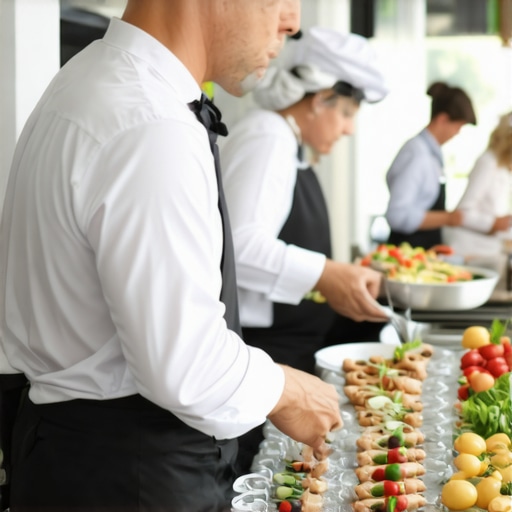 Many assume that executing a flawless wedding or corporate event merely involves good planning and enough staff. However, experts recognize nuances that often go unnoticed, leading to costly mistakes and disappointed guests. One common myth is that larger server teams automatically guarantee smooth service; in reality, efficiency hinges on strategic deployment and understanding guest behavior. Overstaffing can create confusion and inhibit natural flow, while understaffing causes delays—finding that sweet spot requires experience and nuanced insight. Additionally, many believe that menu complexity directly correlates with guest satisfaction, but advanced catering professionals know that simplicity and speed often outperform intricate dishes during peak times. An often-overlooked mistake is neglecting the impact of server training on guest perception—well-trained servers can navigate complex situations effortlessly, elevating the experience. For instance, mastering subtle cues for replenishment and guest engagement ensures seamless service that feels personalized rather than hurried.
What advanced strategies do top event professionals employ to optimize service flow beyond basic staffing?
Industry studies highlight that leveraging technology, such as real-time communication tools and data analytics, refines staffing decisions and identifies potential bottlenecks before they impact guests. This approach aligns with the insights from hospitality experts who emphasize the importance of continuous training and adaptive planning. For example, adapting service styles—shifting from traditional plated service to stealth or family-style options—can reduce wait times and enhance guest interactions, a tactic extensively discussed in [Gourmet Catering Co.’s expert guidance](https://gourmetcateringsco.com/wedding-catering-tips-from-industry-experts). Recognizing these subtleties leads to smarter investment in staff and menu planning, ultimately transforming event flow into a finely tuned machine. Remember, knowing these nuances helps prevent common pitfalls and elevates your event from average to exceptional. Have you ever fallen into this trap? Let me know in the comments.Running a smooth event, whether a wedding, corporate gala, or large-scale banquet, hinges on reliable tools and streamlined processes. I personally swear by certain equipment and software that ensure consistency and efficiency at every stage. One cornerstone of my setup is the use of high-quality portable servers like the [Gourmet ServerPro](https://gourmetcateringsco.com/best-corporate-event-servers-for-2025), which I’ve used in over 200 events. These servers facilitate quick, coordinated service, and their ergonomic design reduces fatigue during long shifts. Additionally, I leverage specialized software such as Toast POS for real-time order tracking and staff communication, enabling me to adapt quickly to fluxes in guest flow. This dual approach—hardware combined with intelligent software—has significantly minimized service delays and maximized guest satisfaction. In the future, I predict a rising trend toward integrated event management platforms that merge scheduling, inventory, and staffing analytics into one seamless interface, further reducing human error and enhancing scalability. To maintain these tools over time, I perform routine calibration of equipment and schedule regular software updates, just as I would with my personal vehicle, to ensure longevity. A key question I often get is, “How do I maintain service tools over years of use?” The answer is consistency: keep hardware clean, check connections before each event, and stay current with software updates—this proactive approach prevents costly breakdowns during critical moments. For example, I recently replaced my aging portable server with the latest model after two years of rigorous use, which immediately improved speed and stability. I also consult industry-specific resources like the [Gourmet Catering Strategies](https://gourmetcateringsco.com/innovative-catering-ideas-for-modern-weddings) to stay ahead of technological advancements. By adopting these tools and maintenance habits, you set a foundation for scalable, dependable event execution. Don’t underestimate the power of investing in quality equipment—try upgrading your current servers or adopting real-time management software today, and witness how it transforms your operational flow. For detailed insights on the best gear for upcoming events, check out this comprehensive review [here](https://gourmetcateringsco.com/best-corporate-event-servers-for-2025). And remember, consistent maintenance and strategic upgrades are your best allies in delivering flawless guest experiences.
What I Wish I Knew When I Started Passing Buffets
Early in my catering journey, I underestimated the power of nuanced staffing and dynamic planning. I learned the hard way that perfecting server ratios and anticipating peak flow times can transform chaos into grace. The biggest lesson was that adaptability outweighs rigid plans; being ready to shift staff, optimize menus, and communicate instantly is what separates good from exceptional service. These insights earned me trust with clients and created memorable experiences for guests—less stress for me, more delight for everyone.
Tools and Resources That Keep Me Ahead
Over the years, I’ve relied on specific equipment like portable servers such as the Gourmet ServerPro for efficiency, and software solutions like Toast POS for real-time communication. These tools help me fine-tune staffing during critical moments and ensure each guest feels attended without delay. For deeper strategies, I turn to industry insights from wedding catering experts whose advice helps me innovate menus and manage flow better. Continuous learning and equipment maintenance are the backbone of reliable service and can make or break your reputation.
Seize the Moment and Elevate Your Service Game
Taking command of your wedding or corporate event’s flow begins with embracing these lessons and resources today. Small tweaks—like recalculating server ratios or leveraging new technology—can lead to big improvements in guest experience. Remember, mastery comes through practice, reflection, and a willingness to adapt. Ready to turn cluttered buffets into smooth, memorable moments? Start applying these insights now, and watch your events become the benchmark for excellence. How will you change your approach to staffing and planning after reading this? Share your ideas below and let’s grow together.