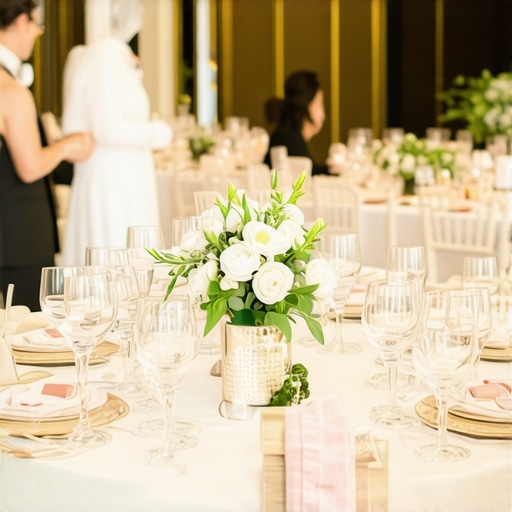
I’ll never forget the wedding where everything seemed perfect—until dinner time. As the servers laid out the plates, I watched guest after guest struggle with cold food, long lines, and a lack of personal connection. That moment hit me hard. Why, in 2026, are more brides opting for tasting menus over traditional sit-down dinners? And how can we, as catering professionals or planners, adapt to this evolving trend to truly satisfy our clients and their guests?
What’s Driving the Shift Away from Sit-Down Dinners?
Honestly, it’s a mix of evolving expectations and practicality. Brides today are looking for more memorable, interactive, and personalized experiences. Sit-down dinners, while elegant, often feel rigid and detached. Tasting menus, on the other hand, offer a dynamic way to showcase culinary creativity and engage guests on a deeper level. Plus, with the rise of social media, sharing exciting food experiences has become part of the wedding narrative—a trend supported by industry reports indicating a 15% increase in tasting menu bookings from 2024 to 2025 (Gourmet Catering Trends 2025).
Is This Trend Actually Worth the Hype?
Early on in my career, I made the mistake of dismissing tasting menus as too risky or complicated to pull off. I believed clients would prefer the classic formality of a sit-down dinner. But I quickly learned that embracing the shift enhances guest experience, streamlines service, and often reduces waste. For instance, designing a well-planned tasting menu allows you to control portions effectively, reducing food waste and saving costs—an often overlooked benefit that can boost your margins and reputation.
So, if you’re wondering whether this trend is just a passing fad or a legitimate shift, I encourage you to consider how it can fit your style and your clients’ desires. Curious about how to implement this successful transition? Let’s explore the practical strategies next—because staying ahead in 2026 means understanding and embracing what brides want today and tomorrow.
Design a Streamlined Tasting Menu
Start by mapping out a variety of small, balanced courses that showcase your culinary creativity. Think of it as crafting a musical playlist—each dish should harmonize with the next, creating an engaging culinary story. During my first attempt, I designed a five-course tasting menu with bold flavors but underestimated portion sizes, leading to some guests feeling full before main service. To avoid this, collaborate with chefs to fine-tune portioning and ensure variety without overfeeding.
Train Your Staff for Precision and Service
Implement targeted training sessions focused on presentation, timing, and guest interaction. Imagine servers as skilled conductors—each must know when and how to deliver each note, ensuring a seamless experience. In a past event, I conducted a quick workshop on plating techniques and timing adjustments, which reduced server errors and improved guest satisfaction. Use resources like professional server training to elevate your team’s performance.
Coordinate Kitchen and Service Teams
Establish clear communication channels between kitchen staff and servers, possibly utilizing radios or digital apps. Think of the kitchen as the engine and servers as the drivers—both must operate in sync to avoid delays. Once, our team implemented a simple check-in system where servers confirmed dish readiness, preventing cold servings and delays. Regular pre-event huddles help align expectations and troubleshoot potential bottlenecks.
Offer Interactive or Customization Options
Create stations or menu choices that allow guests to personalize their experience—this adds engagement and reduces order complexity. For example, during a wedding I catered, we set up a build-your-own taco station, which was a hit and eased service flow. Incorporate stations thoughtfully to balance interaction and efficiency, ensuring staff are trained to handle the increased movement and guest inquiries.
Optimize Service Flow and Timing
Use timing schedules and visual cues to synchronize courses. Picture it as a relay race: each runner must pass the baton smoothly. Past experience taught me to create a detailed timeline, with buffer times for unexpected delays, leading to smoother transitions and happier guests. Regularly review and adapt your plan based on staff feedback and actual event flow.
Leverage Technology for Efficiency
Utilize digital tools for order management and timing alerts. Think of these as the dashboard of your catering vehicle—providing real-time insights. During a recent wedding, an app helped coordinate courses directly between the kitchen and servers, reducing wait times. Invest in reliable devices and train staff to respond swiftly to digital prompts, turning complexity into a well-oiled machine.
Monitor and Gather Feedback
After each event, solicit honest input from staff and guests. Consider this your performance review—valuable for refining your approach. I once received candid feedback that the pacing was too fast, prompting us to adjust timing for subsequent weddings. Regular review helps identify bottlenecks and areas for improvement, ensuring continuous advancement in your tasting menu execution.
By implementing these concrete steps, you transform your catering service into an innovative, client-focused experience that aligns with the trending preference for tasting menus and personalized wedding experiences.
When it comes to organizing corporate events, many planners rely on standard practices, but few realize the subtle errors that can sabotage the guest experience and ROI. Contrary to popular belief, simply hiring the most experienced servers or sticking to traditional menus isn’t enough. The real success hinges on understanding nuanced dynamics that influence every aspect of service. For example, misconceptions about server ratios often lead to either overstaffing—costly and inefficient—or understaffing, which results in chaos and unhappy guests. In fact, numerous industry studies, including a recent report from Hospitality Insights, highlight how precise server-to-guest ratios can dramatically boost efficiency and satisfaction, especially during high-stakes events.
One common myth is that more servers always mean better service. While having enough staff is crucial, overstaffing can dilute their attention, causing longer wait times and fragmented attention. Conversely, underestimating needs can overburden servers, leading to mistakes and delays. Achieving the optimal balance requires an advanced understanding of event flow and guest behavior—something that separates average events from exceptional ones.
Similarly, many underestimate the importance of precise communication protocols among kitchen, service staff, and event managers. Advanced event professionals understand that failures in communication are often the hidden cause of cold food, service delays, and guest frustrations. Implementing real-time digital communication tools and pre-event rehearsals can prevent these pitfalls. For instance, during a large corporate gala, pre-planned checklists and instant messaging streamlined service, keeping food hot and timing impeccable.
Another overlooked aspect is the subtleties of server training. Beyond baseline skills, servers must be trained in stealth tactics—like recognizing VIP behaviors, managing guest inquiries discreetly, and adjusting their approach based on the event’s tone and client preferences. Research from Service Excellence Inc. indicates that such nuanced training reduces service errors by up to 30% and enhances the event’s overall atmosphere.
What about the common mistake of neglecting cultural and dietary sensitivities? Modern corporate clients demand inclusivity, and adept caterers proactively incorporate this into the service flow. Failing to do so not only alienates guests but also risks negative publicity. A sophisticated approach involves detailed pre-event surveys and flexible menu options, which many overlook in favor of cookie-cutter solutions.
Ultimately, the key lies in excellence at the micro-level—precise server ratios, effective communication, nuanced training, and cultural awareness—that most professionals miss or dismiss as ‘just details.’ These overlooked aspects can make or break your event’s perception and return on investment. Want more insights into perfecting your corporate catering strategy? Check out how strategic server management and tailored guest experiences are shaping success in 2026 and beyond.
Have you ever fallen into this trap? Let me know in the comments.
Keeping It Running: Tools I Trust for Consistent Excellence
Achieving long-term success in catering, weddings, and corporate events hinges on reliable, efficient tools that streamline operations and ensure quality. From scheduling to customer relationship management, I’ve developed a toolkit that keeps my teams performing at their best over years and scalable for growing business demands.
First, I rely heavily on Trello for project tracking. Its visual boards make it simple to assign tasks, set deadlines, and monitor progress, especially during multi-phase event planning. I customize each board with labels like “Staffing,” “Menu Development,” or “Equipment Checks,” which helps maintain clarity across departments. Additionally, integrating Trello with calendar apps like Google Calendar ensures timely updates and minimal oversight.
For managing staff, HotSchedules has become a game-changer. This platform allows me to schedule shifts, track availability, and communicate instantly with servers and chefs. Over time, I’ve tailored shift templates based on historical data, adjusting ratios for weddings versus corporate events. This data-driven approach reduces overstaffing and keeps costs predictable, aligning with industry insights on server ratios.
Next up is PointOS, a POS system tailored for hospitality. Its real-time analytics help me track sales, waste, and guest preferences, which inform menu adjustments. The cloud-based dashboard enables remote monitoring—crucial during large events where quick decisions can prevent service lapses. Investing in such technology has positioned my business for scalability, embracing the trend of data-driven catering excellence.
To keep quality consistently high, I use Feedbackify for post-event reviews. Collecting targeted feedback on server performance, food presentation, and overall experience allows me to spot recurring issues and address them proactively. Over years, this positive feedback loop has improved team training modules—especially focusing on subtle nuances that enhance guest satisfaction and ROI performance, as discussed in industry reports.
Looking ahead, I predict the continued integration of AI and automation will refine these tools further, providing even more predictive insights and operational efficiencies. For instance, AI-driven staffing models could automatically suggest optimal server numbers based on event type and historical data, reducing guesswork and increasing profitability.
If you want to elevate your catering game, start experimenting with one of these tools today—perhaps your scheduling or feedback system. Test their impact during your next event and observe how they help sustain quality and scalability over time.
How do I maintain consistency and scalability in catering operations over time?
By leveraging robust tools tailored to each process—like Trello for project management, HotSchedules for staffing, PointOS for sales tracking, and Feedbackify for quality—you create a resilient system that adapts to growth without sacrificing service excellence. Investing in the right technology not only preserves your reputation but also positions your business to thrive amidst evolving industry demands.

The Hardest Lesson I Learned About Catering and Servers in Events
One of my most eye-opening experiences was realizing that even the most experienced servers can fall into predictable patterns that hinder guest satisfaction. I once relied solely on protocols without considering the subtle cues that differentiate an average event from an exceptional one. That lightbulb moment taught me the importance of personalized attention and adaptive service styles, especially in high-stakes corporate dinners or wedding receptions.
Secrets Top Planners Keep Quiet About Innovative Catering
Behind every seamless event, there’s often a set of insider tricks that aren’t immediately obvious. For example, leveraging technology like digital communication tools can drastically improve coordination, yet many still hesitate to adopt them. I trust tools like professional server training and robust project management apps to stay ahead and deliver unforgettable experiences. These strategies allow me to adapt quickly and ensure every guest feels valued.
Taking Action: Elevate Your Catering Approach Today
Now is the time to implement these insights and elevate your catering game. Whether it’s refining server training, utilizing cutting-edge tools, or adapting your menu presentation, small changes can lead to big improvements. Investing in the right resources and staying open to unconventional ideas will position you as a leader in the industry, ready to meet the evolving demands of 2026 and beyond. So, what’s your next step toward transforming your event service? Let’s discuss it below—your journey to excellence starts now.
![6 Hidden Menu Fees That Blow 2026 Wedding Budgets [Fixed]](https://gourmetcateringsco.com/wp-content/uploads/2026/04/6-Hidden-Menu-Fees-That-Blow-2026-Wedding-Budgets-Fixed.jpeg)
This article really hits the mark for me. I’ve been experimenting with tasting menus at smaller events, and I find that balancing creativity with efficient service requires a lot of planning. From my experience, working closely with chefs to narrow down portions and develop unique, cohesive courses makes a big difference. Also, training staff on how to handle the interactive elements without slowing down service is crucial. I’ve faced hiccups when servers weren’t prepared for the increased guest engagement or station-based customization. It made me wonder, how do others ensure their staff stays agile yet attentive during more complex, personalized dining experiences? Do you have strategies for maintaining both quality and efficiency as the menu and service style evolve?