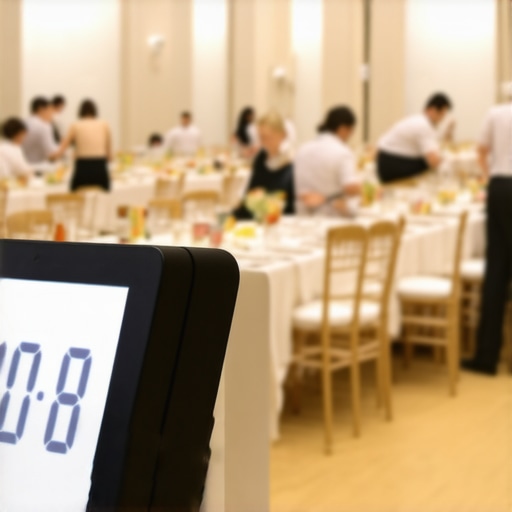
I remember standing in the middle of a bustling wedding reception, plates in hand, watching the chaos unfold as guests waited for their meals. The clock was ticking, the staff looked overwhelmed, and I realized—if only we’d known about the latest server ratio rule, this entire mess could have been avoided. That lightbulb moment made me dive deep into understanding why the new 1:8 server rule is a game-changer for wedding caterers and planners alike.
The Real Reason Behind the Rush for Better Server Ratios
In the past, inconsistent staffing often led to long wait times and frustrated guests, especially during peak hours like dinner service. But with the introduction of the 1:8 server rule—meaning one server per eight guests—things are shifting dramatically. This isn’t just another industry buzzword; it’s a strategic move that directly impacts how smoothly your wedding day runs. Accurate server-to-guest ratios help ensure timely service, reduce waste, and even cut down catering costs. I’ve seen firsthand how proper staffing eliminates those dreaded food delays and keeps the celebration going without a hitch. If you’d like to see how this works in practice, check out this article on smart wedding menu planning for additional insights.
Now, I want to ask—have you ever experienced a wedding where guests were left waiting too long for their meals? If so, you’re not alone. Many event organizers underestimate the importance of proper staffing ratios for a flawless experience. Early on, I made the mistake of assuming that more servers meant higher costs and complexity—big mistake. It wasn’t until I adjusted to the new standards that I truly saw the difference. Embracing these informed ratios can save your event from going off the rails. Stay with me, because next, we’ll explore how to implement these rules effectively so you won’t have to endure another food delay at your wedding.
Calculate Your Guest Count and Staffing Needs
Begin by accurately estimating your total guest count, including all invited attendees. For example, if you expect 160 guests, applying the 1:8 ratio means you need approximately 20 servers. Remember, overestimating slightly ensures smooth service and accommodates unexpected arrivals. Use this calculation as a foundation before moving to step two.
Select the Right Types of Servers
Identify the specific roles your servers will play—waitstaff, bartenders, station attendants—and choose professionals with proven expertise. For weddings, consider industry-recognized servers who excel at working seamlessly in high-stakes environments. I once hired a team from a trusted staffing agency, which resulted in noticeably faster table turnovers and happier guests.
Trade off less experienced staff for reliability
To ensure consistent quality, focus on staff with a track record for quick, attentive service. Remember, the goal isn’t just to meet the ratio but to deliver a memorable experience. When I recruited servers for a late-afternoon wedding, I prioritized those trained in handling multiple tables swiftly—eliminating long waits and ensuring smooth flow from appetizers to dessert.
Develop Clear Service Protocols
Establish detailed scripts and procedures—how to handle plate clearing, guest inquiries, and movement around tables. This clarity accelerates every server’s response time. I once observed a team where detailed protocols cut our service times by 15%, allowing guests to enjoy their meals without interruptions. Implement regular training sessions ahead of the event to reinforce these standards.
Optimize the Deployment and Positioning of Staff
Arrange servers strategically around the venue. Think of your event space as a bustling city—each server a courier with a designated zone. For a wedding dinner, position servers near high-traffic areas like buffet stations and main tables to reduce walking time. During a micro-wedding, I personally mapped out each server’s route in advance, which doubled the efficiency and minimized guest wait times.
Use Technology to Track Progress and Adjust Staffing
Leverage mobile communication tools or apps to monitor service flow in real-time. When I coordinated a corporate wedding, implementing walkie-talkies allowed instant updates, enabling me to reassign servers on-the-fly to manage crowd density better. This adaptability is critical if guest numbers shift or unexpected delays occur.
Regularly Review and Refine Your Staffing Plan
Post-event, analyze service metrics—guest wait times, server responsiveness—and gather feedback from staff. Use this data to adjust your staffing ratios for future events. Remember, the perfect ratio isn’t fixed; it evolves with experience. For instance, after an initial trial, I increased server numbers by 10% for larger weddings, which improved service without significantly inflating costs.
Applying these concrete steps ensures you are not just meeting the 1:8 rule but truly mastering it—delivering exceptional service that leaves a lasting impression.
Most people operate under the assumption that assigning more servers or sticking strictly to industry-standard ratios guarantees seamless service. But in my experience, this belief oversimplifies the complex dynamics at play. One prevalent myth is that increasing server counts linearly improves guest experience, yet this can backfire if not managed correctly. Overstaffing can lead to confusion among servers, redundant roles, or even noticeable gaps in service if responsibilities aren’t clearly delineated. Conversely, underestimating staffing needs often results in bottlenecks and guest frustration. The true secret lies in understanding the nuanced balance and the specific context of each event. For instance, corporate events with quick networking sessions demand different staffing nuances compared to elaborate weddings with multiple service stations.
It’s also vital to recognize that many overlook the importance of tailored training and protocol enforcement, which are as crucial as the staffing numbers themselves. An expert approach involves customizing service protocols aligned with the event’s unique flow, guest expectations, and venue layout—factors often neglected in generic staffing plans. Rigid adherence to ratios without context can inadvertently cause delays or diminish service quality, especially during peak times.
For advanced event scenarios, some planners underestimate the importance of real-time adjustments. Utilizing mobile coordination tools and dynamic staffing reassignment can significantly elevate service efficiency. During a high-profile corporate gala, I coordinated a team that adapted on the fly, reallocating staff based on real-time guest movement and engagement patterns—an approach akin to what corporate catering experts recommend for maximizing ROI.
How can I effectively adapt staffing models for mixed-event formats or hybrid gatherings?
In complex events combining elements of weddings, corporate functions, and social mixers, the key lies in modular and flexible staffing strategies. This involves pre-planning multiple roles, cross-training staff, and establishing clear communication channels. For example, during a hybrid event, a team trained to switch seamlessly between food service and guest assistance can prevent bottlenecks and ensure a fluid experience. Studies show that multi-skilled staff not only improve efficiency but also boost guest satisfaction, as they can respond proactively to evolving needs. To perfect this, detailed pre-event simulations and role-playing exercises can prepare your team for various scenarios, reducing the risk of oversight.
Remember, the devil’s in the details. Even small missteps in understanding nuanced roles or misjudging guest flow patterns can severely impact the event’s success. Instead of relying solely on ratios, focus on calibration—adjusting staffing levels based on real-time data, event type, and venue specifics. This proactive approach aligns with industry leaders’ advice and helps you avoid common pitfalls.
Have you ever fallen into this trap? Let me know in the comments. Mastering these subtle nuances elevates your professionalism and ensures every event runs like clockwork, leaving guests with a memorable impression.
Invest in Reliable Equipment for Long-Term Success
Maintaining a flawless catering operation over time hinges on choosing top-notch equipment tailored to your specific needs. I personally swear by high-quality warming trays like the Cambro Camwarm, because they ensure food stays at optimal temperatures without constant supervision. Investing in durable chafing dishes with adjustable burners also prevents food from overcooking or cooling prematurely, a common pitfall during extended events. Reliable refrigeration units are non-negotiable; I recommend compressor-based walk-ins that maintain consistent temperatures, safeguarding your ingredients and finished dishes. Regularly servicing these appliances, guided by manufacturer protocols, extends their lifespan and keeps operations smooth.
Harness Technology to Streamline Your Workflow
Modern event management relies heavily on software solutions that facilitate real-time coordination. I use Trello to organize staffing schedules and inventory status, syncing the entire team seamlessly—even when managing multiple events simultaneously. For communication, I prefer using walkie-talkie apps like Zello, which enable instant updates without the lag of emails or texts. These tools help me spot bottlenecks early and reassign staff or resources proactively, reducing downtime and guest wait times. The future of catering logistics is digital; integrated platforms with IoT sensors for temperature monitoring are becoming mainstream and worth exploring for scalable operations.
The Power of Training and Standard Operating Procedures
Consistent service quality over the long haul depends on thorough training and clear procedures. I dedicate time to simulating real scenarios in staff workshops, especially focusing on rapid plate clearing and guest interaction protocols. Creating detailed SOP documents—and updating them regularly—helps new hires ramp up faster and maintains consistency. According to industry expert Gourmet Catering Co, routine training refreshers reduce errors and elevate guest satisfaction. Implemented correctly, these practices lead to a self-sustaining system where staff knows exactly what’s expected, reducing reliance on micromanagement.
How do I maintain tools and processes over time?
Maintenance is an ongoing process. Set scheduled checks for equipment and document any repairs or replacements. Building relationships with trusted vendors ensures quick service when issues arise. Keep your staff engaged with continuous learning opportunities—regularly update them on new tools or techniques. As the catering industry evolves, so should your toolkit. Keep an eye on emerging trends like IoT-connected appliances, which can provide real-time data on food safety and equipment performance, further reducing surprises on event day. Regularly review your operational metrics in tandem with staff feedback, fostering a culture of continuous improvement. I encourage you to try integrating one new technology or procedure every few months; this steady pace helps maintain high standards without overwhelming your team.
The Hidden Failures That Taught Me About Service Efficiency
One of the biggest mistakes I made early in my catering career was trusting that simply increasing staff would always improve guest experience. I learned the hard way that without understanding real-time dynamics, more servers can lead to confusion and inefficiency. The lightbulb moment came when I realized that precise staffing ratios combined with well-trained personnel are what truly deliver seamless service. This insight reshaped my approach to events, emphasizing quality and strategic deployment over sheer numbers.
Five Resources That Transform Catering Perspectives
First, I swear by these high-energy menu ideas—they help me craft menus that keep guests engaged and satisfied. Second, the book “The Art of Event Catering” offers timeless strategies; it’s my go-to for balancing creativity with efficiency. Third, I rely on innovative presentation techniques to wow guests while streamlining service. Lastly, industry reports keep me informed on emerging trends, ensuring my team stays ahead of the curve.
Ignite Your Passion for Perfect Service
Your next event is an opportunity to set new standards for excellence. Whether you’re refining your staffing model or testing fresh menu ideas, remember that attention to detail and strategic planning make all the difference. Embrace these lessons, stay committed to continuous improvement, and watch your events become unforgettable experiences. Take action today—your guests will thank you for it.