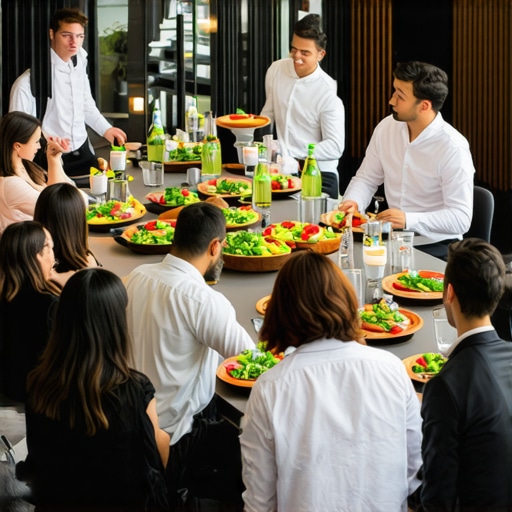
It was that awkward moment again. The executive team gathered around the conference table, each of us eyeing the clock as the half-hearted salad and stale sandwiches made their rounds. I’d seen this scene too many times, feeling the collective sigh of boredom and anticipation for the meeting to end. Suddenly, it hit me: why are corporate lunches still so dull, even as the way we do business evolves at light speed? I realized that if I wanted to leave a memorable impression and keep productivity high, I needed to rethink the entire catering approach.
Why Boring Boardroom Lunches Hold Back Your Business
Let’s be honest—most corporate catering feels stuck in the past. Overly traditional menus, uninspired presentation, and plain service leave colleagues disengaged and meetings dragging on. This isn’t just about food; it’s about creating an environment that energizes your team and impresses clients. According to research by the National Restaurant Association, innovative catering solutions can increase attendee satisfaction by up to 40%, boosting your company’s image and effectiveness. But many still fear that elevating catering means overspending or losing control of quality. I’ve been there, making the mistake early on of relying on generic options that didn’t wow anyone. What I learned was that small, deliberate changes can transform the entire experience without breaking the bank.
Are These Catering Tricks Really Worth It?
Initially, I wondered if all this fuss was just a marketing ploy. Would upgrading a salad bar or adding a few trendy bites truly make a difference? The truth is, yes. When I started experimenting with fresh, local ingredients and interactive stations, I noticed a dramatic uptick in engagement. Employees stayed longer, discussed ideas more openly, and even the slowest eaters felt motivated to participate. If you’re tired of seeing glazed-over eyes at your meetings, these hacks could be just what you need to turn things around.
But before diving into the details, I want to share a quick story. Like many leaders, I once poured resources into fancier venues or pricier menus, thinking that’s what made a difference. Turns out, it’s regionally tailored menus and attentive service that truly seal the deal. For instance, professional servers trained to anticipate guests’ needs can elevate the entire event. Curious? I’ll guide you through the top five innovative catering hacks that will redefine your boardroom lunches in 2026 and beyond.
Breaking Free from the Boredom: Fresh Ideas to Revitalize Your Corporate Catering
.
Choose the Right Venue with Flexibility and Flair
The venue sets the tone—think of it like selecting a stage for a performance. Opt for spaces that allow for interactive setups, such as lounge areas or open layouts, which facilitate mingling and engagement. I once booked a dull conference room that limited catering options; switching to a flexible co-working space with modular furniture instantly energised the atmosphere. When scout locations, prioritize those that support diverse catering arrangements and tech integrations to make transitions seamless.
Innovate Your Menu to Spark Interest
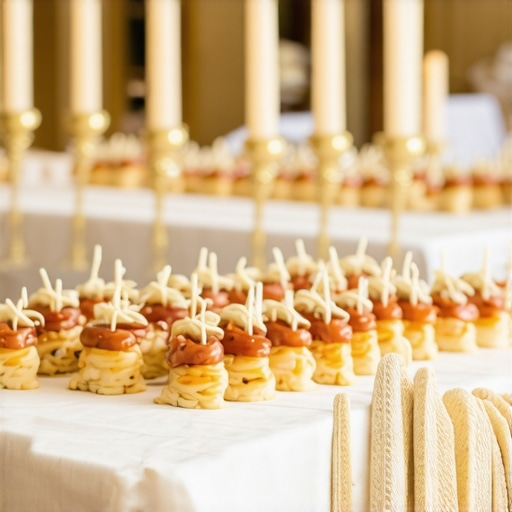
Next, revamp your menu. Instead of predictable sandwiches, introduce regional dishes or themed stations. For an executive client meeting, I curated a local farm-to-table spread and set up a live pasta station—this interactivity converted a routine lunch into an experience. Use seasonal ingredients to reduce costs and boost freshness. Align menu choices with your audience’s preferences, ensuring options like vegan, gluten-free, or low-carb are available, which demonstrates attentiveness and inclusivity.
Leverage Interactive Food Stations for Engagement
Interactive stations aren’t just a trend—they’re conversation catalysts. Think of them as food playgrounds, where guests create their own bites. I introduced a build-your-own taco or salad bar at a corporate event, which broke the ice and prolonged table conversations. These stations also help distribute guests evenly, reducing wait times and congestion. To avoid chaos, assign dedicated staff to monitor each station, ensuring cleanliness and timely replenishment. Explore the idea further by incorporating elements like cheese, charcuterie, or dessert stations, tailored to your event theme.
Staff with Precision and Polished Skills
Staff quality directly impacts the service flow. Handpick servers who are not just knowledgeable but proactive—think of them as the conductors of your catering symphony. When I hired professional servers trained for corporate events, I noticed a dramatic difference: they anticipated needs, refilled buffers, and maintained a subtle presence that kept the event flowing smoothly. Review service protocols and conduct pre-event briefings to align staff with your expectations. For insights on selecting top-tier servers, visit this resource which emphasizes training, appearance, and responsiveness.
Implement Server Protocols to Speed Up Service
Streamlining server actions can shave precious minutes off wait times. Use protocols like predetermined plate clearing sequences and designated routes. At one startup launch, I briefed servers on a plan where they moved systematically from station to station, which eliminated overlapping and confusion. Consistent communication ensures everyone knows their role—adopt hand signals or tech devices if needed. Moreover, for high-stakes business dinners, consider a 1:15 server-to-guest ratio to elevate service quality, as recommended in this guide.
Optimize Staffing to Match Your Crowd
Over- or under-staffing leads to chaos or boredom. Calculate needs based on guest activity levels and menu complexity. For instance, at a recent corporate gala with 200 attendees, I used a simple formula to assign one server per 15 guests during peaks, which kept service swift yet personal. Consider cross-training staff to handle multiple stations, enabling flexibility if guest flow varies. Use staff scheduling software or checklists from this resource to refine your staffing plan, avoiding costly overestimations.
Seal the Deal with Attentive, Discreet Service
Finally, emphasize the importance of silence in service—think of it like a backstage crew working silently to keep the show running. Discreet, attentive servers anticipate guests’ needs without intrusion. I trained my team to observe body language—reaching for a drink, eye contact—and act proactively. Implement silent protocols such as minimal conversation and uniform appearance to reinforce professionalism. For detailed protocols, explore this article which offers proven methods for high-stakes settings. The result is a seamless experience that impresses clients and energizes your team, turning ordinary lunches into strategic assets.Many people believe that simply hiring the most popular caterers or servers guarantees a perfect event, but the reality is far more nuanced. A common myth is that lavish menus or expensive staffing automatically lead to success. However, the subtler factors—such as staff training, menu design, and timing—often determine how smoothly your event unfolds. Overlooking these details can result in disorganized service, wasted resources, and guest dissatisfaction, despite having high-profile vendors. For instance, assuming that all servers are equally skilled ignores the importance of vetting their experience and soft skills; professional servers trained specifically for corporate or wedding settings, like those outlined in this guide, can make a dramatic difference in guest experience.
One overlooked trap is the belief that bigger staff numbers always mean better service. In reality, excess staff can lead to chaos, while too few can cause delays—striking the right balance requires precise planning and understanding of guest flow and menu complexity. Implementing the right protocols, such as standardized server movements shown in this article, prevents bottlenecks and enhances efficiency.
For advanced planners, it’s crucial to consider how event timing and staff deployment interact. For example, a densely packed schedule might require staggered service or specialized stations to maintain fluidity. Neglecting such considerations often leads to long wait times or mingling disruptions, which can be avoided with proactive strategies outlined in this resource.
Furthermore, many assume that a basic menu suffices, but thoughtful menu design tailored to your audience, and optimized for the event flow, can elevate the entire experience. Regional or themed stations, interactive food options, and dietary accommodations turn a mundane meal into a memorable part of your event, as recommended in this post.
Finally, beware of the myth that quality can’t be controlled—vendors and staff are your partners in creating a seamless event, but only if you vet them properly. Conducting pre-event training and clear communication protocols, highlighted in this guide, are essential steps to avoid costly surprises.
Have you ever fallen into this trap? Let me know in the comments. Digging into these nuances helps us elevate our events from good to unforgettable.
Once your event is underway, maintaining smooth operations becomes paramount. To achieve this, leveraging the right tools and establishing robust routines are essential. Personally, I rely heavily on event management software like Trello for task organization and Slack for real-time team communication. Trello helps me visually track each stage of event setup—from menu planning to staffing schedules—ensuring nothing falls through the cracks. Slack channels dedicated to specific tasks allow instant updates, quick problem-solving, and maintaining alignment across teams, which is critical during high-pressure moments. Additionally, I recommend portable point-of-sale devices such as Square Terminal for efficient payment processing on-site, reducing bottlenecks during registration and checkout. These devices are reliable, easy to set up, and support multiple payment types, including contactless options, aligning perfectly with modern guest expectations.
In the realm of servers and staff management, I swear by using software solutions that assist in staff scheduling and training. They allow me to assign roles based on skills and availability, and ensure all team members are briefed beforehand. Regular micro-huddles, facilitated through these tools, help preempt issues before they escalate, ensuring consistent service quality throughout the event.
Predictively, I see the trend moving toward integrated platforms combining operational management, real-time communication, and guest experience tracking—think of it as a command center that’s cloud-connected. This integration facilitates faster adjustments, immediate feedback collection, and a more proactive approach to event troubleshooting.
How do I maintain operational excellence over time?
The key lies in continuous training, routine tech upgrades, and post-event reviews. For instance, after each wedding or corporate function, I conduct a debrief using data captured via my management tools, highlighting what went well and pinpointing areas for improvement. Staying up-to-date with industry standards, such as tips from industry experts’ guides, helps refine my processes. Moreover, I test new hardware and software periodically, ensuring compatibility and efficiency. Transitioning to newer, faster devices like biometric cashless payment systems can streamline checkouts significantly, reducing guest wait times. Don’t forget: consistency is built by assigning dedicated staff members to monitor each operational component, fostering accountability and swift resolution of any hiccups. I urge you to try integrating a unified platform that combines scheduling, communication, and inventory tracking—it’s a game-changer for long-term success and scalability in wedding, catering, and corporate event planning.
Over the years, I’ve realized that perfecting corporate catering isn’t just about choosing the right dishes or hiring skilled servers—it’s about understanding the subtle nuances that make an event memorable. One of the most powerful lessons I’ve learned is the importance of personalized touches. Whether it’s a custom cocktail that resonates with your company’s branding or a brief story behind each regional dish, these elements foster engagement and leave a lasting impression.
Lessons That Changed My Approach to Catering
- Embrace Flexibility in Staffing: Rigid staffing plans can backfire during dynamic events. Learning to adapt quickly, whether by reallocating servers or adjusting service styles, ensures guests are always attended to without feeling overwhelmed.
- Prioritize Guest Experience Over Perfection: Sometimes, a genuine smile and attentive attitude outshine meticulously plated dishes. Training staff to be authentic and responsive creates a genuine atmosphere that guests remember.
- Leverage Technology for Fluid Operations: Using real-time communication tools and booking platforms streamlines coordination. This proactive approach minimizes mishaps and boosts efficiency, especially during high-pressure moments.
- Invest in Quality Training: Dedicated preparation for your team pays dividends. Well-trained servers anticipate needs, handle special requests smoothly, and contribute to seamless flow—transforming an ordinary meal into an extraordinary event.
- Design Menus with Interaction in Mind: Interactive food stations not only showcase culinary creativity but also encourage mingling. Inspired by the success of regional stations and themed bites, these setups turn passive eating into an engaging experience.
Tools That Elevate My Catering Game
- Family-style menu guides: They inspire cost-effective, communal dining options perfect for fostering connection.
- Server training programs: Ensuring your staff are equipped with the latest skills guarantees professionalism and seamless service.
- Staff scheduling tools: Precise planning helps match staff levels with event demands, avoiding both shortages and excess.
- Service protocols: Implementing standardized procedures creates consistency, especially in high-stakes environments.
Your Next Step in Event Catering Excellence
Remember, elevating your weddings, catering, servers, and corporate events is a journey of continuous learning and adaptation. Every event offers new insights—embrace them, experiment boldly, and refine your approach. The difference between good and extraordinary often lies in the details—those small strategic choices that resonate with your guests long after the event concludes.
What’s one innovative change you’ve tried in your catering approach that made a significant difference? Share your experience below and let’s learn together!