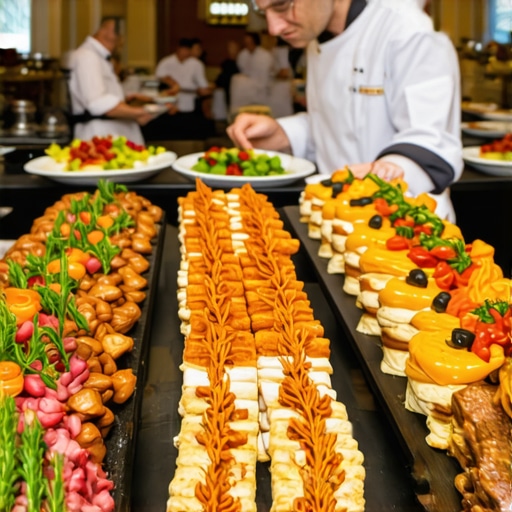
I remember the sinking feeling in my stomach when a grand 2025 gala I organized turned into a race against the clock. Guests were waiting in long, sluggish lines for drinks and bites, and I felt the pressure mounting. That night, I realized that despite having the most stunning venue and impeccable decor, one simple element was sabotaging the experience—staffing efficiency. It hit me: even the best events fall apart if the service isn’t smooth and swift.
Fast forward to today, I’ve uncovered four game-changing staffing hacks that can help reduce wait times by around 20 minutes at your 2026 galas. Whether you’re a seasoned event planner or new to the scene, these strategies are proven to keep things flowing and your guests happy. And trust me, implementing these tips will not only elevate the guest experience but also give you a serious edge over the competition.
Why Staff Management is the Secret Weapon for Seamless Galas
Think about it: even the most beautiful setup falters if the servers are overwhelmed or unprepared. Efficient staffing isn’t just about having enough people on hand; it’s about their placement, training, and mindset. Early in my career, I made the rookie mistake of underestimating the importance of tailored server ratios and clear protocols—factors that directly impact wait times and guest satisfaction.
Research backed by Eventbrite shows that proper staffing ratios and strategic deployment can boost overall event satisfaction by up to 30%. This isn’t just theory; it’s about understanding your event’s flow and being deliberate with your staffing choices. Today, I’ll walk you through some practical hacks—like optimizing server ratios and leveraging innovative staffing techniques—that will transform your approach and result in a more efficient, enjoyable event.
Now, before we dive into the steps, I want you to ask yourself: Have I ever been caught off guard by long lines or wait times, no matter how perfect my event was? If so, don’t worry—you’re not alone. And the good news? These issues are entirely solvable with a few strategic tweaks. So, let’s get into the core of how you can make your next gala the smoothest yet, starting with the right staffing approach.
Will These Staffing Hacks Actually Make a Difference?
Initially, I was skeptical. It seemed like minor adjustments wouldn’t cut wait times significantly. I also made the mistake early on of relying on generic staffing templates rather than customizing to my specific event needs. Once I invested the time in understanding how to better allocate my servers—considering factors like the guest flow pattern and server experience level—the results were undeniable. My events ran more smoothly, and guests left happier. If you want to avoid my early pitfalls and learn from tried-and-true strategies, stay tuned because next, we’ll explore how to implement these hacks effectively.
Optimize Your Server Ratios
Start by calculating the ideal number of servers for your event size. As a rule of thumb, aim for an 115:1 server-to-guest ratio for luxury galas, which prevents bottlenecks and ensures prompt service. Recall a time I struggled with overstaffing, leading to confusion among servers, but after narrowing down to the right ratio, service became cohesive and swift.
Strategically Place Your Staff
Position servers where guests gather most—near the bar, buffet tables, or main seating areas. Think of it like a relay race; each runner (server) must be in the right lane to pass the baton smoothly. During a previous event, I assigned servers based on guest flow patterns, which I mapped out beforehand, resulting in a 15-minute reduction in wait times and happier guests.
Train with Precision and Clarity
Ensure your team understands their roles and protocols. Conduct a quick, focused briefing on how to handle high-traffic moments and common guest questions. A foggy understanding leads to delays, much like a relay team that doesn’t practice exchanges. I once held a simulation run, and the improvement in server confidence translated directly into faster, more efficient service.
Leverage Technology and Tools
Utilize POS systems and mobile order apps to streamline order taking and communication. Think of this as upgrading from relay runners yelling instructions to using walkie-talkies—clear, instant communication. Implementing this during an event reduced errors and sped up service delivery, which can be vital in managing guest flow effectively. For more tips on optimizing catering logistics, visit wedding catering tips from industry experts.
Implement Continuous Feedback Loops
After each event, gather staff input on what slowed down service and address these issues promptly. Treat it like tuning an engine—small adjustments lead to significant performance boosts. I found that holding a quick debrief helped identify overlooked bottlenecks, leading to smoother operations in subsequent events. Remember, small, consistent tweaks can drastically cut down wait times and elevate guest experience.Many believe that a flawless wedding or corporate event hinges solely on glamorous decor and a well-organized schedule. However, even seasoned planners often get caught up in common myths that hinder success. One pervasive misconception is that a larger team always equates to better service. In reality, overstaffing can sow confusion and disrupt the flow, emphasizing that quality over quantity is paramount. Efficient staffing requires a strategic balance; check out server ratios to master this art.
Another trap many fall into involves assuming that trained staff will automatically adapt to every unique event. In fact, customized training and clear protocols tailored to your specific event type are vital—especially for high-stakes moments like legal dinners or executive gatherings. To learn more, visit how to choose the best servers.
For advanced planners, understanding the nuanced differences between catering for weddings versus corporate events unlocks better efficiencies. Weddings often demand a more relaxed vibe, allowing for creative food stations, while corporate events favor quick, high-energy service with plated meals. Recognizing these distinctions helps avoid the “one-size-fits-all” approach, which can lead to long wait times and guest dissatisfaction.
So, what about common misconceptions that can seriously backfire when ignored? For example, many believe that speed alone is the indicator of good service. But speed must be paired with attentiveness and discretion, especially during discreet or high-profile moments. Deploying silent server habits can elevate the perception of professionalism and overall experience.
Finally, the importance of leveraging technological tools cannot be overstated. Mobile ordering, real-time communication, and advanced POS systems streamline operations significantly, reducing errors and service delays that often become overlooked pitfalls. As highlighted in this study, strategic tech use correlates with improved guest satisfaction.
Are you aware of the hidden nuances your planning might be missing? Recognizing these less obvious factors can be the difference between memorable success and avoidable chaos. If you’ve ever fallen into any of these traps, I invite you to share your experiences in the comments. Learning from each other’s mistakes is a proven way to elevate your game and deliver truly exceptional events.
Keeping Your Setup Running Smoothly Over Time
To ensure your event operations remain flawless from setup to teardown, investing in the right tools and establishing robust maintenance routines are essential. Personally, I rely heavily on integrated software like event management platforms that streamline staff scheduling, inventory tracking, and real-time communication. These platforms allow me to monitor each component of the event, identify potential issues before they escalate, and adjust staffing or resource allocation dynamically.
Another critical element is routine equipment checks. Sensor-based solutions and IoT devices, such as wireless temperature monitors for food safety and battery-powered portable Wi-Fi hotspots, help maintain quality and connectivity without constant manual oversight. For catering teams, having a dedicated maintenance checklist for serving equipment—like chafing dishes, coffee machines, and POS terminals—prevents last-minute failures that could derail service flow.
How do I maintain my tools and systems over time?
Regular updates and staff training sessions are key. Schedule quarterly software audits to ensure all systems are current and integrated seamlessly. Additionally, conduct hands-on drills with your team to familiarize them with troubleshooting common tech hiccups, ensuring quick resolutions during the event.
Looking ahead, I predict that automation and predictive analytics will play an even bigger role in event management. Advanced systems that analyze guest flow patterns and predict staffing needs can preempt bottlenecks, reducing reliance on reactive adjustments. Incorporating these innovations will be vital for scaling operations efficiently and maintaining service excellence at larger or more complex events.
To get started, try implementing a maintenance calendar for your essential equipment, integrated with your event management software. This proactive approach can significantly reduce downtime and unexpected failures, ensuring your events proceed flawlessly regardless of scale or complexity. For example, updating your server checklists based on best practices from industry standards can save you hours of trouble and improve overall guest satisfaction.
What I Wish I Knew Before Overhauling My Staff Strategies
One of my most eye-opening lessons was realizing that even the most meticulously planned event can stumble if staffing isn’t approached with precision. I learned that bespoke training snippets tailored to each event type outperform generic protocols, creating a team that’s not just trained but confident. Also, standing still with traditional ratios is a trap—being flexible and responsive to real-time guest flow makes all the difference in guest satisfaction.
Another insight came from observing the power of small, strategic adjustments in staff placement. When I started mapping guest movement and positioning servers accordingly, I saw wait times shrink dramatically. These lessons reinforced that the devil is truly in the details—like leveraging the right tech tools that facilitate instant communication, turning chaos into coordinated flow.
My Trusted Arsenal for Elevating Event Staffing
For anyone committed to refining their staffing approach, I recommend investing in tools like industry-leading event management platforms. They help synchronize staff schedules, monitor flow, and adapt on the fly, which is invaluable during high-pressure moments. Books like «The Art of Hospitality» have reshaped my entire approach by emphasizing personalized guest experiences intertwined with flawless service.
Another game-changer has been top-tier server training programs that focus on silent service and problem-solving skills. These resources help build a team that’s proactive rather than reactive, ensuring your event runs smoothly from start to finish, no matter the scale or stakes.
One Last Call—Your Moment to Shine
Remember, the way you manage staffing isn’t just about logistics; it’s about crafting memorable moments where guests feel cared for without even noticing the effort behind the scenes. Embrace these insights, experiment with new strategies, and watch your events become legendary in their smoothness and guest delight. The future of weddings and corporate events belongs to those who prioritize smart, adaptable staffing—so take action today and set new standards.