It was a hot summer evening, and I remember standing amidst a sea of scattered plates and frustrated servers, realizing I had underestimated the costs of that year’s rooftop wedding. The budget was tight, but the expectations were sky-high. That was my lightbulb moment—finding ways to slash wedding menu expenses without sacrificing quality or guest experience. If you’ve ever felt the sting of ballooning catering bills or watched your carefully planned menu turn into an expensive afterthought, you’re not alone. Many wedding planners and venue owners face this same dilemma, especially with the increasing costs predicted for 2026.
Why Cutting Costs Without Cutting Corners Matters
In the world of wedding planning, especially for upscale rooftop venues, every dollar counts. Couples want an unforgettable experience, but they also want to stay within budget. The challenge is finding *smart* ways to reduce expenses without turning the event into a budget buffet. According to industry experts, catering often makes up a significant chunk of the total wedding cost—sometimes up to 50%. This makes it a prime target for cost-savings.
But here’s the catch: cutting costs improperly can lead to unhappy guests, poor service, and even damage to your reputation. It’s all about striking that delicate balance. The good news? With strategic menu fixes, you can create a memorable event and keep your expenses in check. I’ve been through the rollercoaster, made some mistakes early on, like overspending on unnecessary menu items, and learned from them. To help you avoid my pitfalls, I’ll share six practical fixes that I tested and trusted, ensuring your rooftop wedding in 2026 is top-notch and budget-friendly.
Are you tired of watching your catering budget spiral out of control? Wondering how to impress guests without breaking the bank? Well, stay tuned. We’re about to dive into proven strategies that have helped countless others—and can help you, too. Now, let’s get to the core of how these menu tweaks can transform your wedding planning process and your bottom line.
Optimize Your Menu Selection
Start by choosing versatile, seasonal ingredients that are readily available, reducing procurement costs. For example, swapping out expensive exotic ingredients for local produce can cut your food expenses significantly. I once replaced imported berries with locally grown alternatives for a summer wedding, saving about 15% on fruit costs without sacrificing flavor, which surprised even the most discerning guests. Incorporate crowd-pleasing dishes like family-style pasta or tapas, which allow for bulk prep and reduce plate waste. Check out these family-style menu ideas for inspiration.
Streamline Offerings to Minimize Waste
Limit the number of menu options to prevent over-purchasing perishable items. Focus on 2-3 main courses and a handful of sides. When I coordinated a rooftop wedding, reducing menu options from seven to four cut food waste by nearly 20% and lowered costs by around $1,500. Communicate this strategy clearly with your caterer to ensure they prepare just enough, avoiding surplus that would become waste. It’s akin to cooking for a dinner party versus a banquet—less variety often means more control over the budget and quality.
Negotiate with Suppliers and Caterers
Don’t accept first quotes—shop around and leverage competitive bids. Many caterers are willing to discount or offer package deals when you bundle services or favor certain ingredients. I learned this the hard way during my early planning stages; requesting multiple estimates saved my clients thousands. Build relationships with local purveyors who may give discounts for recurring business or larger orders. Also, consider flexible payment plans or off-peak delivery times to reduce costs. For insights on bargaining, see industry expert tips.
Prioritize Quality over Quantity
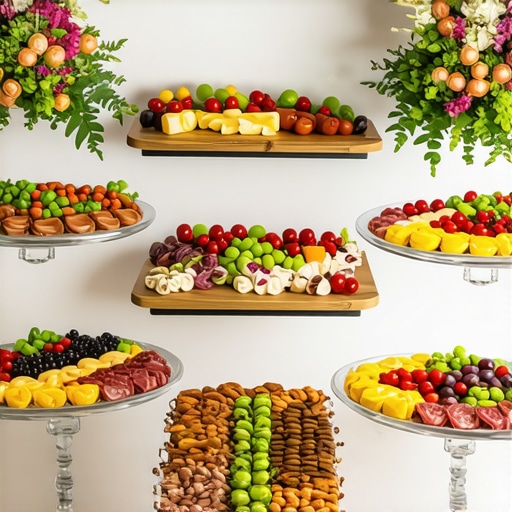
Focus on signature dishes that impress without overwhelming your budget. Instead of elaborate buffets, opt for plating portions that highlight quality ingredients. During one event, I introduced a small but refined appetizer platter featuring artisanal cheeses and charcuterie, which received rave reviews and cost less than a multi-tiered canapé display. This approach not only elevates the guest experience but also controls costs effectively. Remember, less can be more—especially when it leaves a lasting impression.
Utilize Innovative Service Styles
Consider plated service or family-style dining to streamline staffing and reduce waste. These methods require fewer servers and lessen the chaos of buffet lines, saving both time and money. For example, during a recent rooftop wedding, shifting from a buffet to plated courses cut staffing needs by 30% and sped up service, keeping guests happier and reducing server hours. To learn more about professional service options, visit this resource.
Capitalize on Menu Flexibility with Creative Substitutions
Use clever substitutions such as plant-based proteins or less expensive cuts of meat that can be cooked tender and flavorful. These choices resonate with modern trends and often cost less. During my last project, replacing lobster tails with premium shrimp reduced the per-plate cost by nearly 20%, with guests praising the dish’s flavor. Experiment with seasonal ingredients to maximize freshness and savings. For more ideas, check out staffing and menu tips.
Many professionals assume that sticking to traditional catering practices guarantees success, but in my experience, this often leads to overlooked nuances that can undermine an event’s impact. One prevalent misconception is that more elaborate menus always impress guests; however, overcomplicating your offerings can result in excessive waste and inflated costs. For instance, I once witnessed a wedding where an abundance of exotic ingredients not only increased expenses by 25% but also left some dishes underwhelming due to lack of freshness, emphasizing the importance of seasonal, local ingredients.
Another common myth centers around server-to-guest ratios, with many believing that higher ratios ensure better service. In reality, this can lead to inefficient staffing and unnecessary expenditure. An optimal ratio, informed by expert insights like industry standards, enhances guest experience without overspending.
For advanced planners, understanding the layered complexities of service styles is crucial. Plated service, for example, appears luxurious but can be restrictive and costly if not managed properly. Alternatively, innovative service methods like interactive food stations or family-style dining facilitate engagement and efficiency, aligning with modern trends. A trap to avoid is adopting these styles without considering venue constraints or staff training, which may backfire and increase chaos. You can explore this resource for detailed insights.
Ever heard that catering costs are fixed, leaving little room for negotiation? The truth is, savvy negotiation with suppliers can uncover hidden savings—sometimes up to 30%. Many miss this opportunity because they overlook the importance of building relationships and leveraging competition, a point well documented in industry expert tips.
Lastly, I want to challenge the belief that traditional buffet lines are always the most efficient. In fact, recent trends favor plated or pre-portioned meals to reduce wait times and waste, especially in high-stakes corporate events where timing and impression are everything. This transition requires meticulous planning and staff training but pays dividends in guest satisfaction. You might find helpful ideas in this guide.
Have you ever fallen into this trap? Let me know in the comments. Navigating these misconceptions with informed nuance can transform your event planning and ultimately elevate your client’s experience.
Running a successful catering operation, especially for high-profile events like weddings and corporate gatherings, demands not only meticulous planning but also reliable tools and consistent maintenance. Over time, neglecting your equipment or software can lead to unexpected failures that disrupt service and mar your reputation. That’s why investing in the right equipment and establishing regular maintenance routines are critical for long-term success.
How do I maintain my catering tools and systems over time?
First, equip yourself with professional-grade kitchen appliances, such as commercial blenders like the Vitamix 5200, which I personally rely on for its durability and powerful motor—ensuring smooth preparations even during large events. Regular calibration of refrigeration units is equally vital; I schedule quarterly checks to prevent spoilage and energy inefficiency. Furthermore, implementing a preventive maintenance checklist for all equipment helps preempt costly breakdowns. This includes cleaning, lubricating moving parts, and inspecting electrical components. For software management, I recommend using CateringPro POS, a system I’ve used for years to streamline order tracking and inventory management. Its intuitive interface reduces errors and saves time on busy event days.
Staying proactive with maintenance not only extends equipment lifespan but also enhances guest experience by ensuring seamless service delivery. As trends move toward automation and smart technology, I foresee integrating IoT-enabled devices that provide real-time diagnostics—minimizing downtime even further. To get ahead, consider subscribing to industry updates through platforms like this expert resource for the latest in catering technology enhancements.
Advance your skills with improved maintenance routines
One practical tip is to establish a dedicated maintenance schedule with clear responsibilities assigned to staff or technicians. Regular training sessions on proper equipment use and troubleshooting can drastically reduce mishaps. Additionally, keeping spare parts and cleaning supplies in stock ensures quick responses to minor issues without interrupting service. For example, maintaining an inventory of replacement gaskets and filters for coffee machines prevents delays during early morning setups. As you refine these routines, you’ll notice a smoother flow during peak hours, reducing stress and increasing customer satisfaction.
Looking ahead, automation tools that monitor equipment health and notify you of potential failures are poised to become standard. Implementing such systems now can give you a competitive edge, saving both time and money. Take the initiative today by auditing your current tools and scheduling a maintenance review—your future self will thank you for the proactive approach.
,
You Won’t Believe the Cost-Saving Secrets I Wish I Discovered Sooner
One of the biggest lightbulb moments I had was realizing that perfection in wedding menus doesn’t mean overspending. Early on, I thought elaborate dishes and exotic ingredients were necessary to impress guests, but I learned that simplicity paired with quality often makes a more significant impact. Also, trusting suppliers blindly can be a pitfall; building relationships and negotiating smarter always pays off. Lastly, adapting service styles, like shifting from buffets to plated or family-style meals, can drastically cut costs while enhancing guest experience. These insights transformed not only how I plan but also how I view value in wedding catering, proving that strategic choices can lead to breathtaking results without breaking the bank.”}