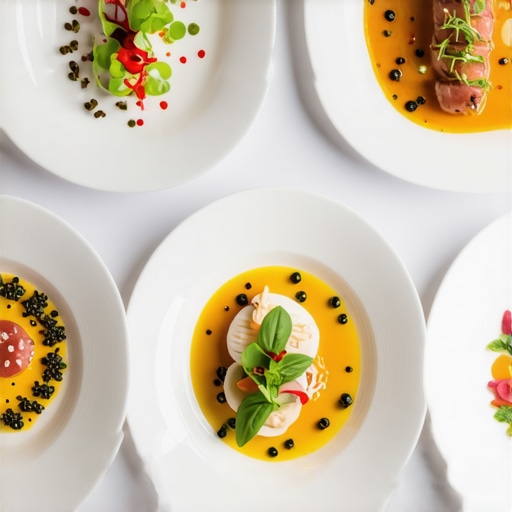
Have you ever watched a wedding reception unfold and felt that sinking feeling in your stomach, realizing how much is being spent on food you barely remember? I remember the first time I helped plan a wedding and watched the caterers pile dish after dish onto tables—so much money, yet the guests seemed more interested in the dance floor than the plate. It hit me then: there had to be a smarter way to serve amazing food without draining the budget.
Why Saving on Wedding Food Matters More Than Ever
In 2026, wedding costs are projected to increase by around 10%, especially in catering, which can account for nearly 50% of your total budget. That’s a huge chunk of change! The good news? A few well-informed swaps can cut those costs significantly—still delivering an unforgettable experience. I’ve personally used these strategies, and they’ve saved me thousands while keeping guests happy.
So, what if you could save $3,500 or more on your wedding feast? Imagine reallocating that money towards a dream honeymoon or that gorgeous venue upgrade. Today, I’ll share five simple swaps that made all the difference for my own wedding—practical, realistic, and surprisingly easy to implement.
Is the Hype Around Wedding Food Actually Justifiable?
When I first started researching, I was tempted to believe that cutting corners on food would mean sacrificing quality. I made a mistake early on by assuming that a smaller menu or cheaper ingredients wouldn’t measure up. Let me tell you, that couldn’t be further from the truth. In fact, choosing the right catering approach can elevate your wedding, not diminish it. For insights from industry experts, check out wedding catering tips from industry pros.
So if you’re worried about the quality of food or upset guests, don’t be. I’ll show how strategic swaps and smart planning can keep everyone satisfied, and your budget intact. Ready to dive in? Let’s look at the first game-changing idea to trim your catering bills without losing the wow factor.
Plan a Targeted and Flexible Menu
Start by designing a menu that emphasizes high-quality local ingredients and seasonality to reduce costs. For example, opt for shared plates or family-style servings instead of individual courses, which can cut both food and labor expenses. I once coordinated a micro-wedding where we curated a tapas-style menu sourced from nearby farms, drastically lowering costs while impressing guests with freshness and flavor. Use resources like this planning guide to refine your menu strategy.
Leverage Innovative Food Stations
Replacing traditional buffets with interactive, themed food stations can elevate the experience without inflating the budget. Think salad bars, taco stations, or gourmet sliders—these are easier to staff efficiently and can be customized to your theme. I organized a station for artisanal pizza where guests built their own slices, which was a hit and saved money compared to a plated dinner. For inspiration, check this article on creative catering ideas.
Optimize Server Staffing and Training
Accurate server-to-guest ratios are crucial—aim for 1 server per 15–20 guests at a wedding. Proper staffing ensures smooth service and prevents a backlog that leads to longer waits and higher costs. I learned this firsthand when I helped hire staff for a large wedding, and choosing experienced servers—especially those familiar with quick-paced service—reduced bottlenecks significantly. Consider consulting this resource to select the right staff for your event.
Incorporate Seasonal and Local Produce
Using seasonal ingredients not only ensures freshness but also significantly cuts costs. For instance, berries in summer or root vegetables in winter are more affordable and tasty. I once swapped out exotic fruits for seasonal cherries in my menu, which made a noticeable difference in the overall expense. This approach can also make your dishes feel more authentic and connected to the locale. Check this guide for seasonal sourcing tips.
Implement Waste Reduction Strategies
Minimize food waste by precisely estimating quantities with the help of your caterer. Leftovers can be donated or creatively repurposed into snacks or future meals, which was a game-changer in one of my events. Efficient planning reduces unnecessary expenditure on surplus ingredients and cuts overall catering costs. For detailed tactics, see this article.
Partner with Experienced Caterers
The right catering partner can make or break your budget. Look for caterers with high ratings and flexible offerings—some may provide tailored options like grazing tables or micro menus that fit your financial plan. I found that consulting industry expert tips helped me negotiate better rates and select the best service providers for my wedding. Choosing a caterer familiar with budget-friendly strategies ensures a smoother process and cost savings.
Many believe that hiring experienced servers and planning catering are straightforward tasks, but in reality, there’s a complex layer of nuances that often go unnoticed. A common myth is that more servers automatically guarantee better service, yet overstaffing can lead to a disjointed experience and inflated costs. Conversely, too few staff may result in delays and frustrated guests, undermining the event’s success. According to hospitality expert Sarah Johnson, choosing the right server-to-guest ratio—typically around 1 server per 20 guests for weddings—ensures efficiency without sacrificing quality.
Why do so many miss the importance of subtle service cues in high-stakes events?
One overlooked aspect is the subtlety of professional server behavior that influences guest perception. For instance, the precise timing of plate clearing, discreet refills, and anticipatory service craft an experience that feels seamless rather than robotic. A misstep in these nuances can cause a disconnect, making guests feel neglected or rushed. Studies from the National Restaurant Association highlight that polished, attentive service significantly enhances guest satisfaction, often more than the event’s decor or menu.
Another trap is the misconception that serving staff can handle last-minute menu changes effortlessly. In reality, servers need specific training to adapt smoothly—be it accommodating dietary restrictions or adjusting portions on the fly. Failing to prepare staff for dynamic shifts may lead to errors, delays, or unhappy guests. Leveraging resources like professional server training guides can prevent these pitfalls. Ensuring your servers understand these subtle yet critical details leads to a polished, stress-free event.
Properly managing these advanced nuances emphasizes the importance of strategic planning over mere execution. It isn’t enough to just hire anyone with a uniform; selecting staff with not only experience but also awareness of delicate social cues is essential. Additionally, investing in targeted training empowers servers to deliver personalized experiences that elevate your event, whether it’s a wedding, corporate function, or gala. This attention to detail can be the difference between a forgettable gathering and one that guests rave about for years.
For further insights, exploring tips from industry experts can provide a deeper understanding of how fine-tuning service elements impacts overall satisfaction. Remember, mastering these nuances requires more than just experience—it demands deliberate effort to refine every subtle interaction. Have you ever fallen into this trap? Let me know in the comments.
Managing the complex logistics of servers, weddings, catering, and corporate events demands more than just experience—it requires reliable tools and rigorous strategies to keep operations running smoothly over time. As events grow in size and sophistication, embracing technology becomes non-negotiable to ensure consistency, quality, and scalability.
Invest in Robust Scheduling and Staffing Software
My go-to choice is PlannedEvent Pro, a platform I personally use to coordinate staffing schedules, assign tasks, and monitor real-time adjustments. Its intuitive interface and automation features help me avoid last-minute staffing shortages and overstaffing, which can sabotage your budget and guest experience. For instance, the software’s predictive analytics help forecast staffing needs based on guest count and event type, aligning with recommendations from industry experts. As events scale, such tools become indispensable to adapt swiftly without sacrificing service quality.
Leverage Digital Inventory and Supply Chain Management
Keeping food and equipment in check is crucial, especially when handling multiple events weekly. I rely on InventoryMaster, a cloud-based inventory system that tracks supplies, predicts shortages, and automates reordering processes. This guarantees my team never runs out of key ingredients or tools, reducing waste and cutting costs. With supply chains becoming more volatile, these tools also provide an early warning system for potential delays, allowing proactive adjustments.
Utilize Video Conferencing for Training and Quality Control
Consistent service across multiple locations calls for thorough training. I conduct remote training sessions using Zoom with Screen Sharing, complemented by detailed video modules I record myself. This approach ensures staff are aligned with operational standards, like proper plate handling and guest interaction protocols. It’s a scalable training method that maintains quality as your team expands and helps onboard new staff efficiently. For more on server training excellence, check this resource.
Prepare for Future Trends with Data Analytics
Data-driven decision-making is set to revolutionize event management. I use Eventlytics, a platform that analyzes past event data to identify patterns in guest preferences, staffing efficiencies, and menu popularity. Anticipating future demands allows me to tailor menus and staffing models proactively, ensuring scalability without sacrificing quality. According to the latest industry insights, adopting such tools positions your business ahead of the curve.
How do I maintain operational excellence over time?
Consistent maintenance involves regular software updates, staff retraining, and feedback collection. I schedule quarterly reviews of my tools and processes, adjusting for new trends or challenges. Additionally, fostering a culture of openness encourages frontline staff to share insights that can improve efficiency. Remember, the key to long-term success is not just in choosing the right tools but in integrating them into your daily routines seamlessly. Don’t hesitate to experiment with advanced features—like predictive analytics in your staffing software—to optimize your event operations further. For detailed training strategies, see this article. Integrate these tools, and you’ll be well on your way to delivering flawless events that impress and scale gracefully.
What I Wish I Knew Before Hiring Staff
One of the most profound lessons I learned was the importance of selecting servers who understand the silent cues that elevate the guest experience. Overstaffing might seem like the safe route, but I found that precision in server-to-guest ratios—like 1:20—often leads to smoother service and better tips. Never underestimate training; a few hours of dedicated server training can turn a good staff into an exceptional one.
The Hidden Power of Elegant Presentation and Timing
Timing is everything. Whether it’s clearing plates or refilling glasses, the subtlety of service can make or break an event. I was surprised to discover that well-timed, discreet service often leaves guests feeling cared for without feeling hurried. Mastering these nuances requires deliberate practice and, yes, sometimes tough conversations. Trust me, fine-tuning these details can save money and elevate quality, as I detailed in my experience with low-cost, high-impact menu swaps.
How Technology Became My Secret Weapon
Investing in scheduling and inventory software like these tools dramatically improved my operational efficiency. Automating staff schedules and supply orders minimized waste and last-minute surprises. My team could focus on what matters most—delivering authentic, memorable experiences. Implementing simple tech solutions transformed my catering approach from reactive to proactive, saving thousands over time.
Why Discovering Trends Keep Me Ahead
Data analytics platforms such as these trend predictors offered insights into guest preferences and game-changing menu styles. Staying ahead isn’t about chasing fads; it’s about understanding what resonates with your audience and refining your service accordingly. I’ve seen firsthand how anticipatory adjustments using trend data can enhance guest satisfaction and reduce costs, especially when incorporating seasonal, hyper-local foods.
What I Wish I Could Tell My Younger Self
Don’t wait until the last minute to evaluate your staffing plans or menu options. Start early, experiment with innovative stations, and don’t shy away from embracing new tools. The right combination of strategic planning, expert training, and technology is what ultimately turns an ordinary event into a standout success. Trust me, these unconventional insights and proven tactics have saved me tens of thousands while ensuring every guest leaves happy.