

I’ll never forget the sound of a porcelain plate shattering against a marble floor during what was supposed to be a high-stakes silent auction. It wasn’t the guest’s fault; they were simply trying to juggle a wine glass, a heavy appetizer, and a program while standing in a crowded ballroom. That moment was my “lightbulb” realization. We had chased the trend of “relaxed luxury” for so long that we accidentally stripped away the very thing that makes a gala feel grand. Lately, I’ve seen a massive shift back toward traditional, synchronized service, and honestly? It’s about time. In my years of planning, I’ve learned that guests don’t actually want to work for their dinner; they want to be guided through an experience.
The Day I Realized Casual Service Kills the Mood
For a few years, the “cool” thing to do was ditch the formal staff for interactive food stations. I fell for it, too. Early in my career, I once organized a corporate gala where I thought a high-end buffet would encourage networking. Instead, it created long, awkward lines and left the room feeling like a very expensive high school cafeteria. It was a total mess that I still cringe about today. If you want a truly seamless experience, you need to understand the advantage of hiring servers who specialize in French service. White-glove service isn’t just about the physical gloves; it’s about a level of intuition and precision that says “we’ve thought of everything so you don’t have to.” This resurgence is backed by more than just my gut feeling. A recent report by the Luxury Institute suggests that high-net-worth individuals are increasingly prioritizing high-touch, “human-centric” interactions over self-service, as the personal connection of being served is now the ultimate rarity.
Is This All Just Pretentious Fluff?
I know what you’re thinking. Does anyone really care if their wine is poured from the right side anymore? The short answer is yes, but not because guests are checking a rulebook. It’s about the flow of the evening. When you have server skills that make every event stand out, the service becomes practically invisible. Guests don’t have to look for a napkin or wonder where to put a used toothpick. My biggest mistake was failing to realize that choosing the right staffing ratio for a VIP event is the literal difference between a gala people remember for the cause and one they remember for the clunky service. Have you ever been to an “upscale” event where you felt like you were doing all the heavy lifting yourself? It’s frustrating, right? Let’s talk about why we are finally moving back to the basics of true hospitality.
Get Your Team in Sync Before the First Course Hits the Table
Everything starts with the “huddle.” You can’t expect a group of thirty people to move like a single organism if they don’t know the playbook. I learned this the hard way at a black-tie fundraiser where the kitchen changed the garnish on the fly, and my servers spent ten minutes arguing in the hallway about which plate went to the vegan at table 4. Now, I insist on knowing how to organize a staff meeting before a 500-person dinner down to the minute. This isn’t just a “good luck” speech; it’s a technical walkthrough. We taste the sauce, we identify the allergens, and we walk the floor plan like it’s a stage.
Hand Out the Script or Expect a Disaster
In the world of luxury, the servers are the actors and the event timeline is the script. One of the most common mistakes I see planners make is keeping the schedule in their own pockets. If your staff doesn’t know when the keynote starts, they’ll be clinking silverware right during the most emotional moment of the speech. This is why your server lead needs a copy of the event script. When they have the “why” behind the timing, they become proactive instead of reactive. They’ll know exactly when to clear plates so that the room is silent before the first word is spoken.
Execute the Silent Symphony During the Main Course
The actual service is where the rubber meets the road. I use a “Captain” system to manage the flow. You can’t have one person trying to watch sixty tables; it’s a recipe for burnout and missed refills. I’ve found that why your server team needs a designated captain for every 50 guests is the golden rule of high-end logistics. These captains act as the eyes and ears for the kitchen, signaling when a table is ready for the next course so that no guest is left staring at an empty wine glass. 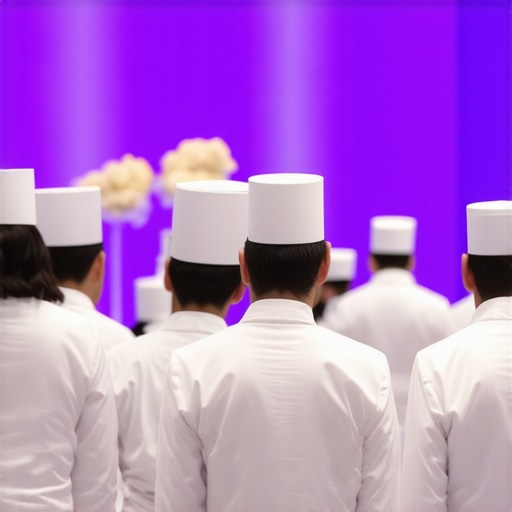
Watch the Water and Wine Like a Hawk
Refills should happen before a guest even realizes they need one. There is a specific rhythm to it. I always tell my teams that why pre-pouring water is the secret to a fast service start; it removes one massive hurdle from the initial rush when guests first sit down. Once they are seated, you must master the proper way to serve wine at a corporate fundraiser. It’s not just about not spilling; it’s about the “label out” presentation and the subtle nod that acknowledges the guest without interrupting their conversation. These are the top server tips to elevate your event experience from “good” to “unforgettable.”
Nail the Transition from Cocktails to Dinner
The most dangerous part of any event is the “transition.” If you don’t have a plan for the best way to transition guests from cocktail hour to dinner, you’ll lose twenty minutes of your program to wandering crowds. I once saw a wedding reception delayed by forty-five minutes because the servers didn’t start opening the dining room doors on time. Now, we use a “wave” method where staff gently guides guests toward their seats, ensuring a seamless flow that keeps the energy high and the kitchen on schedule.The biggest lie I was ever told in this industry is that “choice” is the highest form of luxury. We’re taught that the more options we give a guest, the more catered-to they feel. In reality, I’ve found that an over-complicated menu is the fastest way to tank your service scores. When you have twenty different hors d’oeuvres, you aren’t providing variety; you’re creating a bottleneck. You need to know how to spot a fake luxury server team before they ruin your gala, because a truly elite team will tell you that a focused, perfectly executed menu beats a scattered one every time. I’ve also seen the interactive station trend backfire spectacularly. Everyone says they want a chef-led experience, but in my experience, guests just want to eat without standing in a ten-minute line for a taco. The hidden nuance that most people miss is that service should feel like a gift, not a chore. If your guests have to work too hard to get their meal, you’ve failed the hospitality test. This is why choosing a catering style based on your venue size is so critical. You can’t put three action stations in a narrow ballroom and expect a seamless evening. It’s about more than just food; it’s about the flow of human movement.
The Dangerous Myth of Maximum Variety
The “oops” factor I see most often is what I call the Customization Trap. Planners try to be so inclusive that they forget the physical limitations of the kitchen. If you haven’t mastered the ultimate guide to corporate event catering logistics, you’ll likely end up with a team that is too busy explaining the ingredients of the fifth vegan option to actually clear the dirty salad plates. I once worked a wedding where the couple insisted on four different protein choices for a 400-person seated dinner. It was a nightmare. The kitchen couldn’t keep up, and the servers were essentially playing a high-stakes game of memory match with the guests. By the time the last table was served, the first table was already looking for the exit.
Why does a massive menu often result in colder food?
It’s a simple matter of physics and timing. According to a study from the Cornell School of Hotel Administration, increasing menu complexity without a proportional increase in kitchen staff leads to a significant drop in service speed and a measurable decline in food temperature consistency. When the “pass” in the kitchen is crowded with twelve different types of plates, the “hot” food sits longer while the “special” orders are prepared. This is where optimizing server efficiency to enhance event satisfaction becomes your only lifeline. 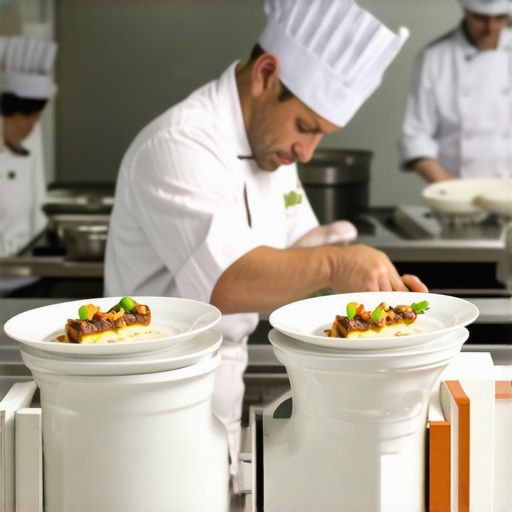 You need a team that understands that the nuance isn’t in the number of dishes, but in the temperature and timing of the delivery. True corporate event catering strategies for success rely on the strength of your weakest link—usually the communication between the floor and the chefs. If your servers are struggling to keep up with the variety, your guests are the ones who pay the price in lukewarm steak and forgotten wine refills. Have you ever fallen into this trap? Let me know in the comments.
Stop Screaming Across the Ballroom with Better Comms
I used to think that having a ‘loud’ voice was a prerequisite for being a great event lead. I was wrong. The best events I run now are the quietest. If you want to keep your sanity while managing a 300-person wedding, you need to invest in high-quality digital headsets. I personally use encrypted digital radios because they eliminate the static and ‘interference’ you get with cheap walkie-talkies. When you can whisper to your server lead that the champagne toast is being moved up five minutes without a single guest noticing, you have achieved a new level of professionalism. This allows you to boost your corporate event with expert server techniques by maintaining a calm atmosphere where the staff feels supported rather than barked at. 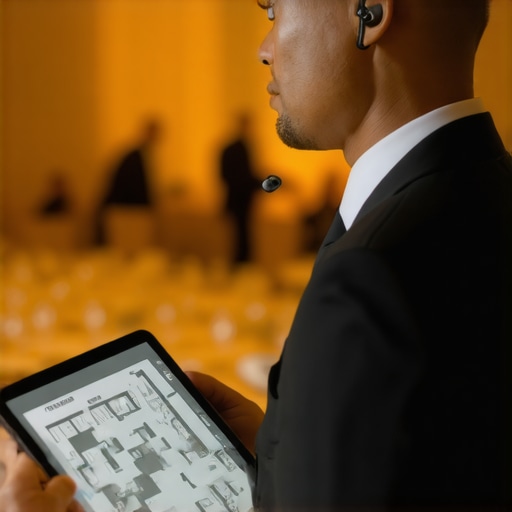
How can I keep my team at peak performance for every single gig?
The secret isn’t just in the hiring; it’s in the ‘After-Action Review.’ After every event, I spend fifteen minutes with my captains to document what I call the ‘friction points.’ Did the kitchen door stick? Was the server station too far from the VIP table? We take these notes and update our ultimate guide to corporate event catering logistics for the specific venue. Maintenance of high standards requires a feedback loop that treats every mistake as a data point. I also swear by digital floor plan software like AllSeated. The Professional Convention Management Association (PCMA) notes in their recent logistical white papers that utilizing real-time digital floor plans can reduce setup errors by nearly 40% because it ensures every vendor is working off the exact same blueprint. This level of precision is how you ensure optimizing server efficiency to enhance event satisfaction becomes a repeatable system, not just a one-time stroke of luck.
Where We Are Heading: Smart Tech Meets Traditional Service
I’m often asked where I see the industry going in the next five years. While I firmly believe in the return to ‘human-centric’ service, I think technology will become our silent partner. We are already seeing ‘smart’ warming cabinets that alert the kitchen when food temperatures dip below the safety threshold, and I expect to see more AI-driven staffing models. These models will analyze historical data to predict exactly how to choose the right staffing ratio for a VIP event based on the specific menu complexity and guest demographics. Even as we look toward wedding catering trends to impress guests in 2025, the core will always remain the same: people want to feel cared for. My advice? Try this one thing at your next event: conduct a ‘silent briefing’ where all communication is handled through headsets for thirty minutes. You will be amazed at how the energy in the room settles when the staff isn’t constantly looking back at the kitchen for cues. It elevates the entire experience for everyone involved.
Hard-Won Secrets from the Ballroom Floor
After years of managing high-pressure nights, I’ve realized that the best service is one that the guest never actually sees. It’s like a stage play where the stagehands are invisible, yet the set moves perfectly. One of my biggest lightbulb moments was realizing that a server’s primary job isn’t just delivering food; it’s protecting the guest’s focus. If a guest has to stop their conversation to ask for water, you’ve broken the spell. I’ve also learned that mastering corporate event planning secrets to seamless success often comes down to how you treat your staff during the setup. If they feel rushed, the service will feel frantic.
Another hard truth? You can’t train “urgency” on the fly. You need to know how to spot a professional server in an interview long before the event begins. Look for the people who notice the small details, like a crooked fork or a smudged wine glass, without being told. This level of intuition is what separates a good night from a legendary one.
The Logistics Kit I Never Leave Home Without
I rely on a very specific set of tools to ensure my teams stay in sync. First, I swear by digital floor planning tools like AllSeated to visualize the flow of the room before a single table is moved. Second, I always carry a high-end thermal scanner to double-check food temperatures at the pass; cold plates are the fastest way to ruin a reputation. Lastly, I suggest keeping a running list of best corporate event servers for 2025 so you are never caught off guard by last-minute cancellations. These tools don’t replace human effort, but they provide the framework for excellence.
Your Journey Toward Perfect Hospitality
At the end of the day, all the logistics and headsets are just tools to facilitate a human connection. Whether you are looking at wedding catering trends to impress guests in 2025 or planning a high-stakes board dinner, remember that your goal is to make people feel seen and cared for. When you focus on optimizing server efficiency to enhance event satisfaction, you aren’t just moving plates faster; you are creating a space where guests can relax and focus on the reason they gathered in the first place. Go out there and create something remarkable. Have you ever struggled with getting your service team to stay in sync during a major transition? Let me know your experiences below!