

I’ll never forget the 2019 quarterly kickoff gala. I had everything perfectly arranged—or so I thought. The centerpieces were vibrant, the lighting was moody in all the right ways, and I had even secured the [best corporate event servers for 2025](https://gourmetcateringsco.com/best-corporate-event-servers-for-2025) to ensure the service was top-tier. But then came the keynote. Just as the CEO was delivering the pivotal ‘future of the company’ speech, the kitchen doors swung open. The sound of a falling tray of silver clattered through the room like a gunshot, followed by the pungent, albeit delicious, aroma of seared sea bass. The CEO paused, lost his train of thought, and the momentum of the entire evening vanished in a cloud of kitchen steam. I realized then that my focus on [effective catering strategies for corporate event impressiveness](https://gourmetcateringsco.com/effective-catering-strategies-for-corporate-event-impressiveness) had missed one critical detail: the floor plan. Today, I’m sharing why the most important person in the room needs to be as far from the ‘back of house’ as possible, and how you can avoid the logistical nightmares that I learned the hard way. Have you ever had a perfectly planned moment ruined by a sudden distraction from the sidelines? [image placeholder]
The High Cost of a Distracted Executive
In the world of high-stakes corporate gatherings, focus is the most valuable currency. When you seat a VIP near the service entry, you aren’t just giving them a seat; you’re giving them a front-row ticket to the chaos of a working kitchen. Even with [expert server techniques](https://gourmetcateringsco.com/boost-your-corporate-event-with-expert-server-techniques), the physical reality of a kitchen door involves drafts, noise, and constant movement. According to research from the Cornell University School of Hotel Administration, ambient noise significantly affects a guest’s ability to process complex information, making it nearly impossible for a leader to stay ‘in the zone’ when they are constantly flinching at the sound of a swinging door. You want your leadership team thinking about strategy, not wondering why the soup is taking ten minutes to clear. This is a core part of [the ultimate guide to corporate event catering logistics](https://gourmetcateringsco.com/the-ultimate-guide-to-corporate-event-catering-logistics) that most planners ignore until it is too late.
Wait, does the noise really matter that much?
You might be thinking that a few clinking plates shouldn’t derail a professional, but it’s about the cumulative ‘sensory load.’ When a CEO is seated near the kitchen, they feel every rush of the staff and hear every whispered command from the head chef. Early in my career, I made the mistake of thinking proximity to the kitchen meant faster service. I was wrong. It just meant the VIPs were the first to see the ‘sausage being made’—literally and figuratively. Now, I always prioritize [how to handle plate clearing during a seated executive presentation](https://gourmetcateringsco.com/how-to-handle-plate-clearing-during-a-seated-executive-presentation) by creating a ‘buffer zone’ of at least three tables between the kitchen and the head table.
Keep the Magic Behind the Curtain
To maintain the prestige of your event, you need to keep the logistics invisible. A successful event is like a theater production; the audience should never see the stagehands moving the sets. If your leadership team is focused on the [essential checklist for successful corporate event catering](https://gourmetcateringsco.com/essential-checklist-for-successful-corporate-event-catering), they should be noticing the quality of the meal, not the struggle of the staff. By moving the CEO to a central or far-end position, you give them a commanding view of the room and keep the ‘machinery’ of the event out of their peripheral vision. This setup not only respects their status but also ensures that the message of the day remains the focal point, rather than the clatter of the next course arriving.
Map Out the Perfect Executive Floor Plan
To turn a chaotic room into a strategic environment, you have to treat the floor plan like a game of chess. The VIP table is your King, and the kitchen door is the opponent’s most aggressive piece. When you are planning a corporate ballroom layout, the first thing I do is measure the decibel drop from the service entry. If you can hear a plate clink from where the CEO is sitting, the table is too close. I learned this the hard way at a legal summit in Chicago. We had the tables spaced beautifully, but the swinging kitchen door was ‘breathing’ cold air and clatter directly onto the keynote speaker. Now, I insist on a physical baffle—a decorative screen or a heavy velvet curtain—to break the line of sight and sound. 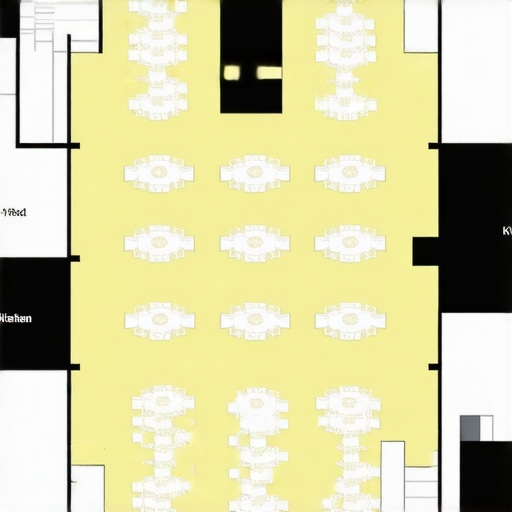
Create a Buffer That Actually Works
Your buffer isn’t just empty space; it’s a tactical zone. Use lower-priority seating or even the bar area to create distance. This is one of those corporate event catering strategies for success that ensures the ‘engine room’ noise doesn’t reach the ‘bridge.’ Think of your event like a luxury cruise; the passengers shouldn’t hear the pistons firing. In that Chicago event, we eventually moved the ‘boneyard’—the area where servers stack dirty dishes—completely behind a sound-dampening partition. The change was instant; the air felt heavier and more professional, rather than like a busy bistro.
The Logistics of Seamless Table Clearing
Plate clearing is where most events lose their polish. You’ve seen it: the awkward reach-over during a poignant moment in a speech. To avoid this, you need to master how to handle plate clearing during an executive presentation by training your team on ‘silent signals.’
Silence the Service Noise Before It Starts
I once worked a gala where we had sixty servers move in unison to clear 500 plates in under four minutes. How? We used a ‘low-carry’ technique where no plate was lifted higher than the guest’s shoulder. This prevents the clashing of porcelain from echoing through the room. This level of precision is why you should look for the best corporate event servers for 2025—they understand that their job is to be invisible. We also mandated ‘no-stacking’ in the dining room. Every plate was carried individually or on a tray to the boneyard to be stacked there, away from the guest’s ears.
Establish a Bulletproof Chain of Command
Nothing ruins a flow faster than a server asking the event planner a question while the CEO is speaking. You need a hierarchy. In my 2021 tech launch, I realized the hidden benefit of hiring a lead server for every ten guests. These ‘captains’ acted as firewalls. If a guest needed a dietary adjustment, they didn’t run to me; they handled it within their zone. Ensuring your server team has a clear chain of command means every problem is solved before it reaches the ‘ears’ of the event. This is a non-negotiable item on any essential checklist for successful corporate event catering. By designating a lead for each section, you ensure that the server-to-guest ratio feels much smaller, and the service feels personalized rather than industrial.Having a clear chain of command is the floor, not the ceiling. Most planners believe that ‘professional’ simply means everyone shows up in a tuxedo, but true expertise is found in the quiet moments between the courses. One of the most common myths I see is the idea that student staff can handle a luxury gala if they are just given a checklist. In reality, the hidden risks of hiring student servers for high-end events often manifest as ‘clueless’ service—not because they aren’t trying, but because they lack the situational awareness that only years on the floor can provide. You need to know how to spot a fake luxury server team before they ruin your gala, because a server who doesn’t know the difference between American and French service will invariably break the ‘theater’ of your event. 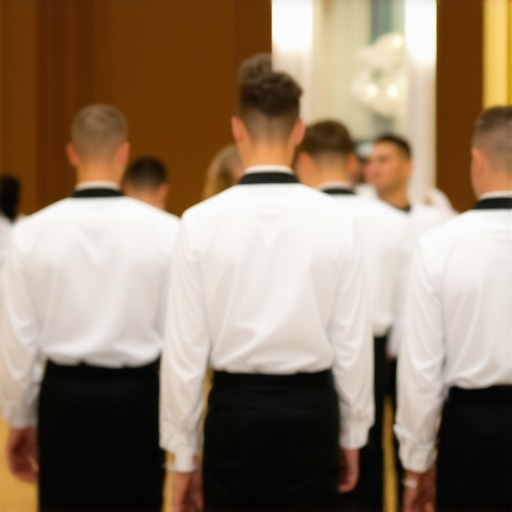
Why Your Menu Might Be Killing the Conversation
We often choose menus based on what sounds delicious, but in a corporate setting, functionality should trump flavor every time. I’ve seen countless networking hours grind to a halt because of the danger of serving finger foods that require two hands. If a guest has to put down their drink or business card to eat a shrimp cocktail, you’ve just killed a potential deal. Similarly, the problem with serving steak at a 500-person business lunch is the sheer amount of physical effort—and noise—required to cut through a tough protein while trying to listen to a speaker. A study published in the Journal of Culinary Science & Technology notes that the metabolic load of a heavy, difficult-to-eat meal can reduce cognitive alertness by up to 15% in the hour following consumption. For a high-stakes board meeting, that’s a disaster.
Is your service timing actually driving guests away?
If you notice your attendees slipping out the back door, the culprit is likely ‘service fatigue.’ When courses take too long or optimizing server efficiency to enhance event satisfaction isn’t prioritized, the energy in the room evaporates. This is often the reason your guest count always drops 20 percent at the last minute or why people don’t stay for the dancing; they feel the weight of a stagnant room. To combat this, I focus on ‘active pacing’—ensuring that the servers are essentially ghost-like in their efficiency. Have you ever fallen into this trap? Let me know in the comments.To keep the energy high from the first hors d’oeuvre to the final keynote, I rely on a toolkit that most planners overlook. It isn’t just about having the best corporate event servers for 2025; it’s about the silent infrastructure that keeps them organized. I personally swear by discrete, low-latency digital radios with acoustic tube earpieces. Why? Because the ‘clacking’ sound of a standard walkie-talkie is the death of a high-end atmosphere. When you are managing the logistics of running a 3-course dinner for 800 people, your team needs to communicate without the guests ever hearing a crackle of static. This is one of those top server tips to elevate your event experience that separates the amateurs from the veterans. I’ve seen million-dollar deals fall through because a server’s radio blared a kitchen request right during a sensitive negotiation.
Keep the Food Hot When the Room is Ice Cold
One of the biggest challenges in scaling is thermal retention. According to the American Society of Heating, Refrigerating and Air-Conditioning Engineers (ASHRAE), large ballrooms require massive air displacement to stay cool, which unfortunately acts as a giant heat-sink for your food. This is precisely why cold plates are the enemy of a perfect filet mignon. I use induction-heated plate lowerators at the pass-through to ensure every dish starts at the optimal temperature. If you aren’t pre-warming your porcelain, you’ve already lost the battle against the venue’s HVAC system. This attention to detail is a hallmark of server skills that make every event stand out. 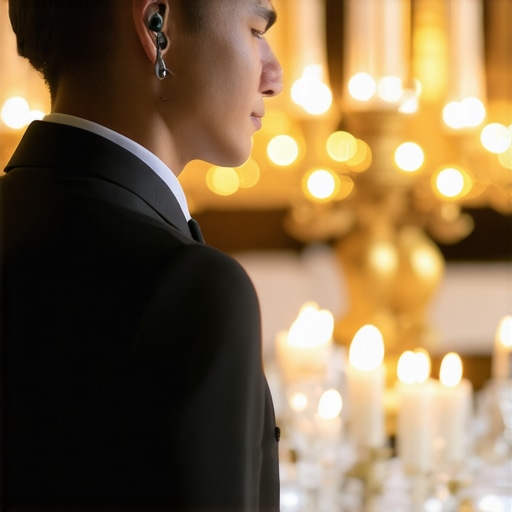
How do I maintain service consistency for hours on end?
The secret isn’t just a good start; it’s the mid-event ‘refresh.’ I implement a mandatory 5-minute huddle for lead servers every 90 minutes. This is where your server team needs a clear chain of command on site to relay real-time guest feedback. Are the drinks too slow? Is the room too dim? You can’t fix these things if you aren’t actively monitoring them. For larger galas, I often suggest that your gala needs a stage manager instead of a wedding planner to sync the food service with the lighting cues and speaker transitions perfectly.
Predicting the Future of Guest Movement
Looking ahead, I predict we will see a massive shift toward AI-driven heat mapping for floor plans. Instead of guessing where the bottlenecks will be, we’ll use real-time data to adjust staffing levels on the fly, optimizing server efficiency to enhance event satisfaction before a single guest feels neglected. For your next event, I challenge you to try the ‘silence test.’ Walk to the furthest corner of the room while your team is clearing plates and see if you can hear the clink of silverware. If you can, it’s time to retrain your staff on ‘soft-stacking’ techniques. It’s a small change that makes a massive difference in the perceived luxury of your brand.
Hard Truths from the Front Lines of Executive Galas
After fifteen years in the trenches, I’ve realized that the most expensive mistake you can make is assuming that ‘good enough’ service works for high-level executives. One of the biggest lessons I have learned is that quantity never equals quality; in reality, a smaller, highly-trained team is always superior. I learned early on that the hidden risks of hiring student servers for high-end events often include a lack of ‘peripheral awareness’—that vital ability to see a guest’s needs before they even voice them. I also discovered that why most corporate buffets fail the temperature test isn’t usually the food itself, but the lack of planning for the venue’s airflow and HVAC systems. Finally, never underestimate the power of specialized training; even a one-day hire needs to understand how to train temporary server staff on high-end table manners so they know which side to serve from to maintain the ‘theater’ of your event.
The Gear That Keeps My Operations Invisible
If you want to elevate your logistics, you need to look beyond the menu and into the technical toolkit of the elite. I always recommend investing in high-quality acoustic tube earpieces for your lead staff; it’s a total game-changer for silent coordination during a speech. For those seeking the best corporate event servers for 2025, I suggest looking for teams that use digital floor plan software to run real-time ‘clash detection’ for server paths. Additionally, I’ve found that your gala needs a stage manager instead of a wedding planner to bridge the gap between the kitchen and the keynote speaker. This specific role ensures that the ‘show’ never pauses for a plate clear or a tray clatter. For physical hardware, induction-heated plate lowerators are my non-negotiable tool for ensuring every meal arrives at the table exactly as the chef intended.
Step into the Role of a Master Planner
Perfection in corporate event catering isn’t about being perfect every second; it’s about being prepared for the imperfect moments. When you focus on the invisible details—the decibel levels at the head table, the heat retention of the porcelain, and the silent chain of command—you create a professional space where business can actually happen. You aren’t just serving a meal; you are protecting the focus and the time of the leaders in the room. Take these strategies, apply the ‘silence test’ to your next venue walkthrough, and watch how the atmosphere of your events transforms into something truly world-class. Have you ever had a perfectly planned moment ruined by a sudden distraction from the sidelines? Let me know your floor plan horror stories in the comments below!