

I will never forget the wedding of Sarah and Mark back in 2018. I was helping coordinate the catering, and we had these incredible, hand-rolled appetizers waiting to be served. But there was a massive problem. Sarah had insisted on the traditional reveal, seeing Mark for the first time only when the church doors opened. By the time the ceremony ended and the family portraits wrapped up, the golden hour was gone, the light was flat, and poor Sarah was sobbing in the bridal suite because she had missed her entire cocktail hour. I stood there with a tray of cooling scallops, feeling the weight of the schedule imploding.
Stop Losing Your Own Party to the Camera Lens
If you feel like your photographer is being a bit pushy about a first look, believe me, they are not just trying to make their job easier. They want you to actually enjoy the event you spent tens of thousands of dollars on. When you do a first look, you front-load the work of the day. You get those intimate, teary-eyed moments out of the way while your makeup is still fresh and your nerves are at a manageable level. Early in my career, I made the mistake of thinking the magic only happened at the altar. I was wrong. The real magic happens when you are not rushing to finish portraits while your guests are wondering where the couple is. By knocking out photos early, you can actually how to keep your event schedule on track without rushing guests later in the evening.
Will it Ruin That Big Walk Down the Aisle?
This is the number one fear I hear from every couple I sit down with. You think that if he sees you at 2:00 PM, the moment the doors open at 4:00 PM will feel like a rerun. In my experience, it is actually the opposite. Instead of being a ball of anxiety wondering if you are going to trip or if he is going to cry, you have already had that private connection. You have breathed. You have laughed. When those doors open, you can actually focus on the weight of the moment rather than the performative pressure of the reveal. Statistics from industry leaders like The Knot suggest that couples who do a first look report significantly lower stress levels throughout the ceremony. Have you ever felt like you were just a prop in your own wedding photos instead of the guest of honor?
Your Guests Are Hungry and Your Timeline Is Screaming
From a catering perspective, a first look is a total godsend. It allows for a the best way to transition guests from cocktail hour to dinner without the awkward ninety-minute wait. I have seen top servers for a seamless wedding reception struggle to keep guests happy when the couple is MIA for two hours in a field. Following wedding catering tips from industry experts usually means getting the party started on time, and that starts with your photo schedule. [image_placeholder]
Build a Timeline That Actually Works
Think of your wedding schedule like a game of Tetris. If you wait until the last minute to fit the biggest pieces—the family and couple portraits—every other block, from the toasts to the first dance, gets crowded and messy. Front-loading your photography doesn’t just give you a private moment; it buys you time. When you finish portraits before the ceremony, you create a buffer that protects the kitchen. I always tell my clients that the math behind hiring extra servers for a flowing champagne reception only works if those servers have a couple to serve. If you are stuck in a field three miles away taking photos while your guests are finishing their second round of drinks, the energy of the party begins to dip.
Put One Person in Charge of the Chaos
You cannot be the point of contact on your own wedding day. To execute a seamless transition from the ‘first look’ to the ceremony and then to the dinner, you need a hierarchy. This is why your server team needs a designated captain for every 50 guests to ensure that as soon as you walk back up that aisle as newlyweds, a tray of your favorite drinks is waiting. I once managed a high-end gala where the couple skipped the first look and a sudden thunderstorm rolled in. We had to pivot the entire service plan in four minutes. Knowing how to manage a catering team during a sudden rain storm taught me that flexibility is only possible when you have a time cushion. Because that couple had no ‘buffer’ time, their expensive steaks sat in warming drawers for forty minutes while we waited for the clouds to clear for their photos. 
Don’t Let the Photos Delay Your Main Course
Once the reception starts, the goal is momentum. When you’ve already taken your formal photos, you can actually walk into your ballroom and start the party. This prevents the ‘hungry guest’ syndrome where people start wandering. It also helps your staff how to prevent table-hopping from delaying the main course. If you are relaxed and seated, your guests will follow suit. This leads to a much better experience when planning the ultimate wedding reception meal, as the food can be served at the exact temperature the chef intended, rather than being held back by a lagging photography schedule.Most planners and couples insist that a buffet is the ‘safe’ choice for a large guest list because they think it speeds up the process. I am here to tell you that a buffet is often the fastest way to kill the energy of your reception. Instead of a celebration, your event turns into a series of awkward queues. In my fifteen years of high-end events, I have found that a properly executed plated meal is actually more efficient because it keeps guests seated and engaged with the program. If you are determined to go the self-service route, you need to know the secret to managing a 1000-person conference buffet without a stampede, which involves multiple double-sided stations and a specific flow of traffic that most beginners ignore.
Don’t Gamble on the Quality of Your Staff
There is a dangerous trap in the industry right now: hiring ‘warm bodies’ to fill uniforms. You might think a server is just someone who carries a tray, but a lack of training is where luxury events go to die. The ‘Oops’ moment usually happens when you think you can cut costs by hiring a crew of students. While they mean well, the hidden risks of hiring student servers for high-end events often manifest as dropped plates or, worse, a complete lack of etiquette when interacting with your VIPs. You must know how to spot a fake luxury server team before they ruin your gala. Look for a team that understands the rhythm of a room and moves with purpose, not just speed. 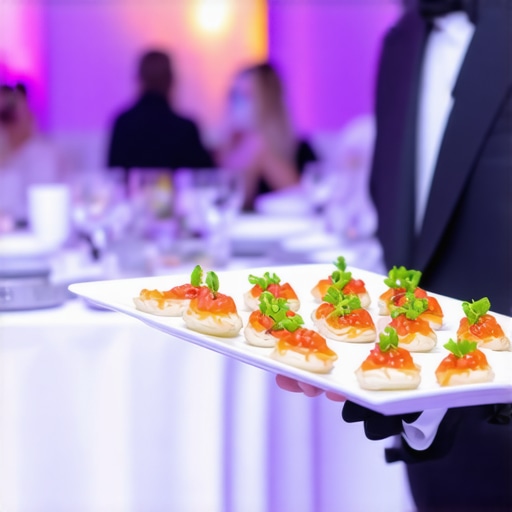
Why is your hot food arriving lukewarm every single time?
This is the number one complaint at large-scale weddings, and it usually has nothing to do with the chef. It is a logistics failure. When the distance between the kitchen and the furthest table is too great, or the plates themselves haven’t been warmed, the heat dissipates in seconds. I always explain to my clients that why cold plates are the enemy of a perfect filet mignon. A study from the Cornell University School of Hotel Administration found that guest satisfaction is more heavily influenced by the ‘flow’ of service and temperature consistency than the actual complexity of the recipe. If your server isn’t trained to move with urgency, your expensive steak becomes a lukewarm disappointment. This is why you must learn how to spot a professional server in an interview by asking about their specific experience with multi-course timing. Have you ever fallen into this trap where the food looked great but was stone cold? Let me know in the comments.
To keep this level of precision from falling apart, I rely heavily on digital floor plans and real-time communication tools. If you’re still using paper BEOs and shouting across a kitchen, you’re asking for a disaster. Tools like Tripleseat or Social Tables allow me to visualize the room before a single chair is moved. This is how we achieve optimizing server efficiency to enhance event satisfaction. I can see exactly where the vegan at Table 12 is sitting, meaning my staff doesn’t have to wander the room like lost tourists. When you can map out every potential bottleneck before the first guest arrives, you transition from reactive to proactive management.
Humidity Control is Your Best Friend in the Kitchen
One of the biggest game-changers for me has been the move toward ‘Smart Holding’ technology. Instead of just a box that keeps things warm, modern holding cabinets allow us to control humidity to the percentage point. This is the secret to keeping fish from drying out in a warming drawer. If you aren’t investing in high-end equipment, you’re essentially gambling with your reputation every time a plate leaves the pass. I have seen perfectly seared scallops turn into rubber in ten minutes because the holding environment was too dry. Maintaining the integrity of the chef’s work is just as important as the service itself. 
How do I maintain consistent service quality as my business grows?
Consistency isn’t about luck; it’s about a ‘rinse and repeat’ training module. Every server who walks onto my floor, whether they’ve been with me for five years or five minutes, goes through a 15-minute ‘Live Briefing.’ I use a specific checklist that covers how to brief your server team on complex dietary restrictions in minutes. We don’t just talk about the food; we talk about the vibe. This is one of the most effective catering strategies for corporate event impressiveness. You need to create a culture where the staff feels like they are part of a high-performance team, not just temporary laborers.
The Future of Events is Data-Driven
Looking ahead, I predict that AI-driven logistics will soon be the standard for every major gala and wedding. We are already seeing software that can predict ‘rush times’ based on guest count and menu complexity. The International Caterers Association (ICA) recently highlighted in their 2024 industry tech report that firms adopting real-time labor-management tools saw a 22% reduction in service lag during the main course transition. This means your top server tips to elevate your event experience aren’t just suggestions anymore—they are data-backed mandates. We are moving toward a world where your kitchen will know exactly when a guest finishes their appetizer before the server even picks up the plate.
If you want to step up your game today, try this one advanced tip: assign a ‘Glitch Hunter’ to your next event. This is one senior staff member whose only job is to walk the room looking for what’s wrong—a slightly crooked fork, a guest with an empty water glass, or a flickering light in the corner. By removing these small friction points, you create an atmosphere of effortless luxury. It’s a tiny shift that makes a massive difference in how guests perceive the quality of the evening.
The Hardest Lesson I Learned Watching a Five-Star Menu Fail
Experience has taught me that no amount of culinary talent can compensate for a timeline that ignores human nature. When I first started, I thought the food was the star; I was wrong. The flow of the evening is the star. If you don’t master the how to choose the right staffing ratio for a VIP event, even the world’s best steak will arrive cold. I’ve learned that the most successful hosts are the ones who trust their vendors to be the experts they are—letting the photographer and caterer sync their watches is the single most important thing you can do for your sanity.
The Pro’s Blueprint for Constant Success
I don’t just rely on instinct anymore. To stay ahead of the curve, I recommend diving into the International Caterers Association (ICA) resources for their technical standards. For those looking for visual and thematic growth, I often look toward elegant wedding venues and catering inspiration for 2025 to see how space and service interact. My ‘bibles’ include Tripleseat for floor management and Danny Meyer’s ‘Setting the Table’ for the philosophy of enlightened hospitality. These tools ensure that my team consistently displays the server skills that make every event stand out, transforming a simple meal into a choreographed performance.
#IMAGE_PLACEHOLDER_E#
Reclaim Your Right to Actually Enjoy the Party
At the end of the day, all these logistics, tech tools, and humidity-controlled cabinets serve one purpose: to give you back your own wedding day. You aren’t just a project manager; you are the guest of honor. When you commit to a smart timeline and a professional team, you stop worrying about the kitchen noise and start noticing the look on your partner’s face. Your event deserves the precision of a professional planning the ultimate wedding reception meal so that you can focus on making memories instead of managing plates. Have you ever attended an event where the logistics felt like a total mess, or did it run like clockwork? I’d love to hear about your experiences in the comments below!