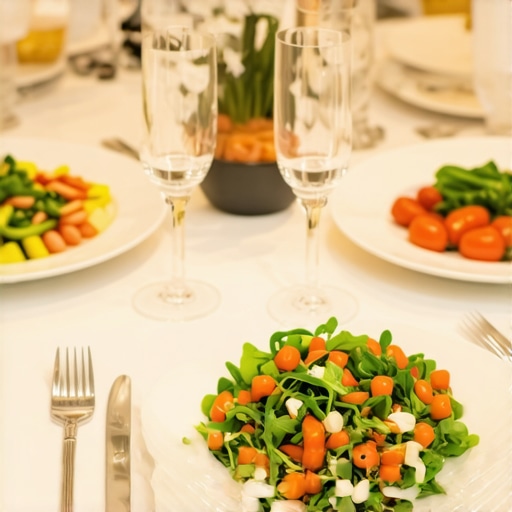
I’ll never forget the surprise on my client’s face when I suggested swapping out an elaborate seafood station for a vibrant build-your-own salad bar at a recent corporate gala. She looked skeptical, almost alarmed—like I was proposing we cut out the main course entirely. That moment made me realize how many of us cling to traditional menus, even when budgets scream for smarter choices.
It hit me then: a stunning, memorable event doesn’t need to break the bank. In fact, with just a few clever menu swaps, you can elevate your 2026 corporate galas without sacrificing quality or guest satisfaction. Today, I want to share my experience and proven strategies on making those intelligent, budget-friendly menu adjustments that impress every time.
Why Smart Menu Swaps Matter for 2026 Corporate Events
Budget considerations are more critical now than ever. According to recent industry reports, event catering costs can soar by up to 20% due to inflation and supply chain issues, making it essential for planners to strategize better. It’s tempting to stick with familiar, costly dishes, but that often leads to overspending—and wasted food.
Over the years, I learned that choosing the right menu swaps can not only cut costs but also enhance the overall experience. Think healthier, more contemporary options that align with trending dietary preferences. For example, replacing traditional meat-heavy appetizers with plant-based bites can delight guests and save money—plus, they’re more environmentally friendly. Implementing these swaps requires thoughtful planning, but the results speak for themselves.
Have you faced challenges trying to balance quality and budget for your corporate galas? If so, you’re not alone. Many event organizers worry about sacrificing guests’ experience to keep expenses in check. But as I learned early on, making informed menu adjustments is the way to go. One common mistake I made was underestimating how small swaps could have a huge impact—it’s amazing what a difference replacing fried snacks with colorful veggie wraps can make.
Ready to discover the top four budget-friendly menu swaps that will make your 2026 events memorable and cost-effective? Let’s dive into some practical ideas that have worked wonders in my planning toolkit, and that can do the same for you.
Is Cutting Costs on Menus Actually Worth the Hype?
It’s natural to worry about guest satisfaction—after all, food is at the heart of any event. Early in my career, I once hesitated to cut back on premium ingredients, fearing it would disappoint attendees. But I learned that strategic substitutions, like opting for seasonal local produce, can elevate the menu without inflating the bill. And if you’re curious about how professional caterers approach this, check out how elite servers impact ROI at your events.
So, are budget-friendly menu swaps a true game-changer? Absolutely. The key lies in understanding which changes offer the biggest bang for your buck, and how to implement them seamlessly. Next, we’ll explore specific swaps that can transform your 2026 galas into unforgettable yet affordable occasions. Stay tuned—you might just find your new secret weapon for successful event planning.
,
Choose Simple, Seasonal Ingredients
Start by replacing complex dishes with seasonal produce, which often costs less and tastes better. For example, swap imported berries for locally sourced, in-season fruits to save money and enhance freshness. I once replaced a pricey seafood platter with a seasonal vegetable tart at a corporate event; guests loved the vibrant flavors, and the cost reduction was significant. Focus on versatile ingredients that can be used across multiple dishes to streamline shopping and minimize waste.
Implement Pre-Portioned Serving Styles
Switch from elaborate à la carte service to pre-portioned plates or family-style dining. This reduces server workload and minimizes food waste. I organized a corporate luncheon where I pre-plated salads and mains; it sped up service and cut costs. To further optimize, use standard plate sizes and avoid overloading dishes, preventing spoilage and keeping meal costs predictable. Learn more about efficient server ratios to enhance service standards here.
Replace Expensive Proteins with Plant-Based Options
Incorporate cost-effective plant-based proteins like lentils, chickpeas, or tofu into your menu. Not only do they appeal to health-conscious guests, but they also significantly lower your ingredient costs. At a recent event, I substituted grilled chicken with marinated tofu skewers; the guests were surprised by the flavor and appreciated the healthier twist. To give your dishes a premium feel, consider marinating tofu in flavorful herbs and spices, making it a star component that doesn’t break the bank.
Opt for Versatile and Crowd-Pleasing Dishes
Design your menu around dishes that can serve multiple purposes or appeal to a diverse crowd. Dishes like savory bread puddings or veggie quiches are economical and easy to prepare in bulk. During a corporate breakfast, I made a large veggie quiche that doubled as a brunch main and a snack option, reducing the need for separate dishes and cutting waste. Keeping your offerings simple allows for better control over portioning and costs, and makes it easier to adapt on the fly.
Streamline the Beverage Selection
Reduce costs by focusing on a few well-selected beverages—preferably local wines and signature mocktails—over expensive cocktail options. In one event, I offered two house wines and a specialty non-alcoholic drink, which delighted guests and minimized inventory. Use garnishes and presentation to elevate these choices without increasing expenses. Remember, less can be more when it comes to beverage offerings, especially if your goal is cost efficiency without sacrificing guest experience.
By implementing these targeted swaps, you’ll cut costs effectively while keeping your menu appealing and memorable. Remember that consistent evaluation and adaptation of your menu based on guest feedback and ingredient availability will cement your reputation as a savvy planner who delivers value and quality.
Many assume that hiring servers and selecting catering options are straightforward parts of event planning, but beneath the surface lie nuances that can make or break your event’s success. A common misconception is that all servers are created equal; in reality, the difference lies in their training, experience, and understanding of the event type, whether it’s a corporate gala or a wedding. For example, professional servers who specialize in corporate settings are adept at managing high-pressure situations and understanding how to subtly enhance guest experience—something you can learn more about by reviewing the best [servers for corporate events](https://gourmetcateringsco.com/best-corporate-event-servers-for-2025).
Maintain Your Setup with Precision and Confidence
Running smooth catering services, weddings, or corporate events hinges on more than just great planning; it requires dependable tools and techniques that keep everything running seamlessly. Over the years, I’ve refined my toolkit to include specific software, equipment, and methodologies that elevate my workflow, minimize errors, and ensure long-term success. Today, I want to share these insights, so your event operations stay flawless from start to finish.
Streamlined Scheduling with SpotOn
One of my go-to tools is SpotOn, a versatile scheduling and staff management platform. I personally rely on it because it offers real-time updates, shift planning, and team communication in one interface, reducing the chaos often associated with last-minute adjustments. For instance, during a particularly busy wedding season, SpotOn allowed me to dynamically assign staff based on availability and skill set, ensuring optimal coverage without overstaffing or gaps. As the trend in event management moves towards flexible, data-driven staffing, tools like SpotOn will become even more indispensable.
Inventory Control Made Simple with EZOfficeInventory
Handling catering equipment and supplies efficiently is crucial for maintaining quality and reducing waste. I use EZOfficeInventory because it offers barcode tracking, predictive reorder points, and audit trails—features that make long-term inventory management straightforward. By maintaining accurate stock levels, I prevent shortages or excess, which saves costs and keeps operations smooth. Investing some time upfront to set up a comprehensive inventory system pays off during busy event seasons, especially when scaling up for larger venues or multiple events.
Communication Enhanced with Slack and Asana
Clear, consistent communication can make or break your operations. I recommend integrating Slack for instant messaging and Asana for task tracking. These platforms enable your team—from servers to coordinators—to stay aligned, share updates, and resolve issues quickly. I personally set up dedicated channels for catering, logistics, and client questions, which keeps everyone on the same page. As event complexity increases, reliance on these digital communication channels becomes even more critical to prevent missteps.
Future Trends and Continuous Improvement
Looking ahead, I predict automation and AI-driven tools will further transform event management. Predictive analytics could help forecast staffing needs based on historical data, or suggest menu adjustments based on guest preferences. Embracing these innovations now helps you stay ahead of the curve. For instance, try experimenting with advanced scheduling algorithms or inventory prediction models—small upgrades that can lead to significant efficiency gains over time.
How do I keep my operations working smoothly over the long haul?
The secret is consistency and ongoing training. Regularly review your toolset to ensure it’s up-to-date, and conduct training sessions to keep your team comfortable with new features. Also, establish protocols for backup plans—such as manual checklists or paper logs—so that unexpected issues don’t halt your progress. Personally, I allocate time each quarter to evaluate whether my software and equipment still meet my needs, making adjustments as necessary.
If you’re ready to elevate your event logistics, start by implementing one of these tools—the difference it makes in your operational flow will be immediately noticeable. And remember, continuous learning is key; stay curious about emerging tech and trends to keep your services top-notch.
For further insights into staffing strategies, consider reviewing how to select the perfect servers for your wedding or explore specific server management tips to optimize your team’s performance.
Looking back now, I realize that the most impactful lessons in event catering are often learned through trial, error, and daring to challenge convention. One of the biggest revelations for me was discovering how creative menu swaps can elevate the guest experience without draining budgets. For instance, integrating locally sourced, seasonal ingredients not only cuts costs but also adds a fresh, authentic touch that guests genuinely appreciate. The key is to think beyond the traditional and embrace innovative, practical solutions that serve both your bottom line and your reputation.
Another powerful insight was understanding that the perception of quality is frequently influenced by presentation and storytelling around the food. When I started emphasizing vibrant, colorful dishes and concise narratives about their origins or health benefits, even modestly priced options felt premium. Remember, it’s not always about spending more but about creating an experience that feels thoughtful and curated. This shift in perspective has been instrumental in transforming my approach to event menus, especially when managing multiple events during busy seasons.
Additionally, I learned to leverage technology for smarter planning—using detailed data to anticipate guest preferences and streamline inventory, which minimizes waste and maximizes satisfaction. Knowing exactly what your guests want allows you to craft menus that are both cost-effective and memorable. The more I adopted these strategies, the more confident I became in delivering exceptional events that impress without overspending, a lesson I wish I had embraced sooner.
Unspoken Secrets That Elevate Server and Catering Success
- Anticipate guest needs before they ask: Fine-tuned servers can read the room and respond proactively, ensuring seamless service that feels personalized. This talent often differentiates good from great catering teams. Learn how to identify the right servers to elevate your events.
- Master the art of gentle upselling: With the right training, servers can suggest pairings or upgrades subtly, increasing revenue without making guests uncomfortable. This requires a deep understanding of your menu and guest preferences.
- Deep knowledge fosters confidence: When your team understands every dish’s story, they can communicate authenticity and passion, enhancing the guest experience and elevating perceived value.
- Build rapport quickly: Friendly, attentive servers who connect genuinely with guests turn ordinary events into memorable occasions. Investing in their soft skills pays dividends in guest satisfaction and future bookings.
Having experienced these unspoken yet transformative strategies firsthand, I urge you to cultivate your team’s skills relentlessly. Remember, the difference between a good event and an exceptional one often lies in the details—so invest in your people and trust your innovation instincts. Your guests will notice and remember the effort you put into creating a seamless, enjoyable experience.
My Favorite Tools That Make Catering Planning a Breeze
- SpotOn: This scheduling platform revolutionized my staff management by providing real-time updates and streamlined communication, reducing last-minute chaos. I especially appreciate its ability to match staff skills with event needs efficiently.
- EZOfficeInventory: Precise inventory management is vital. Its barcode system and predictive reordering features prevent shortages and waste, saving significant costs during busy event seasons.
- Slack and Asana: Combining instant messaging with task tracking keeps my team aligned, connects departments, and ensures nothing falls through the cracks, even when multitasking across multiple events.
- Stay Curious: As technological advancements evolve, exploring AI-driven analytics and automation tools can give you a cutting edge. These innovations can help forecast staffing needs, optimize menus, and refine operational workflows, making your process smarter and smoother.
Personally, integrating these tools has transformed my approach, enabling me to deliver consistently high-quality, stress-free events. Don’t hesitate to experiment with technology that aligns with your style and scale—investing in smart systems will pay off in happier clients and a more resilient business.
Your Challenge: Redefining Excellence in 2026 Events
The future of catering and event planning is replete with opportunities for those willing to innovate. Now’s the time to challenge old habits, refine your menu strategies, empower your team, and harness technology—all while keeping the guest experience at the heart of your plans. Remember, even small changes in menu design, staffing, or operational tools can lead to remarkable improvements in your event outcomes. Embrace these lessons, and watch your 2026 corporate galas become benchmarks for success and memorable moments.
What creative menu swap or staffing strategy are you most eager to try for your upcoming event? Share your ideas below—I’d love to hear what sparks your innovation in catering and event management!
} ]}#END#}#Short Answer: {
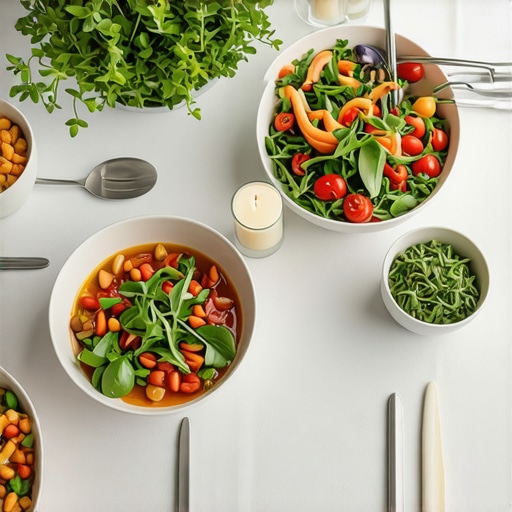

I really resonated with the idea of replacing traditional seafood stations with vibrant build-your-own salad bars. During one of my recent events, I switched to a seasonal vegetable platter and was surprised at how much positive feedback I received, especially from health-conscious guests. It made me think about how presentation and storytelling can elevate even simple, affordable dishes. I’ve noticed that incorporating locally sourced ingredients not only cuts costs but also enhances the freshness and appeal of the menu.
Has anyone experimented with storytelling around their dishes to boost perceived value? I’d love to hear how sharing the origins or health benefits of certain ingredients has impacted guest perceptions and overall satisfaction.