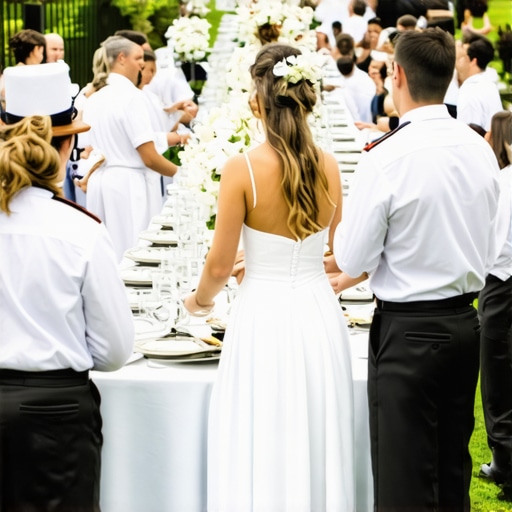
It was nearly midnight, and I remember staring at a sea of confused faces, as our serving staff grappled with the chaotic flow of a 200-guest wedding. One server spilled wine, another was MIA during a critical toast, and the bride’s dream reception was slipping into disaster. That lightbulb moment hit me hard: our staffing decisions and hiring rules directly impact guest satisfaction and the wedding’s success. Since then, I’ve learned the hard way—early missteps can cascade into expensive mistakes.
If you’re planning a significant wedding in 2026, understanding the **7 Server Hiring Rules** is not just helpful—it’s essential. These rules aren’t hype; they’re proven guidelines that can mean the difference between a memorable celebration and a stressful nightmare. Today, I promise we’ll explore these rules, backed by personal experience and industry insights, to help you avoid common pitfalls and guarantee flawless service.
Why Does Proper Server Staffing Matter So Much?
Is Overstaffing Actually Worth the Hype?
Early on, I made the mistake of thinking fewer servers could save money. Spoiler: it backfired. Guests waited too long for drinks, staff felt overwhelmed, and the overall experience suffered. Proper staffing isn’t just about covering tables—it’s about creating a seamless flow that keeps guests comfortable and happy. Expert insights affirm this: according to industry professionals, a well-staffed event boosts guest satisfaction and reduces chaos.
Understanding the nuances of how many servers you need, based on the guest count and event style, is crucial. Misjudging this number can lead to long wait times or excessive wages, both of which hurt your budget and the event’s vibe. So, how do you strike that perfect balance? That’s exactly what these 7 rules will help you accomplish.
Calculate Your Guest-to-Server Ratio Precisely
Start with a clear estimate of your guest count and determine the ideal server ratio. For weddings, a common standard is 1 server per 20 guests, but this can vary based on service style. I once misjudged this for a 150-guest wedding, assigning only 6 servers instead of the recommended 8, leading to longer wait times. Reassessing ratios with your caterer ensures smooth flow and reduces guest frustration.
Prioritize Experienced Staff for Critical Roles
Identify which tasks require seasoned servers—be it cocktail service, table maintenance, or plating desserts. During a rehearsal, I hired a rooky for the main service, and delays ensued. Replacing or training staff for high-impact roles boosts efficiency and guest satisfaction. Use trusted resources like top servers for seamless events to find qualified personnel.
Schedule Adequate Breaks and Shifts
Plan staffing shifts that cover peak times without burnout. For one wedding, I underestimated the need for backup during the main course, resulting in overwhelmed servers. Introducing staggered breaks prevented service dips. Communicate this plan clearly with your team and ensure they are aware of their shifts, which maintains high energy levels and attentive service.
Implement Realistic Staffing Tests
Before the event, conduct a walkthrough or simulation to identify bottlenecks. I once staged a dry run, which revealed that our setup would cause congestion at the buffet. Adjusting server positions and movement paths beforehand saved us from chaos on the day. This proactive step guarantees your team can handle actual demands efficiently.
Train Staff on Your Service Style and Expectations
Provide clear instructions aligned with your vision. During a wedding, I noticed staff was unsure about our themed presentation, impacting guest experience. Conduct a briefing emphasizing key details—like handling special dietary requests and timing of courses—to ensure consistency and professionalism.
Monitor & Adjust During the Event
Assign a coordinator to oversee service flow, ready to reallocate staff as needed. During one reception, an unexpected influx of guests at the bar stretched our team. Quickly moving staff from less busy areas restored balance. Real-time adjustments are critical, so maintain open communication channels with your servers.
Gather Feedback for Continuous Improvement
Post-event, review what worked and what didn’t. I learned that understaffing the dessert station caused delays, so for next time, I plan to add an extra server during that phase. Soliciting feedback from both staff and guests helps refine your staffing approach, leading to smoother future weddings.
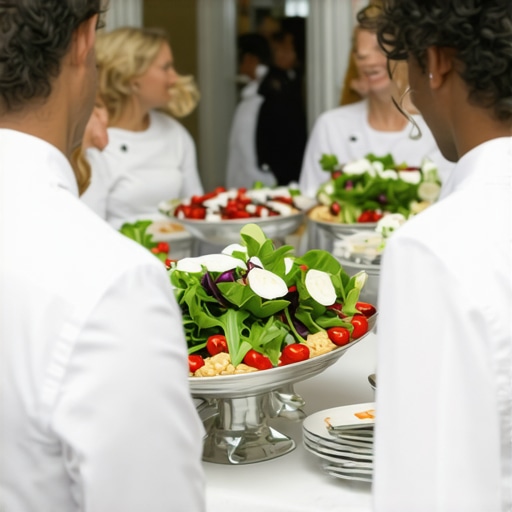 Many assume that simply hiring enough servers or following standard menus guarantees a successful event, but the reality is far more nuanced. One common myth is that bulk ordering of food and standard staffing ratios suit all occasions. While these may work in theory, in practice, they often overlook critical factors like specific guest demographics, event flow, and cultural expectations. For instance, a wedding with a diverse guest list might require specialized menus and tailored service approaches that a one-size-fits-all model simply can’t accommodate. Failing to recognize these nuances can lead to wasted resources and guest dissatisfaction. Moreover, a frequent mistake is underestimating the importance of staff experience—many think any server will do, but seasoned professionals excel at managing delicate situations, like dietary restrictions or last-minute adjustments, which less experienced staff struggle with. According to industry experts, such oversight can drastically impact the overall experience, even if the food and venue are perfect. So, the hidden nuance lies in understanding that catering success depends not only on general best practices but also on customizing every element to fit the event’s unique context. This requires deep knowledge, flexibility, and attention to detail that many overlook amidst the chaos of planning. Dive deeper into these aspects with guides like industry insights on wedding catering or corporate event catering strategies. Recognizing and mastering these nuances will put you ahead, ensuring every event is memorable for all the right reasons. Have you ever fallen into this trap? Let me know in the comments.Ensuring your catering setup remains efficient over time demands the right tools and systematized processes. I personally rely on **TouchBistro**, a point-of-sale system tailored for hospitality. Its real-time reporting allows me to monitor sales and inventory precisely, helping forecast needs for future events and avoiding shortages or excess. Additionally, I utilize **Trello** to coordinate staff schedules and task assignments, which keeps our team aligned and minimizes miscommunication during hectic service periods. These digital tools streamline communication, reduce errors, and increase overall productivity.
For managing inventory, I recommend **BlueCart**, an intuitive platform that simplifies order management and helps prevent overbuying or stockouts. By integrating BlueCart into your workflow, you can maintain optimal stock levels, which directly impacts long-term profitability.
Training your staff with **CaterSource’s online modules** provides consistent onboarding, especially helpful when scaling operations. The modules cover core service techniques and customer handling, ensuring quality remains high regardless of event size.
Looking ahead, I believe automation will play an increasingly vital role in catering. Smart scheduling algorithms, inventory forecasting, and even AI-driven staff management could soon reduce manual oversight, freeing you to focus on delivering exceptional service.
### How do I maintain these tools over time?
Regularly update software to access new features and security patches. Conduct quarterly reviews of your system’s performance, gather staff feedback, and adapt workflows accordingly. Investing in continuous training ensures your team can leverage new features effectively, maximizing ROI.
If you haven’t already, try integrating **TouchBistro’s advanced reporting** features. This can dramatically improve your ability to predict needs and avoid last-minute surprises, keeping your operations running smoothly and professionally. For more insights, check out our detailed guide on [wedding catering tips from industry experts](https://gourmetcateringsco.com/wedding-catering-tips-from-industry-experts). Keep refining your tools and processes, and your catering services will stay resilient and scalable well into the future.
Lessons That Changed My Approach to Wedding Staffing
Over time, I realized that the biggest mistakes often stemmed from overlooked details—like neglecting to account for cultural nuances or assuming that standard staffing ratios fit every event. One lightbulb moment was understanding that personalized service, tailored to each wedding’s unique vibe, creates lasting guest impressions. Additionally, I learned that investing in ongoing staff training pays dividends—experienced servers anticipate needs and handle surprises gracefully, elevating the entire experience.
The Next-Level Tools That Elevate Catering Success
My go-to resources include expert server guides which provide insider tips to refine service flow, and trusted server agencies that connect me with seasoned professionals. I also swear by training modules that keep my team sharp and aligned with latest best practices. These tools transform chaos into confidence.
Embrace the Challenge and Reap the Rewards
Planning for 2026 wedding seasons is exciting—yet it demands proactive strategies and a willingness to learn from each event. Remember, the secret lies not just in following rules but in customizing your approach to match your clients’ visions. By continuously refining your staffing strategies, leveraging reliable tools, and trusting your team, you can turn each wedding into a flawless celebration. Are you ready to elevate your catering game and leave a lasting impression? Share your biggest staffing challenge below and let’s tackle it together!