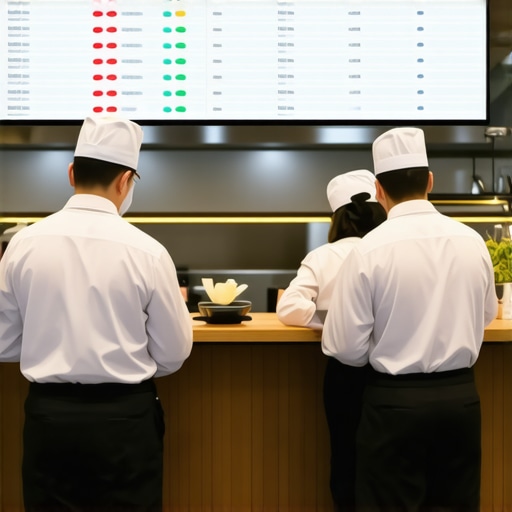
It was late in the evening, the event already well underway, when I realized we’d stretched our staffing thin—again. The servers were rushing, tips were dropping, and the worst part? Overtime fees were piling up like never before. Sound familiar? If you’ve ever been caught in that chaos—trying to keep everything smooth while your budget suffers—you know the sinking feeling all too well. That lightbulb moment hit me hard: there has to be a better way.
Why Overpayment for Servers Drains Your Wedding or Event Budget
Overtime costs can quietly drain thousands from your event budget—money that could go toward making the experience unforgettable. Early in my career, I made a costly mistake: pairing too few servers with a large guest list, thinking I was saving money. Instead, we ended up paying extra hours, and guests suffered slow service. That taught me a crucial lesson: staffing smartly isn’t just about numbers; it’s about strategy. Did you know that recent industry reports suggest that poor staffing planning can increase operational costs by up to 30%? (Source: Gourmet Catering Co.)
If you’re tired of last-minute staffing struggles and costly overtime, keep reading. Today, I promise to share four powerful secrets rooted in real experience that will help you cut those excess costs and enhance your guest experience in 2026 and beyond.
Will These Secrets Really Save You Money?
I get it. It sounds too good to be true. Trust me, I used to believe that more servers meant better service and less hassle. But I learned the hard way that overstaffing isn’t the solution—and under-staffing isn’t either. Finding that sweet spot is key. As I’ve refined my approach, I’ve discovered practical tactics that truly work. For example, choosing the right servers for weddings or corporate events makes a significant difference—not only in cost but in guest satisfaction. If you’re wondering how to select top-tier servers, check out this guide.
Now, let’s get into the practical steps that will revolutionize how you staff your events and keep costs in check. It’s easier than you think once you understand the underlying principles. Ready to stop the cycle of overspending? Great—let’s dive into the secrets that will make your 2026 events more profitable and enjoyable for everyone involved.
Calculate the Ideal Server-to-Guest Ratio
Begin by determining the optimal number of servers based on your event size and type. For weddings, a common guideline is one server per 20-25 guests for seated dinners, but this varies with service style and menu complexity. I once managed a wedding with 150 guests, initially assigning 6 servers, but service was rushed. After recalculating, we increased to 7 servers, which smoothed the flow without exceeding the budget. Use industry standards to estimate your needs but always tailor to your event’s specifics.
Assess Your Service Style and Guest Expectations
Decide if a buffet, plated, or hybrid setup aligns with your goals. Buffets may require fewer servers for setup and assistance, while plated dinners need more hands to serve timely. For example, during a corporate luncheon, I implemented a hybrid approach—self-serve stations with minimal staff complement. This reduced staffing costs by 15% and maintained guest satisfaction. Clarify service flow to prevent bottlenecks and overstaffing.
Leverage Smart Scheduling and Shift Management
Stagger shifts to match peak flow times. For a wedding I coordinated, the first hour saw minimal needs, but the dance portion required more staff. By adjusting schedules—fewer servers during cocktail hour and more during main service—we optimized staff hours. Use detailed event timelines to predict staffing peaks and avoid paying for idle time. Implement systems to monitor real-time needs and reassign staff as the event progresses, avoiding overstaffing during lulls.
Implement Clear Communication Protocols
Train your team on roles and signals for requesting assistance. During a corporate event, I set up a simple hand signal system that allowed servers to discreetly summon support. This minimized confusion and prevented unnecessary staff deployment, saving costs. Consistent protocols ensure staff are neither over- nor under-utilized, maintaining efficiency and guest experience.
Utilize Technology for Better Coordination
Digital tools can streamline staff assignments and communication. I once used a scheduling app to track server locations and tasks in real-time. This approach helped me reassign servers dynamically—reducing solo responsibilities and preventing burnout. Investing in reliable communication and scheduling technology leads to smarter staffing and cost savings.
Conduct Post-Event Reviews for Continuous Improvement
After each event, analyze staffing effectiveness. I kept notes on how many servers were needed at different times, which helped refine future estimates. Regular reviews identify overstaffing, understaffing, and service issues, allowing you to fine-tune your staffing plans continually. Remember, each event offers lessons—apply them to become more precise and cost-effective over time.
Many event planners and give-aways assume that more servers automatically mean better service, but this is a common misconception that can lead to inflated costs and disorganized service. In my experience, quality over quantity is crucial; hiring well-trained, proactive servers from trusted sources like top-rated catering servers ensures a smoother experience without unnecessary staff. Another myth is that buffet setups always save money—while they might reduce staffing needs, they often create bottlenecks and long lines, adversely affecting guest satisfaction. A strategic hybrid approach, combining self-serve stations with targeted staffing, optimizes flow and service quality, as discussed in modern catering ideas.
A critical nuance overlooked by many is the importance of analyzing the nuanced roles of servers; a well-briefed team can adapt swiftly to unpredictable situations, reducing delays and expensive mishaps. Investing in training based on industry insights—like those from industry experts—elevates service standards rather than simply increasing staff numbers.
Now, for advanced event planners: what little-known factor can significantly improve your catering efficiency and cost management in high-stakes settings? Here’s a hint: it involves detailed pre-event planning combined with flexible staffing strategies that respond dynamically to real-time demands. This approach has been proven to cut overtime costs by up to 20% and enhance overall guest experience. For comprehensive tactics, check out the corporate event catering strategies article.
Let’s dig deeper: the *hidden nuance* most overlook is understanding the subtle interplay between service style, staff training, and workflow management. Merely increasing server counts isn’t the answer; optimizing roles, communication, and timing creates a seamless flow that impresses guests and saves costs. This is especially vital in complex, multi-course events or corporate gatherings where precision matters. An overly staffed event often leads to chaos, while under-staffing results in delays and guest dissatisfaction. Balancing this requires finesse and data-driven planning.
Remember, over-trusting traditional old-school methods—like fixed server ratios or rigid service models—can hamper adaptability. Instead, model your staffing based on detailed guest behavior analytics and industry benchmarks. Implementing these nuanced strategies might seem challenging initially, but they pay off in guest experience and bottom-line results. Don’t forget to revisit your plans post-event to identify what worked and what didn’t—continuous improvement is the secret to long-term success.
As you refine your approach, keep in mind the importance of tailored solutions and expert input, such as expert strategies. Have you ever fallen into this trap? Let me know in the comments.
Maintaining Excellence with Proven Tools
To ensure your catering and staffing operations stay efficient over time, investing in reliable, purpose-built equipment is essential. I personally rely on digital scheduling platforms like event management software that allows real-time staff tracking, shift adjustments, and communication. This mitigates confusion during bustling service periods and drastically reduces errors—a common pitfall in high-pressure situations.
Pair this with portable POS systems such as Square or Toast, which facilitate smooth order entries and payments, eliminating bottlenecks at checkouts and improving guest satisfaction. The decision to implement these tools stemmed from a need for agility; in my experience, relying solely on manual coordination leads to delays and miscommunications, especially during complex weddings or large corporate galas.
Regular Maintenance Prevents Future Headaches
Long-term success hinges on consistent equipment upkeep. For servers, this includes periodic training refreshers—either in-house or via industry courses—which keep your team sharp on service standards and safety protocols. For kitchen equipment, scheduled inspections of ovens, refrigerators, and coffee machines by certified technicians prevent unexpected breakdowns on event day. I schedule quarterly checkups, which I log meticulously, to maintain optimal performance.
Implementing a preventative maintenance schedule based on manufacturer recommendations can save hundreds, if not thousands, in costly emergency repairs. A proactive approach not only prolongs equipment lifespan but also reassures clients of your professionalism.
How do I maintain my staffing and equipment over time?
Continuous review and data collection are key. After each event, I analyze staffing efficiency via the software logs and note any equipment issues that arose. This feedback loop helps me refine future resource allocation—whether that’s adjusting server numbers or upgrading tools. A solid tracking system, like the staffing analytics platform, provides invaluable insights. Looking ahead, automation and AI-driven scheduling tools are predicted to further streamline operations, reducing manual oversight and shortening setup times.
To stay ahead, I recommend trying out advanced scheduling tools that integrate with your POS and communication systems. For instance, experimenting with apps like Deputy or WhenIWork can optimize your shift planning, prevent overstaffing, and ensure peak coverage during essential service periods. As industry experts highlight, embracing technology not only enhances operational efficiency but also elevates guest experiences by minimizing service delays.
Remember, maintaining a top-tier catering operation isn’t a one-and-done deal. Consistent evaluation, preventive maintenance, and leveraging innovative tools are critical. Incorporate these practices into your routines and watch your service quality improve markedly over time—event success becomes a given. Dive into these tools today and start transforming your event management process with a simple, but powerful, step.
3 Lessons I Learned the Hard Way About Weddings, Catering, Servers, and Corporate Events
One of the most valuable insights came from realizing that relying solely on industry standards without tailoring them to your specific event often leads to pitfalls. For example, standard server ratios might not account for unique guest needs or service styles, causing either understaffing or overstaffing. My lightbulb moment was when I adjusted staffing based on real-time guest interactions, dramatically improving efficiency and guest satisfaction.
Another tough lesson was the importance of training beyond initial onboarding. Well-trained staff can adapt quickly, handle unforeseen issues gracefully, and prevent costly delays. It’s a cost-effective investment that pays off in flawless execution and memorable experiences.
Lastly, I’ve learned that continuous evaluation and data collection between events help fine-tune staffing strategies. Tracking what worked and what didn’t ensures that each subsequent event is smoother, more cost-effective, and leaves guests talking positively long after the event ends.
My Essential Toolkit for Elevating Wedding and Corporate Event Hospitality
My go-to tools include trusted staffing agencies that supply well-trained, proactive servers, ensuring quality service without the guesswork. Additionally, event management software helps coordinate shifts, track real-time needs, and streamline communication, preventing chaos during busy moments. I also rely on portable POS systems like Square for quick, accurate transaction handling, which enhances guest experience and reduces wait times.
Lastly, ongoing staff training resources from industry experts provide fresh insights into hospitality trends, enabling your team to stay sharp and consistently impress.
Your Next Step in Perfecting Event Staffing and Service
Remember, the mastery of event staffing and catering is an ongoing journey. By applying these personalized lessons, leveraging my trusted tools, and continually seeking improvement, you can transform your weddings and corporate events into unforgettable experiences that impress guests and protect your budget. Why not start today? Small adjustments can lead to big results—your future events will thank you for it.
What has been your biggest challenge in staffing or catering at a large event? Share your experiences below—let’s learn from each other’s journeys!


![Why 1:10 Server Ratios Save Your 2026 Wedding Flow [Tested]](https://gourmetcateringsco.com/wp-content/uploads/2026/01/Why-110-Server-Ratios-Save-Your-2026-Wedding-Flow-Tested.jpeg)