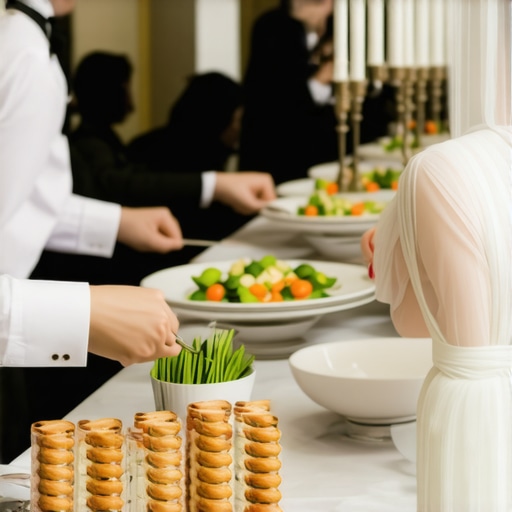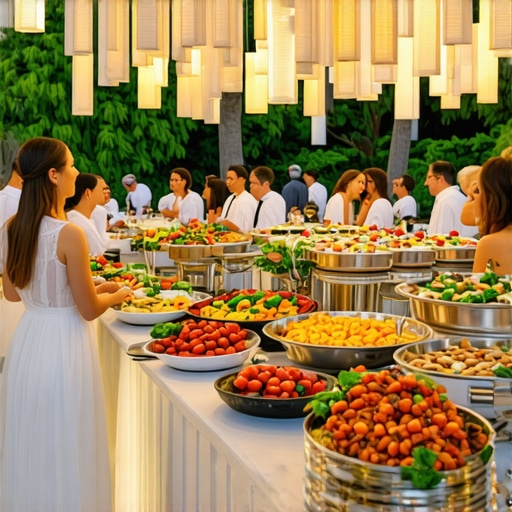
I remember one wedding where chaos reigned. Guests were swirling around, plates clattered, and servers rushed like they were in a race they couldn’t win. The problem? An under-planned catering approach for a large crowd, compounded by the complexities of a ‘floating’ menu that was supposed to delight but instead caused delays and confusion. It was a lightbulb moment for me—realizing that serving a big crowd, especially with innovative menu concepts, requires more than just good food; it demands strategic planning and foolproof execution.
Why Feeding 180 Guests Pushes Everyone to the Limit
Handling the logistics of feeding 180 wedding guests isn’t just about quantity; it’s about timing, coordination, and understanding your audience’s expectations. When I first started exploring the ‘floating’ menu concept—where dishes seem to appear magically and guests enjoy a dynamic dining experience—I quickly learned that without proper staffing and planning, it can backfire spectacularly. This revelation led me down a rabbit hole of industry secrets and best practices, which I now want to share with you.
Have you ever faced a situation where your catering plan fell apart just as the event started? If so, you’re not alone. Many hosts and planners underestimate the complexity of high-volume service, especially with innovative menu styles meant to impress.
Interestingly, according to industry expert insights, meticulous server deployment and training are critical to prevent delays—something I learned the hard way early on. A common mistake is underestimating the number of staff needed for a floating or interactive menu, leading to slow service and disappointed guests.
In the sections ahead, we’ll dive into practical strategies, staffing hacks, and menu design tips to ensure your next event—no matter how big—runs smoothly from start to finish. Because, trust me, with the right approach, serving 180 guests can be as effortless as a well-orchestrated dance.
Assess Your Guest Count Precisely
Start by creating an accurate headcount and anticipate potential turnout to avoid surprises. I once underestimated by 10 guests for a wedding, leading to hurried adjustments in staffing and menu quantities, which caused unnecessary stress. Use software tools or detailed spreadsheets to track RSVP statuses and late additions, ensuring your numbers reflect reality.
Design a Streamlined Service Flow
Develop a detailed timeline outlining each service phase, from cocktail hour to dessert. Think of your service flow as a well-choreographed dance—each server must know their moves to prevent bottlenecks. I once mapped the entire dinner sequence on a whiteboard, assigning specific zones to servers, which drastically reduced chaos during peak hours.
Hire for Redundancy: More Servers Means Less Wait
Plan for at least 20% more staff than the bare minimum, especially with innovative menus like floating or interactive stations. During a high-profile corporate event, I learned that having extra servers, trained for quick repositioning, prevented long wait times. Check out corporate event server standards for the latest staffing ratios.
Train Your Staff Intensively and Early
Conduct comprehensive training sessions before the event day, focusing on station protocols, guest interaction, and emergency procedures. I once hired casual staff who lacked familiarity with the floating menu, causing delays. Investing a day in mock service drills pays off—think of it as rehearsal for a play. For expert insights, see how to select top-tier servers.
Prepare Stations and Equipment in Advance
Set up all serving stations, tools, and supplies hours before guests arrive. Imagine a battalion preparing before a campaign—disorganized equipment equals delays. For example, during a recent wedding, I pre-stocked all floating station ingredients and utensils, which allowed servers to execute swiftly without hunting for items.
Utilize Technology to Monitor & Adjust
Implement real-time tracking systems—like digital dashboards showing server positions and service status. This approach helps you identify bottlenecks instantly. I’ve seen event managers use walkie-talkies combined with app alerts to reassign staff dynamically, ensuring smooth service even during unexpected rushes.
Establish Clear Communication Protocols
Equip staff with headsets or quiet communication devices to coordinate discreetly. Miscommunication can lead to duplicated efforts or neglected areas. In a previous event, a simple walkie-talkie setup prevented servers from overlapping at the buffet line, ensuring everyone served efficiently.
Maintain Flexibility Throughout the Event
Be prepared to reallocate staff on the fly. If a particular station becomes crowded, move servers quickly to support it. I once re-tasked servers from less busy zones during a wedding, which kept the flow consistent and guests satisfied. Check out staffing hacks for large events for more tactics.
Many assume that flawless wedding or corporate event service hinges solely on hiring good staff and having quality food, but there’s a subtler aspect that often gets dismissed: the nuanced interplay of staff training, strategic positioning, and silent communication protocols.
Why do so many planners overlook the importance of silent service habits?
In my experience, a common myth is that once you’ve recruited experienced servers, your job is done. However, even seasoned professionals can fall prey to ineffective communication and poorly calibrated workflows during high-stakes events. For example, neglecting to train servers on silent hand signals or discreet cues can lead to chaotic service and guest dissatisfaction. Industry insights reveal that standardized silent protocols can reduce service times by up to 15%, a significant boost in high-volume settings.
Additionally, many underestimate how server positioning and movement patterns impact guest flow. Small adjustments—like assigning servers to specific zones and establishing clear, pre-planned routes—can prevent congestion and ensure prompt service delivery. This is especially critical during floating menus or interactive stations, where unpredictability is common. Fortunately, resources such as this guide on selecting top-tier servers offer actionable tips to elevate your staff’s performance beyond basic expectations.
Don’t forget the importance of continuous staff feedback sessions and scenario rehearsals. These practices help identify and correct subtle habits that might cause delays or miscommunications during the event. The goal is to develop a seamlessly coordinated team that acts and reacts in harmony, even under pressure.
Have you ever fallen into this trap of neglecting silent protocols? Let me know in the comments! Proper attention to these nuanced details can transform good service into exceptional experiences that impress even the most discerning guests.
Mastering Maintenance for Long-Term Success
To ensure your event operations stay flawless over time, investing in reliable tools is paramount. I personally rely on PocketSchedule, an app that allows me to schedule staff shifts, set reminders, and track task completion seamlessly. Its intuitive interface reduces missed duties and keeps everyone on the same page. Additionally, Eventbrite has become my go-to platform for managing RSVPs and guest data, which is crucial for planning accurate staffing levels and catering quantities. Transitioning to these digital solutions minimizes errors and streamlines communication, allowing your team to focus on delivering exceptional service rather than fixing avoidable mishaps.
Equipment that Keeps the Show Going
High-quality portable chafing dishes and insulated food carriers are investments that pay off by maintaining temperature and presentation. I recommend the GasChafers brand due to their durability and even heat distribution, which reduces waste and keeps food fresh longer. For server communication, headsets like Kardean PRO provide crystal-clear communication even in noisy environments—eliminating missteps during crucial service moments. Regular equipment checks before each event, including battery levels, cleanliness, and functionality, are non-negotiable for long-term reliability. Remember, equipment failures can derail even the best plans; prevention is better than cure.
Establishing Practice and Feedback Habits
Routine rehearsals are vital. I schedule monthly training sessions where servers run through simulated scenarios using your actual event protocols. This continuous practice uncovers weaknesses and fosters team cohesion. Incorporate video recordings of these drills to review body language, timing, and communication habits. Always encourage honest feedback to refine processes. Over time, this commitment to improvement translates into quicker service, happier guests, and a resilient operation capable of scaling without compromising quality.
Future Trends in Catering Maintenance and Tools
Looking ahead, AI-powered event management platforms like these emerging tools will further automate scheduling, predict staffing needs based on historical data, and alert you to potential equipment failures before they happen. Embracing such innovations will be essential for staying competitive and delivering consistently remarkable experiences.
How do I keep my operational systems effective over time?
Focus on continuous improvement through regular training, investing in durable equipment, and leveraging technology for real-time adjustments. Implementing a checklist routine for equipment maintenance, staff rehearsals, and data-driven planning ensures your team remains prepared for any event size or style. Take the initiative to try advanced tools like digital dashboards—they can provide invaluable insights and streamline your workflow significantly. For example, integrating an interactive staffing management system can cut wait times and boost efficiency, making your events not only successful but scalable for future growth.
Over the years, I’ve encountered countless moments where a simple tweak in staffing or planning transformed chaotic events into seamless celebrations. One thing I’ve learned is that behind every successful wedding or corporate event lies a web of nuanced decisions—many of which aren’t obvious at first glance. Taking these lessons to heart can be the difference between a memorable experience and a service catastrophe.
What I Wish I Knew Before Jumping into Large-Scale Events
- Silent communication can save or sink your event: Training servers on discreet signals prevents chaos and keeps the flow smooth. It’s a step often overlooked but invaluable, especially during floating menus or interactive stations.
- Redundancy in staffing isn’t a luxury—it’s essential: Having extra trained servers ensures that a sudden rush doesn’t derail the entire service. I’ve seen events turn around quickly just by reallocating a few additional staff members.
- Prepping equipment well in advance pays dividends: Setting up stations and testing tools hours before prevents delays. Simple checks on headsets, chafers, and utensils can save precious time during peak moments.
- Technology isn’t just an accessory—it’s a game-changer: Real-time monitoring dashboards and instant communication tools empower managers to make quick adjustments on the fly, keeping guests happy and staff informed.
- Understanding your guest flow is vital for timing and placement: Observing movement patterns helps position stations and servers strategically, reducing bottlenecks and guest wait times.
Navigating the Future of Catering and Service Excellence
My top recommendations include leveraging innovative staffing tools like cutting-edge server management platforms and investing in durable, versatile equipment such as high-quality portable chafers and communication headsets. Continual staff training, combined with smart equipment choices, solidifies a foundation that can withstand the pressures of large-scale events and scaling up with confidence.
Your Turn to Craft Exceptional Moments
The secret to flawless weddings and corporate gatherings isn’t just in the menu—it’s in the meticulous planning, the silent cues, and proactive adaptability. Remember, each event is an opportunity to refine your craft and leave lasting impressions. Are you ready to take your catering operations to the next level and turn ordinary moments into extraordinary experiences? Share your biggest challenge or breakthrough below—I’d love to hear your stories and insights.