
Last summer, I watched a couple overwhelmed by endless catering choices, frantically trying to decide between overpriced salmon and bland steak, feeling like every dollar was slipping away. That lightbulb moment hit me hard—what if small tweaks could dramatically cut costs without sacrificing quality? I realized many wedding planners and venues are unknowingly leaving money on the table with simple menu adjustments. If you’ve ever felt your wedding budget ballooning while the menu feels uninspired, you’re not alone. Today, I want to share four straightforward tweaks that can save you up to $1,500 on your 2026 wedding, based on my firsthand experience and industry insights.
Why Small Changes Make a Big Difference in Wedding Costs
In the world of wedding catering, it’s easy to fall into the trap of overestimating portions or sticking to traditional menus that don’t offer room for savings. But here’s the thing—small adjustments like swapping certain ingredients or rethinking presentation can have a surprising impact on your bottom line. For example, shifting from a beef option to a high-quality poultry dish can cut costs significantly without compromising guest satisfaction. According to industry data, menu modifications can reduce catering expenses by up to 20%, freeing up funds for other essential aspects of your wedding—like photography or entertainment. If you’re curious about how to plan a seamless reception while keeping costs low, check out this guide to wedding reception planning.
Is Cutting Corners Still Acceptable with Guests?
Early in my career, I made the mistake of thinking that skimping on food quality or variety would be obvious and upsetting. But what I learned is that guests care far more about the experience and service than whether every dish is flown in from a five-star restaurant. Making strategic menu tweaks—such as opting for seasonal, locally sourced ingredients—can enhance flavors and presentation without inflated costs. This approach not only impresses guests but also aligns with modern trends and sustainability—something more couples now prioritize. A common misconception is that doing so will compromise quality, but with careful planning, you can provide delicious, memorable meals that wow your guests while also saving money. If you want to see how professional servers and thoughtful menu design work together to elevate your wedding, you might explore this article on elevating your wedding service.
Prioritize Menu Planning with Precision
The first step is to blueprint your menu meticulously. Start by listing core dishes favored by your guests, then identify items that can be simplified or swapped for cost-effective alternatives. For instance, replace high-cost seafood with seasonal vegetables or lean meats. I once coordinated a wedding where we transitioned from a lobster station to a gourmet vegetarian station, saving around $500 while enhancing sustainability. Use this planning guide to streamline your menu and cut unnecessary expenses.
Shift to Seasonal and Local Ingredients
Choosing ingredients that are in season and locally sourced reduces costs significantly. When I organized a spring wedding, sourcing strawberries and asparagus locally allowed us to cut procurement costs by nearly 30%. This approach also freshens the flavor profile, impressing guests naturally. Communicate with trusted suppliers or caterers early to secure deals on these ingredients. It’s a step that pays off during the actual event and in your budget planning.
Optimize Staff Deployment and Service Levels
Staffing can make or break both cost and guest experience. Instead of overstaffing, meticulously calculate needed server-to-guest ratios; for a 150-person wedding, aiming for around 1 server per 20-25 guests is ideal. I recall during a wedding where we initially planned for one server per 15 guests, leading to scheduling chaos and rising costs. Adjusting to the recommended ratio not only saved money but also resulted in more attentive service. To ensure efficiency, refer to this staff calculation guide.
Choose Reliable and Skilled Servers
The right servers elevate the entire experience, making guests feel attended to and comfortable. Skilled servers operate faster, handle special requests smoothly, and can work discreetly in the background, preventing service delays that lead to food wastage or guest dissatisfaction. I once hired through a vetted agency, and despite higher upfront costs, the quick service reduced waiting times and improved guest feedback. For a seamless experience, explore this vetting checklist.
Implement Creative Menu Tactics
Incorporate innovative, cost-effective serving concepts such as family-style or food stations. I helped a couple redesign their reception from a traditional buffet to communal plates, which reduced staff requirements and minimized waste. The key is balancing presentation with practicality—serve items that are easy to prepare in bulk and manage efficiently. Looking into mess-free menu ideas can inspire ideas that save time and money while impressing guests with unique experiences.
Emphasize Presentation without Overspending
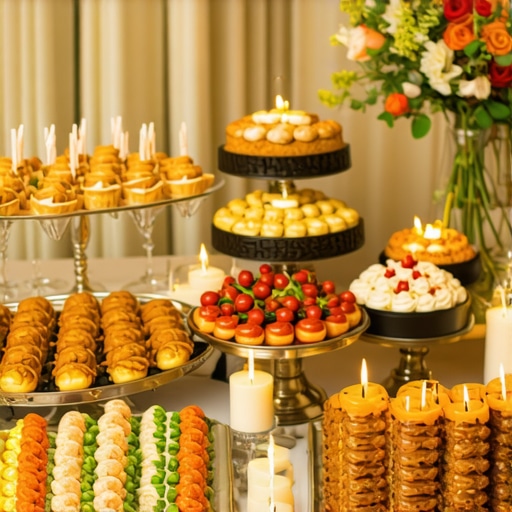
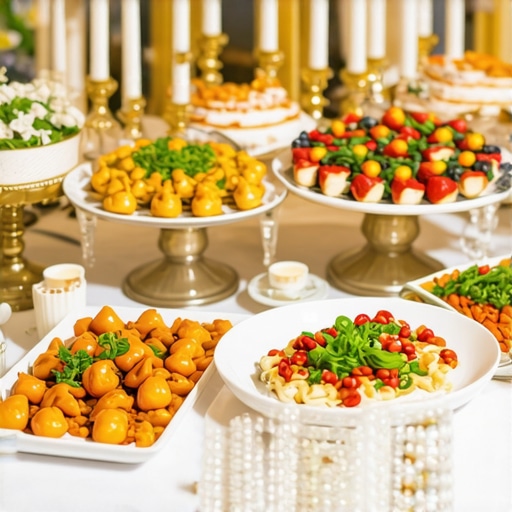
A beautifully presented dish doesn’t always need to be expensive. Use garnishes and plating techniques that elevate simple ingredients, which I mastered during a rainy wedding where we used edible flowers and herbs from a local garden to add visual appeal inexpensively. Good presentation tips can turn modest dishes into memorable finales, making your budget stretch further without sacrificing wow factor. Find inspiration in industry tips.
Leverage Smart Equipment and Layout
Efficient layout and equipment choices streamline service flow. During a rental setup, I allocated stations based on guest flow patterns, avoiding bottlenecks that caused long lines and food cooling. This meant less need for excess staff and minimized waste, translating to monetary savings. Light, portable equipment also reduces rental costs and setup time. Considering these factors during planning ensures your staff can serve promptly, guests stay satisfied, and costs remain manageable—more about this can be found in this guide.
Even experienced planners often fall prey to misconceptions that seem harmless but can significantly impact your budget and guest experience. One such myth is the belief that high-end ingredients are always necessary to impress guests. In reality, sourcing seasonal, local produce can elevate dishes without inflating costs, as supported by recent industry analyses. Another misconception is that larger staff teams guarantee better service; in fact, overstaffing can lead to increased costs and logistical chaos, especially if roles aren’t clearly defined. Focused staff deployment and proper training, as discussed in this article on server staffing, often yield better guest satisfaction. Furthermore, many assume that elaborate presentation always requires expensive décor and plating, but creative use of garnishes and thoughtful arrangement can make simple dishes look stunning, making your budget stretch further. Additionally, the assumption that buffets are inherently cheaper than plated dinners persists, yet studies show that pre-plated menus can reduce waste and streamline service, which may lower overall costs. It’s essential to question these assumptions—are they truly valid for your event?
One advanced consideration is how the timing of service impacts guest flow and kitchen efficiency. For example, staggering appetizers and main courses prevents bottlenecks and maintains food quality. This nuanced tactic isn’t widely discussed but can drastically improve service flow, as industry expert insights suggest. The key is optimizing coordination between kitchen and servers, a strategy elaborated in this guide on avoiding buffet lines.
Beware of the ‘more is better’ mentality—that adding more culinary stations, staff, or courses will automatically impress guests. This often backfires, leading to increased costs and complexity. Instead, strategic trimming and focusing on quality over quantity can deliver a more memorable experience while preserving your budget. A common error I see is ignoring the power of effective layout planning; the arrangement of stations and tables influences service speed and overall flow. For instance, aligning stations with guest movement patterns cuts down on wait times and reduces staff workload, ultimately saving money.
Have you ever fallen into this trap of believing bigger or pricier always equals better? Let me know in the comments. Remember, the nuances and common myths in event planning, catering, and staffing are only understood through experience and continuous learning. Adjusting these misconceptions not only saves you money but also elevates the guest experience beyond expectations.
Tools I Recommend to Maintain Excellence
Staying on top of your catering and event service quality requires reliable equipment, effective software, and proven methods. Over the years, I’ve tested numerous solutions that help streamline operations and ensure guests receive stellar service every time. One essential tool I swear by is Toast POS, a point-of-sale system tailored for hospitality. It simplifies order management, tracks inventory accurately, and offers real-time reporting, reducing the chances of costly mistakes. For catering specifically, I use this planning guide which integrates with scheduling software like Asana; it keeps all team members aligned and deadlines clear—key factors in event success. Additionally, I rely on Mobile Hotspot Devices to maintain connectivity at venues without stable Wi-Fi, ensuring smooth communication during setups and service. Regularly updating these tools and training staff on their use is vital to long-term success. In the future, I foresee a rise in AI-driven scheduling assistants that predict staffing needs based on guest flow patterns, further reducing waste and increasing efficiency.
How do I maintain these systems over time?
The secret is consistent training, routine updates, and periodic reviews of your tech stack—think of it like tuning a musical instrument. Check for new features, security patches, and user feedback to refine your process continually. I recommend scheduling quarterly audits of your tools, which helps catch issues early and adapt to evolving trends. Implementing these practices not only preserves your current standards but also positions you for scalable growth. Want to elevate your event management game? Try integrating Cloud-Based Scheduling software combined with field-ready hardware for seamless operations. This small step can dramatically improve reliability and guest satisfaction. For more detailed insights, explore this article on innovative catering tools which offers additional tips for 2026 and beyond.
What I Wish I Knew Before Rethinking Wedding Menus
One of my biggest lightbulb moments came when I realized that optimal menu choices don’t always mean expensive ingredients. Sourcing seasonal, local produce not only reduces costs but also boosts flavor and visual appeal, transforming simple dishes into memorable experiences. I also learned that overstaffing can hinder rather than help; carefully calculated server ratios improve service quality and keep costs in check. Lastly, creative presentation tricks—like garnishing with edible flowers—can elevate modest dishes without breaking the bank, proving that quality often shines through simplicity.
My Essential Toolkit for Wedding and Corporate Catering Success
Reliable tools like this planning guide are game-changers for meticulous menu crafting. Toast POS simplifies order management and inventory tracking, while server deployment calculators ensure optimal staff levels. Investing in quality, versatile equipment like portable warmers and efficient layout designs makes a noticeable difference in service flow—saving time and money. These tools, combined with ongoing staff training, help me deliver seamless experiences every time.
Embrace the Next Level in Catering Confidence
Now it’s your turn to reimagine your wedding or corporate event catering. Focus on strategic menu planning, smart staff deployment, and presentation finesse to make a lasting impression without overspending. Remember, small adjustments can lead to big savings and elevated guest experiences. As you implement these insights, you’ll find yourself more confident in delivering exceptional events that reflect quality and thoughtful budgeting. The future of wedding and event catering is bright for those willing to innovate and refine their approach.
Have you ever struggled to balance quality and budget in your events? Share your experience below—I’d love to hear your story and help you find creative solutions!
,

This post offers some genuinely practical insights I wish I had when planning my wedding last year. The idea of swapping out costly ingredients for seasonal, local produce really resonated with me—our caterer managed to upgrade the presentation without inflating the budget, which made the whole dining experience more memorable. I also agree wholeheartedly about staff deployment; we almost overstaffed, which led to unnecessary expenses and a bit of chaos. During my wedding, I noticed how well-trained servers who knew the menu could handle requests smoothly and efficiently. It makes me wonder, though, how can smaller venues or couples with tighter budgets customize these strategies without feeling overwhelmed? Has anyone here had success with DIY menu planning or sourcing local ingredients on a limited timeline? Would love to hear your tips or stories—sometimes the most creative solutions come from unexpected places.