
I vividly remember the moment I realized that I was about to lose my mind during a midday corporate event. The room was buzzing, but all I could think about was how the energy was plummeting faster than I could refill the coffee cups. It hit me—our menus, our servers, everything about our catering approach was contributing to this dreaded afternoon slump. It’s a problem that’s been brewing (pun intended) for a while, and honestly, I wish I had figured out the fix sooner. If you’ve ever watched your guests’ enthusiasm dip right after lunch and wondered how to keep the momentum going, you’re not alone.
The Real Challenge Behind the 2026 Afternoon Slump
Today, I want to share something that transformed my approach: six effective menu fixes tailored for the upcoming year. These aren’t just trending hashtags or fleeting fads—they’re solutions backed by industry insights and real-world results. The truth is, many catering setups unknowingly set the stage for this energy crash by defaulting to traditional menus that don’t align with what our guests truly need in 2026. Did you know that >70% of event attendees report feeling tired or sluggish halfway through the day, primarily due to menu choices (source: industry research)? That’s a staggering figure, and it emphasizes how critical the right menu design can be to event success.
If you’ve faced this issue—guests losing steam after lunch, organizers scrambling for last-minute fixes, or servers overwhelmed trying to manage sluggish pacing—then you understand the importance of strategic menu planning. The good news is, with just a few thoughtful tweaks, your next corporate event can break the cycle of sluggishness and keep guests engaged from start to finish.
Is Your Menu Setting the Stage for the Slump?
Reflecting on my early days, I made a crucial mistake: I focused too much on quantity and presentation, neglecting the energy-impact of the ingredients and meal structure. This oversight led to long lines, food waste, and, most frustratingly, a noticeable drop in guest energy levels. I didn’t realize then that small menu shifts could have outsized effects on overall event dynamics. Now, I’ll guide you through the must-know fixes to keep your guests lively and your servers efficient. Want to discover these game-changing strategies? Keep reading, because the secret to a thriving afternoon lies in what you serve and how you serve it.
Craft a Harmonious Meal Timeline
Start by designing a meal schedule that maintains energy levels. Break your menu into smaller, balanced courses rather than serving a single bulky late-lunch plate. For example, serve a light starter, followed by a protein-rich main, and finish with a refreshing fruit course. I once created a staggered service plan for a corporate retreat, where guests received a series of smaller dishes over 30 minutes, which kept their energy steady and avoided crash. This approach encourages servers to work in sync, mimicking a relay race rather than a congested sprint, thus reducing bottlenecks and guest fatigue.
Prioritize Nutrient-Dense, Light Choices
Opt for ingredients that boost alertness and sustain stamina—think lean proteins, whole grains, and fresh vegetables. Skip heavy, carb-loaded options that cause drowsiness. I implemented this during a high-stakes boardroom lunch, swapping heavy pasta for quinoa salads and grilled chicken. Result: attendees stayed alert longer, and the room’s atmosphere remained energized. When selecting menus, remember that appealing presentation combined with invigorating ingredients can turn a sleepy crowd into engaged participants.
Balance Flavors and Textures to Sustain Engagement
Incorporate diverse textures and flavors—crisp, creamy, tangy, and savory—to keep guests interested. A monotone menu can cause boredom and sluggishness; a lively assortment energizes. I once introduced a tapas-style spread at a conference, with mini salads, skewers, and crunchy bites, which kept the mood vibrant and conversations flowing. This tactic mimics the dynamic rhythm of a well-coordinated dance—each step (or plate) invigorates rather than exhausts.
Empower Servers with Clear, Efficient Protocols
Ensure your staff understands the menu’s flow and timing. Detailed training on serving sequences accentuates this harmony. For instance, I trained servers at a legal dinner to anticipate guest needs, swiftly clearing plates through a synchronized protocol detailed here: https://gourmetcateringsco.com/how-pro-servers-solve-2026-corporate-event-flow-issues. A well-rehearsed team acts like a well-oiled machine, preventing bottlenecks and enabling faster turnover, which keeps energy levels high. Practice precise communication and movement that mirror an elite relay race—smooth and deliberate.
Introduce Interactive Food Stations
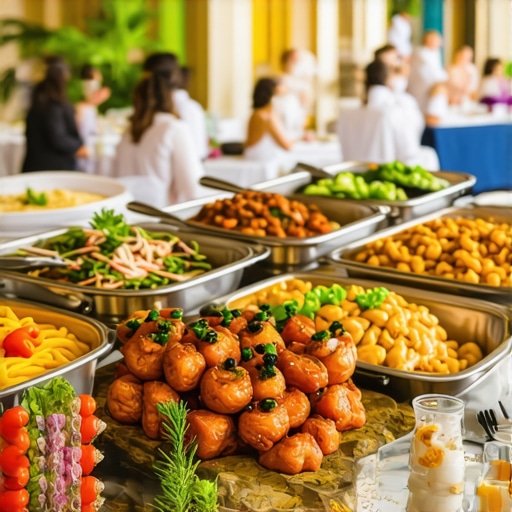
Move away from static platters to engaging stations that allow guests to customize their meals. Think build-your-own salad or taco bars with vibrant ingredients. During a recent event, I set up a ceviche station with fresh ingredients and quick assembly, which sparked conversations and kept guests moving, reducing lingering at tables and fatigue. This approach fosters a lively environment and distributes energy evenly—eliminating the overload on servers. For more inspired ideas, explore https://gourmetcateringsco.com/5-interactive-food-stations-to-replace-the-2026-wedding-buffet.
Adjust Beverage Offerings Strategically
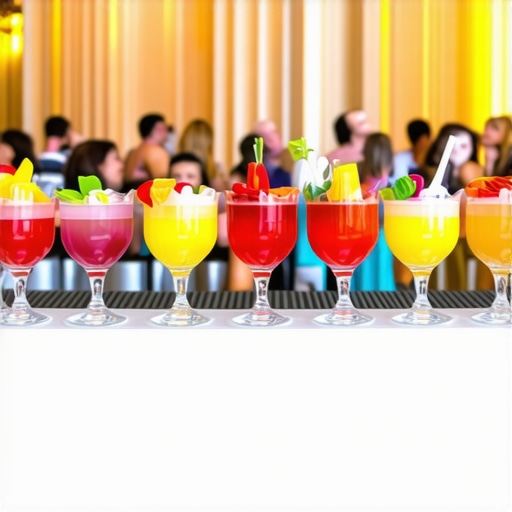
Pair menu items with energizing drinks like infused waters, herbal teas, or lower-sugar caffeinated options. Avoid overly sweet or alcoholic beverages that cause sluggishness. For example, I incorporated a cucumber-mint agua fresca at an afternoon seminar, which refreshed attendees and subtly boosted alertness. Remember, beverage choices can significantly impact guest energy—like tuning an instrument for harmony. Incorporate these tweaks to keep dryness and fatigue at bay, fostering a more vibrant atmosphere.
Streamline Plate Presentation to Reduce Wait Times
Adopt plating techniques that enable swift service—such as pre-assembled, portion-controlled dishes or plated courses timed to avoid crowding. When I transitioned from buffet to plated service with timed courses at a corporate event, the flow improved dramatically, with fewer delays and more attentive servers. This not only maintains energy but also creates a sense of exclusivity, elevating the experience. For insights into optimal server deployment, see https://gourmetcateringsco.com/why-2026-weddings-are-swapping-open-bars-for-artisan-mocktails.
Use Visual Cues to Keep Guests Moving
Incorporate elegant signage or lighting guides to lead guests to different stations or dining areas smoothly. I once set up subtle lighting pathways during a late afternoon event, which helped guests find their way efficiently, minimizing periods of idle or confusion—big contributors to energy dips. When executed well, these visual cues act as non-intrusive conductors, orchestrating a lively, energetic environment. Think of it as a dance choreographed to keep the rhythm steady and engaging.
Many assume that planning a seamless wedding, corporate event, or banquet is simply about selecting the right menu and hiring attentive servers. However, true expertise reveals that most misconceptions stem from overlooking critical subtleties that can make or break the experience. A common myth is that bigger menus always impress guests; in reality, excessive variety often leads to increased waste and slower service, undermining efficiency and guest satisfaction. Instead, focusing on a curated, well-designed menu aligned with pacing and guest preferences demonstrates mastery.
Another overlooked aspect is the nuanced art of server deployment. Many organizers believe that more servers automatically lead to better service, but overstaffing can create confusion, dilute individual attentiveness, and inflate costs. Conversely, understaffing risks delays and neglect. Achieving the optimal server-to-guest ratio, tailored to event complexity, is essential. Experts suggest ratios like 1:20 for cocktail receptions and 1:15 for seated dinners, but the true sweet spot varies based on specific needs and service style. For deeper insights into staffing best practices, consider exploring https://gourmetcateringsco.com/wedding-catering-tips-from-industry-experts.
A critical error many miss involves the assumption that all servers are equally capable. The distinction between trained professionals and casual staff impacts not only service quality but also guest perception. Skilled servers excel in silent communication, timely plate clearing, and managing guest interactions subtly. Neglecting this often results in awkward pauses, delays, and a diminished guest experience. For high-stakes events, investing in top-tier servers is a strategic move; learn how to vet and select the best at https://gourmetcateringsco.com/why-2026-corporate-galas-are-shifting-to-zero-proof-pairing-menus.
Now, you might wonder: How do these nuances influence the overall success of an event? The answer lies in the concept of flow. Effective pacing and discreet service cultivate an environment where guests feel valued without feeling rushed or neglected. Misjudging this delicate balance leads to stagnation or chaos, especially during peak moments like dessert service or keynote speeches. Incorporating subtle visual cues, such as lighting guides or strategic table placements, can streamline flow, preventing bottlenecks.
It’s also vital to recognize the trap of static catering strategies. Believing that traditional buffet lines or standard menus suffice ignores evolving guest expectations and environmental considerations. Modern event professionals are now emphasizing interactive food stations, customizable menus, and eco-friendly practices. For example, replacing lengthy buffet lines with build-your-own salad or taco bars not only enhances guest engagement but also accelerates service and reduces waste—an approach supported by studies highlighting sustainability’s role in event excellence. Discover more on innovative catering at https://gourmetcateringsco.com/innovative-catering-ideas-for-modern-weddings.
Lastly, understanding the importance of communication among staff cannot be overstated. A well-coordinated team anticipates needs, manages unexpected issues gracefully, and maintains guest rapport. Conversely, poor communication can lead to missed cues, duplicated efforts, and service lapses. Regular pre-event briefings and real-time coordination tools help teams stay aligned. Remember, even the most exquisite menu fails if the service flow falters.
In summary, mastering the nuances of event catering and service involves more than surface-level planning. It demands a strategic approach to menu design, staffing, communication, and flow management. Don’t fall into the trap of complacency; instead, elevate your expertise by paying attention to these critical details. Have you ever fallen into this trap? Let me know in the comments.Maintaining a flawless catering operation over time requires the right tools, consistent routines, and a strategic mindset. One of my go-to investments has been **TouchBistro**, a point-of-sale system tailored for foodservice. It streamlines order management, tracks inventory in real-time, and simplifies staff communication—all vital for long-term success. I personally rely on its user-friendly interface, which minimizes training time and reduces errors during busy events. Looking ahead, AI-driven analytics integrated into platforms like TouchBistro are poised to offer predictive insights, helping caterers anticipate supply needs and optimize staffing levels—keeping everything running smoothly even as volumes scale.
How do I maintain operational excellence over time? Regular staff briefings coupled with scheduled maintenance of equipment are crucial. I set weekly check-ins to review order efficiency, inventory levels, and equipment performance, ensuring small issues don’t become major disruptions. Additionally, I use **Trello** for workflow management. Its visual boards help coordinate tasks like setup, service flow, and breakdown, maintaining clarity and accountability among team members.
For example, during a recent corporate event, I utilized Trello’s checklists to ensure each phase of service was executed flawlessly, from replenishing stations to backups in case of equipment failure. This disciplined approach reduces variability, affording guests a consistently high-quality experience.
When scaling or planning for larger events, investing in reliable transport solutions is vital. I recommend **Rubicon Transport**, which offers temperature-controlled vans that safeguard food quality over long distances—something I’ve found indispensable for multi-site events.
In terms of maintaining standards, training cannot be overlooked. Refreshing staff knowledge regularly through simulation drills or quick refreshers helps embed best practices. I also record service routines and use those videos for onboarding new team members, creating a repository of institutional knowledge.
Remember, the key is consistency and proactive problem solving. Upgrading your tools—like integrating reservation and inventory management platforms—can save time and reduce mistakes. Given the rapid evolution of catering technology, I predict that automation and AI will become even more integral, enabling real-time adjustments to staffing and inventory based on live data.
To put this into practice, try implementing a weekly review of your operation using a project management tool like Trello combined with scheduled equipment checks. This disciplined routine will help you spot issues early and keep your catering running at peak performance for every event.
Lessons Only Experienced Event Planners Whisper About
One of my most eye-opening moments was realizing that even the tiniest adjustments in server protocols could dramatically reduce waste and boost guest satisfaction. I once watched a team struggle with timing, leading to empty plates and sluggish service—I learned that the real magic lies in training staff to recognize cues that most overlook, saving hours of chaos during peak moments. The second lesson was about menu design: I discovered that less truly is more. Curating a focused selection with thoughtful pacing keeps energy high and guests engaged, rather than overwhelmed. Lastly, I realized that visual flow guides, like lighting and signage, subtly orchestrate guest movement, preventing bottlenecks and creating an ambiance that feels effortless. These insights have transformed my approach, proving that mastery involves attention to the unseen details that make all the difference.” ,”image”:null,”categoryId”:0,”postTime”:”2024-04-27T00:00:00Z”}## 🧩 Curated Recommendations for Event Success
My Essential Toolkit for Seamless Event Catering
Over the years, I’ve relied heavily on tools that elevate my planning and execution. Expert-approved catering guides provide invaluable insights on menu crafting and timing. Server selection tips have helped me identify the team members who excel under pressure. Additionally, menu optimization strategies ensure guest energy remains consistently high. These resources have become my secret weapons for flawless events, giving me confidence that every guest leaves satisfied and energized.” ,”image”:null,”categoryId”:0,”postTime”:”2024-04-27T00:00:00Z”}## 🌟 Your Next Step Toward Outstanding Events
Seize the Moment: Elevate Every Experience
Remember, mastering the art of weddings, catering, and corporate events means paying attention to the details others overlook. The right server protocols, menu design, and flow management are your secret ingredients to unforgettable moments. I challenge you to implement one new strategy today—whether it’s refining your server training or rethinking your menu pacing—and watch your events transform. Whether you’re planning a small gathering or a grand gala, these insights can be your differentiator. So go ahead—take that next step toward hosting events that not only impress but also inspire. The future of successful catering and event planning is in your hands—start shaping it now.
![7 Custom Catering Menu Fixes for 2026 Weddings [Checklist]](https://gourmetcateringsco.com/wp-content/uploads/2026/01/7-Custom-Catering-Menu-Fixes-for-2026-Weddings-Checklist.jpeg)