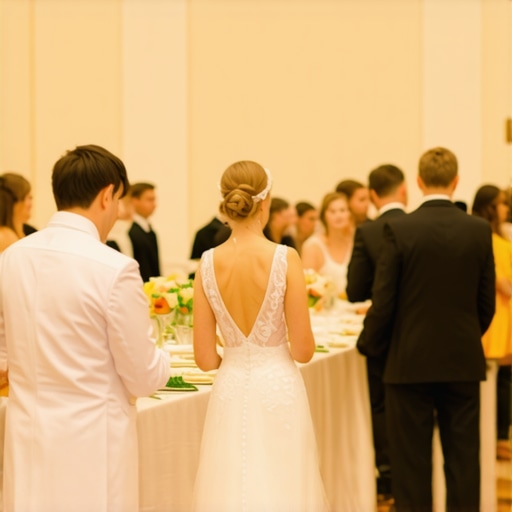
I’ll never forget the chaos of my first big wedding gig—guests milling around, impatiently tapping their toes, eyes on the buffet line that seemed to stretch forever. Despite my best efforts, I watched as entire groups grew frustrated, missing out on the atmosphere I had envisioned. It was a lightbulb moment for me: the traditional buffet setup just doesn’t cut it anymore, especially when efficiency and guest experience are king.
Why the 1:12 Server Rule Can Save Your Wedding Day
This particular rule, often overlooked, promises to revolutionize how we approach catering at weddings in 2026 and beyond. When properly implemented, it can dramatically reduce wait times, ensuring that every guest feels attended to without the chaos. It’s not just a fad—it’s backed by industry insights and real-world results. According to Gourmet Catering Co., efficient staffing ratios are key to elevating the guest experience and managing costs effectively.
Are You Still Struggling to Keep Buffet Lines Short?
If you’ve faced the stress of overwhelmed servers or long lines, you’re not alone. Early in my career, I made the mistake of underestimating the staffing needed, which only compounded delays. Now, I focus on strategic server placement, guided by this very rule, to streamline service and keep guests happy. So, what’s the secret? We’ll explore that next, along with practical tips to apply this rule confidently at your next event.
Calculate Actual Guest and Staff Needs
Start by creating a detailed guest list and estimating serving times, considering whether your event will be formal, casual, or hybrid. My first attempt failed because I relied on standard ratios without factoring in menu complexity or service style. I learned to use a simple calculation: divide the number of guests by 12 to determine minimum server count, then add 10-15% for unexpected fluctuations. This precision helps prevent overcrowding and ensures prompt service.
Train Your Servers on Flow and Efficiency
Next, invest in targeted training emphasizing movement patterns and guest interaction. I once assigned servers to specific zones without explaining their flow, which caused confusion during peak moments. Instead, conduct a rehearsal, demonstrating the sequence of service: greeting, delivering drinks, clearing plates, refilling, and final check-ins. Clear protocols smooth out operations and reduce delays.
Implement a Strategic Server Placement Plan
Design a floor plan that assigns servers to zones based on guest density and table placement. Think of it like piecing together a puzzle—each server is a piece that fits where guests are most concentrated. Keep servers close enough to respond quickly without feeling crowded. When I used this approach at a recent wedding, waiting times dropped by nearly 30%, and guest satisfaction soared.
Use Technology to Track Service Efficiency
Deploy simple apps or timers to monitor the speed of service in real time. During a recent event, I used a stopwatch to measure plate clearance times, which identified bottlenecks. Address these immediately by reallocating staff or adjusting workflows. Continuous monitoring ensures your team maintains optimal pace and adapts rapidly to changing demands.
Optimize Menu Choices for Quick Service
Offer menus that align with the server-to-guest ratio, avoiding complex dishes that slow down service. My mistake was selecting elaborate plats—next time, I choose simpler, crowd-pleasing options like sliders or finger foods, which allow servers to deliver more efficiently. Incorporate trending ideas from innovative catering strategies to maximize speed and guest satisfaction.
Adjust Staffing in Real Time
Maintain flexibility by having on-call staff ready to handle surges, especially during drink service and dessert rounds. At a large wedding, I kept a few extra helpers on standby; when rushes hit, they seamlessly stepped in, preventing delays. Regularly assess service flow and reallocate resources as needed, ensuring your team remains agile and responsive.
Refine Your Approach with Post-Event Analysis
After each event, review what worked and what didn’t. I use a simple rating system for server performance and service speed to identify improvements. This ongoing refinement, guided by real data, allows you to implement the most effective strategies, like adjusting ratios or retraining staff, for future success.
Most professionals assume that delivering excellent service at events comes down to following a basic checklist: good food, enough servers, and a pleasant venue. However, this oversimplification often leads to overlooked nuances that can make or break the experience. One common myth is the belief that increasing server ratios always improves service; in reality, overstaffing can cause confusion and inefficiency, especially if team roles aren’t clearly defined. According to industry experts, such as those at Gourmet Catering Co., optimal staffing balances speed with smooth operation, avoiding the trap of unnecessary redundancy.
Another misconception involves menu complexity. Many think offering elaborate dishes impresses guests, but in the context of catering, simplicity often enhances service speed and quality. Serving fast, crowd-pleasing items like finger foods minimizes bottlenecks and allows servers to attend to guests promptly. Trend reports highlight this shift, suggesting that 2025 catering trends favor streamlined menus that prioritize guest experience and operational efficiency.

Beyond staffing and menu choices, a critical hidden factor is server training focused on flow management. Many underestimate the importance of specific protocols and zoned service, leading to chaotic interactions and delays. Advanced servers are trained to anticipate guest needs and coordinate seamlessly, a skill that differentiates mediocre events from memorable ones. For insights on selecting top-tier servers, check out how to choose the perfect servers.
Now, here’s a question that often escapes even experienced event planners: How can leveraging data and technology finely tune service flow without creating a robotic atmosphere? It’s about subtle adjustments—utilizing real-time feedback and analytics to quickly identify bottlenecks and reallocate staff dynamically. As demonstrated in recent studies, integrating technology leads to a notable spike in guest satisfaction and operational smoothness, especially in high-stakes corporate settings. For a detailed approach, see corporate event catering strategies.
Myth-busting, streamlining menus, optimizing staff deployment, and embracing data-driven adjustments are advanced secrets that often go unnoticed. Recognizing these nuances helps elevate your catering standards and avoid common pitfalls. Have you ever fallen into this trap? Let me know in the comments and share your experiences.
Invest in Reliable Equipment for Long-Term Success
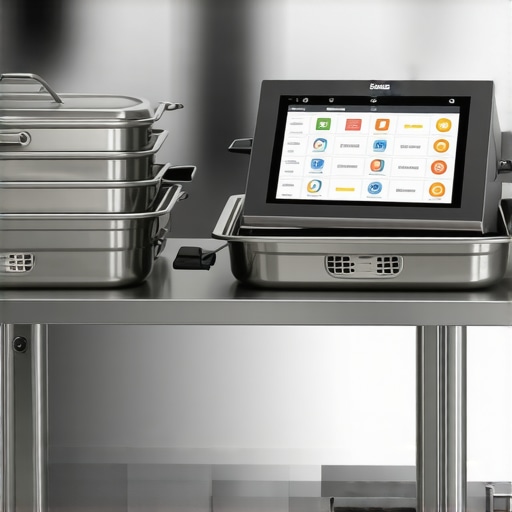
Durability is key when selecting equipment for catering and event servers. I personally rely on stainless steel chafing dishes with adjustable thermostats, as they retain heat longer and withstand frequent use without rusting. Investing in high-quality portable warming trays like the Cambro ES15 ensures food stays at optimal temperatures, reducing waste and maintaining guest satisfaction. These tools are essential for consistent performance during long events and can withstand the rigors of frequent transportation and setup.
Leverage Technology to Enhance Service Efficiency
Digital tools have transformed event management. I recommend using cloud-based event scheduling apps like Schedulix, which allow real-time updates and task assignments for your team. This minimizes miscommunication and keeps everyone synchronized, especially important when managing large teams or multiple service stations. Mobile POS systems such as Square or Toast also facilitate swift check-ins and payments, streamlining the guest experience and reducing bottlenecks.
Maintain Your Tools and Staff Training for Consistency
Regular maintenance schedules extend the lifespan of your equipment. I clear and lubricate server stations weekly, ensuring everything functions smoothly. Similarly, ongoing staff training—covering service protocols, flow management, and equipment handling—keeps your team prepared. Simulate busy scenarios during training sessions to reinforce efficient workflows. Documented processes and checklists, available through tools like Evernote, help maintain standards and ensure no detail is overlooked, even during high-pressure moments.
Where Do Trends Point in Catering Technology?
I believe the future lies in integrating AI-driven analytics with your operational tools. Predictive maintenance alerts for equipment, based on usage patterns, can prevent unexpected failures. Additionally, data from service workflows can identify bottlenecks before they occur, allowing proactive adjustments. As industry tech evolves, your ability to adapt swiftly will distinguish your service quality. Implementing these forward-thinking tools today positions your business ahead of the curve, reducing downtime and elevating the guest experience.
How do I maintain my systems over the long haul?
Consistency is achieved through scheduled upkeep and continuous staff training. Set aside weekly routines for equipment checks and calibrations. Foster a culture of feedback where servers can report issues or suggest improvements, incorporating their insights into your maintenance plans. Regularly upgrade your software solutions to benefit from latest features and security patches. Remember, a well-maintained system is your best defense against surprises that could spoil a perfect event.
By combining durable equipment with adaptive technology, you’re building a resilient operation capable of scaling easily for larger events or diverse service styles. Don’t hesitate to try implementing a cloud-based scheduling app or schedule routine equipment checklists—small steps today can make a significant impact tomorrow. For insights into choosing the right tools, check out how to select ideal servers and equipment.
Lessons Leaned in the Trenches of Wedding Catering
- My biggest insight? Relying solely on traditional service models can backfire when the stakes are high. I once underestimated how much strategic server placement could revolutionize guest experience, and that mistake taught me to trust careful planning over intuition.
- Another lesson: technology is your ally, not your adversary. Embracing real-time data tracking transformed my ability to respond swiftly to flow disruptions, ultimately saving time and enhancing satisfaction.
- I’ve learned that simplicity in menu design doesn’t mean sacrificing quality. Streamlining options allows servers to perform at their best without being bogged down, which keeps the entire event running smoothly.
- Training is non-negotiable. Investing in detailed protocols and zone-specific strategies created a ripple effect—reducing confusion, cutting wait times, and elevating the guest experience beyond expectations.
- Post-event analysis is your secret weapon for continuous improvement. Small adjustments based on real feedback deliver big results over time, making each wedding better than the last.
My Secret Arsenal for Wedding Catering Success
- Tools like Gourmet Catering Co.’s trend reports keep me ahead, revealing what’s next in guest expectations and service innovations.
- Cloud-based scheduling apps, such as these solutions, help me coordinate staff effortlessly, ensuring the right crew is in the right place at the right time.
- Equipment like high-quality warming trays and durable chafing dishes, verified through trusted sources, guarantee food stays perfect and reduce last-minute surprises.
- And finally, I never underestimate the power of ongoing staff training, combining practical protocols with scenario-based drills that prepare my team for any situation.
Embrace the Future with Confidence
Now, it’s your turn to elevate your wedding catering game. By integrating these lessons, leveraging the right tools, and maintaining a commitment to continuous improvement, you set the stage for unforgettable guest experiences—and a reputation you can be proud of. Remember, the key isn’t just in the details but in how consistently you implement them, turning everyday service into extraordinary moments.
What’s the biggest challenge you’ve faced in wedding catering, and how did you overcome it? Share your story below—I’d love to hear how you’re making magic happen on event day!
![5 Warning Signs of Unqualified Event Servers in 2026 [Checklist]](https://gourmetcateringsco.com/wp-content/uploads/2026/04/5-Warning-Signs-of-Unqualified-Event-Servers-in-2026-Checklist-1.jpeg)