
Last year, I watched a high-profile corporate gala nearly derail because of something as simple as underestimating the importance of server ratios. The room was brimming with execs, potential clients, and industry heavyweights—yet, a wave of chaos erupted when the food stations ran out of hot plates, and servers couldn’t keep up. It felt like watching a well-oiled machine sputter in slow motion. That was my lightbulb moment: the difference between a memorable success and a costly flop often comes down to server standards.
Why the Right Server Standards Are Critical for 2026 Galas
As we’ve stepped into 2026, the stakes for corporate events have skyrocketed. Companies aren’t just hosting dinners—they’re sealing deals, showcasing professionalism, and setting industry benchmarks. That means every detail, especially server performance, must be meticulous. If your servers can’t efficiently handle the event’s high-stakes environment, you risk losing influential partnerships and damaging your reputation. Early on, I made the mistake of assuming that standard staffing would suffice for large-scale galas, but data shows that a mere 1:20 server-to-guest ratio falls woefully short for pivotal events, risking delays and guest dissatisfaction. According to Gourmet Catering Co., maintaining an exacting server ratio can elevate guest experience and streamline event flow. So, what do these standards truly entail, and how can you implement them effectively? That’s the journey I’ll guide you through, starting with understanding the core principles that will ensure your next corporate gala hits all the right notes without a hitch. Ready to see how some simple yet strategic adjustments can make a massive difference? Before we dive into the details, I want to ask—have you faced a scenario where server mishaps disrupted your biggest events? If so, you’re not alone. Let’s turn those past pitfalls into your new standard of excellence.
Calculate Your Server Needs with Precision
Start by assessing your guest count and event type. For high-stakes galas, aim for at least a 1:10 server-to-guest ratio, but don’t settle for a one-size-fits-all number. My recent experience managing a scaled-up corporate event taught me to break down the menu complexity and guest flow to determine the exact staffing. For example, a 300-guest gala with intricate cocktail stations required 30 servers, which ensured prompt service without overwhelming your staff. Use online tools or consult with catering experts like Gourmet Catering Co. to refine your estimates.
Implement Scalable Staffing Tactics
Break your event into zones—dining, cocktail, dessert—and assign dedicated teams to each. A common mistake is overstaffing one area while neglecting others, leading to bottlenecks. During a hectic year-end corporate dinner, I implemented a staggered staffing plan where servers rotated between stations, maintaining high efficiency. Employ flexible shifts and cross-train your team to adapt to real-time needs, preventing service gaps. Remember, unprepared staff can cause delays and guest dissatisfaction. Incorporate technology like handheld POS devices for quick orders, reducing wait times and enabling your team to respond swiftly.
Streamline The Training Process
Invest time in training your servers on specific event protocols and menu details. A well-drilled team anticipates guest needs before they arise. I once trained servers using a simulated rush scenario, which prepared them for real-world chaos, resulting in smooth service during a demanding corporate gala. Focus on core skills: prompt table servicing, clear communication, and attentive guest interaction. For comprehensive guidance, explore how to choose the perfect servers. Well-trained staff not only facilitates seamless flow but also enhances the overall guest experience, making your event memorable for all the right reasons.
Optimize Your Server Deployment
Use analytics to monitor real-time server performance, adjusting staffing dynamically as needed. Deploy supervisors to oversee station efficiency and handle unexpected issues. During a recent event, I used a digital dashboard to track service speed and reallocated staff from less busy zones, reducing wait times and preventing service lapses. This proactive adjustment kept the event running like clockwork. Remember, constant communication is key—equip your team with radios or messaging apps to coordinate smoothly.
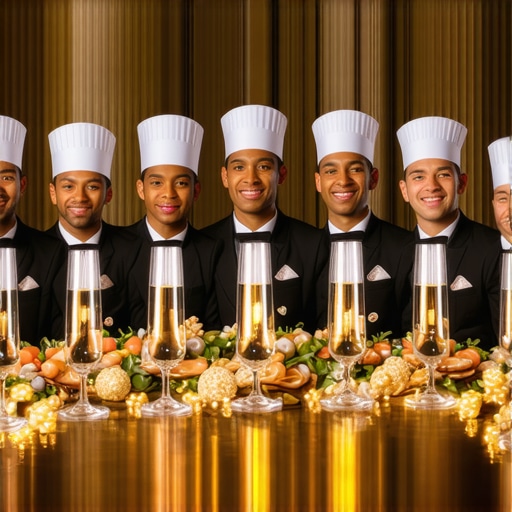
Effective server deployment during a corporate gala hinges on precise planning and real-time adjustments, ensuring guest satisfaction and operational success.
Leverage Industry Insights and Continuous Improvement
Stay updated on the latest catering and service trends by consulting resources like industry reports. Regularly seek feedback from your staff after each event to identify areas for improvement. In one instance, a simple debrief session revealed communication gaps, which we addressed by introducing standardized service checklists. This iterative process streamlines your staffing strategy and elevates your event standards over time.
While many believe that simply hiring top-tier servers or choosing trendy menus guarantees event success, the real mastery lies in understanding subtle details that can make or break the experience. A common myth is that more servers always mean better service; however, overstaffing can lead to confusion and logistical chaos, diluting the guest experience. Instead, focus on optimal server-to-guest ratios tailored specifically to each event type, as experts advise regarding the critical balances needed for seamless service. Additionally, many planners underestimate the importance of vendor synergy; misaligned timing between catering, music, and decoration can cause delays, disrupting the flow and leaving guests with a disjointed impression. Being aware of these nuanced interactions—and proactively managing them—sets seasoned organizers apart. Another overlooked factor is the quality of staff training; investing in intensive prep allows servers to anticipate guests’ needs and adapt swiftly, reducing awkward moments and complaints. An advanced tip is to incorporate real-time feedback tools during the event, enabling immediate adjustments for continuous improvement.
What hidden mistakes do even seasoned planners make regarding catering logistics?
Studies show that overlooked details, like proper dish transportation and timing, can significantly impact guest satisfaction and cost efficiency. For example, ensuring hot foods stay hot and cold foods remain chilled requires more than standard containers; it demands precise temperature management systems that often go unnoticed until a hot dish arrives lukewarm. Neglecting these nuances leads to food waste and guest disappointment. Take the chance to explore innovative solutions, such as tailored thermal carriers or controlled environment stations, to elevate your catering standards. Remember, perfection in service isn’t just about abundant resources—it’s about strategic precision. If you’re eager to refine your event approach, review advanced industry insights and strategic tips at this resource on selecting the best servers or consult with experts who understand these nuances.
Have you ever fallen into this trap? Let me know in the comments. Ensuring subtle details aren’t overlooked transforms an ordinary gathering into an extraordinary experience that guests will remember for years.In any successful wedding, corporate event, or catering setup, having reliable equipment and software isn’t just a convenience—it’s a necessity. Over the years, I’ve found that investing in specific tools tailored to the needs of event management makes the difference between a chaotic mishap and a seamless experience. One tool I swear by is the Digital Event Dashboard, which allows real-time monitoring of staff performance, guest flow, and service times. Personally, I use Gourmet Catering Co.’s analytics system to track server efficiency and guest satisfaction metrics during each event, enabling swift adjustments without missing a beat.
Maintaining these systems over time requires a proactive approach. Regular software updates, staff training on new features, and routine equipment maintenance ensure everything runs without a hitch. For example, I schedule monthly checks of my POS devices and communication radios, verifying they operate at peak performance. Using tools like Trello or Asana helps assign maintenance tasks and track their completion, which prevents overlooked issues before they escalate. Looking ahead, I predict that integration of AI-driven analytics and IoT sensors will become standard, offering even smarter insights into staffing needs and service bottlenecks. Staying ahead means adopting these technologies early and training your team accordingly.
How do I maintain tools and systems for long-term success?’
Implementing these solutions is only the first step. The key lies in consistent upkeep and strategic upgrades. I recommend establishing a maintenance schedule that includes routine software backups, hardware calibration, and staff refresher training sessions. For software specifically, set automatic updates whenever possible, and keep an eye on emerging features that could offer additional efficiencies or insights. Moreover, collaborating with trusted vendors for technical support ensures you’re never left stranded during crucial moments. Remember, a well-maintained system not only enhances efficiency but also boosts guest perception—smooth service leaves a lasting impression.
Finally, don’t shy away from trying innovative approaches. For instance, I recently incorporated a mobile app that allowed servers to receive instant updates on guest needs and adjustments in staffing dynamically. The result? Faster response times and happier guests. If you’re eager to elevate your event management game, consider implementing a comprehensive dashboard or analytics platform. These tools will empower you to preempt issues before they arise and keep your operations running flawlessly, no matter the size or scope of your event. For more detailed insights, check out this guide on hiring and maintaining high-quality servers. Start experimenting with one of these advanced tools today and experience the difference in your next event. Remember, in the world of events, proactive maintenance and smart tools are your best allies in delivering unforgettable guest experiences.
Lessons that Took Me Forever to Learn
One of the most profound insights I gained was realizing that hiring just skilled servers isn’t enough; investing in their understanding of your specific event needs creates a seamless flow. I once underestimated the importance of pre-event briefings, thinking on-the-spot training would suffice, only to see service delays. Now, I know that clear communication about event flow and guest expectations transforms raw talent into polished excellence. Additionally, I discovered that the smallest details, like precise timing of dish delivery and plate clearing, can make or break the guest experience—neglecting this can lead to gaps and awkward moments, no matter how talented your team is. Lastly, embracing technology—like deploying real-time analytics—has allowed me to anticipate bottlenecks before they happen, turning a reactive process into a proactive strategy that elevates every event I manage.
Tools and Resources That Elevated My Approach
My indispensable kit includes the Gourmet Catering Co. analytics system, which provides real-time insights into server performance and guest satisfaction. This tool has been vital for adjusting staffing dynamically during events, ensuring efficiency and guest happiness. I also rely on comprehensive hiring checklists that help me select high-quality servers from the start, saving time and avoiding costly mismatches. For ongoing education, I turn to industry reports like wedding catering trends 2025, which keep me ahead of modern expectations and allow me to tailor service styles to current guest preferences. These resources continually refine my approach, ensuring I deliver memorable experiences every time.
Ready to Elevate Your Event Service Game
The journey toward impeccable hosting is ongoing, but every step you take towards understanding the nuances of server standards and guest engagement amplifies your success. As you implement the insights and tools shared here, remember that mastery isn’t achieved overnight—it’s built through consistent effort and genuinely caring about the details that delight your guests. Don’t shy away from experimenting with new strategies, embracing technology, and learning from each event. Your commitment to excellence now paves the way for future events where service seamlessly supports unforgettable moments. Are you ready to apply these principles to your next big event and watch your hosting confidence grow? Share your thoughts or experiences below—I’d love to hear what’s worked for you or where you’re looking to improve next.