

I’ll never forget the sound of three champagne flutes shattering at once. It was 2014, and I was catering my first major corporate launch for a tech startup. In my infinite wisdom, I’d set the primary bar directly adjacent to the check-in desk. I thought I was being the ultimate host by getting a drink into everyone’s hand the second they crossed the threshold. Total amateur move. Within twenty minutes, a bottleneck of eighty people had formed at the door. Guests who had just arrived were being bumped by people trying to leave the bar with full glasses, while the back half of the ballroom sat empty like a ghost town. It was a logistical nightmare that turned a luxury venue into a crowded subway station. If you’ve ever felt that ‘entrance-clog’ panic, you know exactly how fast a party can sour. Today, I want to share the counterintuitive logic that changed how I plan every single event: why the bar belongs in the furthest corner of the room. We’re going to look at how to set up a bar to avoid congestion in small rooms and why the common mistake of placing the bar in a back corner is actually only a mistake if you do it without a plan. [image_placeholder_1]
Your Floor Plan Needs Room to Breathe
When you place the bar deep into the venue, you aren’t being mean; you’re being a strategist. You are using the most popular destination in the room—the alcohol—to pull people through the space. This is a concept often seen in retail design; grocery stores famously place dairy and meat at the back to force shoppers to see more products. According to architectural flow studies, human beings naturally gravitate toward the first ‘attraction point’ they see, and if that point is the bar, they stop right there, and the party never actually flows. I’ve learned the hard way that planning the ultimate wedding reception meal involves more than just the menu; it’s about the path guests take to reach it. Have you ever walked into a wedding and felt like you couldn’t move past the first five feet? It’s suffocating. By moving the bar, you’re essentially acting as a human traffic controller.
Won’t my guests get annoyed if they have to walk?
I get this question from nervous planners all the time. The fear is that a distant bar feels like a ‘hidden’ bar. But here is the secret: as long as the bar is visible or clearly signaled, guests actually enjoy the journey. It gives them a chance to see the decor, find their friends, and get a feel for the atmosphere. If you how to use lighting to guide guests through a venue, they won’t even realize they’ve been nudged to walk. Early in my career, I assumed wedding catering tips from industry experts only applied to the food itself. I was wrong. The layout is just as important as the seasoning. Have you ever been to an event where the bar placement made the whole room feel like a traffic jam? Tell me about your layout frustrations below!
Turn Your Venue Into a One-Way Street
To fix a layout, you have to think like a river. If the water hits a rock—the bar—at the mouth of the stream, everything floods. I remember a 400-person wedding in a narrow industrial loft where we intentionally placed the bar behind a decorative floral wall at the far end of the room. The couple was terrified people wouldn’t find it, but we used a slow-release appetizer strategy to pull them through the space. By the time the first guest reached the bar, the room was perfectly distributed. This is one of those corporate event catering strategies for success that works just as well for black-tie nuptials. When you force people to walk, you naturally break up the ‘clumps’ of guests who tend to stick together near the entrance. You aren’t just moving people; you are creating a sense of discovery that keeps the energy high. 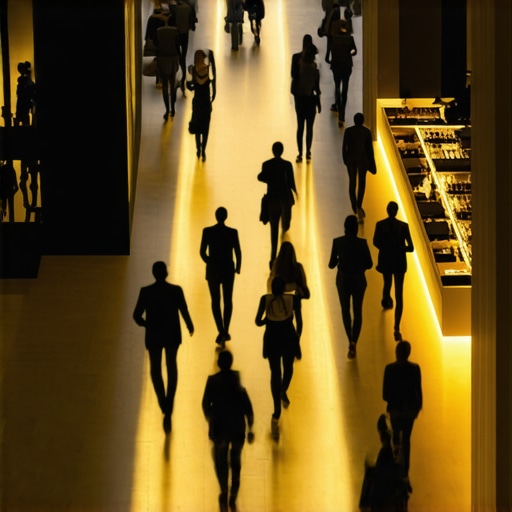
Let Lighting Do the Talking
Visibility is the key to guest confidence. If they can’t see the bar from the door, they’ll hover near the kitchen or the check-in desk, asking for directions and creating a different kind of logjam. Use ‘hero lighting’—a bright wash, a glowing counter, or a neon sign—to make the bar a lighthouse in the distance. When I consult on how to choose the right staffing ratio for a VIP event, I always emphasize that even the best servers can’t fix a dark, confusing room. Lighting acts as your silent usher, whispering to guests where they should go next without a single word being spoken.
Match Your Staff to Your Crowd Size
A distant bar only works if the service is fast once they get there. If a guest walks sixty feet only to wait ten minutes for a gin and tonic, you’ve simply moved the traffic jam to a different corner. I’ve found that why your server team needs a designated captain for every 50 guests is a non-negotiable rule for high-flow events. The captain isn’t pouring; they are watching the line, calling for back-stock, and ensuring optimizing server efficiency to enhance event satisfaction remains the top priority. This allows the bartenders to stay in their ‘well’ and keep the drinks moving.
Pick Drinks That Don’t Require a Chemistry Degree
Complexity is the enemy of flow. If your signature cocktail has seven ingredients and requires a hand-chipped ice cube, your far-corner bar will quickly become a mosh pit. Speed is about preparation. Learn why pre-pouring water is the secret to a fast service start and apply that same logic to your alcohol service. Pre-batch your cocktails and stick to a limited menu. When we did a launch for a major fashion brand, we served only three options: champagne, a spicy margarita (pre-batched), and sparkling water. We moved 300 people through the line in fifteen minutes. Also, remember to how to choose a signature drink that wont stain the carpet, because a crowded bar at the back of the room means guests will be walking back through the crowd with full glasses. Finally, ensure why your server lead needs a copy of the event script so they know exactly when the ‘rushes’ are coming—like right after the first toast or immediately following a keynote. Anticipation is the difference between a smooth event and a chaotic one.The most common myth I hear in this industry is that throwing money at ‘more bodies’ fixes a slow service. It does not. In fact, in tight quarters, a high staff-to-guest ratio can actually tank your efficiency. Think of it like a professional kitchen; if there are six chefs in a space designed for four, someone is getting burned. You need to master how to choose the right staffing ratio for a VIP event to avoid this logistical trap. I’ve seen planners insist on one-to-one service for a board dinner, only to realize the servers became a human wall that guests couldn’t see through. Instead of raw numbers, focus on server skills that make every event stand out, such as ‘silent clearing’ and peripheral awareness.
The Management Mistake That Kills Momentum
The ‘Oops’ factor often happens at the very top of the hierarchy. I’ve watched seasoned planners make the mistake of assigning their absolute best person to the most important table. However, why a lead server should never be assigned a single table is a rule written in blood in my world. When your captain is locked into a 15-minute conversation about vintage Bordeaux with the father of the bride, the rest of the 200 guests are languishing because no one is directing the flow. Your lead needs to be the ‘eye in the sky.’ This also ties into why your lead server should never be the one managing the kitchen; they must be the bridge between the two worlds, not a permanent resident of either. 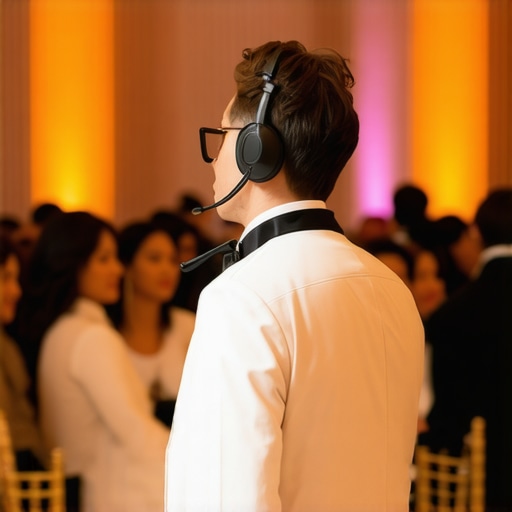
Science Proves That Speed Is Secondary
Research from the Cornell School of Hotel Administration highlights that ‘service density’—the physical ratio of staff to floor space—often matters more than the raw number of employees. If the physical layout is broken, even a Michelin-star team will fail. This is why being able how to spot a server who hasn’t been briefed on the menu is such a critical skill for an event host. A server who doesn’t know the ingredients will always be five seconds slower per interaction. Across a 500-person gala, those seconds compound into nearly an hour of lost time, stalling the entire evening’s schedule.
Is French service worth the extra cost for a modern wedding?
For those aiming for luxury wedding catering ideas for a fairytale atmosphere, the answer is usually yes, but with a major caveat. French service, where servers plate food at the table from a silver platter, offers an unmatched level of theater and customization. However, it requires a specific, expansive floor plan to work safely. You cannot pull this off in a cramped industrial loft. If you are tracking wedding catering trends to impress guests in 2025, remember that true elegance requires elbow room. The advantage of hiring servers who specialize in french service is that they understand the ‘dance’ of the dining room, but you must provide the stage for them to perform it. Have you ever fallen into the ‘more is better’ staff trap? Let me know in the comments!
The Hidden Gear That Keeps My Team Sane
To keep a 500-person gala from descending into chaos, you need more than just a loud voice and a clipboard. Over the years, I’ve become obsessed with the physical tools that safeguard the guest experience and ensure the plan we’ve built actually survives the night. For instance, I never walk into a venue without my laser-thermometer. Why? Because the secret to maintaining food temperature at outdoor events isn’t just about the Sterno; it’s about constant, non-invasive monitoring. I personally swear by the Comark PDQ400 for its five-second response time and waterproof build. According to the North American Association of Food Equipment Manufacturers (NAFEM), keeping hot food at or above 140°F (60°C) is the baseline, but the perceived quality of a luxury meal drops significantly every degree below 135°F. Monitoring these metrics is a vital part of the essential checklist for successful corporate event catering that separates the true professionals from the hobbyists. Beyond temperature, I rely heavily on ‘Cambro’ insulated carriers—specifically the Ultra Pan Carrier series—because they can hold heat for four hours without a single watt of electricity. 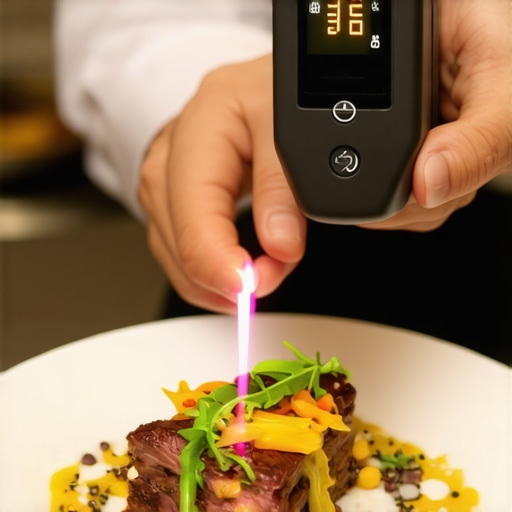
How do I keep everything running smoothly for five hours?
Maintaining momentum is an endurance sport, and the biggest threat to your timeline isn’t a slow kitchen; it’s ‘service fatigue.’ I’ve found that how to keep your event schedule on track without rushing guests comes down to a 10-minute ‘reset’ every hour. During this window, the lead server or captain checks in with every station—not to bark orders, but to identify potential bottlenecks before they turn into dam breaks. This is where your why your event budget needs a 10 percent contingency fund proves its worth. Sometimes that fund isn’t for broken glasses; it’s for the extra hour of labor needed to keep the energy high during an unexpected speech extension or a late-arriving VIP.
The Shift Toward Predictive Logistics
Looking ahead to the next few years, I predict we’ll see a massive shift toward AI-driven floor plan simulations. We are already seeing the early stages of software that can predict ‘heat maps’ of guest movement based on bar and buffet placement. Instead of guessing where the crowd will gather, we’ll use data to optimize every square foot before the first table is even set. This level of precision is exactly what I discuss when people contact us to scale their private functions into full-blown productions. If you want to take your events to the next level, I challenge you to do a ‘flow audit’ of your next layout. Walk the exact path your guests will take and time the distance to the bar. If it’s under 15 seconds from the entry point, move it further back—I promise the energy in the room will thank you for the extra breathing space.
Lessons from the Night I Broke the Room’s Flow
Looking back on a decade of events, I’ve realized that the ‘perfect’ layout is often the one that feels slightly wrong on paper. If a floor plan looks too symmetrical, it’s probably going to bottleneck. I once thought that having servers everywhere would fix a bad layout, but I quickly learned that optimizing server efficiency to enhance event satisfaction is about strategic placement, not just headcount. The biggest ‘lightbulb’ moment for me was realizing that guests don’t actually mind walking; they mind being confused. If you can see the destination, the distance becomes part of the experience. We often overcomplicate why small bites are better for high stakes networking by clustering them near the bar, but spreading them out is the real secret to encouraging movement throughout the entire venue.
[image_placeholder_5]
The Gear That Survives My Hardest Shifts
To pull this off, I rely on a few specific tools that never leave my kit. While I mentioned the Comark thermometer earlier, I also suggest looking into professional floor plan software like Social Tables to run ‘what-if’ scenarios on your room flow before the first table is set. For those planning unforgettable wedding catering ideas for a magical celebration, don’t overlook the impact of your physical transport gear. I personally trust the heavy-duty utility of ‘Cambro’ carriers because they are the only things that keep a 400-person service from turning into a lukewarm disaster in a remote location. Additionally, knowing how to style a buffet table for maximum visual impact allows you to create secondary destination points that further alleviate bar pressure and keep the crowd circulating.
Stop Designing for Photos and Start Designing for People
Mastering these mastering corporate event planning secrets to seamless success isn’t about following a rigid template; it’s about being brave enough to move the bar where people don’t expect it. Your guests might not notice the lack of a traffic jam, but they will certainly feel the energy that a well-flowing room provides. When the movement is fluid, the conversation is better, and the memories are clearer. Take the risk, push that bar to the corner, and watch the room come alive. Have you ever been to a party where the bar placement made it impossible to move? Share your event horror stories or successes below!