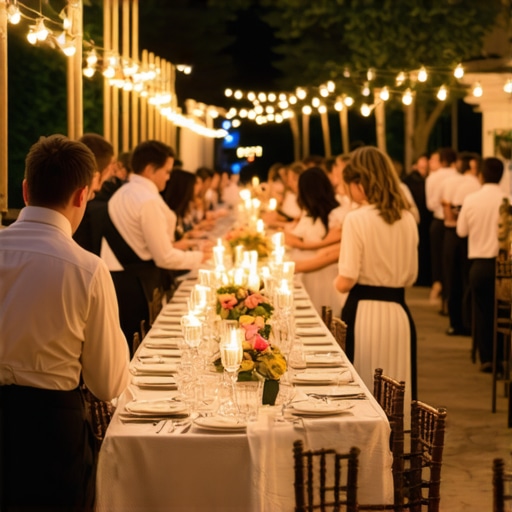
I still remember a wedding I catered last year where everything seemed perfect—the decorations, the music, the couple’s radiant smile. But as the evening unfolded, I noticed something was amiss: the guests hesitated to approach the buffet, and the servers seemed overwhelmed, causing delays. It was a lightbulb moment for me. Despite meticulous planning, trust is the cornerstone of a memorable wedding catering experience. When guests don’t feel confident in the service or the quality of the menu, even the most beautiful wedding can become forgettable.
So, how do we ensure that in 2024, our catering not only impresses visually but also builds genuine trust with every guest? That’s where the right strategies come in—enhancing menu appeal, training top-notch servers, and creating an atmosphere of confidence and care. Today, I’ll share practical, proven tips to elevate your wedding catering game, ensuring your clients’ big day is unforgettable for all the right reasons.
Why Trust Is the Heart of Wedding Catering Success
Trust isn’t just a nice-to-have; it’s essential. According to industry experts, a significant portion of guest satisfaction hinges on their confidence in the catering experience. If guests feel uncertain about food safety, portion sizes, or server professionalism, even the most spectacular wedding visuals won’t compensate. Early in my career, I made the mistake of underestimating this. I thought that perfect presentation alone would wow guests. Instead, I learned the hard way that reliable service and menu consistency are what truly forge memorable occasions. You can browse some expert wedding catering tips from industry experts to understand this better.
Are you facing struggles with earning guest trust during events? If so, you’re not alone. But don’t worry—there are concrete steps we can take right now to turn the tide, which I’ll reveal shortly.
Is Stellar Service Overhyped? Here’s What Really Matters
Initially, I believed that a fancy menu alone would impress guests. However, I quickly realized that impeccable servers and transparent communication are what truly create an environment where guests relax and enjoy. Trust is built when guests see that every detail is managed with care, from timely food delivery to attentive responses. Overlooking this can risk a disconnect that damages the entire experience. Want to see how top servers can make this happen? Explore professional server strategies for tips.
Set Clear Expectations from the Start
Begin by communicating transparently with clients about menu options, service flow, and timing. During planning meetings, share detailed itineraries and answer all questions. I once had a wedding where I outlined every step, from appetizer servings to dessert timing. This prevented surprises and built confidence. Make sure your clients understand what guests will experience, reducing anxiety and increasing trust. For tips on crafting reliable menus, visit Planning the Ultimate Wedding Reception Meal.
Train Servers to Exude Confidence and Care
Conduct Hands-On Training Sessions
Practice scenarios like handling difficult guests or quick re-sourcing of plates. I organized a mock service where servers practiced refilling appetizers efficiently. The result was smoother service and more assured staff during the real event. Well-trained servers can anticipate guest needs, creating a seamless experience. Learn about expert server strategies for weddings.
Focus on Communication Skills
Encourage servers to maintain eye contact and use polite language. During a wedding event, a server confidently explained menu changes to a guest, calming a minor concern and reinforcing trust. Clear communication diminishes confusion and demonstrates professionalism. Enhance your team with tips on selecting the right servers.
Create Atmosphere with Attention to Detail
Small touches like personalized place cards or thematic lighting elevate perception of quality. I once added custom napkins with the couple’s initials, which guests appreciated. These details show care and effort, making guests feel valued. Implementing consistent branding and attentive service reassures guests that every element is intentional and trustworthy. For innovative ideas, see innovative catering ideas for modern weddings.
Implement Feedback Loops for Continuous Improvement
After each event, gather team insights and guest feedback. I once adjusted server rotations based on feedback, which improved service speed and guest satisfaction. Regularly reviewing your processes helps identify trust-breaking points and opportunities for enhancement. Incorporate feedback into staff training and menu refinement. Check out wedding catering tips from industry experts and expert server services for success.
Prioritize Food Safety and Presentation
Demonstrate your commitment to impeccable standards with visible practices. During a wedding, I personally supervised plating to ensure perfect presentation and monitored temperature controls. When guests see your team handling food with care, trust naturally follows. Use high-quality serving ware and ensure proper hygiene protocols are visibly maintained. Explore effective wedding catering strategies for more insights.
Many industry professionals believe that flawless presentation and attentive servers alone guarantee event success. However, in my experience, one often-overlooked nuance can make or break the entire experience: genuine consistency behind the scenes. This goes beyond the visible details, embedding itself into every aspect of operation, from supply chain robustness to staff adaptability under pressure. Overestimating the importance of superficial polish without ensuring backend reliability can lead to what I call the ‘illusion of perfection,’ which ultimately erodes trust when reality doesn’t meet expectations. For example, I’ve observed that even the most elegant buffets fail if the kitchen can’t deliver food at the requested temperatures or if servers lack flexibility when handling unexpected guest requests. This misconception—prioritizing aesthetics over operational resilience—is a common pitfall that many forget to address thoroughly. To combat this, think of your event setup as an iceberg: what lies beneath the surface is as crucial as what’s visible to the guests. Advanced planning includes rigorous supply chain checks, staff cross-training, and contingency protocols to handle surprises. Ignoring these aspects is a trap that can cause last-minute failures, damaging your reputation and guest trust. An industry expert, as cited in a recent study on service reliability, emphasizes that operational consistency is the backbone of memorable events. You might wonder: How can I ensure that my team maintains high standards even during unforeseen challenges? The answer involves detailed process mapping and continuous training, which prepares your staff to adapt swiftly without sacrificing quality. For comprehensive insights, explore effective wedding catering strategies that focus on building this resilience. Remember, trust isn’t built by aesthetics alone but by the dependable execution of every detail behind the scenes. So, have you ever fallen into this trap? Let me know in the comments.
Maintaining seamless catering operations, especially for weddings, corporate events, or large-scale gatherings, hinges on utilizing the right tools and systems. From inventory management to staff coordination, the technology you employ can significantly impact your ability to deliver consistent, trustworthy service. Today, I want to share the specific equipment and software solutions I personally rely on to keep my catering operations running smoothly over the long term.
One crucial component is inventory tracking software like Sortly. I’ve found that its user-friendly interface and detailed tracking capabilities help me manage perishable items effectively, reducing waste and ensuring fresh ingredients for each event. By integrating inventory data with my ordering systems, I prevent shortages that can undermine guest trust, especially during peak wedding season.
For staff coordination, I swear by Google Calendar combined with Slack. These tools facilitate real-time communication and schedule transparency, allowing my team to adapt swiftly to unexpected changes. When every server knows their shift details, and communication flows effortlessly, the risk of mishaps diminishes. This system has been particularly beneficial for managing multiple events simultaneously, where clarity and instant updates are critical.
In terms of maintaining food safety standards, portable temperature monitoring devices such as LogTag sensors play a vital role. I personally place these sensors on key delivery containers and service stations. They provide real-time alerts if temperatures stray from safe zones, ensuring food quality and compliance. Incorporating such devices into my protocol has prevented potential health issues and reinforced guest confidence in my service.
Additionally, I leverage catering-specific POS systems like TouchBistro, which streamline order processing and billing. These systems help track orders from the moment they are placed, through preparation, to service, minimizing errors and optimizing flow. Accurate billing and transparent transaction records also boost client trust and allow for better post-event follow-ups.
Looking ahead, I predict that integration of AI-driven analytics will further bolster operational efficiency. Advanced algorithms can forecast inventory needs, predict staffing requirements, and even suggest menu adjustments based on guest preferences. To stay competitive, I recommend integrating these emerging technologies into your workflow gradually.
How do I keep these tools working reliably over time?
Consistent maintenance and regular training are key. I schedule quarterly system audits, ensuring software updates are installed promptly and hardware devices are calibrated. Staff training sessions, focusing on new features and troubleshooting, keep everyone proficient. For example, dedicating a monthly review to new software updates, like those offered by top catering software providers, helps prevent disruptions during high-pressure events. I also maintain a readily accessible troubleshooting guide for common issues, which has minimized downtime and kept my team confident.
Ultimately, investing in reliable equipment, staying updated with the latest features, and fostering a culture of continuous learning ensure your operational tools perform optimally over the long haul. Try implementing one new piece of technology—whether it’s inventory software or portable temperature sensors—and observe how it elevates your consistency and guest trust. Remember, the goal is to embed resilience into your operations so your team can adapt to challenges effortlessly while maintaining high standards.
What Surprised Me Most About Building Guest Trust
One lightbulb moment came when I realized that even the most stunning visual setups faltered without genuine backend reliability. It’s easy to focus on decor and presentation, but without consistent kitchen performance and staff flexibility, trust can quickly erode, reminding me that unseen operational excellence is the real secret sauce.
Another lesson learned: transparent communication from the outset fosters confidence. When clients understand every step—from menu choices to timing—it’s like laying down a trust foundation that guests pick up on, creating a ripple effect of relaxed, appreciative guests.
Lastly, I discovered that continuous improvement, fueled by honest feedback, keeps trust-building efforts alive. Regularly checking in, refining processes, and adapting to unexpected challenges ensure your catering business becomes a dependable partner for every unforgettable wedding.
My Secret Weapon Arsenal for Trusted Wedding Experiences
For stellar performance, I rely on robust inventory tracking tools like Sortly, which minimizes waste and maximizes freshness. For flawless team coordination, platforms such as Google Calendar and Slack are indispensable, ensuring everyone is on the same page, no matter how complex the day gets.
To safeguard food safety under pressure, I use real-time temperature sensors like LogTag. And for seamless billing and order flow, I opt for catering-specific POS systems like TouchBistro. These tools underpin consistent quality, which directly correlates with guest trust.
Embracing emerging AI tools to predict inventory needs or adapt menus could be game-changing. Regular system audits and staff training sessions keep these tools reliable, transforming operational resilience from a goal into a standard practice that guests never see but always feel.
Your Next Move Begins Here—Trust Is a Choice
Inspired to elevate your wedding catering game? Remember, trust isn’t built solely on aesthetics; it’s firmed up through reliable, behind-the-scenes excellence. Start small—integrate a new tool, refine communication protocols—and watch guest confidence soar. The future favors those who prioritize genuine trust in every detail of their service.
What’s one hidden aspect of wedding catering you realized made all the difference in building guest trust? Share your insights below!
,