
I still vividly remember the wedding where everything that could go wrong did—cold drinks, forgotten dietary restrictions, and servers who seemed more like spectators than staff. At that moment, I realized that great food isn’t enough; building trust through impeccable service and thoughtful menus is the secret to unforgettable wedding experiences. Have you ever faced the stress of trying to satisfy every guest while keeping everything on schedule? If yes, then you know how overwhelming it can be.
Why Trust Is the Foundation of Wedding Catering
In the world of wedding catering, trust isn’t just a nice bonus—it’s the cornerstone of success. When brides, grooms, and guests alike believe in your ability to deliver consistently excellent service and memorable menus, they relax and enjoy the celebration. But establishing that trust takes more than just offering good food; it’s about reliability, communication, and understanding your clients’ unique needs.
What I Learned from My Early Mistakes
My first big mistake was assuming that showcasing fancy dishes was enough to impress clients. I soon realized that the real game-changer was transparent communication and personalized menu planning. One misstep could spoil an entire event. According to industry experts, personalized menus and attentive service significantly enhance guest satisfaction and build loyalty. Want a smoother wedding day? We’ll explore proven strategies that turn your catering service into a trusted partner in every bride’s big day.
If you’ve ever struggled with last-minute changes, unreliable vendors, or client doubts, you’re not alone. These issues can seem daunting, but understanding the core principles of building trust and curating memorable menus will set you apart. Ready to learn how? Let’s dive into actionable steps that will elevate your wedding catering approach in 2024, making you the go-to professional for stress-free, stunning weddings.
Set Clear Expectations with Your Clients Early
Just like a builder sketches a blueprint before laying bricks, outline every element of your catering service during initial consultations. Ask specific questions about their vision, dietary restrictions, and preferred service style. For example, I once worked with a bride who was passionate about farm-to-table ingredients but hesitant about timing. Clarifying her expectations upfront allowed me to design a menu that matched her values and schedule, eliminating surprises on the wedding day. Document these details clearly, and reconfirm them closer to the event to prevent misunderstandings. This proactive approach builds trust and reduces last-minute stress.
Create a Personalized Menu That Resonates
Imagine delivering a custom-tailored suit vs. a generic one—how much more likely is the client to feel valued? Customize menus by considering the couple’s culture, seasonality, and unique preferences. During a wedding season, I collaborated with a couple who loved spicy Caribbean flavors. I introduced innovative ideas, such as jerk-seasoned sliders and tropical fruit salads, elevating standard menus to memorable experiences. Use resources like innovative catering ideas for modern weddings for inspiration. Personal touches like these demonstrate your commitment to guest satisfaction and deepen client confidence in your abilities.
Leverage Skilled Servers to Enhance Guest Experience
Servers are the frontline ambassadors of your brand. Think of them as the conductors in an orchestra—when in tune, they ensure harmony. For weddings, select experienced staff who excel in discreet, attentive service. During one event, I hired top-tier servers from top servers for a seamless wedding reception, which transformed the atmosphere. Proper training on etiquette, menu knowledge, and guest interaction makes all the difference. Regularly update your team with effective wedding catering tips to keep service impeccable and trustworthy.
Practice Communication and Flexibility
Clear communication acts like a bridge—connecting your team, clients, and guests. Use checklists, maps, and schedules to keep everyone aligned. When a last-minute change arises, such as a dietary restriction or timetable shift, quick adaptability is key. For example, I once managed a wedding where an allergy concern was discovered hours before the event. Swift coordination with the kitchen and servers allowed us to prepare safe options seamlessly, earning client gratitude. Establish backup plans and maintain open lines of communication with vendors to ensure smooth adjustments.
Implement Continuous Improvement through Feedback
After each event, seek feedback from clients and staff. Think of it as tuning your instrument—small adjustments lead to better harmony. In one case, an hour-long post-event review revealed that guests appreciated the attentive service but struggled with buffet layout. We rearranged stations for better flow in subsequent weddings, significantly boosting guest satisfaction. Use insights gained to refine your procedures, menu choices, and staff training, creating a cycle of perpetual growth and trust building.
Invest in Staff Training and Development
Well-trained staff are your secret weapon, much like a professional athlete’s coach. Regular workshops on service etiquette, menu knowledge, and conflict resolution keep your team sharp. I’ve found that role-playing scenarios during training sessions help staff handle real-world challenges confidently. For instance, training with professional server training increased responsiveness and guest rapport. An investment here pays dividends in guest perception and reputation.
 Many professionals in the catering industry believe that flawless execution simply hinges on great food and attentive service, but there’s a deeper layer often overlooked. A common misconception is that offering trendy menus or assembling a skilled team guarantees client satisfaction. In reality, the nuanced aspects—such as managing client expectations, understanding psychological triggers, and avoiding routine pitfalls—are what truly differentiate pros from amateurs.
One major myth is that clients expect perfection in every detail, leading many to overpromise and underdeliver, which can erode trust. Instead, seasoned caterers focus on setting realistic expectations early, ensuring clarity around menu options, timing, and service styles. This proactive transparency, supported by industry insights like those found in wedding catering trends, strengthens credibility and reduces stressful surprises.
Moreover, many believe that a high-end, elaborate setup will impress every guest, but complex displays often backfire if they hinder flow or slow service. Simplified, well-organized setups enhance guest experience, aligning with best practices outlined in catering excellence. Understanding the psychology behind guest interactions and spacing can turn a standard buffet into a memorable highlight without added complexity.
What Does Real Expertise Look Like Amidst So-Called Common Sense?
Let’s dig deeper into this. True mastery lies in anticipating pitfalls like communication breakdowns with vendors, last-minute dietary requests, or unforeseen logistical challenges. An advanced mistake many make is neglecting the emotional component—recognizing that a stressed-out bride or overwhelmed event planner may need reassurance more than a last-minute menu tweak. Patience and empathy, combined with meticulous planning, are what establish long-term trust.
As highlighted in industry reports, neglecting these softer skills can be your undoing, regardless of technical proficiency. For example, underestimating the importance of dedicated server training, as detailed in wedding catering tips, leads to uneven service quality and guest frustration. Recognizing that servers are ambassadors of your brand helps elevate your reputation beyond the food itself.
In sum, the hidden nuance is that catering success depends less on what you serve and more on how you manage the intangible elements that surround every event. From clear communication to emotional intelligence, these factors create the foundation for repeat business and glowing referrals. Are you aware of these pitfalls in your own practice? Have you ever fallen into this trap? Let me know in the comments.
To keep your catering operation running smoothly over time, investing in reliable, professional-grade equipment is paramount. Durable chafing dishes, high-performance food processors, and insulated transport containers reduce the risk of last-minute failures and ensure consistency across events. Personally, I rely on commercial-grade chafing dishes from Winco because they withstand frequent use without warping and are easy to clean, saving time during setup and cleanup.
What I Use to Streamline Operations
Software tools like EventPro have transformed how I manage bookings, menu details, and staff schedules. Its intuitive interface allows for quick adjustments, which is crucial during busy wedding or corporate event seasons. I also recommend TouchBistro for point-of-sale transactions; it’s reliable, fast, and integrates seamlessly with inventory management—helping maintain a clear picture of supplies and usage. As technology advances, I predict that AI-driven inventory and scheduling automation will become the norm, reducing human error and freeing up more time for client relationships.
Regular maintenance of your equipment extends lifespan and prevents unexpected breakdowns. For example, descaling your coffee machines and calibrating ovens quarterly, as outlined in the manufacturer’s manual, keeps them operating at peak performance. Developing a monthly checklist for equipment servicing ensures nothing slips through the cracks and minimizes downtime during critical phases of event preparation.
How do I keep my tools functioning at peak?
Establish a routine maintenance schedule and stick to it. Keep spare parts, like replacement belts for transport carts or extra seals for refrigeration units, on hand. Training staff to perform minor troubleshooting—such as clearing clogs in dishwashers or replacing faulty switches—empowers your team and reduces reliance on external technicians. Remember, the longevity of your tools directly impacts your bottom line, as detailed in catering excellence guidance.
Another essential aspect is documenting your maintenance procedures and creating a logbook. This not only prolongs equipment life but also helps identify recurring issues so you can address systemic problems proactively. For instance, logging that your refrigeration unit’s compressor tends to overheat after six months alerts you to consider a replacement part before it fails during an event. It’s a small step that can prevent a major crisis.
Properly trained staff are just as vital as quality tools. Conducting regular training sessions on equipment operation, sanitation protocols, and troubleshooting ensures your team can handle unexpected hiccups confidently. For example, familiarizing your servers with proper chilling techniques for perishable items, supported by resources like industry expert tips, guarantees food safety and presentation consistency.
Why does maintenance matter for lasting success?
Consistent upkeep not only preserves the functionality of your tools but also reinforces your reputation for professionalism. Over time, this builds trust with clients who appreciate reliability, ultimately leading to repeat business and positive referrals. Remember, ignoring routine maintenance can result in costly repairs and cancellations—detrimental to your growth and credibility.
Don’t hesitate to implement one new maintenance practice today—perhaps scheduling quarterly calibration of your ovens or creating an equipment troubleshooting guide. Small changes now can yield significant benefits down the line, ensuring your catering services remain top-notch season after season.
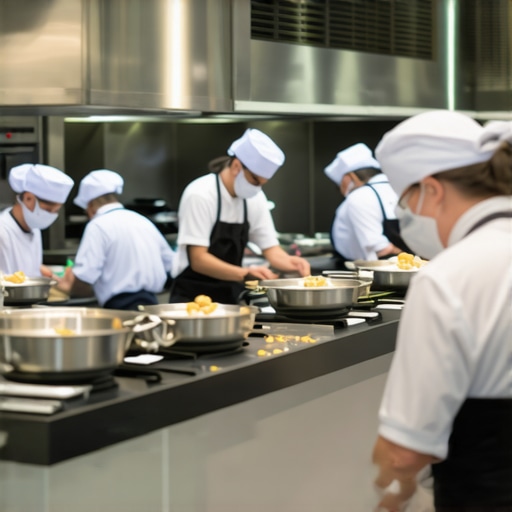
For a visual representation of how advanced equipment and systematic maintenance integration can elevate your catering business, consider an image showing a modern kitchen with professional tools neatly organized and a staff member performing routine checks. An effective visual cue reinforces the importance of organized upkeep and technological integration in sustaining long-term success.
Building exceptional catering experiences requires more than just delicious food; it demands an unwavering focus on trust, personalized service, and continuous refinement. As you hone your craft in weddings and corporate events, embracing these deeper lessons can set you apart in a competitive landscape.
What I Wish I Knew Before Rising in the Catering World
- Trust is earned, not given: Early in my career, I believed showcasing flashy dishes was enough. I soon discovered that consistent reliability, transparent communication, and personalized touches are what truly foster loyalty.
- Soft skills matter just as much as menus: Empathy, patience, and active listening often seal the deal more than the food itself. Clients remember how I made them feel during stressful moments.
- Preparation minimizes chaos: Anticipating last-minute changes by establishing clear expectations and backup plans consistently saved me from missteps and built confidence with clients and staff alike.
- Investing in staff pays dividends: Regular training on etiquette, menu details, and troubleshooting turns good servers into ambassadors of your brand, elevating guest experiences across every event.
- Equipment quality is an investment: Durable, well-maintained tools prevent disruptions and demonstrate professionalism—key ingredients for building trust that lasts beyond a single event.
Tools and Resources That Keep Me Ahead
- Innovative catering ideas: Inspiration to elevate menus and surprise guests with memorable flavors.
- Wedding catering tips: Up-to-date strategies to enhance client trust and streamline service.
- Top servers for weddings: Connecting with skilled staff that can transform guest experiences.
- Catering excellence resources: Best practices to maintain high standards consistently across events.
Your Next Step Toward Culinary Confidence
Every event is an opportunity to refine your approach, deepen client relationships, and showcase your professionalism. Remember, trust isn’t built overnight—it’s cultivated through thoughtful menus, dependable service, and genuine understanding. Keep pushing your boundaries, learn from each experience, and stay committed to excellence. The future of catering is bright for those who prioritize trust and innovation—are you ready to lead the way in 2024?
What’s the biggest lesson you’ve learned from your catering journey so far? Share your insights below—I’d love to hear your story!



Reading this post really resonates with me, especially the emphasis on building trust through transparent communication and personalized service. Early in my career, I often believed that serving a few signature dishes would suffice, but I quickly learned that consistent reliability and understanding client needs forge stronger relationships. One thing I’ve found particularly helpful is creating detailed checklists and documentation for each event, which reduces errors and sets clear expectations. I’ve also invested heavily in staff training, knowing that a well-prepared team can adapt smoothly to last-minute changes, which often happen in weddings and large gatherings. I wonder, how do others manage to keep their team motivated and aligned with high standards during especially busy seasons? Do you have specific strategies to prevent burnout while maintaining top-notch service? I’d love to hear your insights because, for me, ongoing staff development and clear communication are key to sustained success.
Reading through this post, I couldn’t agree more about the importance of trust and personalized service in wedding catering. One thing I’ve learned from my own experience is that even the most carefully planned menus can fall apart if the team isn’t fully engaged and responsive during the event. Regularly training staff on soft skills like empathy and quick thinking has made a huge difference for me. It’s also fascinating how small details, like a genuine smile or attentive eye contact, often leave a bigger impression on guests than the food itself.
Regarding maintaining high standards during a busy season, I’ve found that creating a culture of open communication and team empowerment is key. When staff feels trusted and part of the decision-making, they’re more motivated to give their best. Do others have specific strategies for keeping the team motivated without risking burnout? I’d love to hear about your approaches to balancing excellence with employee well-being, especially during peak wedding months.
I really resonated with how the post emphasizes trust as the foundation of successful wedding catering. From my experience, one of the most overlooked aspects is the importance of pre-event walkthroughs with clients and staff. When everyone is aligned on the plan, responsibilities, and potential issues, it creates a smoother experience and reassures clients that you’re in control. I’ve also found that quick, transparent communication during the event can defuse many last-minute surprises—like dietary restrictions or timing adjustments. Have you found any specific tools or routines that help facilitate this level of communication? I’d love to hear what works best for others to keep everything on track while maintaining that personal touch. It’s fascinating how these soft skills can make or break a client’s confidence in your service.